Caturvidhābhinaya in the Kumārasambhava - Part 3 - The Birth and Growth of Pārvatī
The Birth and Growth of Pārvatī In the next segment of the sarga, the nāyikā of the epic, Pārvatī is born and grows up. The poet employs nineteen verses (31 to...
Another noteworthy element visible in Kathā-sarit-sāgara is the amiability within society - even those days there were religions, castes, occupations, and good...
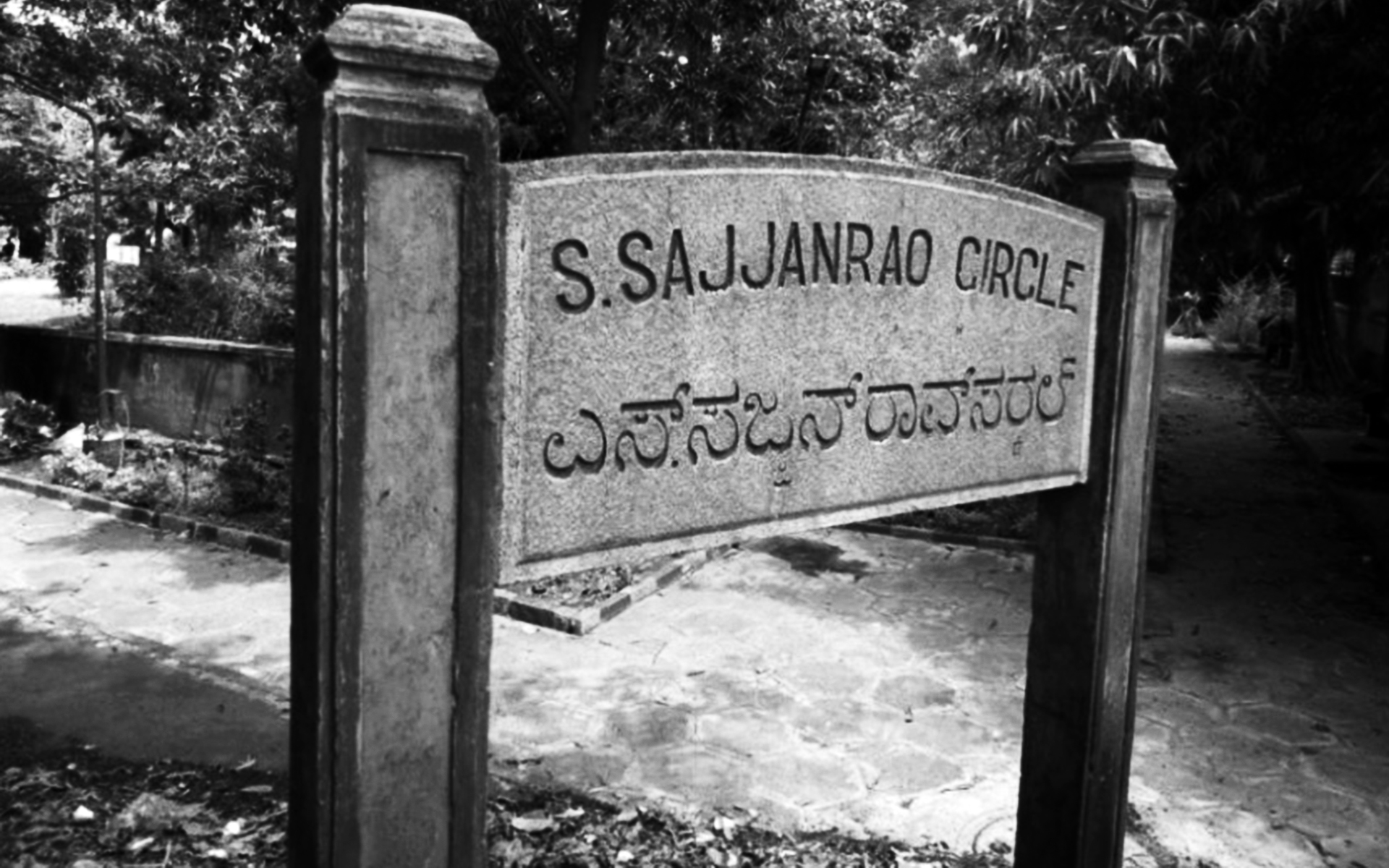
Gratification On the day the gopura work was completed, the kalaśa was established, and the samprokṣaṇā was done, one should have seen Sajjan Rao. He was the e...
My intention here is to write about my Ātma-gurus. Ātma-guru can mean several things: “The teacher of my choice”, “The teacher who taught me about the Ātman”, “...
Yeldur (Elduru) is an ordinary small town. But it was neat and pretty. The arterial road ran from east to west. On the western end was the Kodandaramaswamy Temp...
Naravāhanadatta who comes as a part of the Bṛhatkathā is special because of the streams of ‘knowledge’ he specialises in. There are stories where vāmācāra is pr...
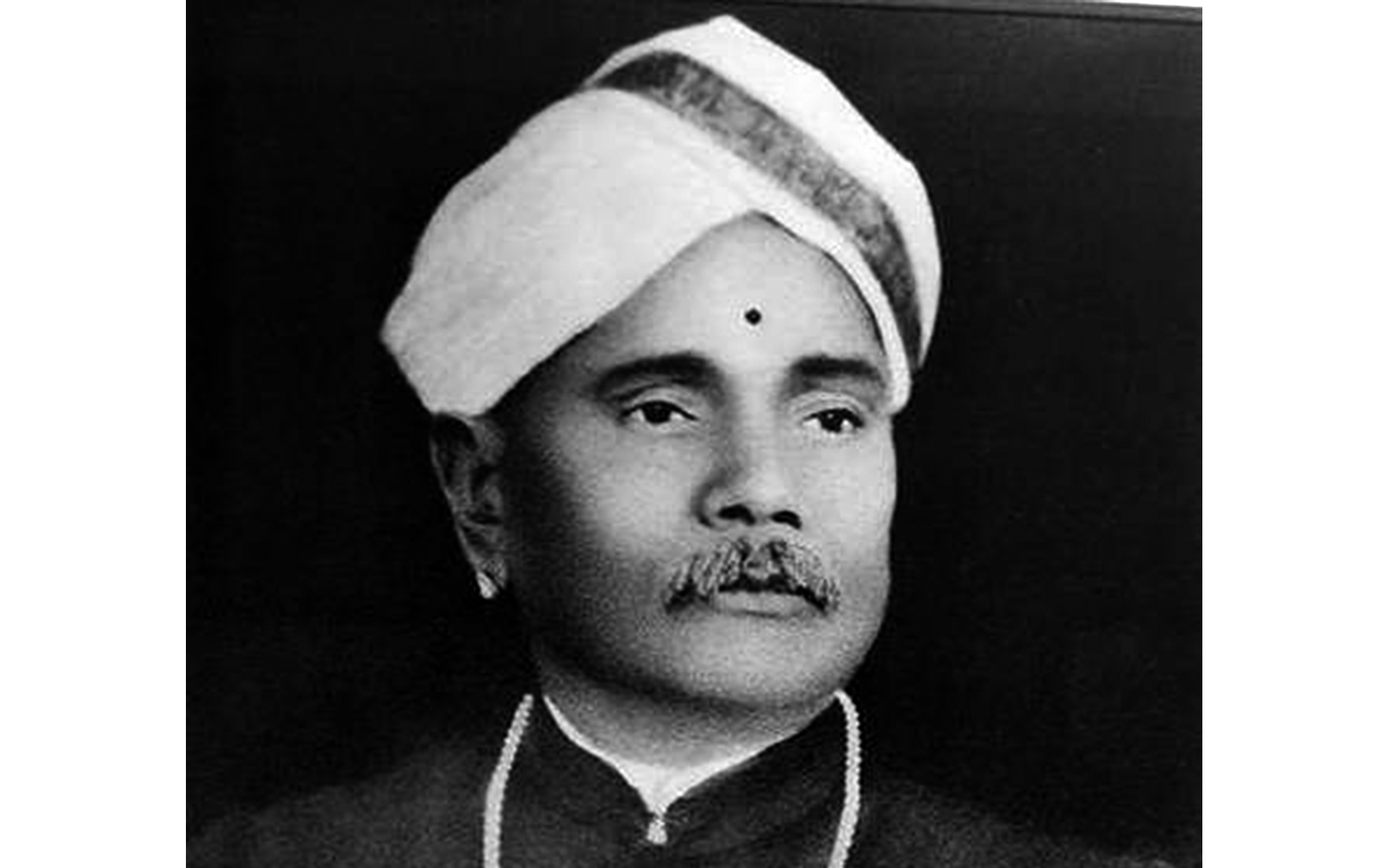
Along with Mandi Hariyanna’s name, it is Dharmaprakāśa S Sajjan Rao’s name that comes to mind.[1] The two were always together, like the Aśvini-devatas. Every m...
Kālidāsa designs his epic poem as though to bring out the philosophical journey first from the wholly material to the absolutely spiritual. The poem then tapers...