The Bhakti Sutras of Narada: Part 3
दुस्सङ्गः सर्वथैव त्याज्यः । ४३ 43. Always avoid bad company. कामक्रोधमोहस्मृतिभ्रंशबुद्धिनाशकारणत्वात् । ४४ 44. It (evil company) is the cause for lust, anger,...
यदृच्छास्वच्छविस्तीर्णामविच्छिन्नरसावहाम्। अगाधापारपारम्यां श्रये संस्कृतवाहिनीम्॥ I तदिदं मुदावहं यदाधुनिकसंस्कृतसाहित्यवरिवस्याविवेचनात्मकमत्र सत्रं प्रकल्पित...
A popular prayer from the Upanishads implores a movement from lies to truth, from darkness to brightness, and from death to eternal life (Brihadaranyaka Upanish...
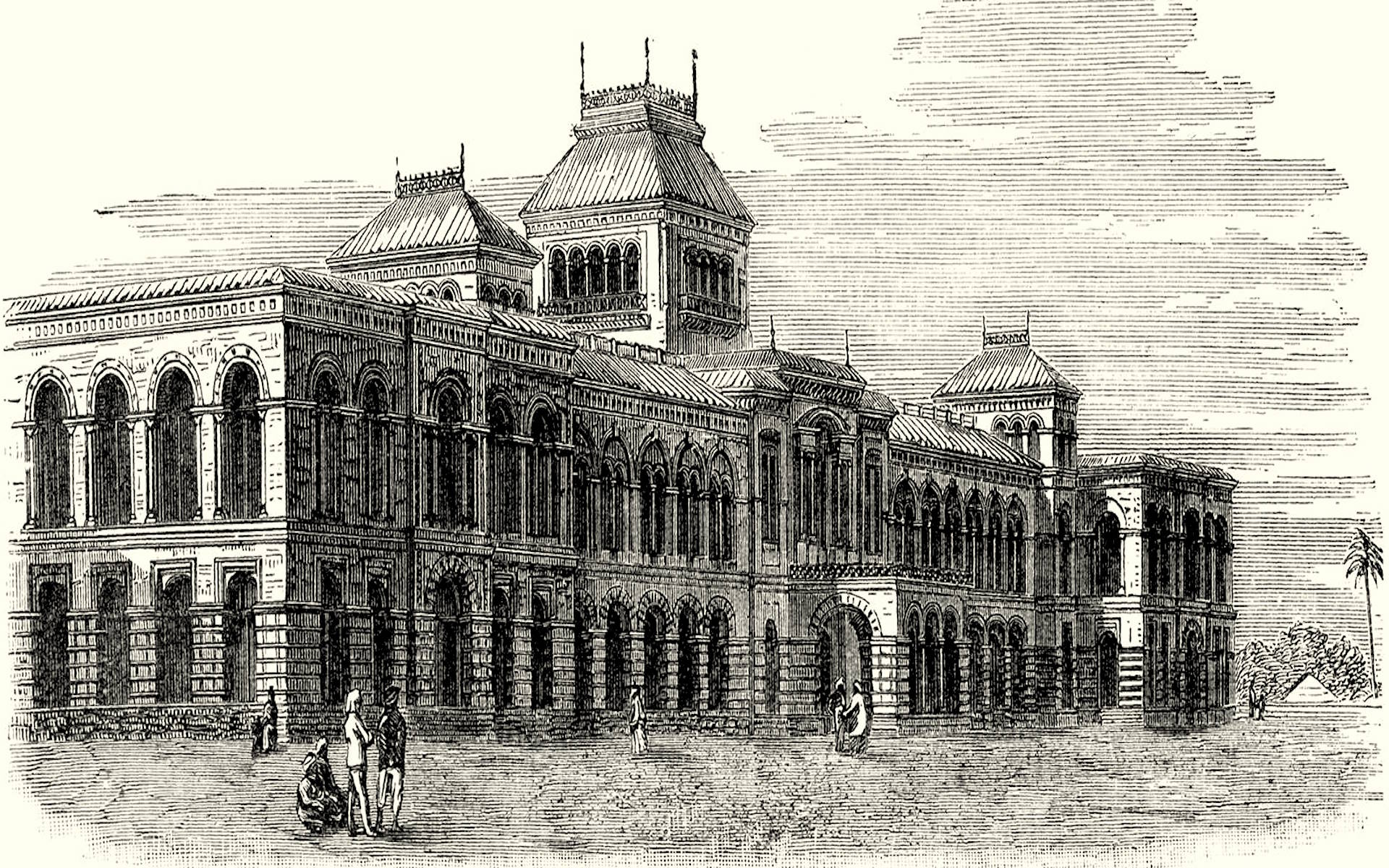
A documentary on Sir M. Visvesvaraya, an accomplished civil engineer and astute statesman who helped build the Mysore state.
नवलक्षधनुर्धराधिनाथेपृथिवीं शासति वीररुद्रभूपे |अभवत्परमाग्रहारपीडाकुचकुम्भेषु कुरङ्गलोचनानाम् ॥ Vidyanatha who lived in the thirteenth century was a great poet...
In the second part of this series, we take a look at the next twenty-one sutras of Narada on bhakti (verses 22 to 42). तत्रापि न माहात्म्यज्ञानविस्मृत्यपवादः ।...
A profile of the late Sanskrit and Kannada Grammarian and teacher, “Vaiyakarani” Garani Krishnacharya.
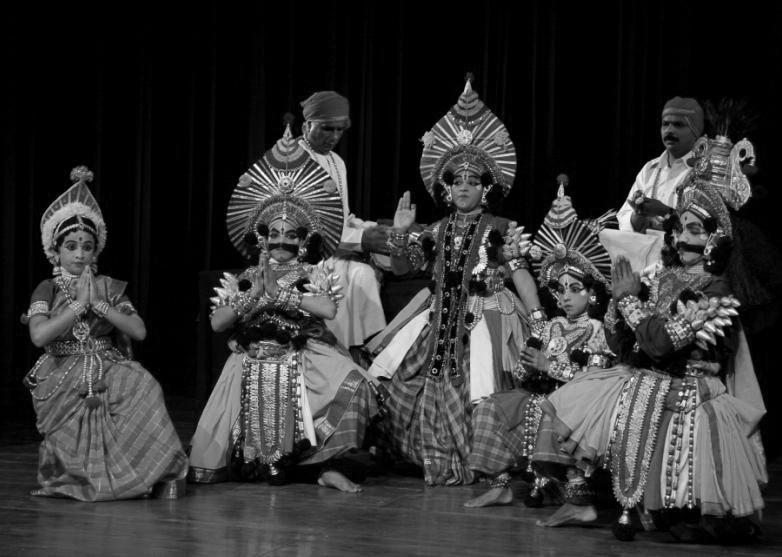
Vaachikaabhinaya (vocal communication – through words) is of two kinds – songs/ poems set to a rhythmic cycle (taala) and prose. Kuchupudi, Bhagavatamela and Ka...
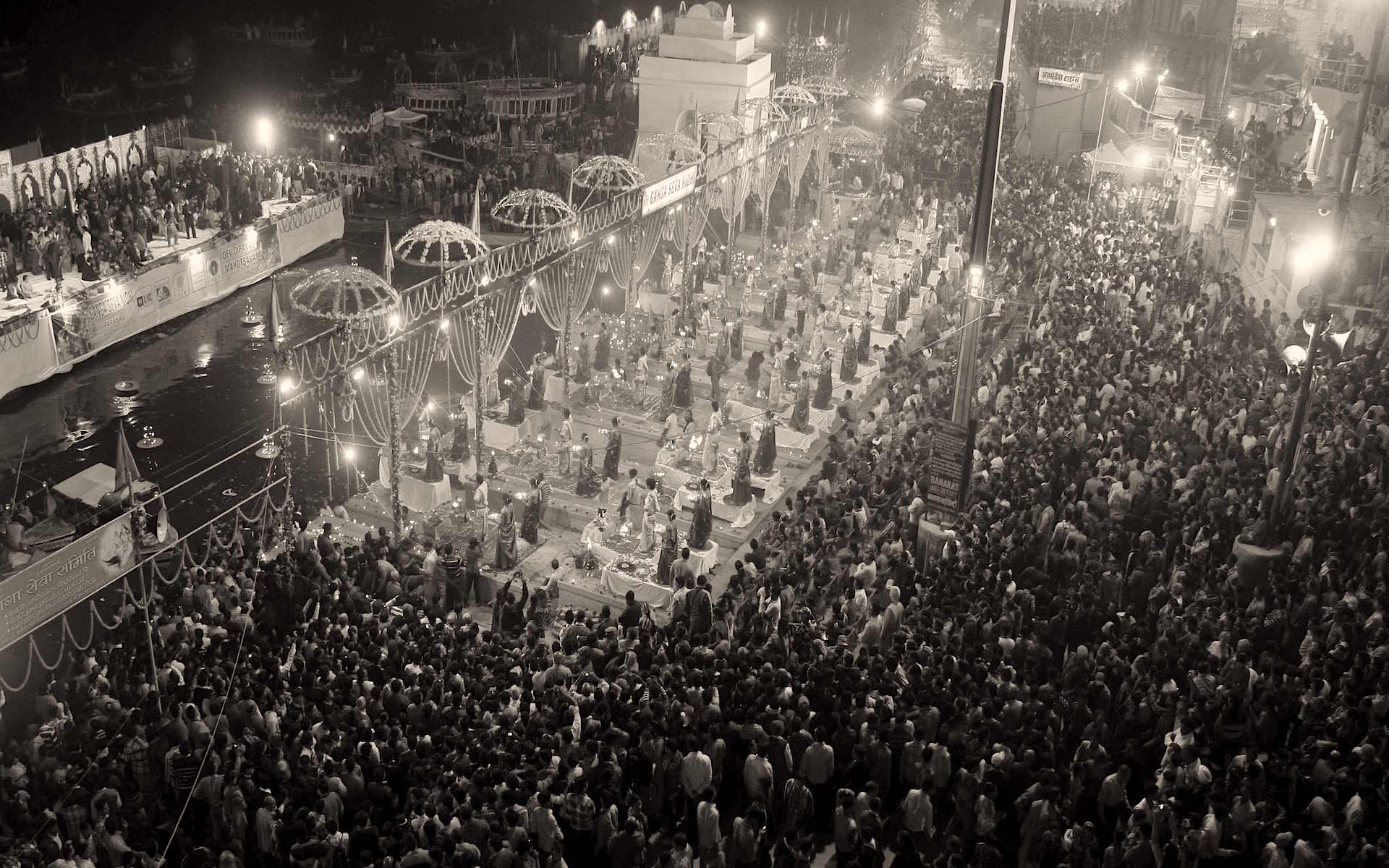
ಭಾರತೀಯರು ಹಬ್ಬಗಳನ್ನು ವ್ರತ, ಪರ್ವ, ಮತ್ತು ಉತ್ಸವಗಳೆಂದು ಪ್ರಾಯಿಕವಾಗಿ ಮೂರು ವರ್ಗಗಳಲ್ಲಿ ಕಂಡರಿಸಿದ್ದಾರೆ. ವ್ರತ ವೈಯಕ್ತಿಕವಾದದ್ದು. ಧರ್ಮ-ಮೊಕ್ಷಗಳಿಗೇ ಅಲ್ಲಿ ಪ್ರಾಧಾನ್ಯ. ನಿಯಮ-ನಿಷ್ಠೆಗ...
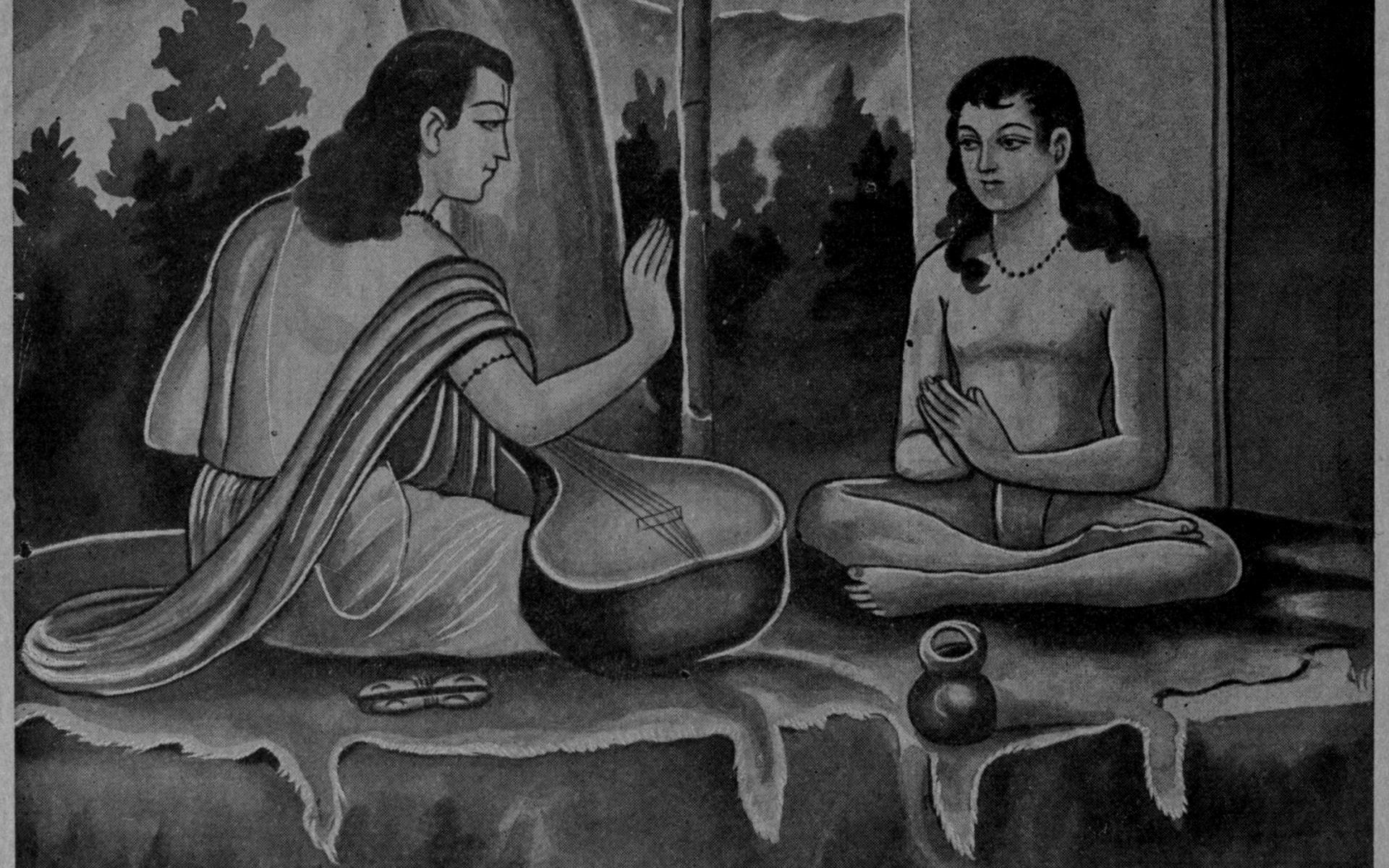
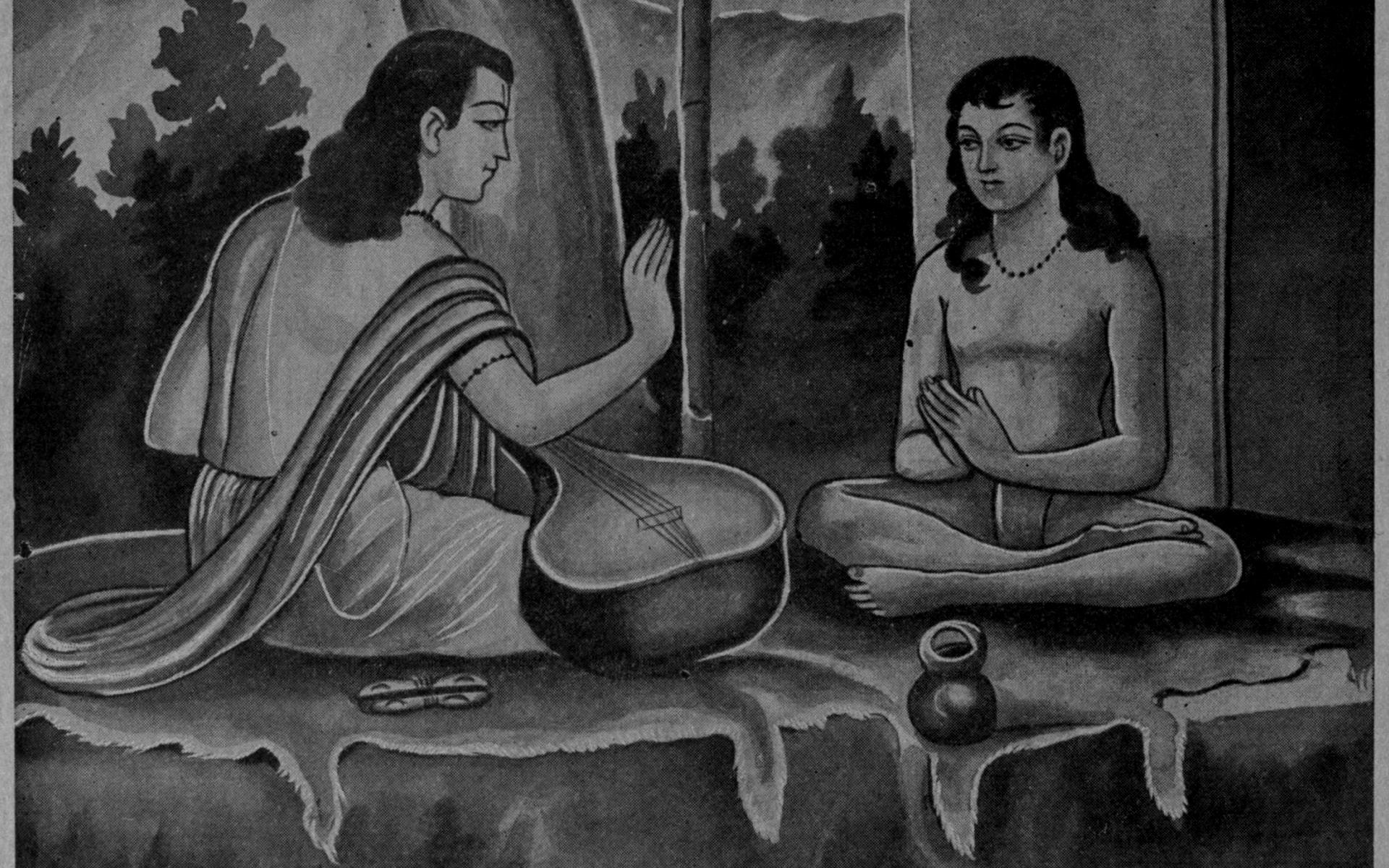
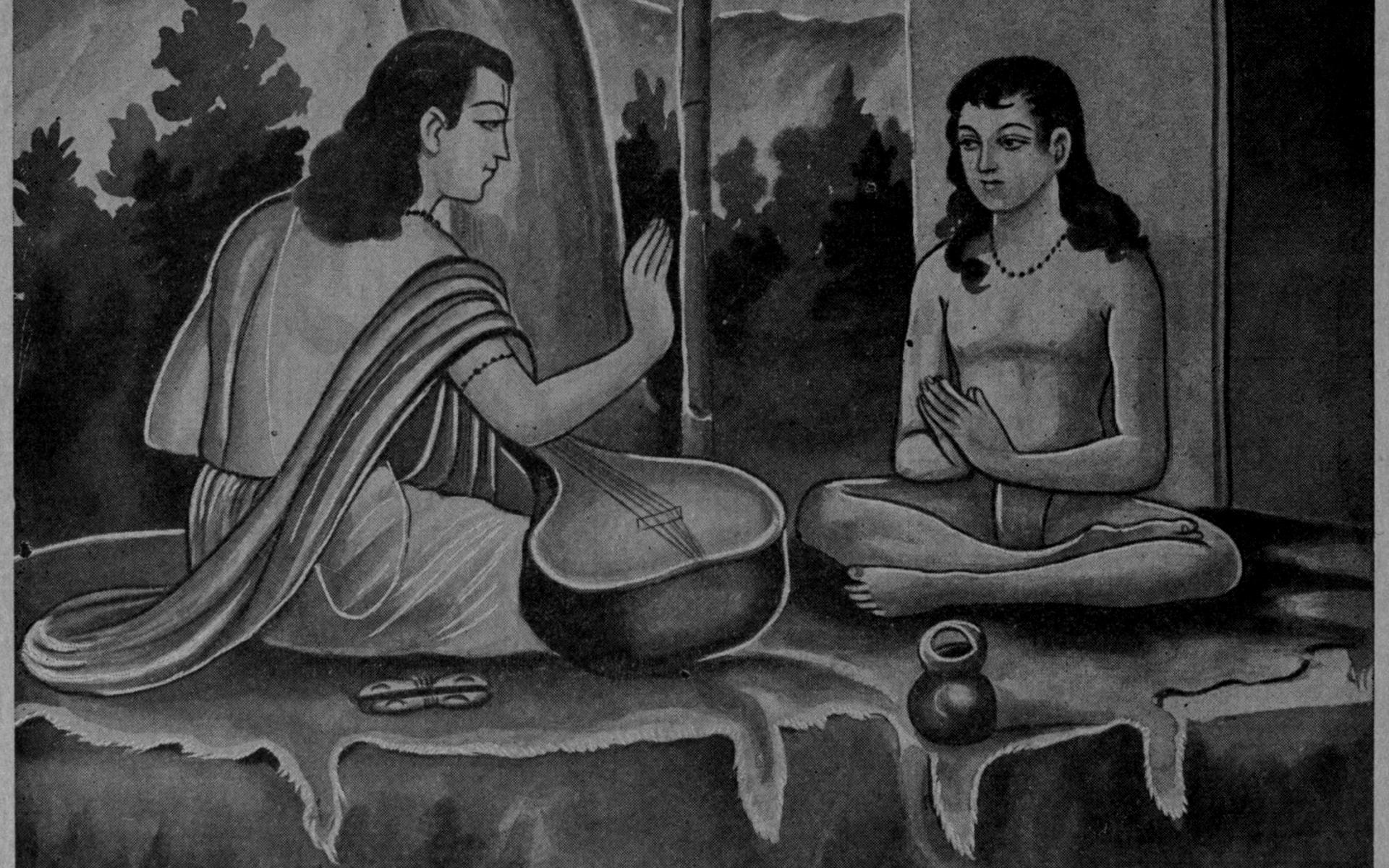
The divine sage Narada is credited with the composition of eighty-four sutras (aphorisms) on bhakti (devotion). In this four-part series, I provide simple Engli...
Nilakantha Dikshita is one among the fine Sanskrit poets in whom we find a happy blend of erudition and creativity. He lived during a time when natural expressi...
Kosambi hurls an accusation at Krishna for being the creator of the system of varnas – “Not only that, the god himself had created such differences (G.4.13): “T...