Prof. Sondekoppa Srikanta Sastri (Part 3)
In the early 1940, when the Western world was at the acme of its materialistic success, Sastri wrote these visionary words – “In the history of the world, it is...
At the outset of the Mahābhārata Vyāsa outlines its literary qualities that...
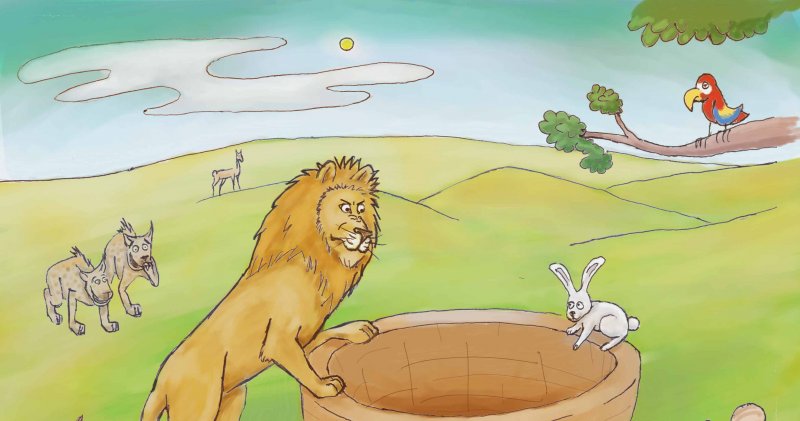
Narrating this story to Sañjīvaka, Damanaka said: ‘Thus a wise man remains steadfast when danger approaches. Now, this is what you must do. When Piṅgalaka rises...
There are many dimensions that research in classical Indian dance can explore and many paths it can choose to tread. This is, in fact, true from a global perspe...
“When devas are worshipped and satisfied, they give rain and good crops.” It is easy to misconstrue this statement. Will rains cease, or will crops die be...
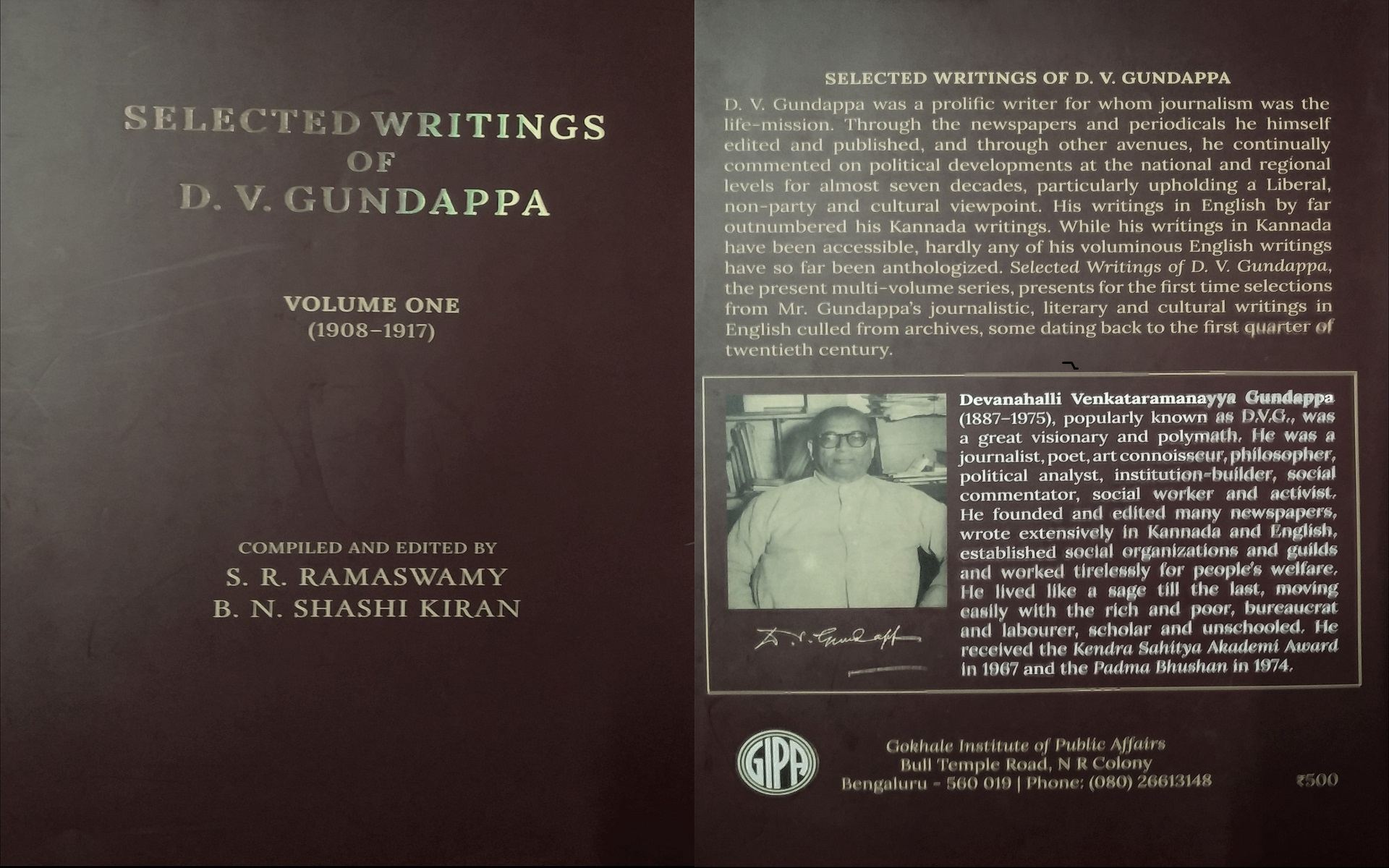
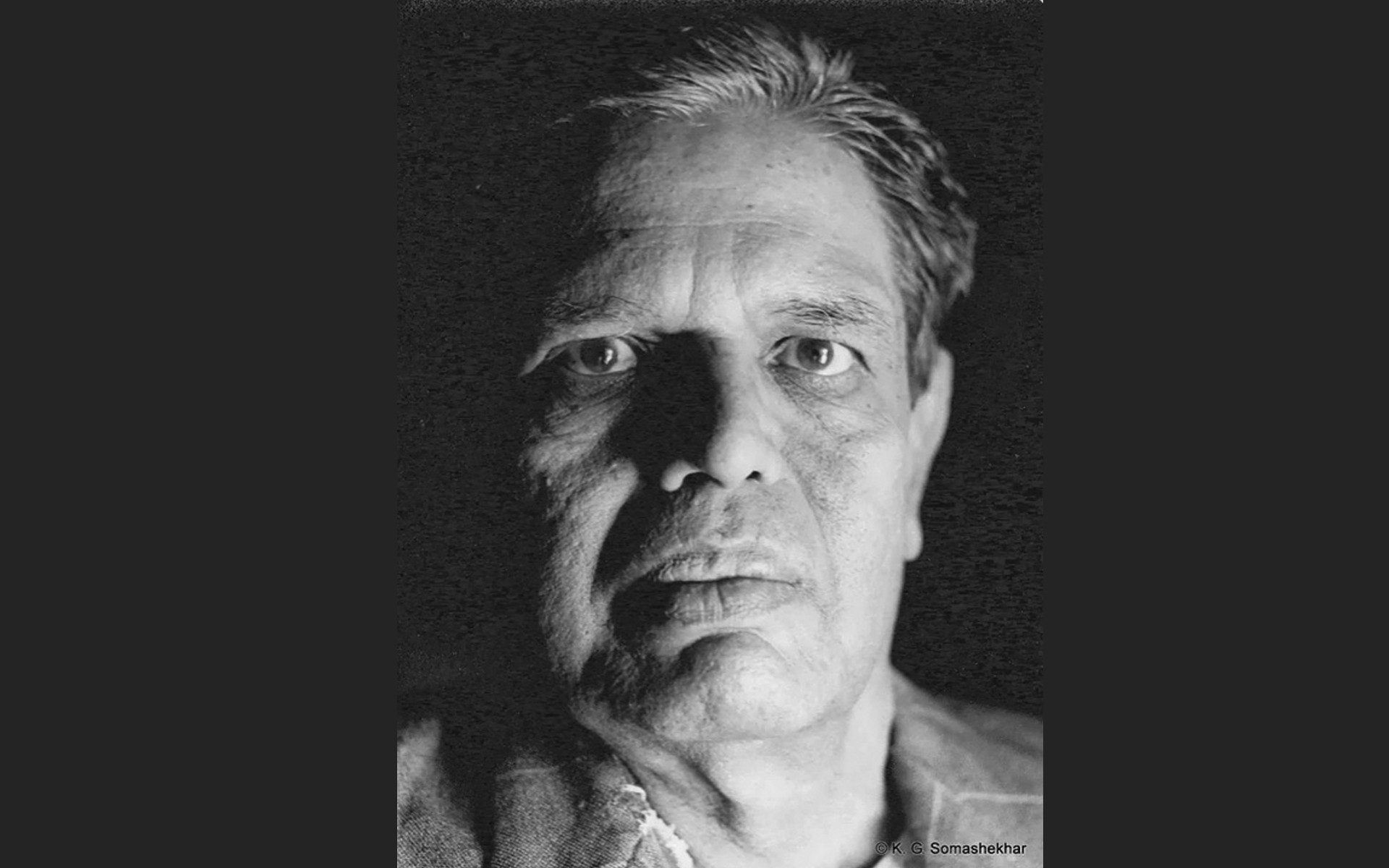
DVG never sought recognition. When the Jnanapith Award was first instituted, Maṅkutimmana Kagga, one of his major works, came before it for consideration. When...
The Story of Śūryavarmā There lived a royal servant called Śūryavarmā. Once, when he came home, found that his wife was in the company of his friend. He withhe...
Unmattaka is redirected to give the bowl to someone worthy. While this brings in the lofty principle of charity which says to give anything only to a worthy per...
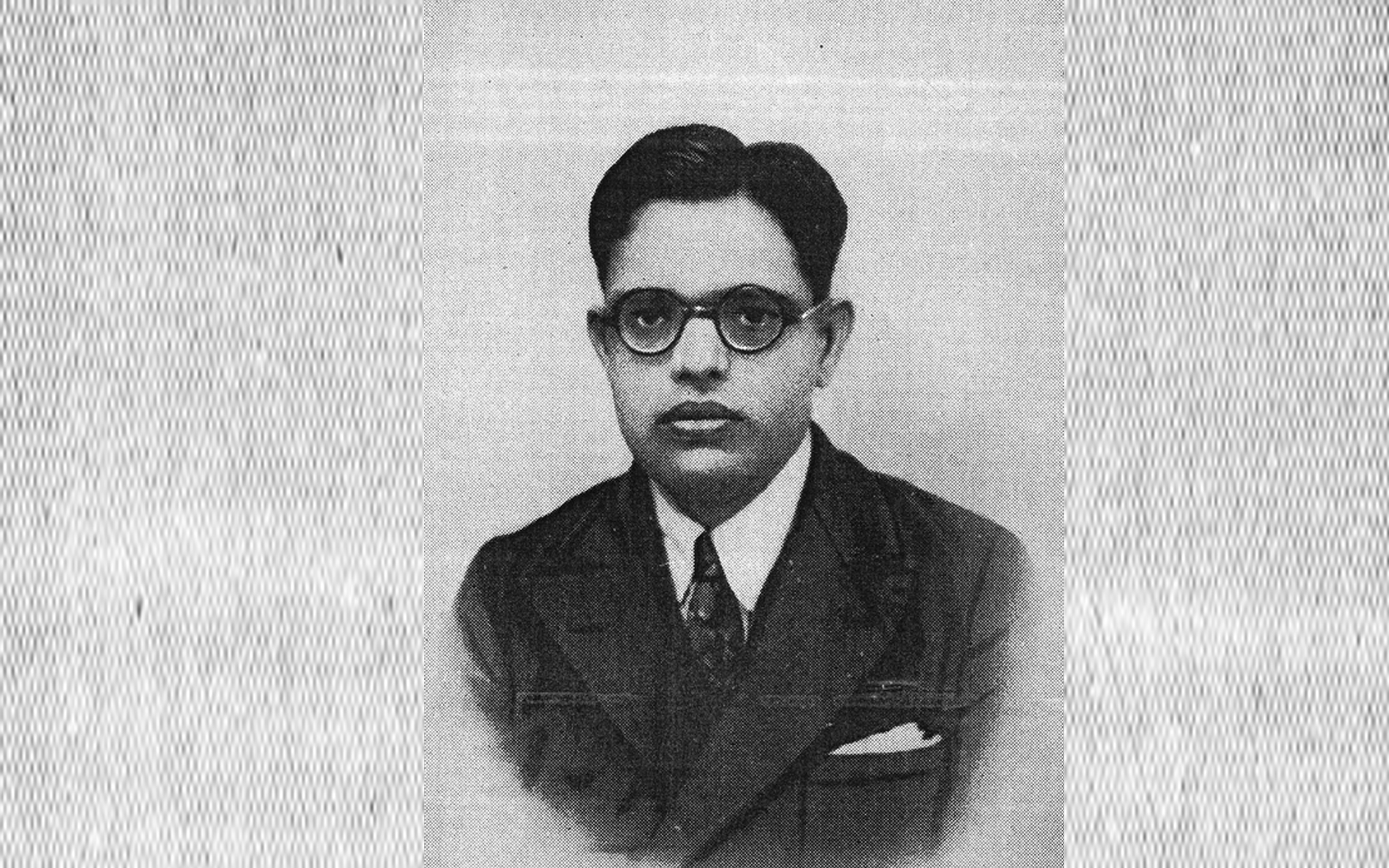
Sastri’s students recall that he never came late for a class nor did he ever leave early. He would start off by dictating notes, which were precise and dense. E...
In the next verse Vyāsa describes a defining trait of great poets. He intends this as a lodestar of sorts of his work: इतिहासप्रदीपेन मोहावरणघातिना। लोकगर...