The Essential Sanātana-dharma - Dharma
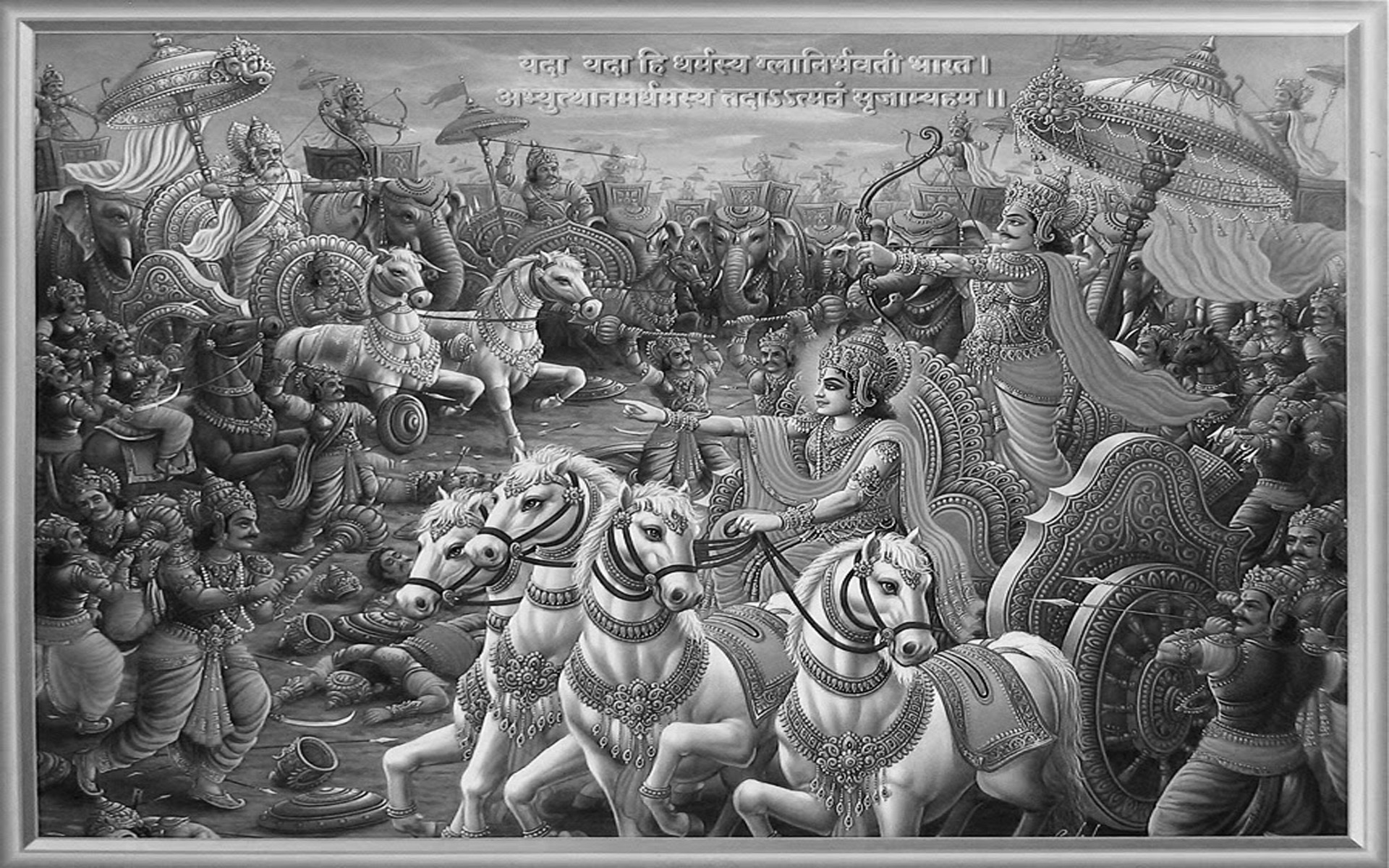
Dharma The world’s progress and sustenance depends on adherence to dharma. It is because of dharma that even a weak person can defeat a stronger person. In a w...
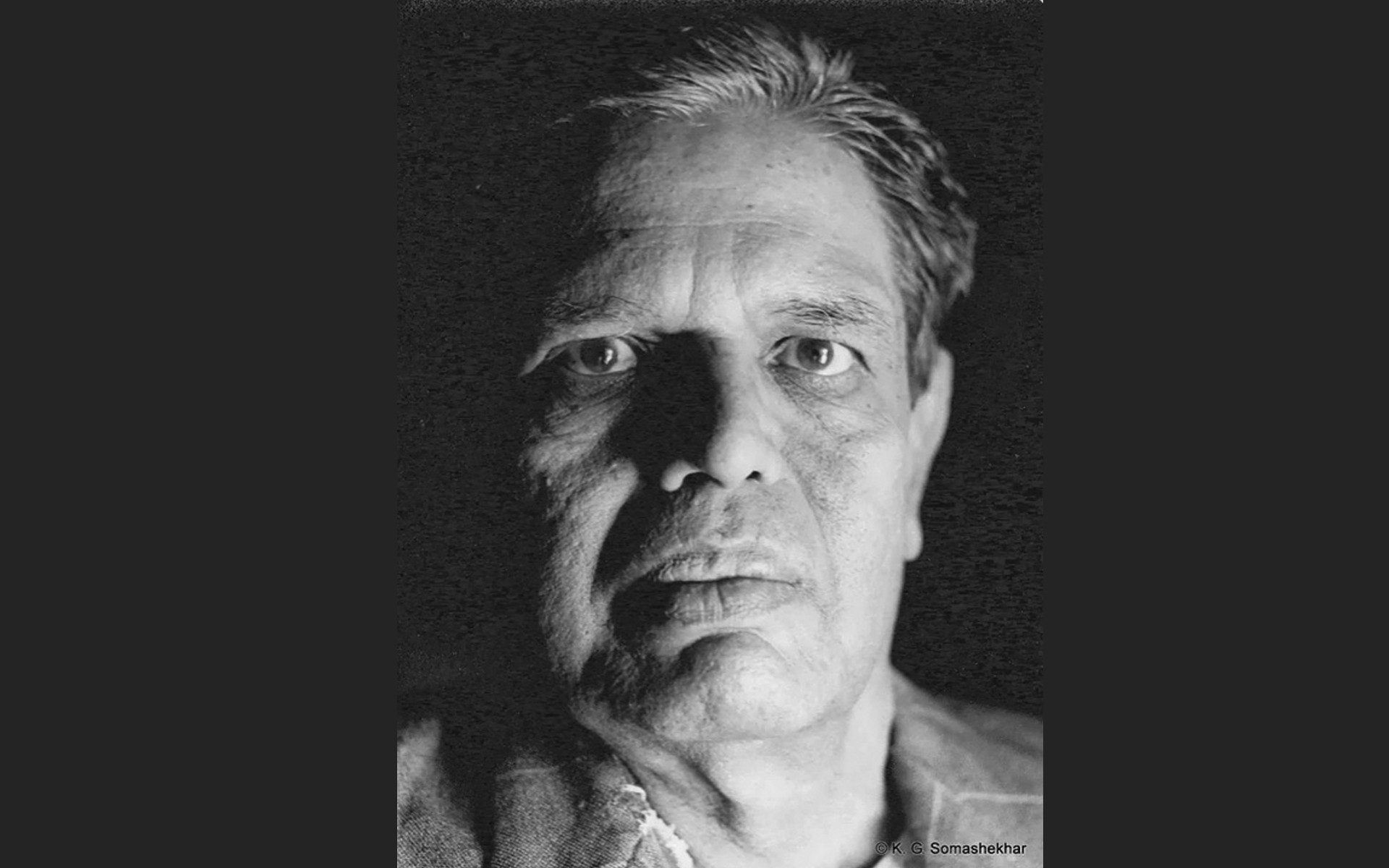
Hari is an author, translator, editor, designer, and violinist with a deep interest in philosophy, education pedagogy, literature, and films. He has (co-)written/translated and (co-)edited some forty books, mostly related to Indian culture.
Dharma The world’s progress and sustenance depends on adherence to dharma. It is because of dharma that even a weak person can defeat a stronger person. In a w...
Consciousness There’s an old joke of a student in a philosophy class who asks his teacher, “Professor, how do I know that I exist?” Pat comes the response, “An...
Hinduism, the universal way of life, is practised by more than one billion people the world over. Adherents of the Hindu faith comprise a sixth of the global po...
It is now a foregone conclusion that Ayodhyā was the birthplace of Śrī-rāma and a grand devālaya of Rāma adorned ‘the undefeated city’ until it was broken down...
The literature related to the Great Epic is legion – be it commentary, translation, adaptation, or literary criticism. We give but a tiny sample here—largely En...
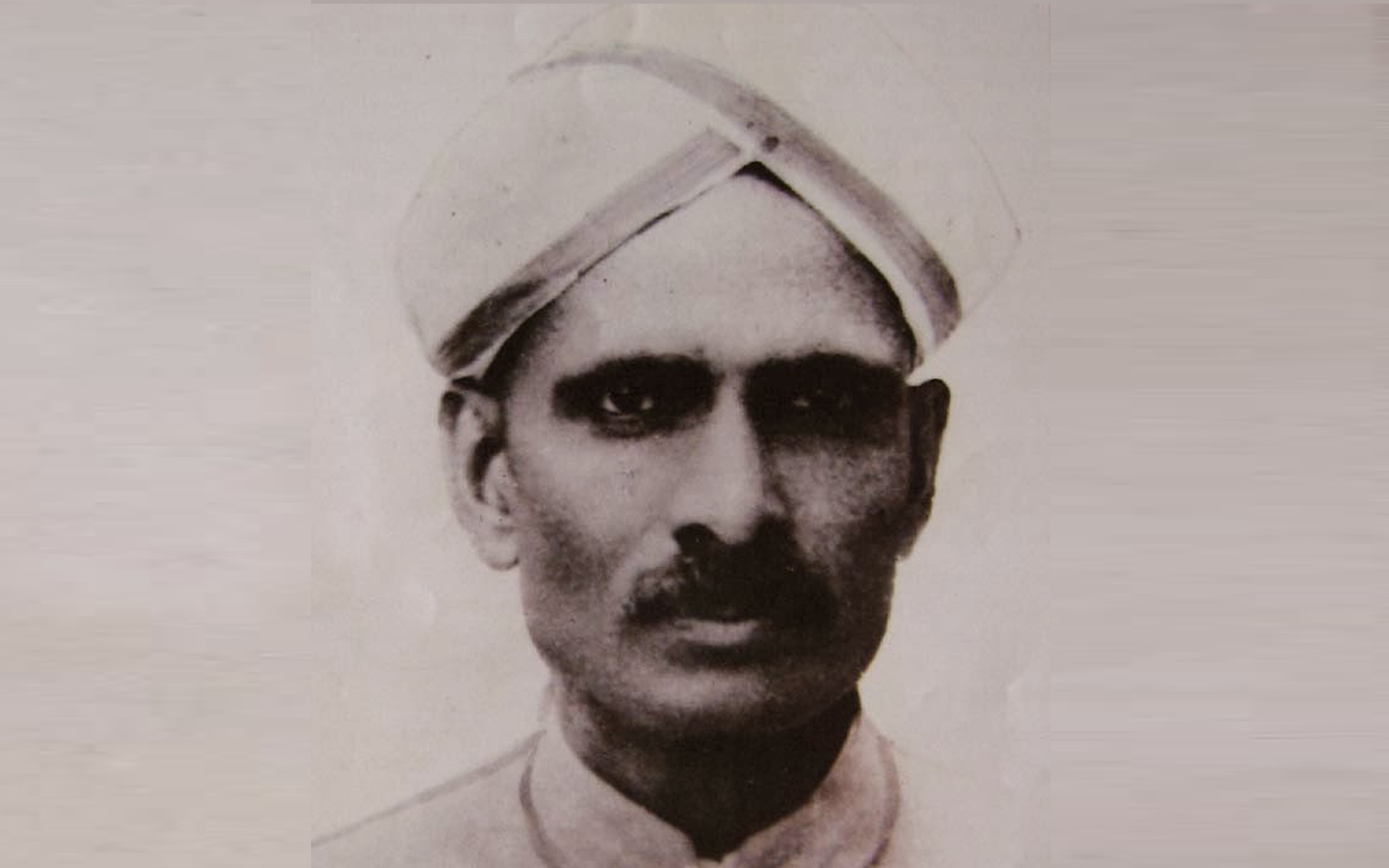
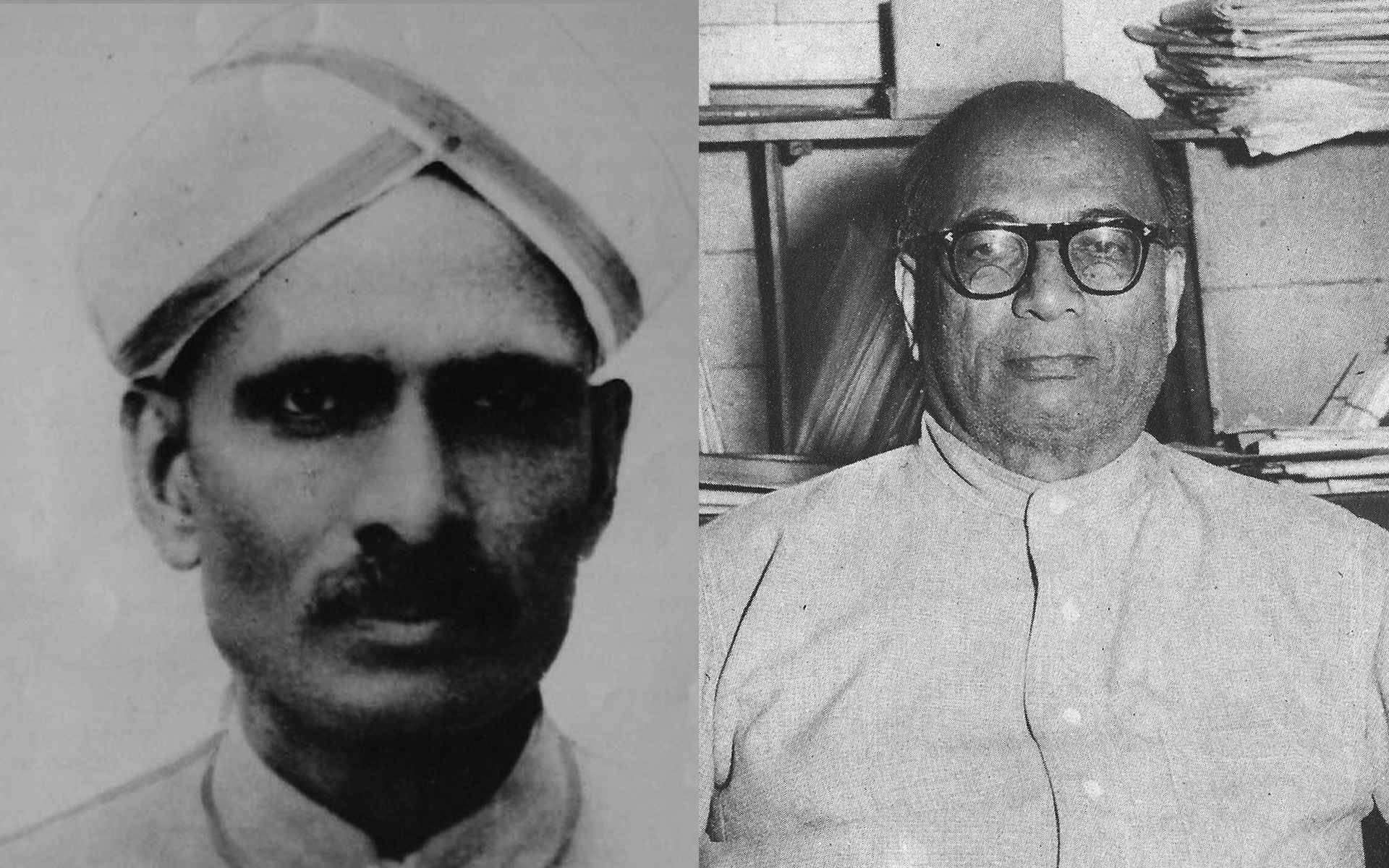
Just to illustrate with an example, let us take his paper titled, ‘A Note on the Date of Śaṃkara,’ which was published in The Quarterly Journal of the Mythic So...
During a conversation with S R Ramaswamy, he mentioned to me that in the 1940s, K M Munshi had asked Sastri to write about the Aryans in the first volume of The...
Here is an example of a critique written by Sastri and what is noteworthy is that instead of it becoming merely reactionary, it offers a wonderful commentary on...
In the early 1940, when the Western world was at the acme of its materialistic success, Sastri wrote these visionary words – “In the history of the world, it is...
Sastri’s students recall that he never came late for a class nor did he ever leave early. He would start off by dictating notes, which were precise and dense. E...
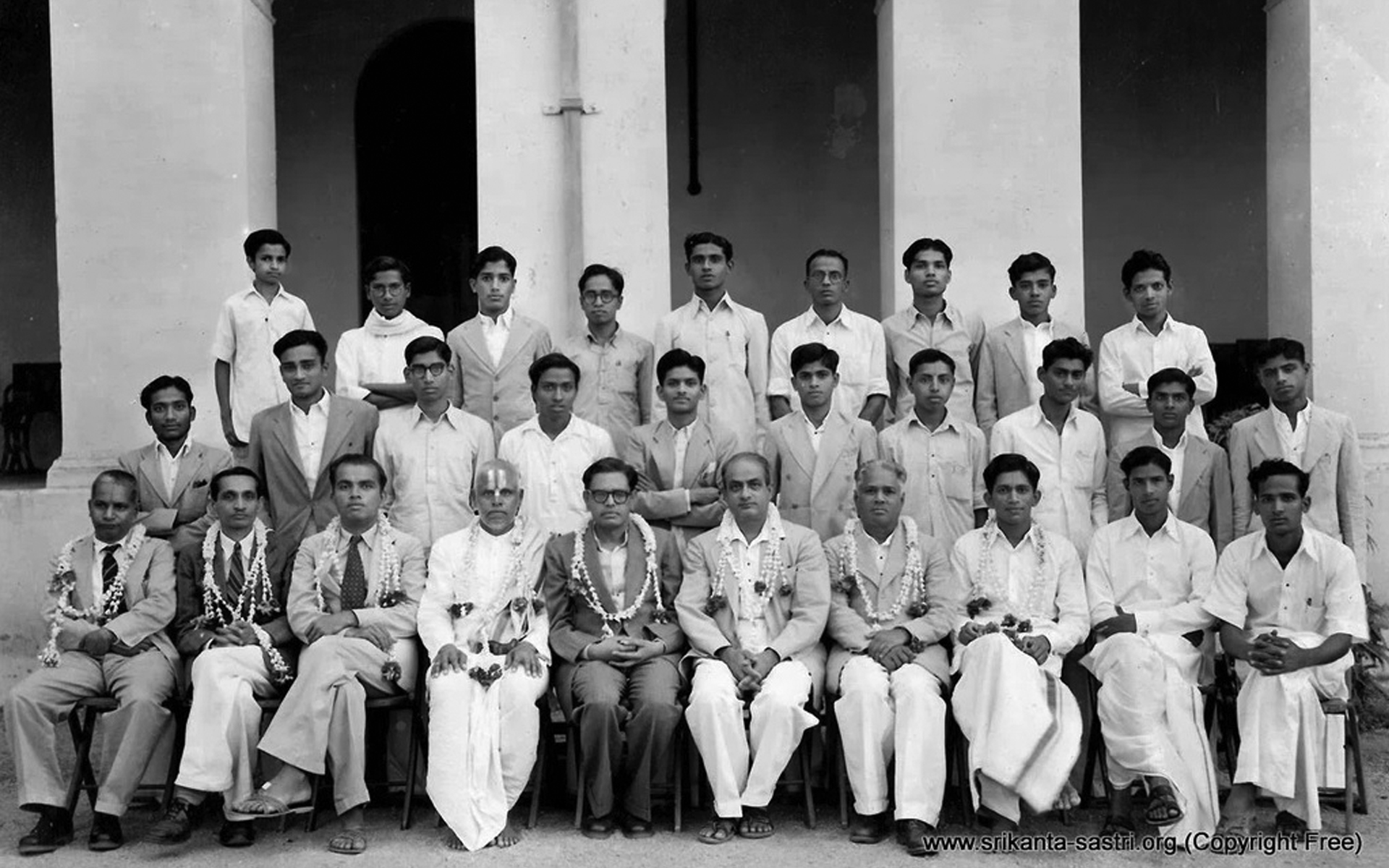
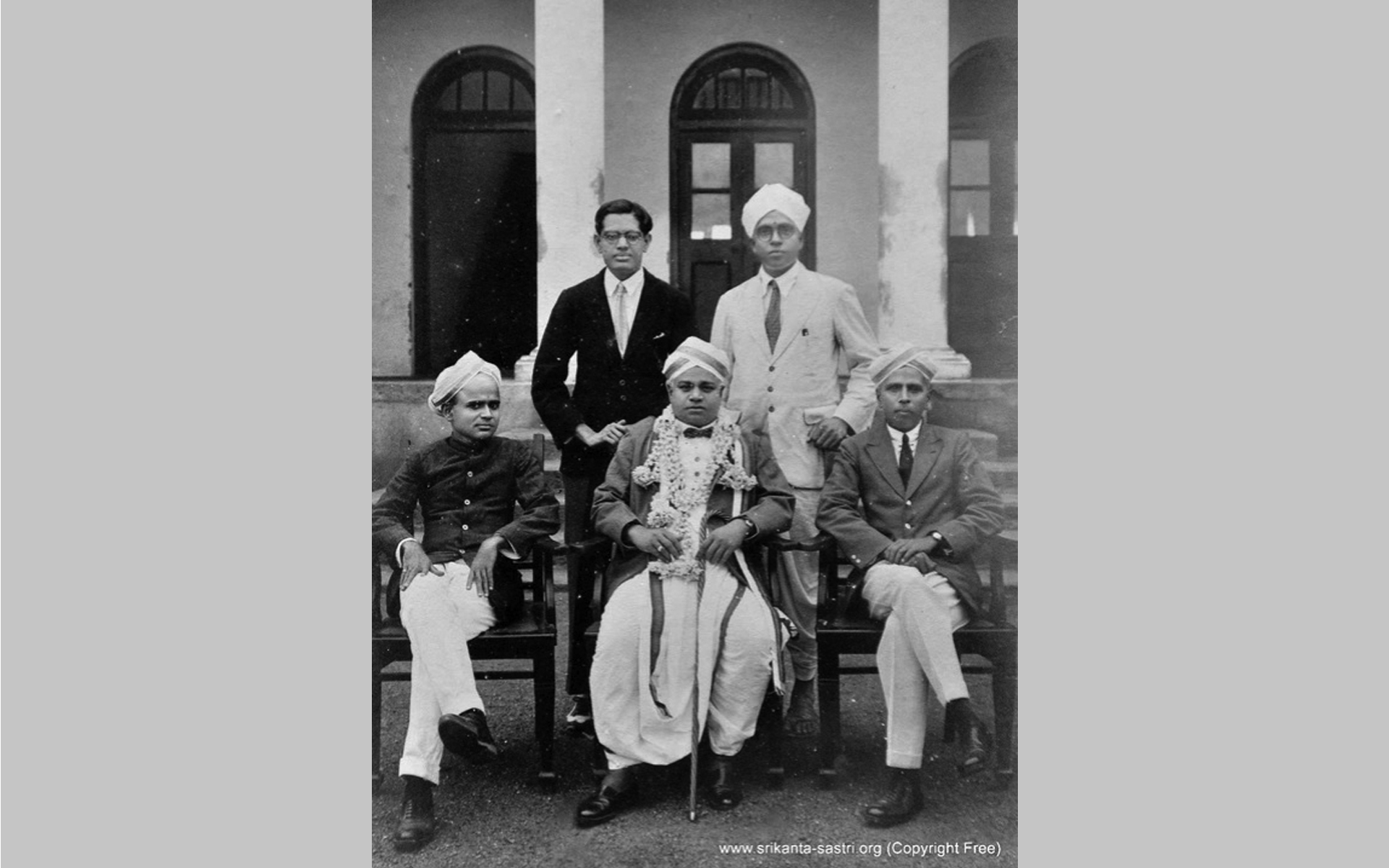
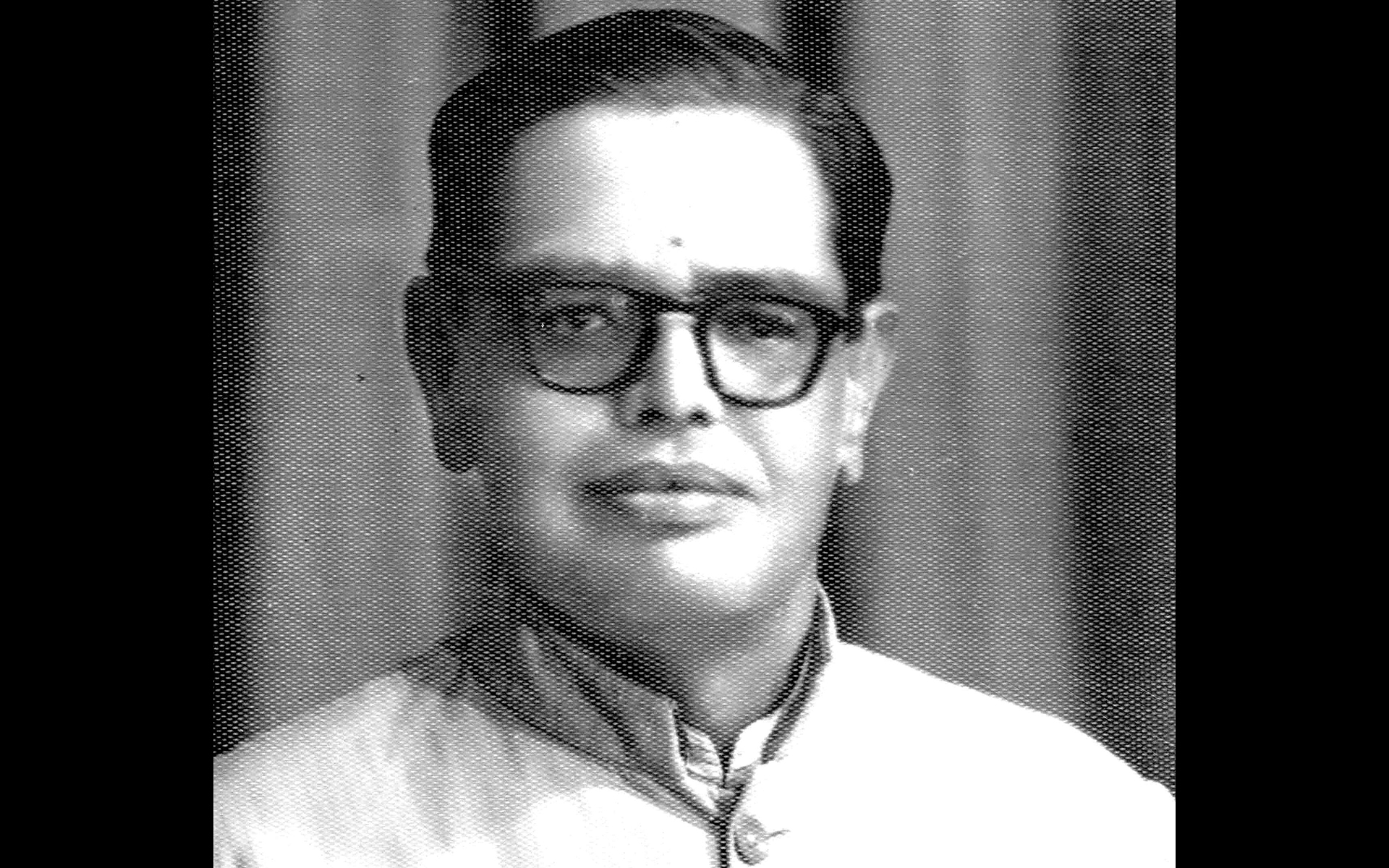
An apt epithet for Prof. Srikanta Sastri would be satyānveṣī – ‘the seeker of truth,’ for all through his life, he worked against all odds to get to the truth,...
অর্জুনকে শোক থেকে বিরত থাকার জন্য অনুরোধ করে কৃষ্ণ গীতার সূচনা করেন – “জীবিত বা মৃত, কারোর জন্য অশ্রুপাত করনা” (ভ. গী. ২.১১)। এবং তিনি গীতার পরিসমাপ্তিও করেন অর...
கல்வி மற்றும் நடத்தைக்கான விதிமுறை[1] வேதம் கற்பதன் குறிக்கோள் மந்திரங்களை மனப்பாடம் செய்வது மாத்திரம் அல்ல. பாடத்தின் பொருளையும் மாணவர்கள் அறிந்திருக்க வேண்டு...
சந்தியா[1] என்றால் அந்தி நேரம் என்றாலும் காலை, மாலை என இரு வேளைகளிலும் சந்தியா வந்தனம் செய்யப் படுகின்றது.[2] சூரியனைப் போற்றும் இச்சடங்கை நாம் ‘sandhyopāsana’...
গীতার ত্রয়োদশ অধ্যায়ে, কৃষ্ণ যেসব বিভিন্ন গুণাবলীর বর্ণনা দেন, সে সকলই প্রকৃত গুণের পরিচায়ক (ভ. গী. ১৩.৭-১১)। অমানিত্বমদম্ভিত্বং অহিংসা ক্ষান্তিরার্জবম্ | আচ...
பிரம்மசாரி தர்மம்-மாணவனுக்கான விதிமுறைகள்[1] பிரம்மசாரி அக்னியைச் சுற்றி வலம்வந்து ஆஹுதி அளித்ததும், "நீ ஒரு மாணவன். நீர் அருந்து. அமைதியைக் கடைபிடி. சமித்தை அ...
গীতায় কৃষ্ণ একজন “স্থিতপ্রজ্ঞ” ব্যক্তি হয়ে ওঠার বিষয়ে একটি গুরুত্বপূর্ণ ধারণার অবতারণা করেছেন, অর্থাৎ, একজন ব্যক্তি যিনি বিচার-বিবেচনাপূর্ণ এবং অবিচলিত বুদ্ধিমত...
தண்டம்-கோல்[1] ஆசாரியர் மாணவனுக்கு தண்டத்தை(கோலை) வழங்கும்போது, அவன், "எனது தண்டம் கீழே விழுந்துவிட்டது, அதனை நான் எனக்கு நீண்ட ஆயுள் கிட்ட வேண்டியும், பிரம்மச...
மேகலை அணிவித்தபின் அச்சிறுவனுக்கு பூணூல்(யக்ஞோபவீதம்) அணிவிக்கப்படுகிறது.[1] யக்ஞோபவீதம் என்பது பவித்திரமான பூணூல் என்று இப்போதை உள்ளதைப்போல அப்போதெல்லாம் ...
বাগ্মিতা, সততা, বুদ্ধিমত্তা, বৈদগ্ধ্য অথবা প্রত্যুতপন্নমতিত্ব – একজন প্রকৃত কূটনীতিজ্ঞের সকল গুণই কৃষ্ণের মধ্যে উপস্থিত ছিল। তাঁকে একজন মৃদুভাষী রূপে কল্পনা করা...
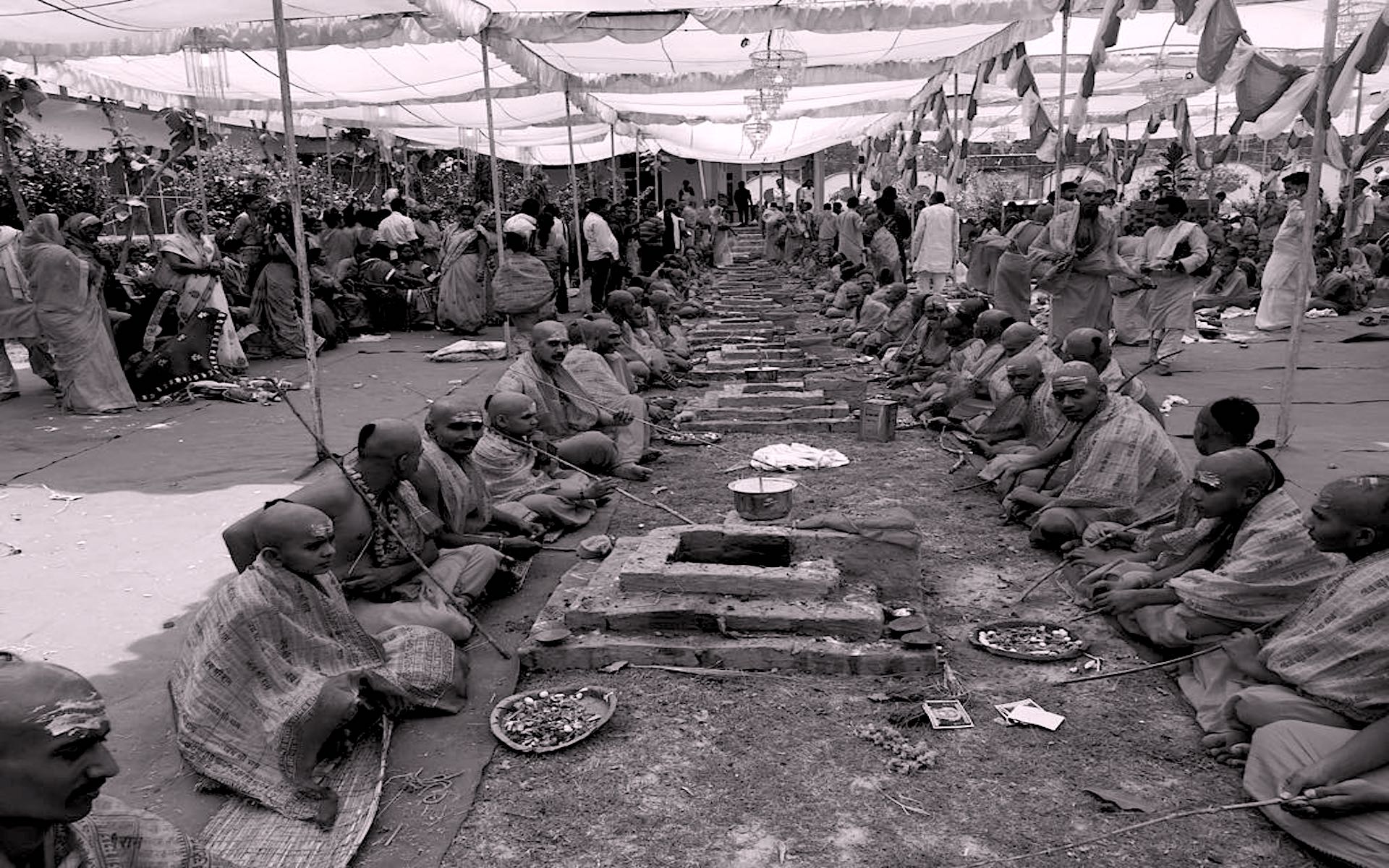
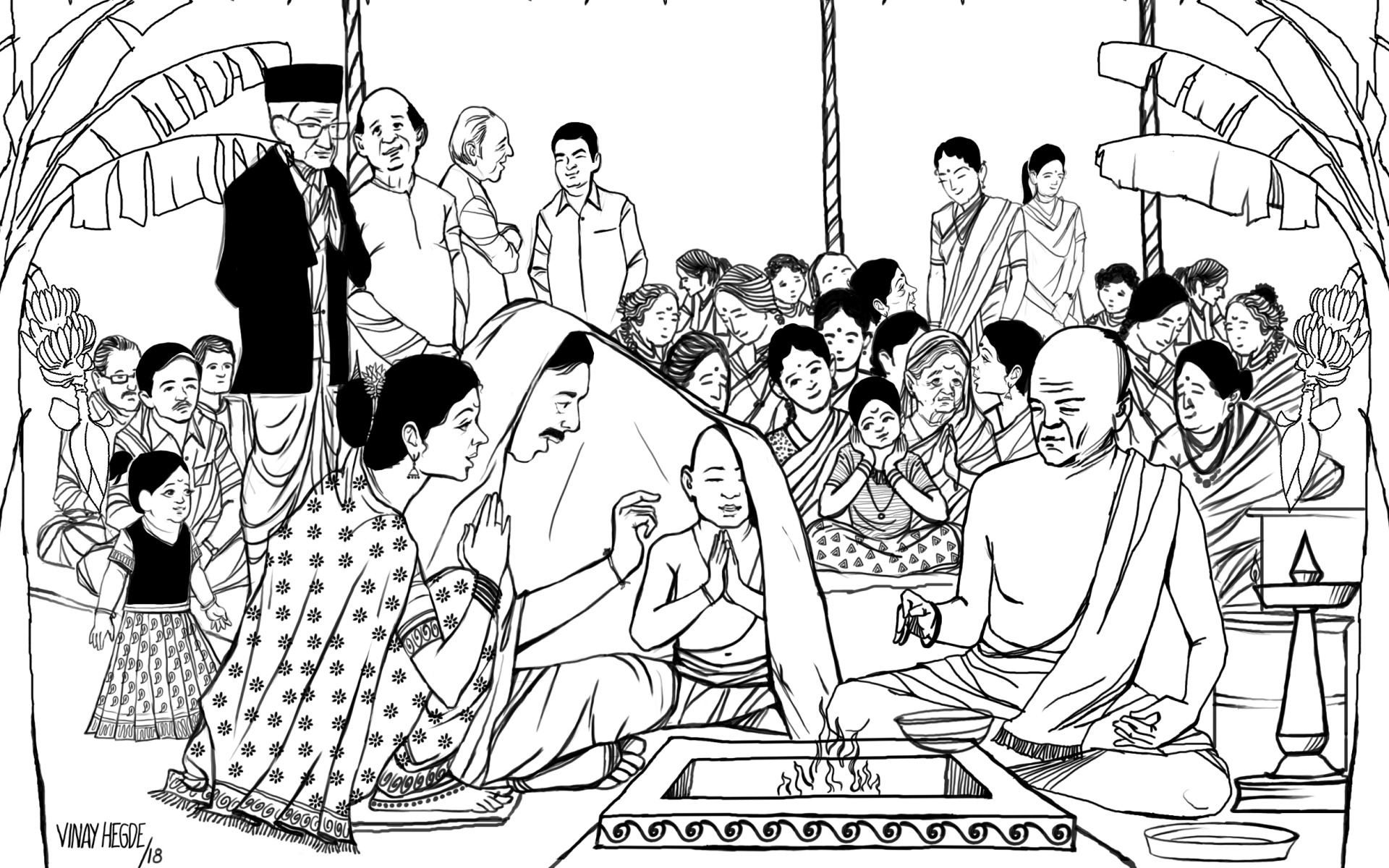
உபநயனத்திற்கான ஏற்பாடுகள்[1] உபநயனம் நடைபெற ஒரு śālā (விதானம், கூடாரம்) அமைக்கப்படுகிறது.[2] உபநயனத்துக்கு முன் புராண நிகழ்ச்சிகள் சில நடைபெறுகின்றன. விநாயகனை...
অগ্নিষোমীয় ব্যুহ হল সৃষ্টির কাঠামো, এক অনন্ত বিন্যাস। ভক্ষক-ভক্ষিতের সম্পর্ককে বেঁধে রাখার এক চিরন্তন প্রতিষ্ঠান। এই বিষয়টি উপনিষদ এবং যোগবাসিষ্ঠে আলোচিত হয়েছে।...
ஒரு பாலகனுக்கு உபநயனம் நடத்த தகுந்த வயது குறித்த கோட்பாடுகள் வித்தியாசப்படுவதைக் காண்கிறோம்(அந்த பாலகனை ‘vaṭu’ என்றழைக்கின்றனர்).[1] இதில் சுவாரசியமான விஷயம் என...
কৃষ্ণ যখন অনাসক্তি এবং তৃপ্তি নামক বৈশিষ্ট্যগুলির প্রশস্তি করেন, তখন তিনি কঠোর পরিশ্রমের উপরেও গুরুত্ব আরোপ করেন। স্ববিরোধী যৌক্তিকতার ঝুঁকি নিয়েও কৃষ্ণ গীতায় ব...
பிராம்மண, க்ஷத்ரிய, வைஷ்யர்களிலுள்ள ஆடவர்கள் மாத்திரமே வேதம் பயில தகுதி பெற்றவர்கள் என்று நம் மூதாதையர்கள் பலர் கருதி வந்தனர்.[1] உபநயனம் என்பது வேதம் கற்பதற்கா...
ভাগবত পুরাণে কৃষ্ণের প্রাসাদে কুচেলার আগমন নিয়ে একটি মর্মস্পর্শী অধ্যায় আছে। সান্দীপনীর গুরুকুলে কৃষ্ণ এবং কুচেলা সহপাঠী ছিলেন। যখন কৃষ্ণ রাজার ন্যায় জীবনযাপন ক...
அநேகமாக சூத்திர (Sūtra) காலத்தில்தான் உபநயனச் சடங்கு முழுதும் ஸ்தாபிக்கப்பட்டிருக்கக்கூடும்.[1] கிருஹ்ய சூத்திரங்களில் (gṛhya-sūtras) அச்சடங்கில் அரங்கேறும் பெர...
গীতায় কৃষ্ণকে প্রায়শই ভক্তি সম্বন্ধে কথা বলতে লক্ষ্য করা যায়। তিনি যতদূর বলেন - যে রূপে চাও সেই রূপে আন্তরিকভাবে ঈশ্বরের উপাসনা কর ; তোমার বিশ্বাসকে আমি শক্তিপ্...
ஸம்ஹிதைகளில் உபநயனம் கிருஹ்ய சூத்திரங்களில் குறிக்கப்படும் உபநயனத்துக்கான அம்சங்களை ரிக் வேத ஸம்ஹிதையிலேயே நம்மால் காண முடிகிறது.[1] பலி பீடமான யூப ஸ்தம்...
গীতার মূল উদ্দেশ্য ছিল অর্জুনকে যুদ্ধে সম্মত করিয়ে শত্রুনিধন। কৃষ্ণ তাঁর বাক্যে কোনরকম জড়তা না রেখে অর্জুনকে অগ্রসর হয়ে প্রতিপক্ষের সম্মুখীন হওয়ার কথা বলেন। অর্...
நமது பாரம்பரிய இலக்கியங்களான ஸ்ருதி (śruti), ஸ்மிருதி (smṛti) இவற்றைத் தெரிந்து கொள்வதற்குமுன்னும், ஒரு குறிப்பிட்ட நூலின் காலக்ரமம் மற்றும் வெவ்வேறு நூல்களுக்க...
‘உபநயனம்’ என்றால் ‘நெருங்கி இட்டுச் செல்லுதல்’ அல்லது ‘அருகில் அழைத்து வருதல்’ என்று பொருள். ‘ஞானத்தை நோக்கி இட்டுச் செல்லுதல்’ அல்லது ‘கற்பதற்காக ஆசாரியரிடத்தி...
গীতায় কৃষ্ণ শান্তিলাভ করার নিমিত্ত এক অশ্রুতপূর্ব সূত্র প্রদান করেন। তিনি বলেন যে, যখন কোনও ব্যক্তি কামনার ঊর্দ্ধে গিয়ে, আকাঙ্ক্ষা পরিত্যাগ ক’রে, অহং এবং অধিকার...
‘சமஸ்காரம்’ (‘saṃskāra’) என்கிற வார்த்தைக்கு இணையான பொருள் ஆங்கிலத்தில் ஒன்றுமில்லை; அதற்கு ‘மெருகேற்றும்,' ‘வளர்த்தல்,' ‘பூரணத்துவம்,’ ‘அலங்கரித்தல்,’ ‘நியமனம்...
কৃষ্ণের জীবনের প্রারম্ভে তেমন প্রাচুর্য না থাকার কারণেই সম্ভবত তিনি অনাড়ম্বর জীবনেই স্বাচ্ছন্দ্য বোধ করতেন। যদিও পরবর্তীকালের পণ্ডিতদের কল্পনায় কৃষ্ণের পরিহিত ব...
ஒவ்வொரு சமூகமும் அவர்கள் வாழும் அந்தந்த தேசகாலங்களுக்கு தகுங்தாற்போல வாழ்வின் முக்கியமான கட்டங்களை தேர்வு செய்து கொள்கின்றன. ஒருவரது வாழ்க்கைப் பயணம் என்பது அவர...
গোপালকদের মাঝে বেড়ে ওঠা কৃষ্ণ ছিলেন প্রকৃত অর্থেই একজন ভূমিপুত্র। শিশুকাল থেকেই যেন প্রকৃতির সাথে তাঁর আত্মিক যোগ। শৈশবেই তিনি প্রাকৃতিক পরিবেশকে শ্রদ্ধা করতে শ...
এমন কিছু মানুষ থাকেন যাঁদের বয়সের সাথে পূর্ণতা লাভ করার প্রয়োজন পড়েনা, জন্মের সাথে সাথেই যাঁরা সম্পূর্ণ, আত্মজ্ঞানে পরিপূর্ণ। আন্তর বিবর্তন ও মানসিক বৃদ্ধি তাঁদ...
நம் வாழ்வில் மாற்றமொன்றே மாறாதது. உடலளவில், உணர்ச்சிப் பெருக்கத்தில், மன ரீதியில், பிறரோடு உறவைப் பேணுவதில், சமூக அந்தஸ்தில் – இன்னும் வாழ்வின் பற்பல நிலைகளிலு...
আমাদের অনেকের কাছেই কৃষ্ণ হলেন হিন্দুধর্মাদর্শের প্রতীক। তাঁর প্রতিটি চিন্তাধারায়, বাণীতে ও কর্মে হিন্দুমতাদর্শ প্রতিফলিত হয়। তাই এতে এমন কিছু আশ্চর্য লাগেনা, য...
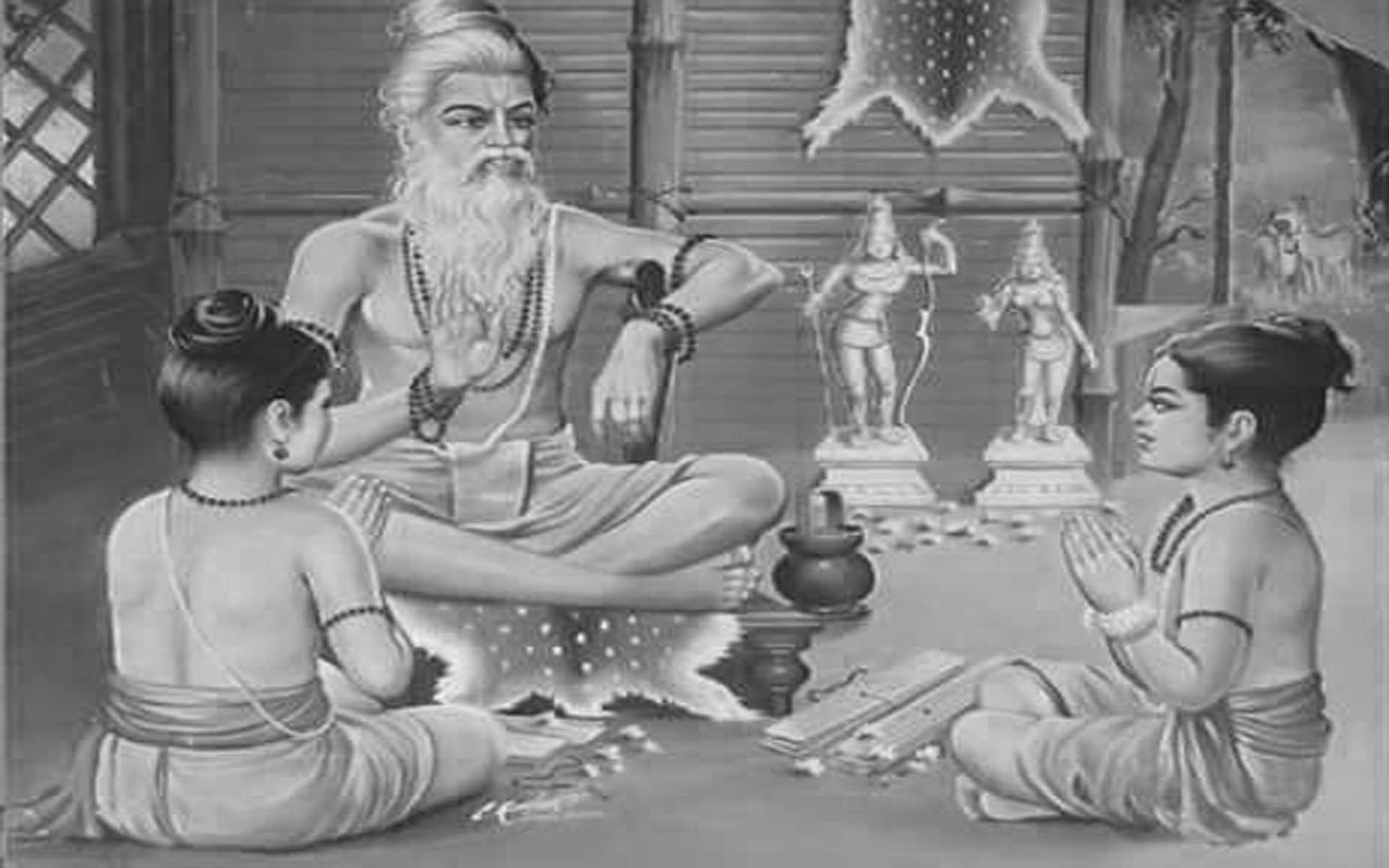
Education and Code of Conduct[1] The study of Veda did not merely consist in learning the mantras by heart. The students had to also understand the meaning. Ma...
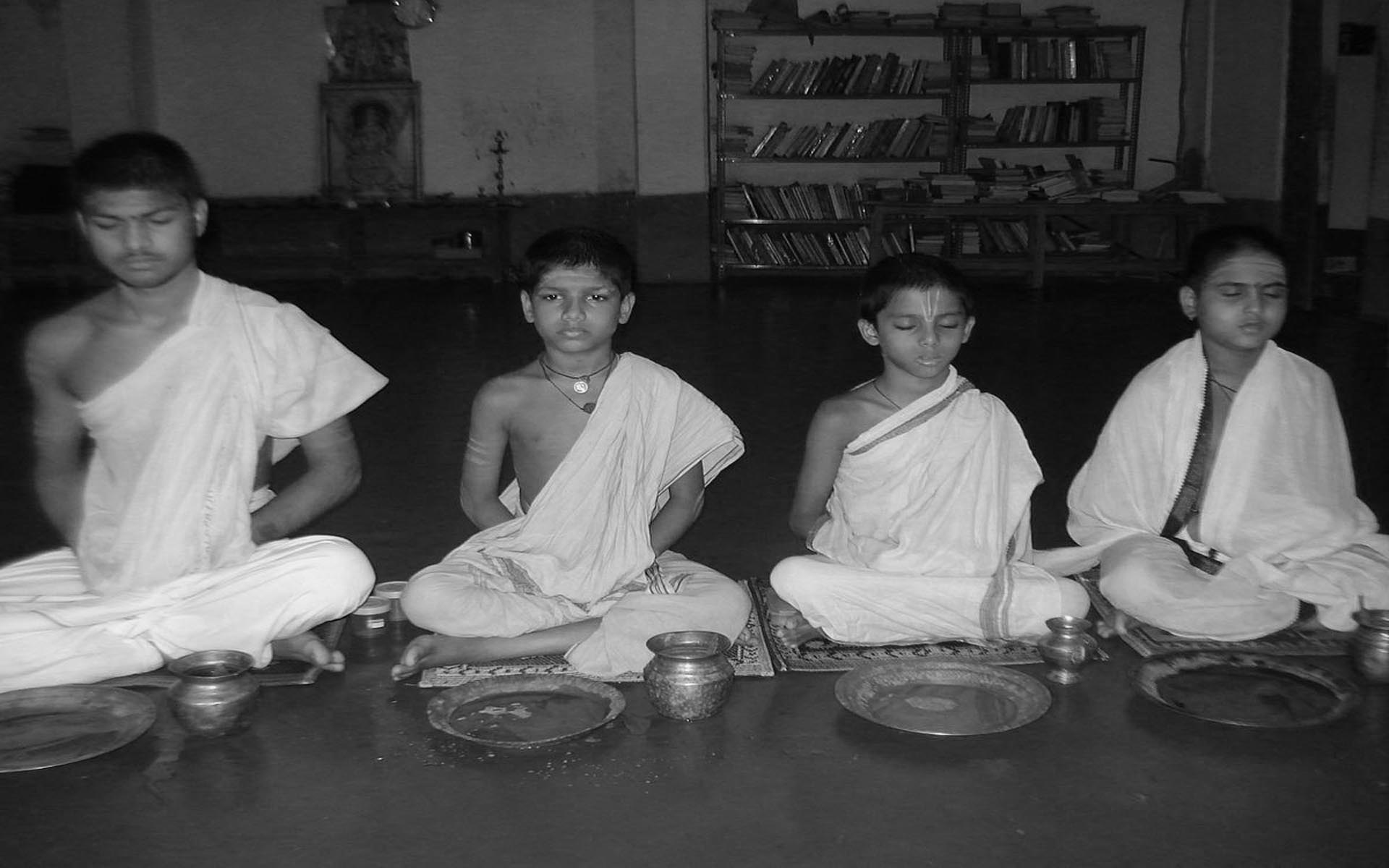
The daily worship of the sun is called Sandhyā.[1] The word ‘sandhyā’ literally means ‘twilight’ but also indicates the prayer performed during the morning and...
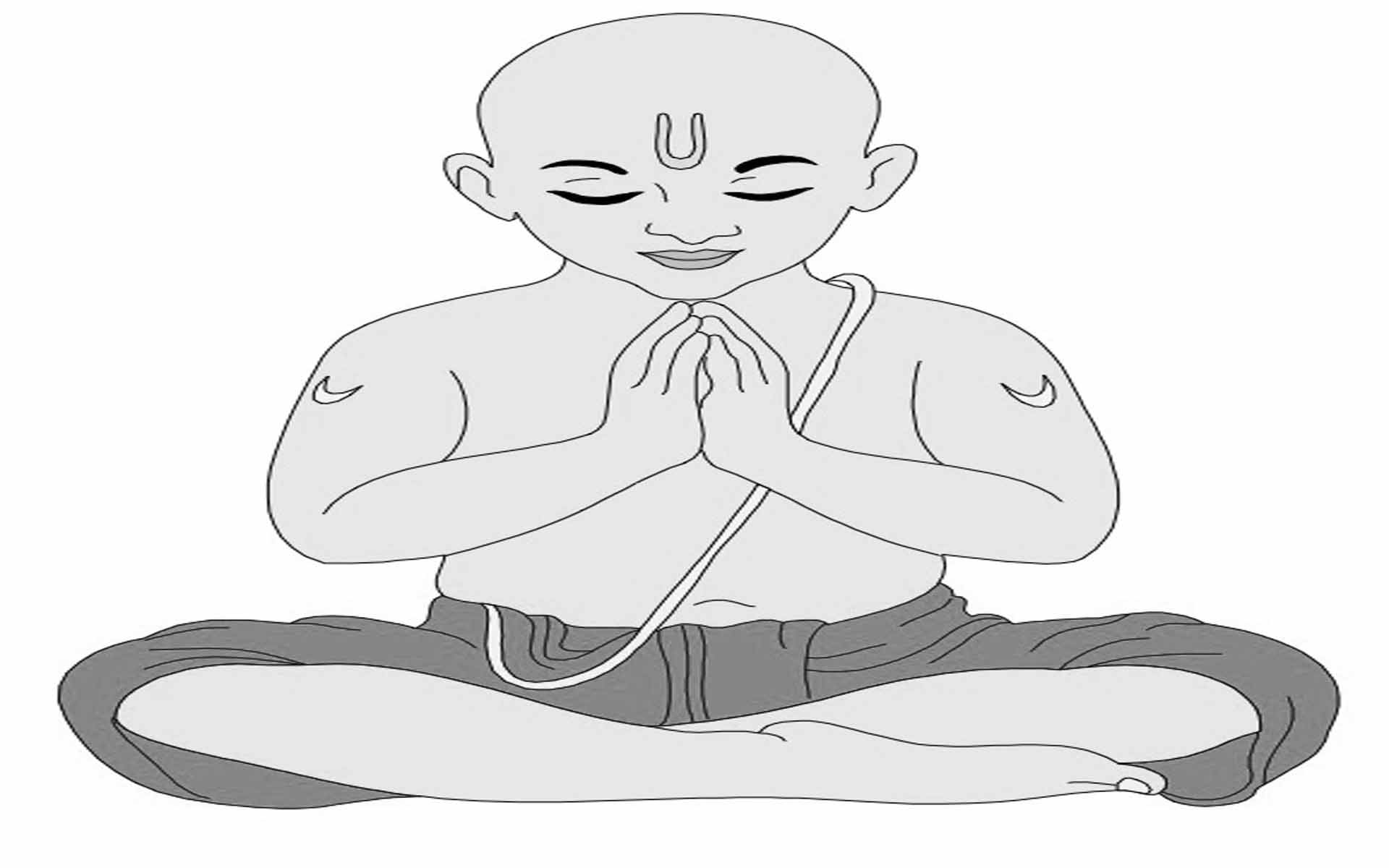
Brahmacāri-dharmāḥ – Rules and Regulations of Student-hood[1] After the brahmacārī goes around the fire altar and makes offerings into it, the ācārya holds him...
Daṇḍa – The Staff [1] The ācārya gave a daṇḍa (staff, stick) to the student, who accepted it by reciting the verse: “My daṇḍa fell down to the ground and...
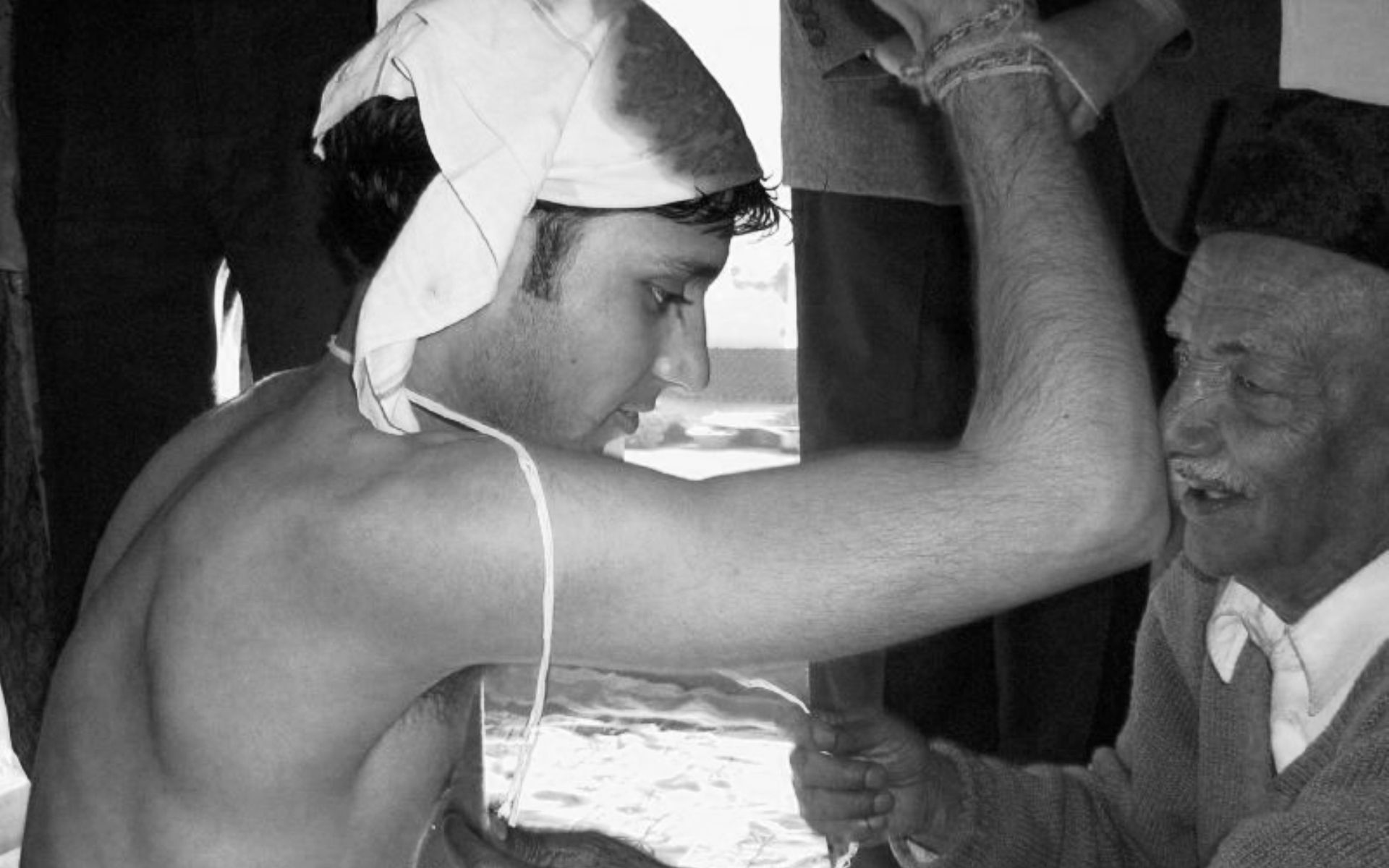
After tying the mekhalā, the boy was invested with the yajñopavīta (sacred thread).[1] While the yajñopavīta as a ‘sacred thread’ was largely unknown in ancient...
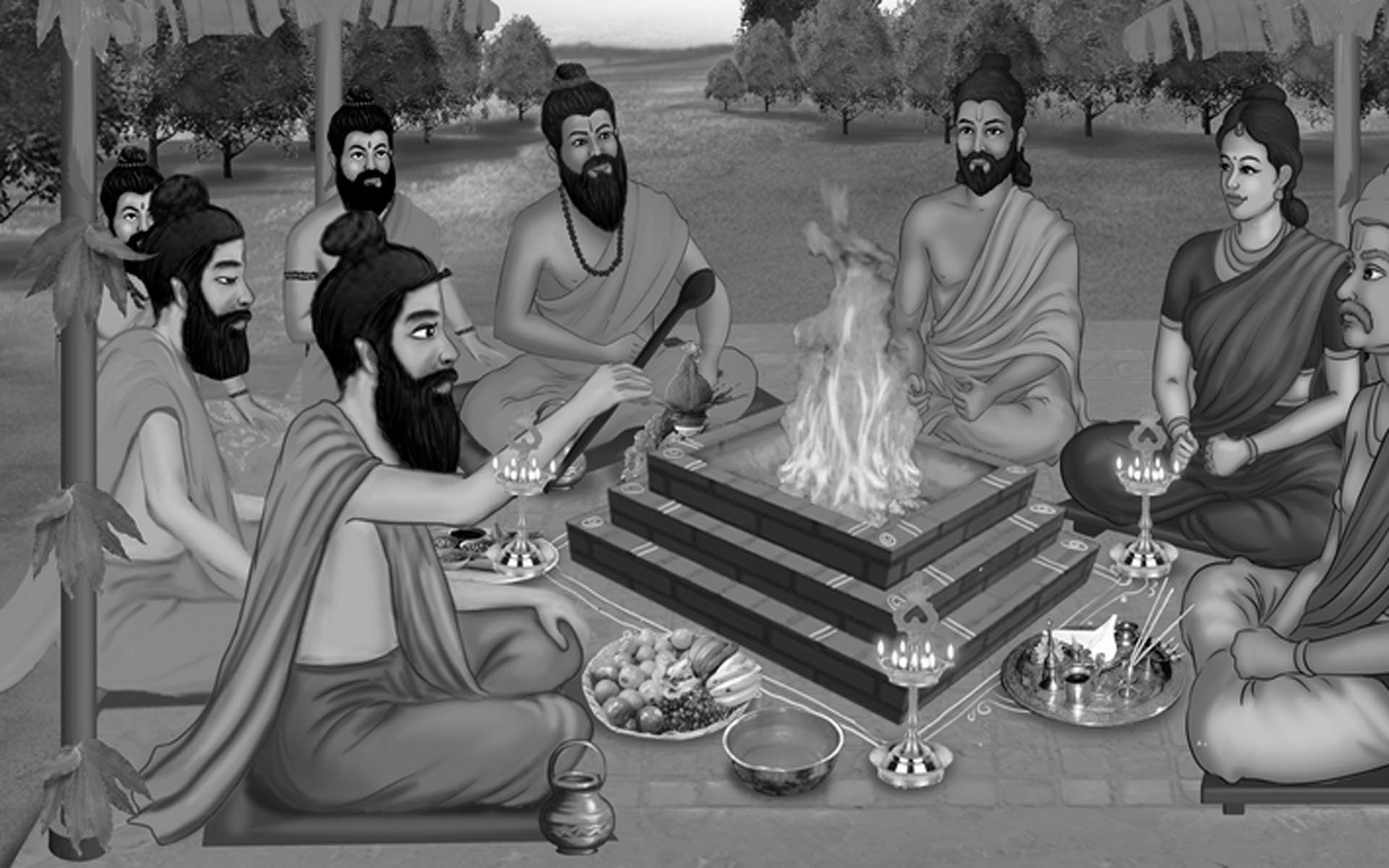
Preparations for the Upanayana[1] A śālā (canopy, pavilion) was built under which the saṃskāra would be conducted.[2] On the eve of the upanayana, Purāṇic per...
The Right Age for Conducting Upanayana[1] There are several varying rules and prescriptions about the age of the boy who is to undergo the upanayana (the boy i...
Most of our ancient thinkers were of the opinion that only the male members of the brāhmaṇa, kṣatriya, and vaiśya varṇas were eligible to study the Vedas.[1] An...
It was in the Sūtra period that the upanayana saṃskāra seems to have been fully established.[1] Most of the details of the ceremony are laid out in the gṛhya-sū...
Upanayana in the Saṃhitās Some of the characteristics of the upanayana described in the gṛhya-sūtras are seen in the Ṛgveda-saṃhitā itself.[1] The sacrificial...
Before we embark on a study of our traditional literature—what we call śruti and smṛti—with our modern conception of history, seeking the absolute chronology of...
The word ‘upanayana’ means ‘leading closer’ or ‘taking nearer.’ It could mean ‘leading closer to wisdom’ or ‘taking near the ācārya for the sake of learning.’[1...
The word ‘saṃskāra’ has no single-word equivalent in English; it has many meanings including ‘refinement,’ ‘cultivation,’ ‘perfection,’ ‘embellishment,’ ‘consec...
Every society will have its own view of what is a significant event in the life of a person living in that geographical region and in that period in time. What...
You and I are constantly changing. Throughout our lives, we change in many ways: at the level of the body, in the emotional sphere, in the mental realm, in our...
India’s greatest gift to the world is perhaps Vedānta, the science of reality, which can be hailed as the crown-jewel among the various treasures that our unbro...
ಸಾವಿರ ವರ್ಷಗಳಿಗೂ ಮೀರಿದ ಕನ್ನಡಸಾಹಿತ್ಯಚರಿತ್ರೆಯಲ್ಲಿ ಇಪ್ಪತ್ತನೆಯ ಶತಮಾನದ ನವೋದಯಸಾಹಿತ್ಯವನ್ನು ಕನ್ನಡಸಾಹಿತ್ಯಪುನರುಜ್ಜೀವನದ ಸುವರ್ಣಯುಗವೆಂದು ಹೇಳಬಹುದು. ಈ ಕಾಲದ ಅನೇಕಕವಿಗಳು ಹಾಗೂ ಲೇಖಕ...
This is part two of the paper presented at the international conference New Frontiers in Sanskrit and Indic Knowledge in June 2017 organized by the Chinmaya Int...
This paper by Shashi Kiran B N and Hari Ravikumar was presented at the international conference New Frontiers in Sanskrit and Indic Knowledge in June 2017 organ...
There is a beautiful poem ascribed to Vedānta-deśika (born Veṅkaṭanātha) that deals with the topic of vairāgya (detachment from worldly indulgences). क्षोणी-को...
In its history of more than a thousand years, Kannada literature’s most recent golden age came in the 20th century with the advent of the Navodaya movement, whi...
Among the various methods of reasoning in Vedanta, the neti neti krama is an important one. It helps delineate the nature of the Self by pointing out what it is...
For a moment, just visualize the kind of public debates that happen today – on television, in the newspapers, and in person. In the light of these images floati...
This is a short glossary of some of the technical terms often seen in Hindu literature. A glossary such as this becomes inevitable on most occasions since many...
The foundational works of Hinduism have, for centuries, been transmitted by means of an oral tradition – teachers taught their disciples, who committed every wo...
This is the second part of the article, Sanatana Dharma from Scratch by Shatavadhani Dr. R Ganesh, discussing about several fundamental aspects of Hinduism. Rta...
In its original and purest form, Hinduism is a sanatana dharma, loosely translated as ‘eternal truth’ or ‘timeless religion’ or ‘eternal way of life’ or ‘timele...
Hinduism is the major religion of India with a worldwide following of over a billion people. In its original and purest form, it is a sanatana dharma (loosely t...
The fourth part of this translation comprises the verses that are not found in the critical edition but are in the Chitrashala edition. Most of them are as eleg...
This is the third part of the translation of the Yakshaprashna. With this, all the verses in the critical edition have been translated. In the fourth and conclu...
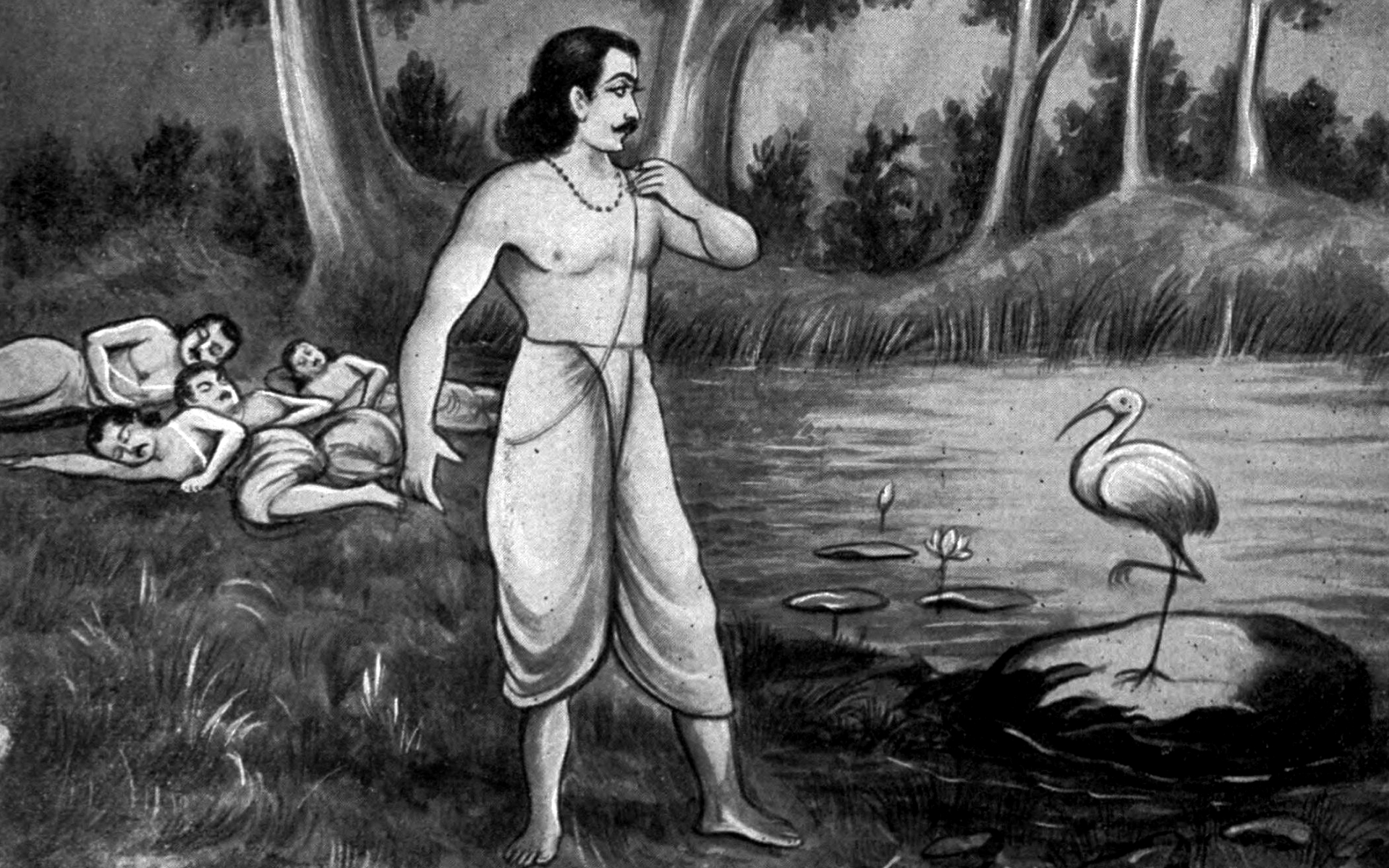
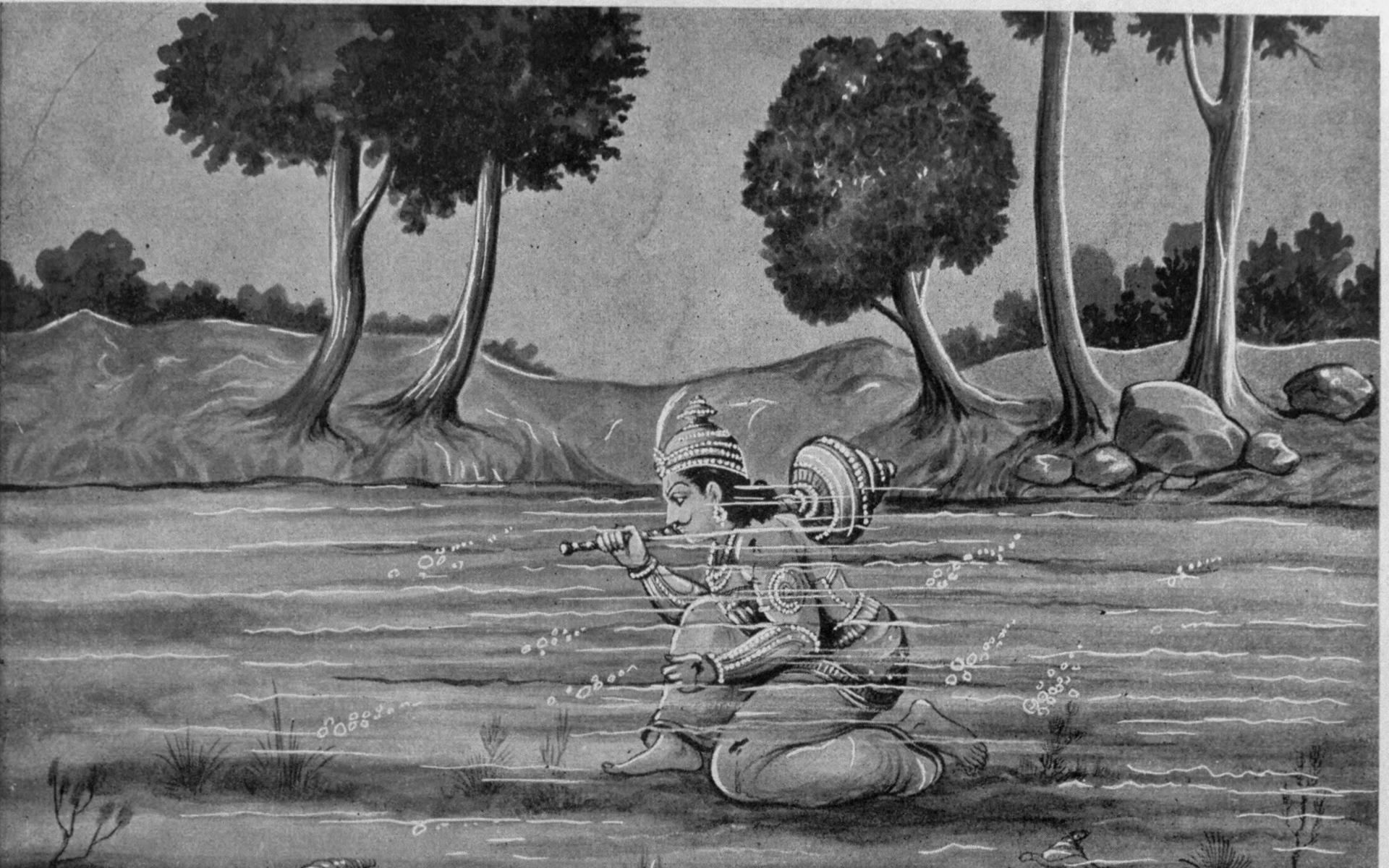
This is the second part of the translation of the Yakshaprashna, a conversation between Yudhishtira and Yama on the banks of the enchanted lake. Chapter 297 Ver...
One of the most fascinating tales in the Mahabharata is the dialogue between Yudhishtira and Yama on the banks of the enchanted pool. This episode is popularly...
There is much discussion, debate, and even controversy about yoga these days. But what is yoga? First of all, it is far more nuanced than the typical image of a...
Hinduism is one of the major world religions with a following of over a billion people spread across all over the globe but largely concentrated in India. Some...
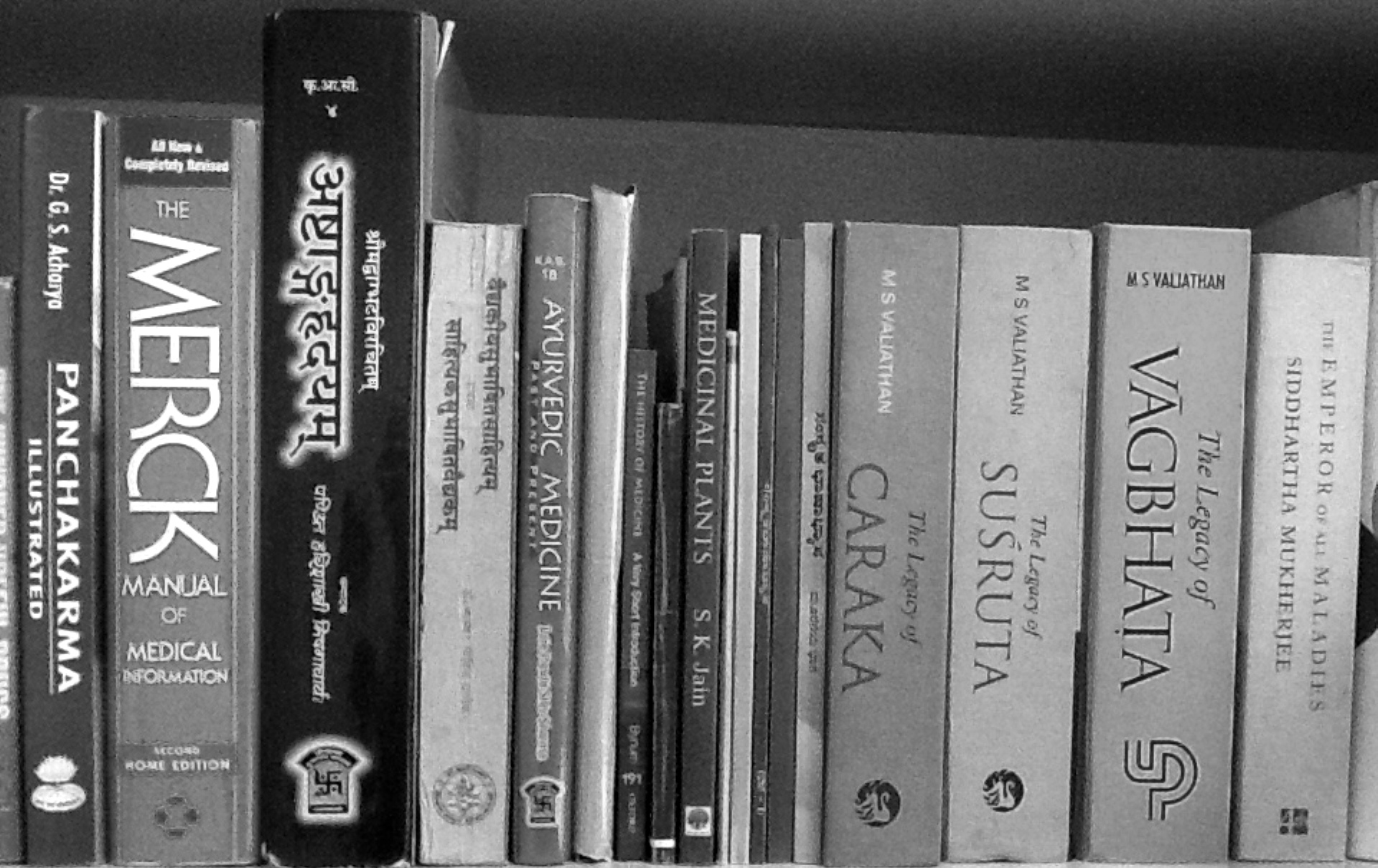
The books on Ayurveda and related topics can be largely divided into five categories based on the level of the reader – for the lay person, for the student of A...
Kosambi finally gives his homemade add-salt-to-taste philosophy of how we should view ancient texts: “Modern life is founded upon science and freedom. That is,...
In one of my earlier articles – Happiness, Flow, and the Upanishads – I had discussed the meaning of happiness and how the concept of ‘flow’ closely aligns with...
The Western tradition uses the word ‘philosophy’ (love of wisdom) to denote the study of the fundamental nature of reality. In the Indian tradition, we use the...
“Who am I?” This question has haunted thinkers and philosophers from the earliest times. It is the question that drove the sixteen-year-old Venkataraman to even...
Kosambi launches into a polemic against Krishna, considering him as a real person, forgetting that he himself had cast doubts on the existence of Krishna in the...
Bhaja Govindam is a popular poem attributed to the scholar-saint Adi Shankara, one of the foremost advocates of the Advaita Vedanta School of philosophy. A shor...
Through the ages, in the writings of great thinkers and social commentators, we find a certain weakness for nostalgia. We often find passages that bemoan the fa...
अभिमानदम्भादिकं त्याज्यम् । ६४ 64. Abandon pride, hypocrisy, etc. तदर्पिताखिलाचारः सन् कामक्रोधाभिमानादिकं तस्मिन्नेव करणीयम् । ६५ 65. Having offered all activi...
After casting aspersions on the authenticity of the Great War, Kosambi goes on to examine the ethics of the Gita as if the war happened exactly as narrated by t...
दुस्सङ्गः सर्वथैव त्याज्यः । ४३ 43. Always avoid bad company. कामक्रोधमोहस्मृतिभ्रंशबुद्धिनाशकारणत्वात् । ४४ 44. It (evil company) is the cause for lust, anger,...
A popular prayer from the Upanishads implores a movement from lies to truth, from darkness to brightness, and from death to eternal life (Brihadaranyaka Upanish...
In the second part of this series, we take a look at the next twenty-one sutras of Narada on bhakti (verses 22 to 42). तत्रापि न माहात्म्यज्ञानविस्मृत्यपवादः ।...
The divine sage Narada is credited with the composition of eighty-four sutras (aphorisms) on bhakti (devotion). In this four-part series, I provide simple Engli...
Kosambi hurls an accusation at Krishna for being the creator of the system of varnas – “Not only that, the god himself had created such differences (G.4.13): “T...
The Indian Councils Act of 1909 (popularly known as the Morley-Minto reforms) gave the Muslims of India a separate electorate. This was a strategy of the Britis...
As a remarkable patriot, thinker, and visionary, Sri Aurobindo’s contributions to India are priceless. Unlike other patriots and leaders of his generation, it w...
In their years of exile, the Pandavas lived in the picturesque Dvaitavana abounding in beautiful trees and delicious fruits. One day, a deer carried away – betw...
In the Vana Parva (Book 3) of the Mahabharata, during the course of Yudhistira’s discussion with sage Markandeya, the latter narrates the story of Kaushika and...
An informative piece listing and describing the five lessons that the life and deeds of Hanuman can teach us.
We have long had a fascination for the final answer, the Holy Grail, the Grand Unified Theory, the ultimate solution, and the quintessential element. Douglas Ad...
Krishna starts off the Gita by asking Arjuna not to grieve – “Don’t cry for either the living or the dead” (BG 2.11). And he ends his message by asking Arj...
Vijayadashami – the victory on the tenth day – is when Rama killed Ravana. While the victory of Rama over Ravana was a great one, greater still are the several...
Kosambi accuses the Bhagavad-Gita of being a perverse tool used by brahmanas to justify their actions: “The main conclusion is surely the following: Practically...
We can evade taxes but can we do about death? Many of us have seen death from close quarters in our lives and those who have not, are most definitely aware of t...
An essay on the status and the freedoms that women enjoyed in ancient India tracing the history from the earliest Rg Vedic age.
In chapter 13 of the Gita (verses 7 to 11) Krishna gives the various parameters that constitute true knowledge: अमानित्वमदम्भित्वं अहिंसा क्षान्ति...
If you ask a Hindu what it means to be one, or what Hinduism is, you will get many answers. Some will say it is a way of life and not a religion. Some will say...
An essay drawing parallels between how a detective searches for the truth and the process of reasoning in Philosophy.
An important concept that Krishna speaks about in the Gita is that of being a स्थितप्रज्ञ – a balanced person with steady intellect. He says, “One who...
What is happiness? It’s hard to define but we all know what it is. We have all experienced it. In fact, we experience it every day – when we eat our food, when...
Chakravarti Rajagopalachari (1878-1972), popularly known as ‘Rajaji’ or ‘CR’ was a renowned advocate, statesman, writer, freedom fighter, journalist, and politi...
Krishna had the qualities of a good statesman – be it eloquence, integrity, intelligence, wit, or the ability to take quick decisions. One can imagine he w...
Which is the oldest religion in the world? Nobody knows. Ask the foremost historian or the greatest saint but they will not have an answer. We know so little ab...
The agnishomiya vyuha – the Agni-Soma formation – is the cosmic structure, the eternal arrangement. It is the eternal establishment that binds the consumer and...
Subhashitas (su = good, bhashita = spoken) are self-contained verses that are witty, romantic, wise, puzzling, devotional, sarcastic, or didactic. While many of...
Do you love your spouse? Do you love your child? Do you love your parents? Do you love your wealth? Do you love wisdom? Do you love power? Do you love god? Most...
While Krishna praises the trait of detachment and contentment, he emphasizes the need for hard work. At the risk of sounding paradoxical, he says in the Gi...
An essay describing how the Hindu tradition has always stood for openness contrasted with Abrahamic faiths.
Why it is futile to judge people by their habits but rewarding to look at their intrinsic worth and contributions.
Often I come across people who say things like: “I’m not religious but I’m spiritual,” “I like the philosophy of Hinduism but I don’t know why we have all these...
In the Bhagavata Purana, there is the moving episode of Kuchela’s visit to Krishna’s palace. Kuchela and Krishna were classmates in the gurukula of Sandipani. K...
Kosambi says that the Bhagavad-Gita verses 2.55-72 would not have been possible without the influence of Buddhism (M&R, p. 20). There are three reasons why...
Krishna speaks about bhakti so often in the Gita. He goes as far as to say – sincerely worship the supreme in any form you like; I will strengthen that fai...
Kosambi goes on to question the veracity of the Mahabharata’s claim on the numbers: “If a Mahabharata war had actually been fought on the scale reported, nearly...
Sukanta Bhattacharya (1926-1947) is counted as one of the great Bengali poets along with Rabindranath Tagore, Jibanananda Das, and Kazi Nazrul. For someone who...
The basic idea of the Gita was to convince Arjuna to fight the war and kill his enemies. Krishna tells Arjuna without mincing any words that he has to...
If you grew up in India or if you were associated with Indian culture in any form – literature, music, dance, or films – you would have heard the word dharma. M...
Krishna gives a wonderful formula for peace in the Gita. He says that when a person overcomes desires, lives without craving, and is rid of ego and a sense of o...
Krishna led a simple life, possibly due to his humble beginnings. While much has been made of his expensive clothes by latter day scholars, the texts don’t...
After briefly referring to some commentators on the Gita—including Shankara, Ramanuja, Jnaneshvar, Tilak, Aurobindo, and Gandhi—Kosambi again raises the questio...
Subramanya 'Bharathi' (1882-1921) or 'Mahakavi Bharathiar' was among the foremost of modern Tamil poets. He was not only a poet but also a journalist, social ac...
Krishna grew up in Gokula with cowherds and was a true ‘son of the soil.’ From his earliest days, he developed a close connection with nature. He learnt to...
There are a few rare individuals who don’t have a ‘formative age’ – they seem to be born complete. They are born with wisdom. They don’t require an internal evo...
Subhadra Kumari Chauhan (1904-1948) was a renowned Hindi poet and freedom fighter. Her pièce de résistance is her epic poem on the Queen of Jhansi, Lakshmibai....
Abstract There is much unrest in today’s world and perhaps the wisdom of our ancients will guide us in these times. Not everyone can read Sanskrit so one has t...
For many of us, Krishna is the epitome of sanatana dharma. His every thought, word, and action embodies the spirit of Hinduism. It is no surprise that his warti...
In 1962, the Marxist historian D D Kosambi published a work titled Myth and Reality: Studies in the Formation of Indian Culture (hereafter referred to as 'M&...
It seems to me that we Indians are quite talented at criticism. Rapier-sharp logic and critical reasoning has been a part of our heritage for millennia. Such cr...
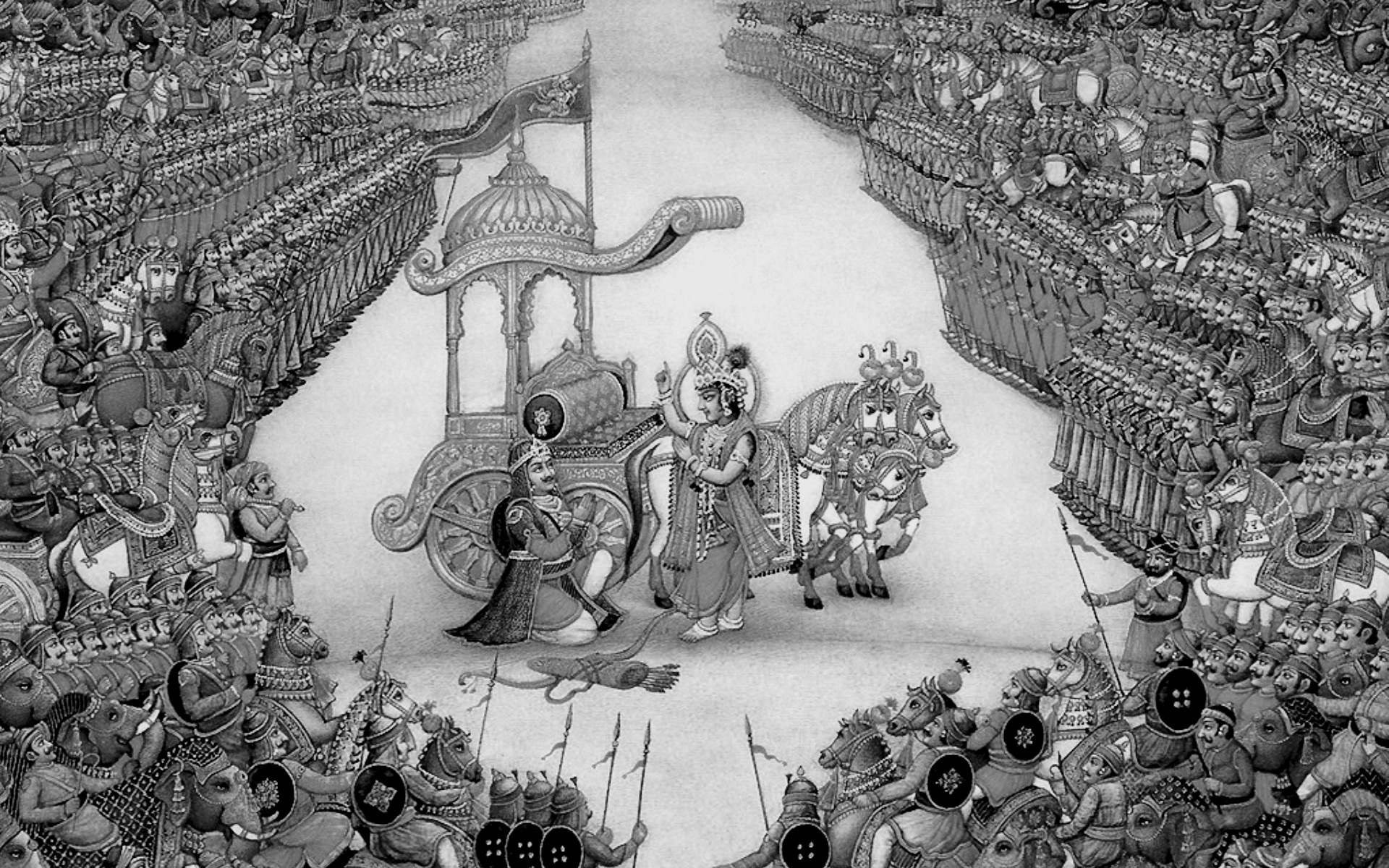
Nearly 5,000 years ago in Kurukshetra in Northern India, the hundred sons of King Dhritarastra fought the famous Mahabharata war against the five sons of King P...
The rigorous training that a Carnatic musician undergoes for several years teaches him/her lessons that are worth applying to other areas as well. An outsider m...
In many ways, the Bhagavad-Gita is a unifying text. Krishna cuts across class distinctions, mocks at social prejudices, abhors outdated traditional practices, a...
Connoisseurship Gorur’s experiences in the Pension Office and his description of the splendorous Narasiṃhasvāmī jātrè[1] are rich with rasa. Malligèhaḷḷi’s ba...
Gorur Ramaswamy Iyengar attained fame in Kannada literature by his creative nonfiction writings and hundreds of stories that have humour as their mainstay. Amon...
Integrity and Competence Now, for the kind of State we are discussing about, these two duties are sufficient – the destruction of the wicked and the protection...
Let the Field of Work be Limited Constantly expanding the area of work of the government has become an intoxicating disease afflicting all States today. This b...
V. Representative Council i. First and foremost, we need two major developments: a. Membership should not become a means of livelihood. The salaries and perqui...
It is appropriate that the system of governance in India is a collection of one and many. Given the land’s geographical expanse, large population, bio-/geo-di...
Profession Hereafter, the collective opinion of the citizens may take a back seat and unilateral decisions may find strength. In future, politics will only rep...
Administrative Intelligence of the Dewans Before 1940, all those who administered the State in the position of the Dewan were loyal and competent in their own...
That doesn’t mean we don’t want democracy at all. The State must be dependent on the citizenry is an important principle. The policies of the State as well as t...
Wealth and Prosperity With respect to wealth and resources, it is true that they are showing more activity than India. The reason behind it is not the governme...
Rights In this manner, we started extending our rights according to what we felt was appropriate at a certain moment. All the rights that we have mentioned can...
rāṣṭraṃ vā aśvamedhaḥ… – Yajurveda (Taittirīya-brāhmaṇa 3.8.9) kalpate ha vai tatra prajābhyo yogakṣemaḥ yatraitena yajñena yajante – Yajurveda (Tai...
Generosity of Personality Masti was not particularly affluent. His earnings were not much compared to what government officials earn today. He felt that whatev...
Masti’s life was extremely organized; his work was meticulous, immaculate, and accurate; he kept a track of all his activities and an account of all his expense...
Poetry in Hosagannaḍa Masti, who was inspired by the Hoysaḷa sculptures, wrote his early poems in Hosagannaḍa. Upon seeing this, T S Venkannayya remarked, “It...
‘Respected Guest’ The early life of Masti was filled with poverty and travails. His fight with penury, his days of vārānna[1], and other biographical details a...
Researcher The service rendered by Srikanta Satri as a researcher and as a professor at the University of Mysore is widely known. Sastri was not one who took r...
Masti Venkatesha Iyengar can be called the ‘Dewan’ of modern Kannada literature. Masti, who gained appreciation having served various governmental departments w...
In a play, at minimum there would be a hundred to hundred and fifty songs and verses. Their tunes would be composed on the lines of ‘Kamalākṣi nāṃ dhanyanādè,’...
Śrī-kṛṣṇa-vijayam; Compositions for Singing In the branch of the Vèllāḻa family that had settled in Srirangapatna, one Candraśekhara-śāstrī was famous. Either...
Family Lineage Srikanta Sastri’s family history deserves to be mentioned here. Several among Sastri’s ancestors were eminent scholars; they had attained excel...
Recent research has debunked the theory—built on philological grounds—that the Aryans came to India from Central Asia or elsewhere and settled here. The person...
2. Faith in Ancient Traditions Seasoned by Critical Analysis[1] It has been thirty years since Venkannayya left for his heavenly abode. Even so, that sorrow i...
Satkāvya and Adhyātma Among the readers, those who have seen a Nāgarakaṭṭe of the yesteryears might recognise the twin serpents sculpted in stone there. The sc...
A Humorous Episode Once, Venkannayya had fallen ill. It was a disease that troubled him on and off – something stomach-related. When I heard the news, I wrote...
Atop Narahari Rao’s Hillock Sitting in the eastern slope of Narahari Rao’s Hillock in Basavanagudi, Venkannayya, Srinivasamurthy, and I – with A R Krishna Shas...
Scholar of Literature When Venkannayya lived in Mysore, his life was somewhat comfortable. He expected a spacious living room wherever he stayed. A soft blanke...
Joint Endeavours I have mentioned earlier about my first meeting with T S Venkannayya and A R Krishna Shastri. That was in 1915–16, just after the establishmen...
Venkannayya’s Whims Venkannayya and I, for several years, were like members of the same family. During the summer vacations, his wife would visit her native to...
1. Inner Vision Five or six days after the [Kannaḍa Sāhitya] Pariṣat was established (in 1915), one day at about three in the afternoon, two eminent people cam...
A Touchstone Though we have a great deal of material connected with dharma, it is not easy to decide what constitutes dharma and what would be adharma when fac...
Sustainability Competence[1] It is well-known that the word ‘dharma,’ which has gained currency over the millennia has various shades of meaning that are diffe...
Equal to the Gāyatrī-mantra Vyāsa gives the Bhārata-Sāvitrī clarion call in the concluding portion of the Mahābhārata. Just as the essence of all the Vedas ass...
The greatest and most expansive epic in the world, the Mahābhārata, is a unique Itihāsa treatise that captures all the prominent events of the Dvāpara-yuga[1]....
It is rather unlikely that experts in music and dance will find immense value in the episodes narrated here[1]. These have been written by an ordinary man who h...
Revealing Character What is necessary for a biography is a series of character-revealing incidents. An Example: I had mentioned earlier about my meeting with...
The People who are Worthy of a Biography History is the external transactions of the people, while Biography comprises the inner landscape. Those who stir the...
Two Sides The important aspects of a biography may be divided into two categories: i. external aspects and ii. inner nature. By external episodes, I mean deta...
The Necessity of History What’s the meaning of this? It is just that history will never leave us. What we do, what we don’t do, what we experience, what we avo...
History and Biography – these two genres of literature are new to our country. They are not particularly ancient to any country. In this essay, when I say ‘his...
In the earlier era, Vedic literature was one large body of wisdom with different ṛṣis having memorized different ṛks and mantras; different mantras had become s...
The Life of Vyāsa It is in the literature bestowed upon us by Maharṣi Veda-vyāsa that we find the roots of the elements that we today identify as being unique...
Yayāti was the tenth in the line of descendants from Dakṣa-prajāpati; his son was Pūru. Further in his lineage Duṣyanta was born. The preceptor of the Asuras,...
Duṣyanta – “Listening to the story you just narrated confirms that you indeed are a princess from a royal lineage. Please be my wife! Tell me what you desire to...
There lived a king named Duṣyanta who belonged to the lineage of Puru. He was valorous and was ruling over the earth in a dhārmic manner. There was no varṇa-saṅ...
As Yudhiṣṭhira went ahead, he first saw Duryodhana. He was sitting amidst the Devatās, glimmering with the wealth of courage, seated on a throne that was resple...
After Yudhiṣṭhira heard the tragic tale of the Yādavas from Arjuna, he felt like renouncing everything and setting out on a long voyage. He looked at Arjuna and...
Thirty-six years after the Mahābhārata War transpired, yet another catastrophe struck. Once, the three mahaṛṣis – Viśvāmitra, Kaṇva, and Nārada – came to Dvārak...
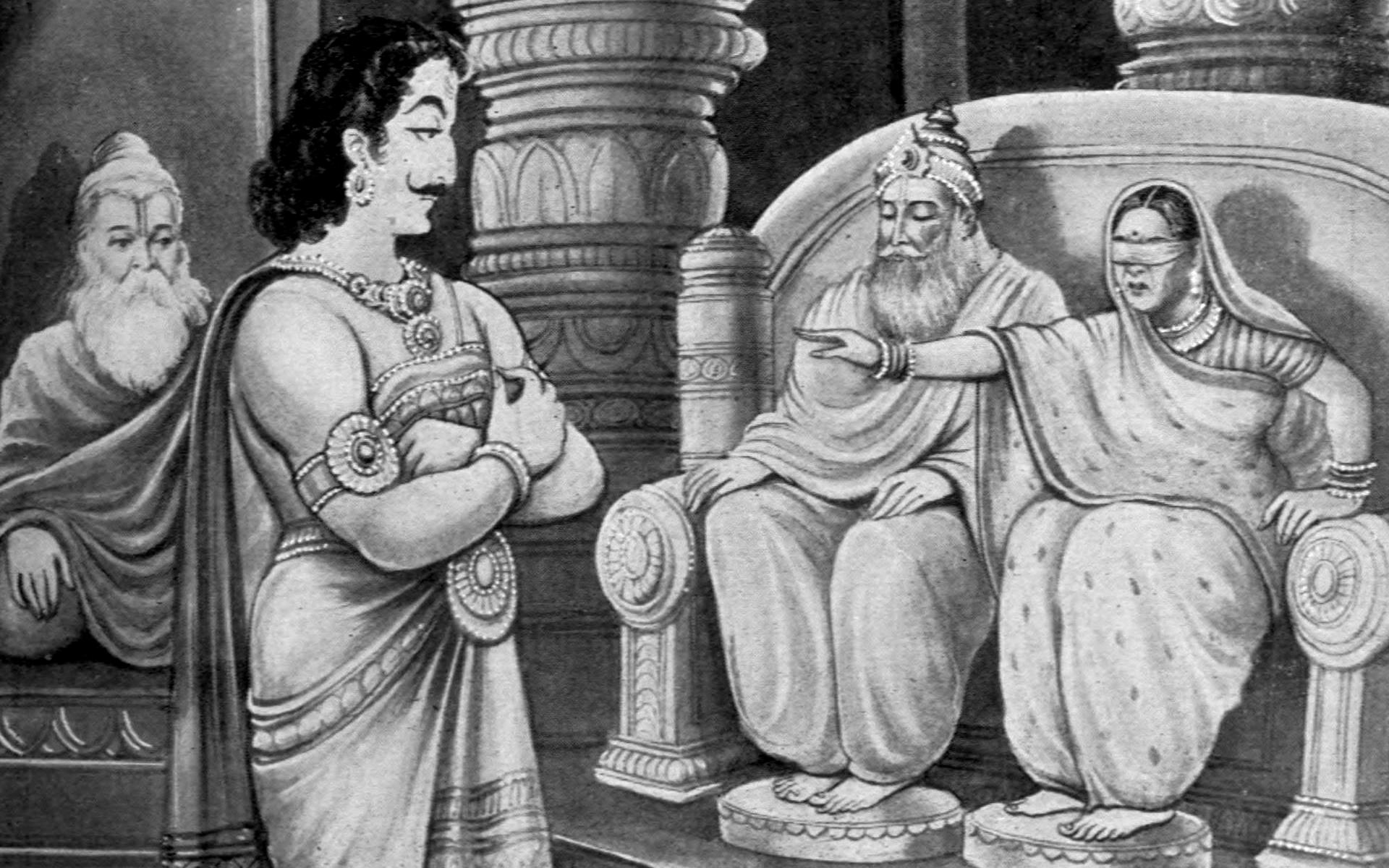
Dhṛtarāṣṭra asked Vidura and Gāndhārī to advise Kuntī to go back with her children. He said that she can perform tapas in the kingdom and she had served them ve...
Upon hearing Dharmarāja's request, asking them to stay back in the kingdom, Dhṛtarāṣṭra replied – “Son, my heart has turned towards tapas. It has come down to u...
The Pāṇḍavas after winning over their enemies, were ruling the vast kingdom under the guidance of Dhṛtarāṣṭra. Sañjaya, Yuyutsu and Vidura were taking care of t...
Dharmarāja went to the Himalayas with his younger bothers and gathered the ingredients required for the Aśvamedha-yāga. He also found large quantities of wealth...
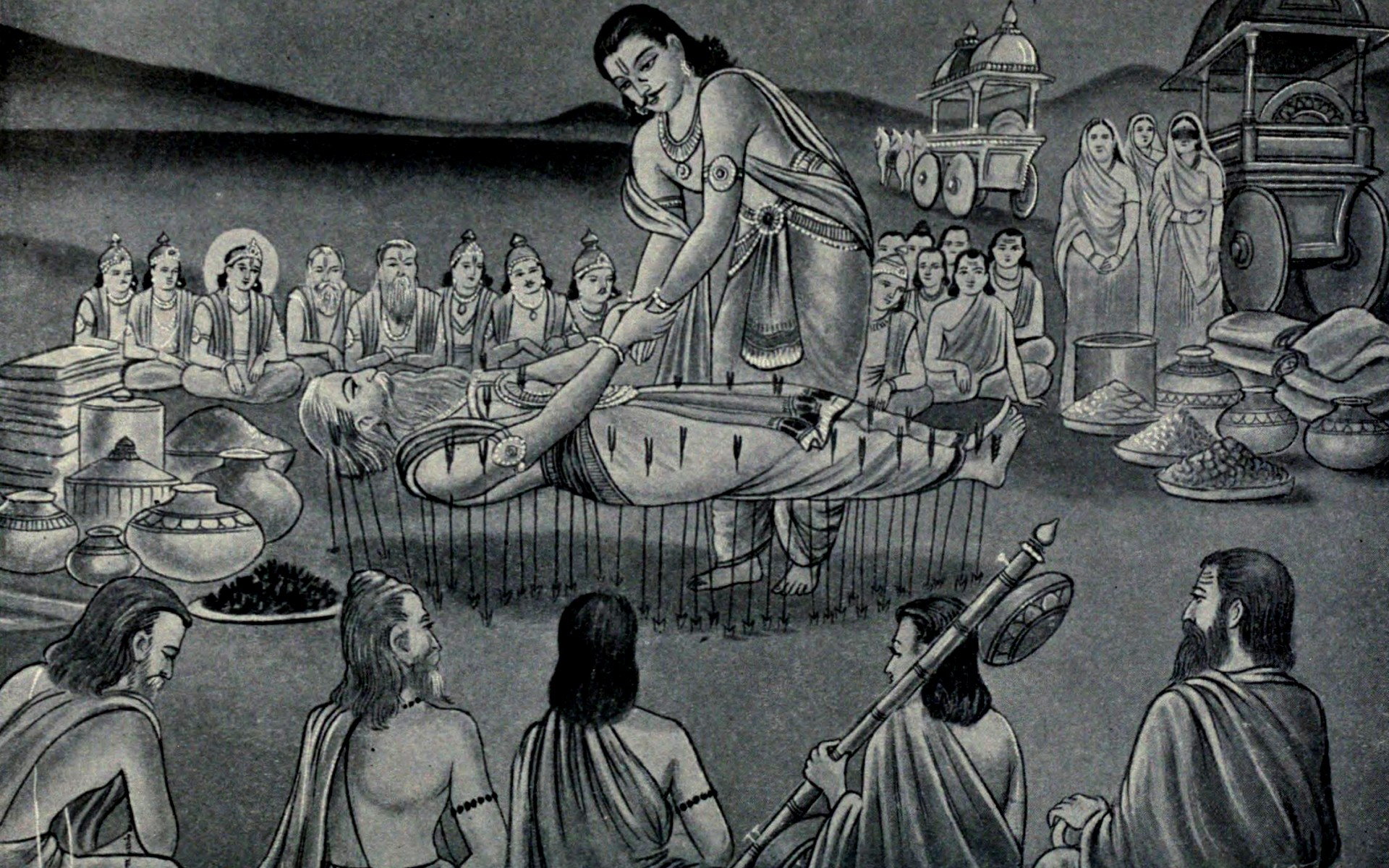
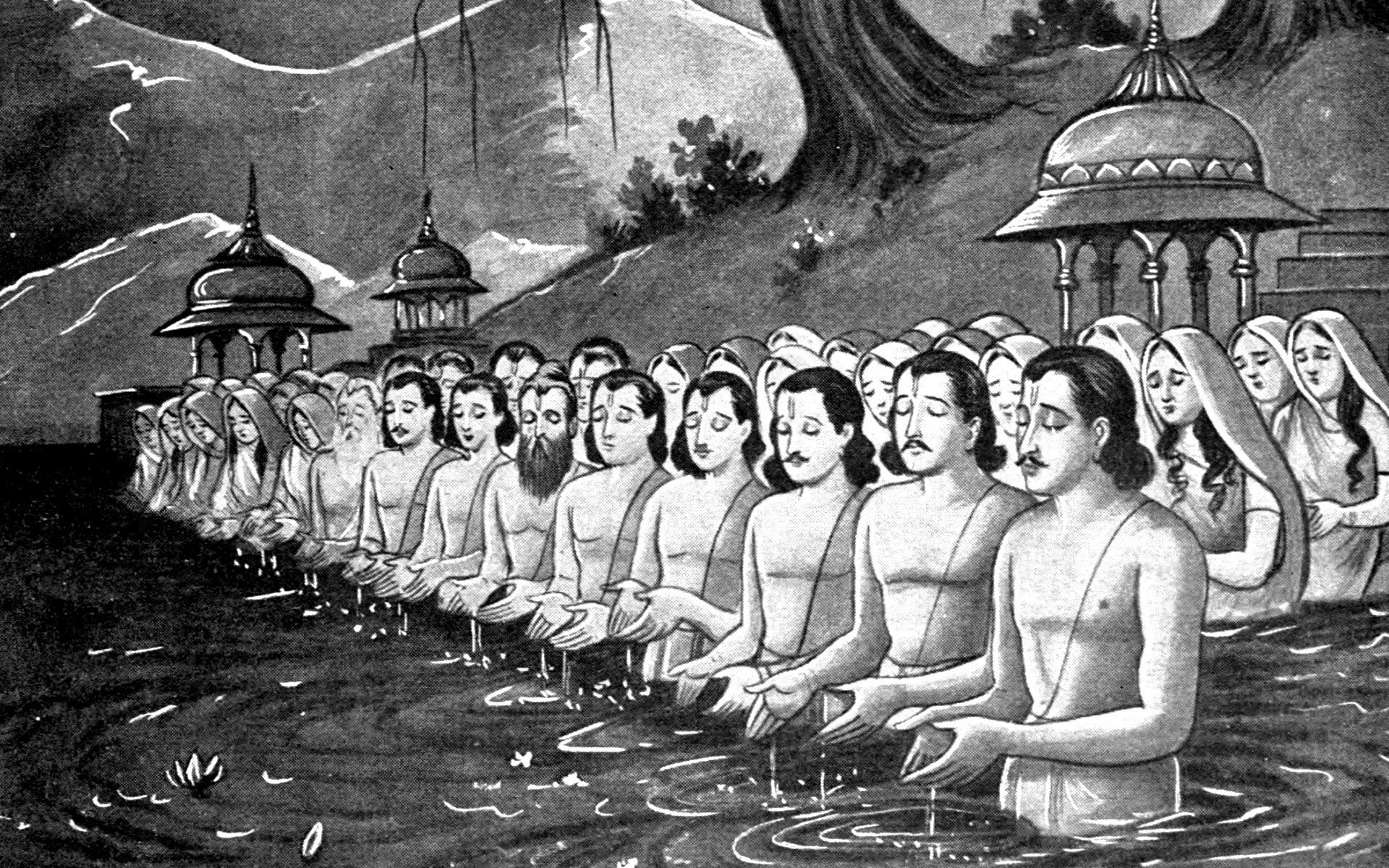
Dharmarāja offered tarpaṇa to Bhīṣma and as he neared the shores of Ganga, he collapsed out of sorrow. Dhṛtarāṣṭra, Kṛṣṇa, Vyāsa and everyone else present there...
Yudhiṣṭhira said, “However competent one might be, if destiny doesn’t smile on him, he will not earn any wealth. Even a helpless chap or a child, if favoured by...
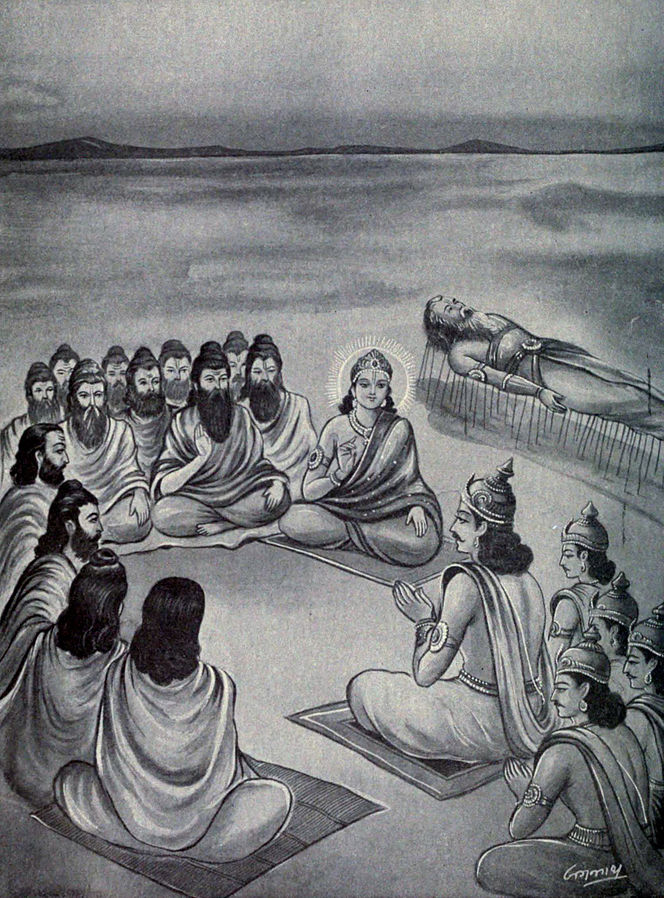
Although Bhīṣma spoke many such words of peace and solace, Dharmarāja’s heart would not find peace; he would not be consoled. He lamented with the words – “Havi...
Yudhiṣṭhira – Are there any instances in the past when a king attained siddhi, the ultimate accomplishment, even as he was a householder? And if so, what is the...
Yudhiṣṭhira asked, “How did this universe, with animate and inanimate, get created? When it dissolves, where does it go?” Bhīṣma (Relating the discussion betwe...
In the past, Kāśyapa, the son of a certain riṣi was run over by a chariot that belonged to a vaiśya. The chariot hit him and Kāśyapa fell down. He was greatly p...
Yudhiṣṭhira: As time passes by and all creatures are taken to the abode of death, which is the conduct that leads to śreyas (goodness)? Bhīṣma: (What Mādhavī t...
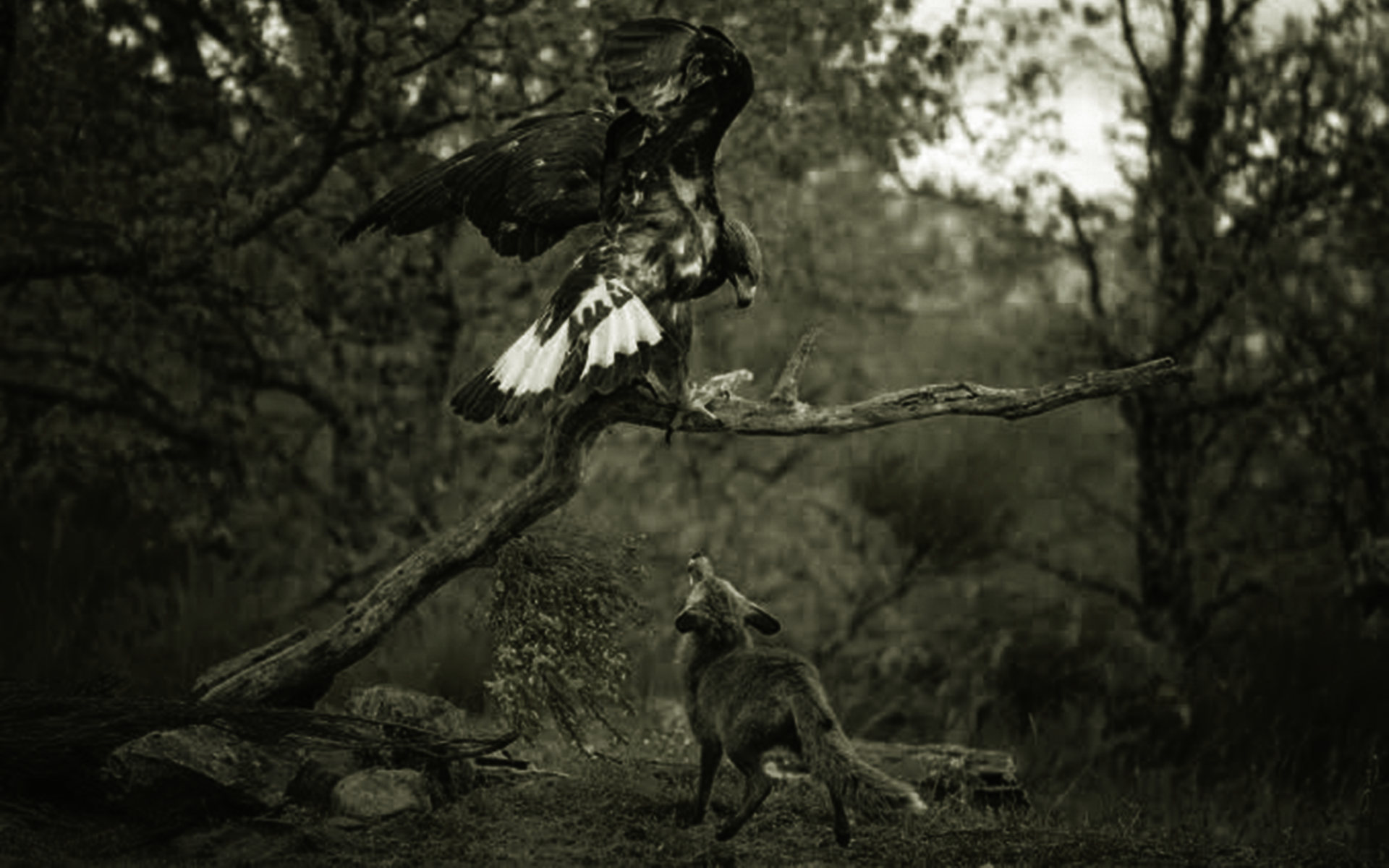
The fox said, “A golden child! Listening to the words of this eagle, you’re on the verge of leaving this boy here and going away! Will love and sorrow go away j...
During times of adversity, if one doesn’t despair and stands firm with determination – and added to that if he received divine grace, the adversity soon passes...
I will narrate another story to demonstrate how an enemy should never be trusted even if he appears to be soft and is gentle in his speech. There lived a king b...
It is good character that is more important than physical strength. Noble character leads to honesty, dhārmic outlook, strength and wealth. In the past, Prahlād...
In the activities related to the protection of his people, a king must only take help from people who are courageous, devoted, loyal, respected, hailing from a...
Bhīṣma began his instruction to Yudhiṣṭhira on rāja-dharma (the art and science of governance). First of all, a king has to be devoted to the deities and to br...
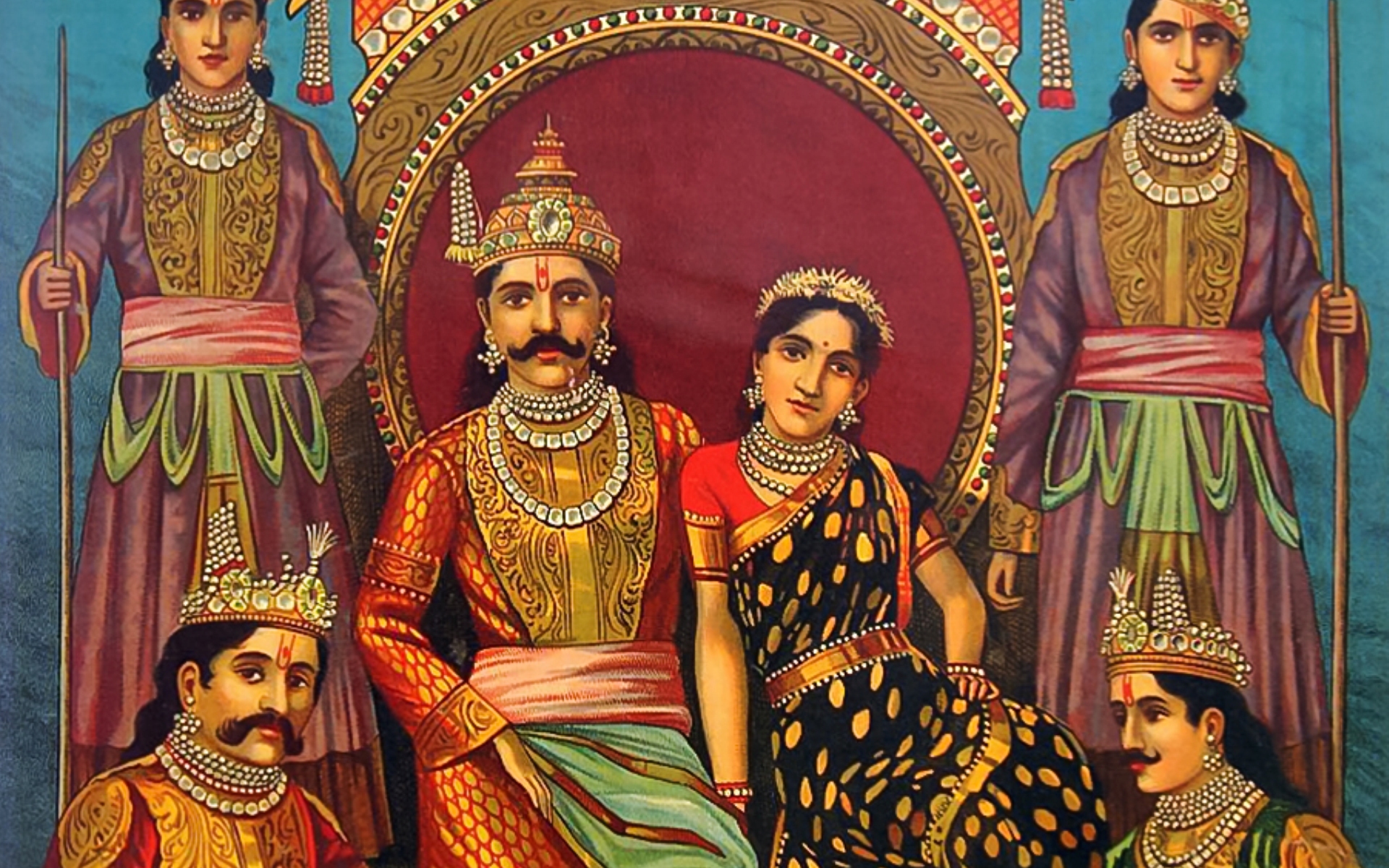
On a chosen day, Dharmarāja sat on a new chariot drawn by sixteen white steeds. Bhīma was the charioteer; Arjuna held a white umbrella; Nakula and Sahadeva fann...
ŚĀNTI-PARVA After offering the jala-tarpaṇa and other funeral rites to their departed relatives, Dharmarāja, Dhṛtarāṣṭra, and the rest of the Pāṇḍavas and Kaur...
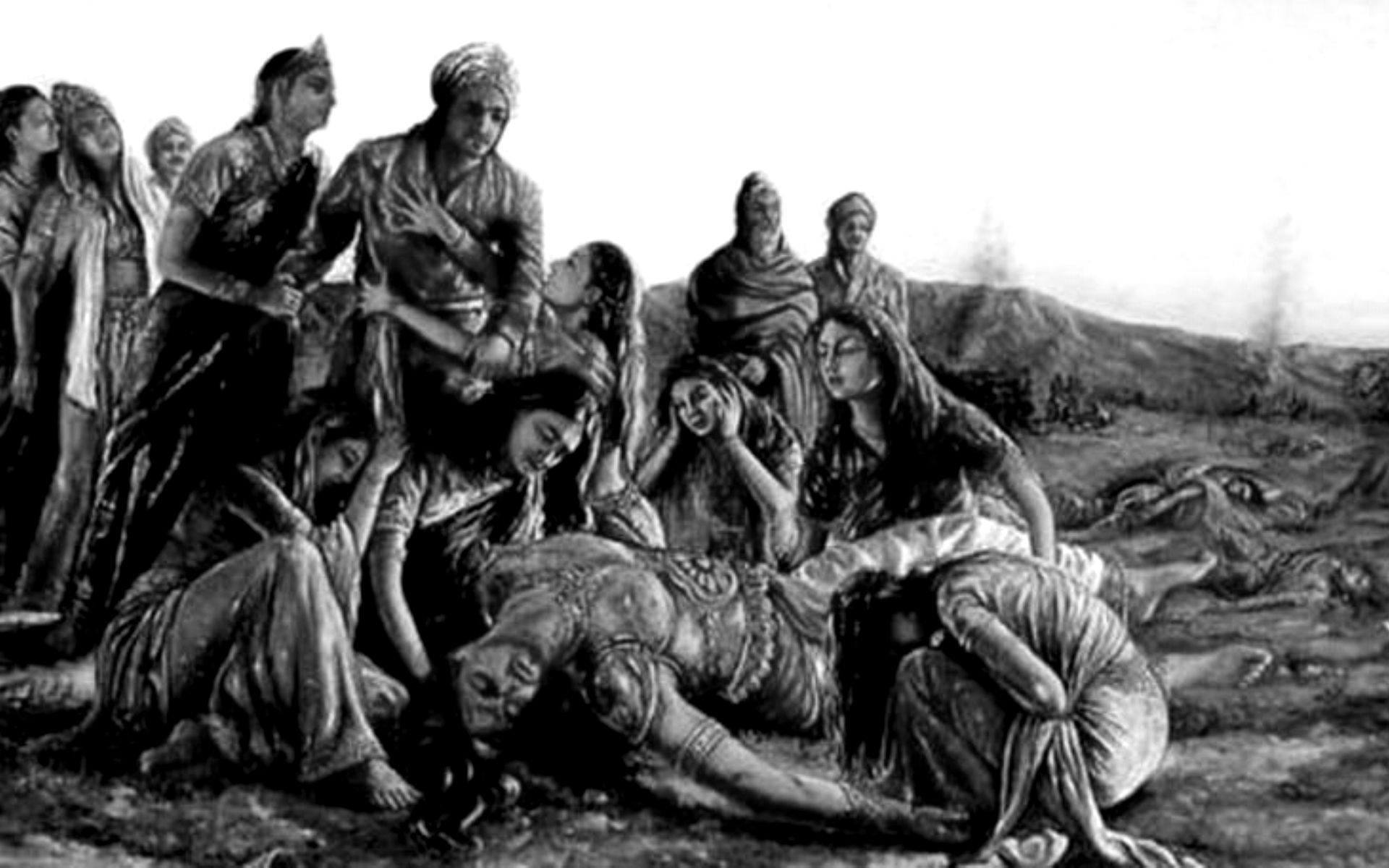
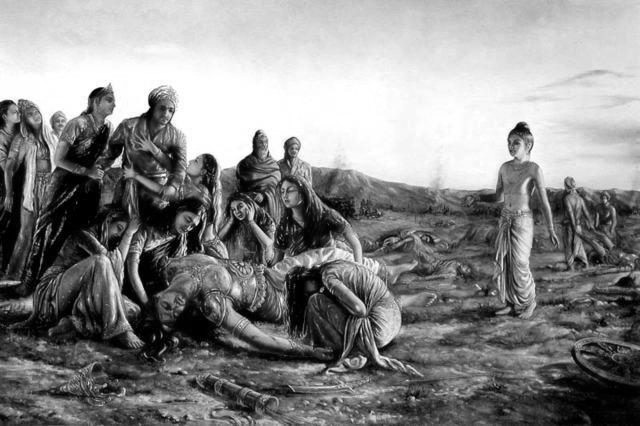
Dharmarāja walked past all the women who were shouting at him, went to the old king Dhṛtarāṣṭra, and bowed down to him. The others too called out their own name...
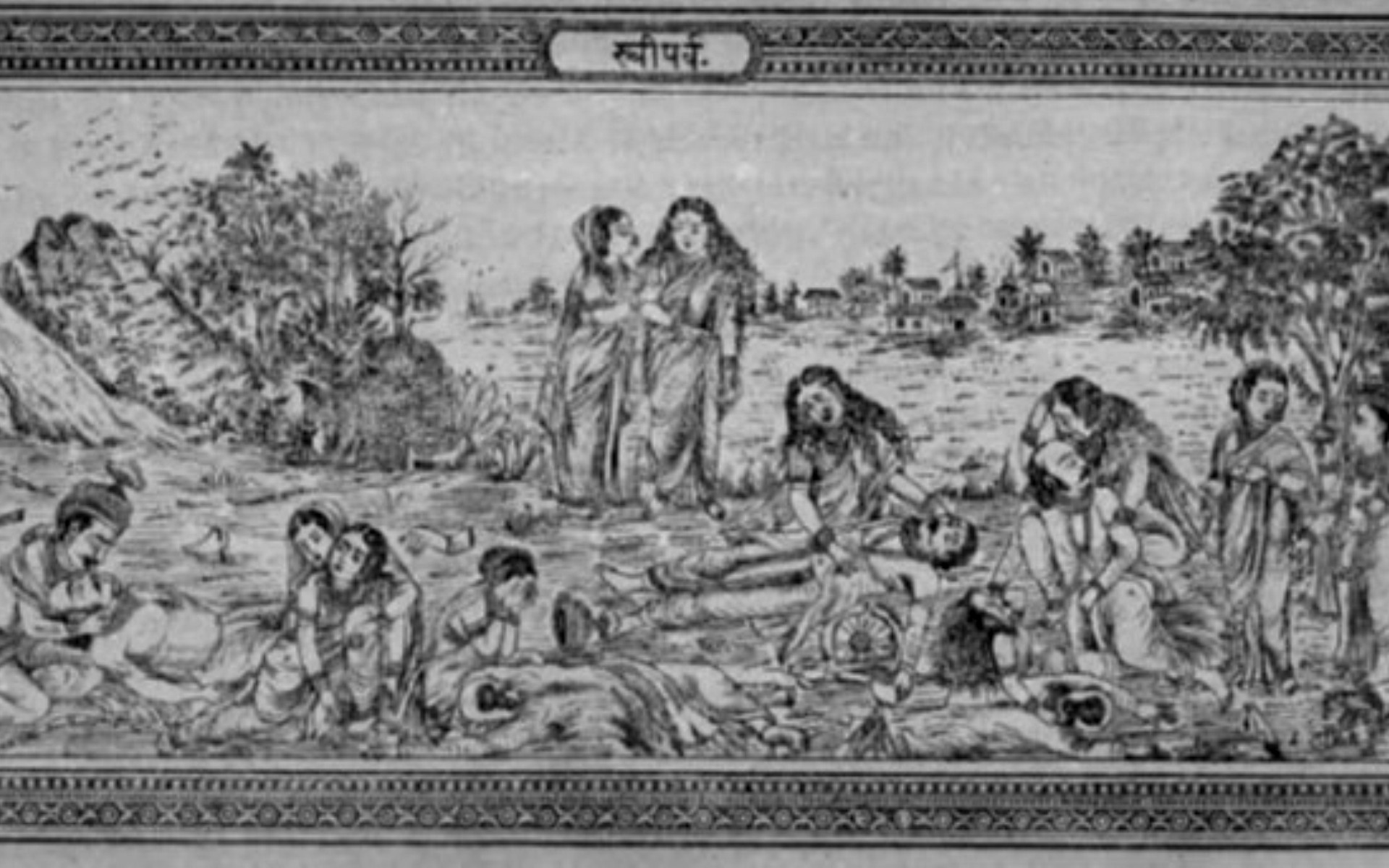
STRĪ-PARVA Starting from the first day of the war, Sañjaya went to the battlefield from the capital city every day and reported the day’s events to Dhṛtarāṣṭra...
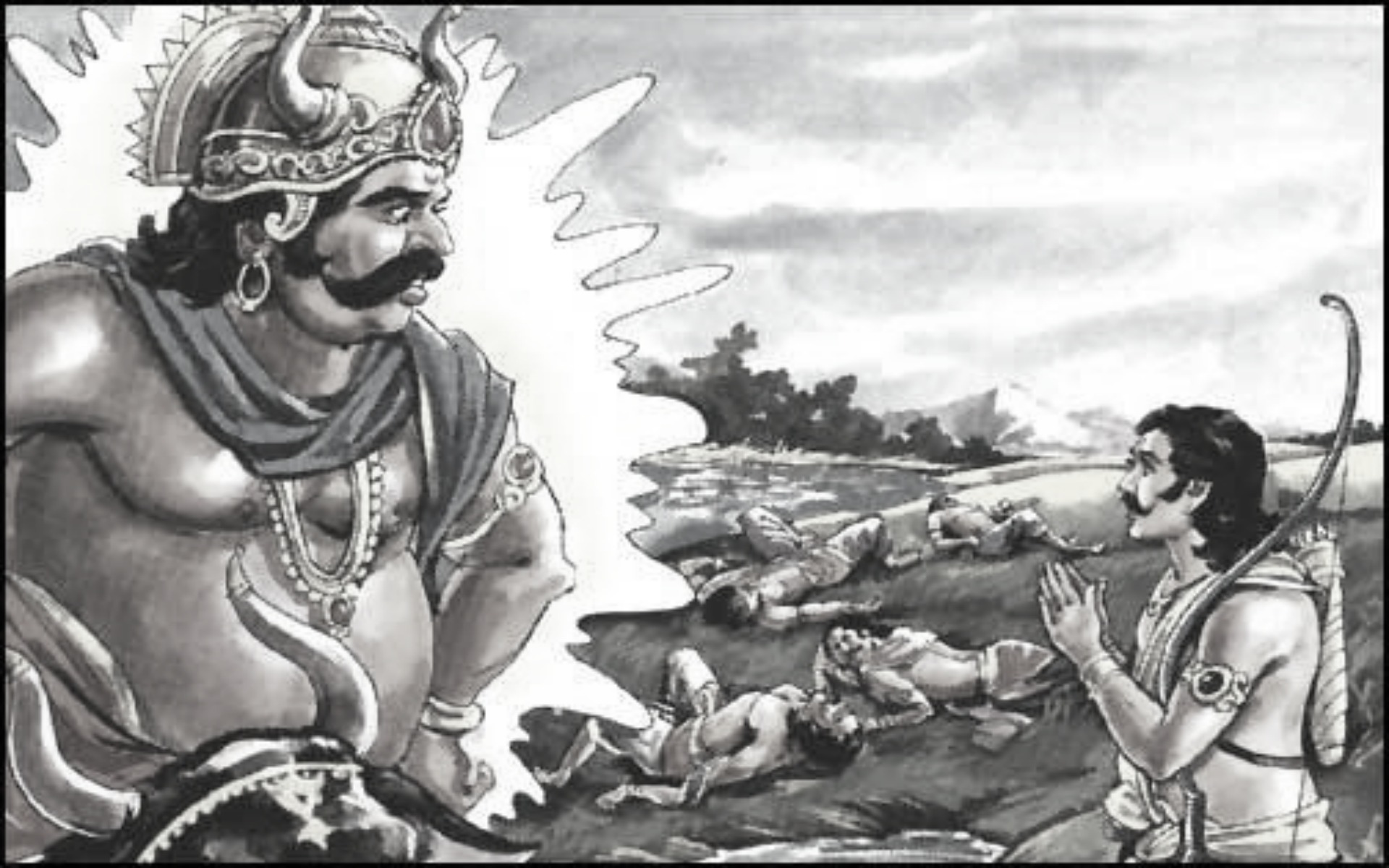
Duryodhana was alive catching on to his last few breaths. He had trouble breathing and was being eaten alive by foxes, wolves and other wild animals. He was try...
SAUPTIKA-PARVA Aśvatthāmā, Kṛpa and Kṛtavarma left Duryodhana and by sunset reached a forest in the vicinity. They fed their horses with water, gulped down sip...
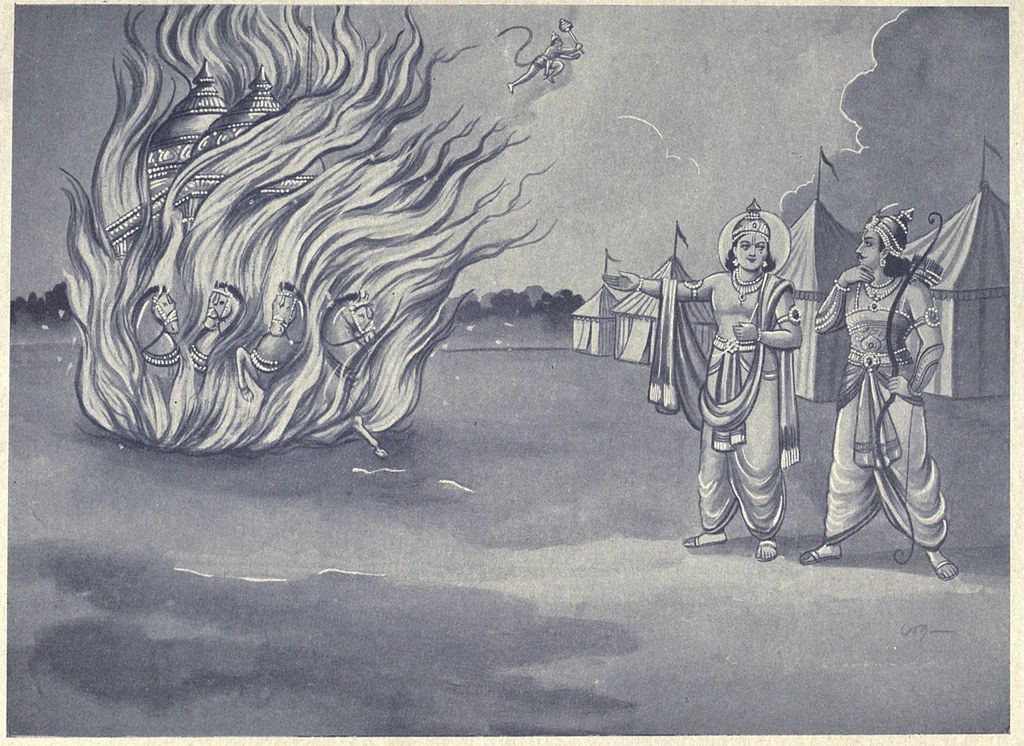
Everyone present there congratulated Bhīmasena. He bowed down before his elder brother and said, “Now the entire world is yours, free of all obstacles. The main...
The Exuberant Play of Upamās (Part 2) In the thirteenth chapter, while explaining the word ‘adambhitva’ (freedom from hypocrisy, sincerity), he says even when...
Just like Yudhiṣṭhira, the other Pāṇḍavas too spoke provocative words. Listening to their humiliating words, Duryodhana decided to fight the battle and said, “Y...
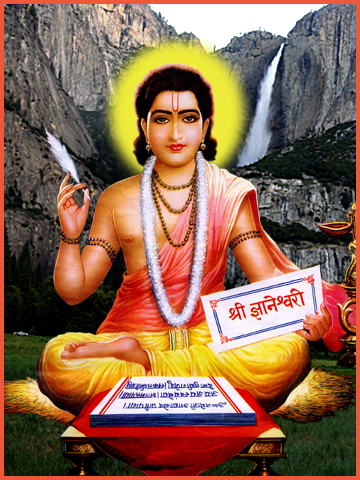
Bhakti-Vairāgya (Devotion-Detachment) Jñāneśvara’s school of philosophy broadly aligns with Advaita-vedānta; even so, it is not possible to pigeonhole his idea...
ŚALYA-PARVA After Karṇa’s death, Kṛpācārya suggested to Duryodhana that they could enter a treaty of peace with the Pāṇḍavas. Duryodhana, however, refused to d...
It’s true that the Indian tradition of Kshatra has witnessed several ups and downs and hundreds of incidents of defeats and death. In reality, our Rajas and Mah...
Jñāneśvarī – Unsullied by Time[1] Bahiṇā-bāi, the poetess rich in experiential wisdom, has rightly said that the founda...
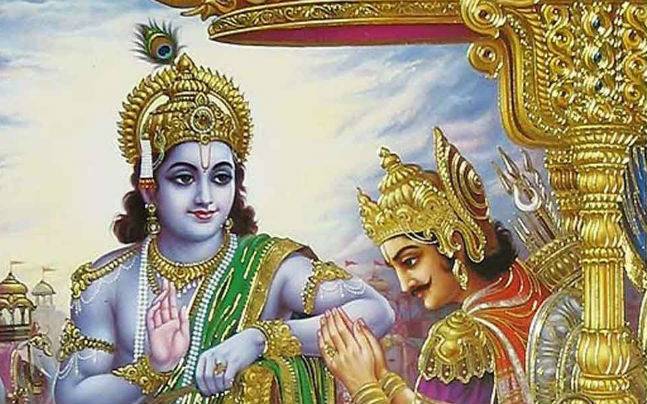
On the way to the battleground, Arjuna was profusely sweating all over. He was anxious about the outcome of the day’s war. Looking at his perplexity, Kṛṣṇa said...
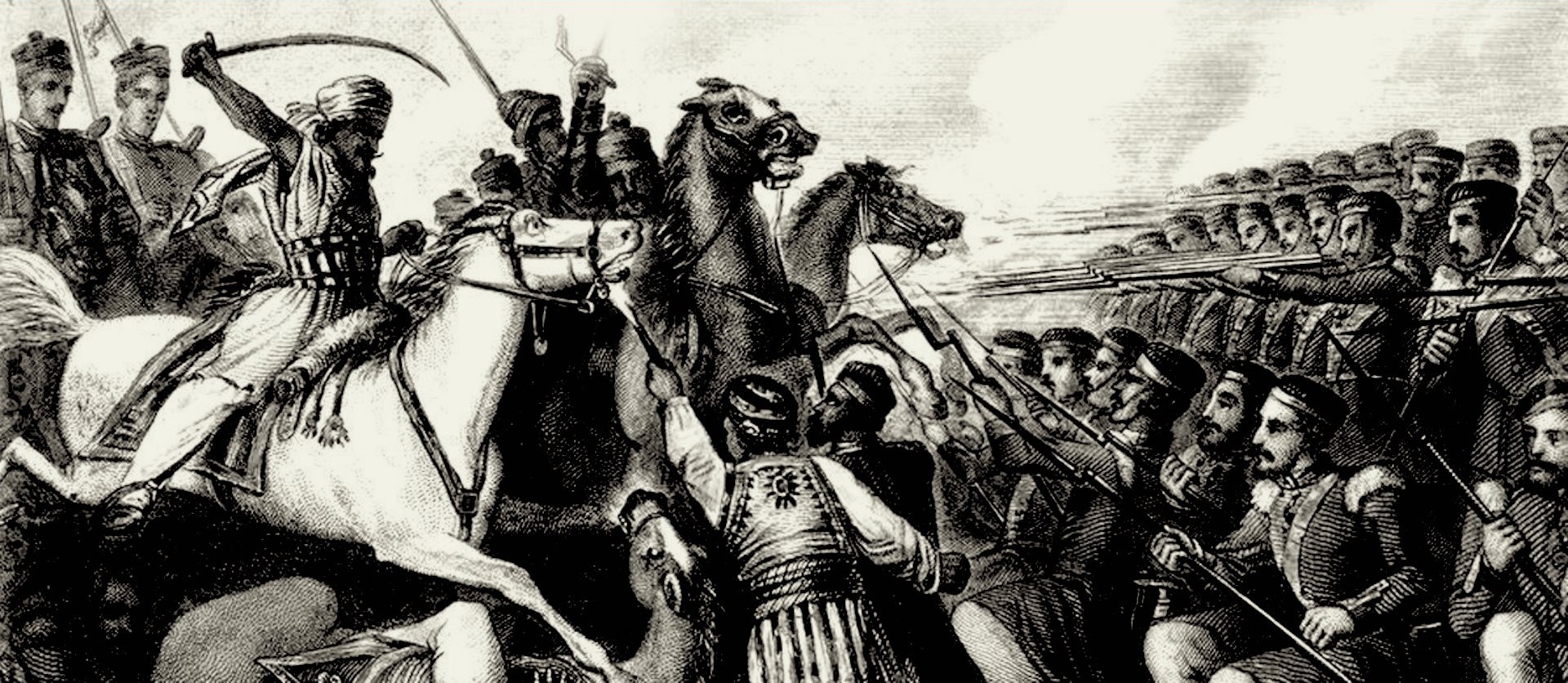
As the last vestige of India’s glorious heritage of Kshatra (or valour), we see the solid resistance of the native Indian army during the First War of Indian In...
Widespread Influence Deeply influenced by the Bhagavad-gītā, the American philosopher Ralph Waldo Emerson kept aside much of the Christian doctrine not...
KARṆA-PARVA After the death of Droṇa, on the fifteenth day of the Kurukṣetra war, Duryodhana retired to his camp and discussed the further course of action wit...
Adherence to Sahaja-karma It is evident that the central teaching of the Gītā is the performance of sva-dharma. The Gītā also speaks about the varṇa system, wh...
The fourteenth day of the war began with Droṇa arranging the Kaurava army in the śakaṭa-vyūha formation within which he arranged the army in the padma-vyūha and...
Like Sawai Jai Singh, the other warrior who toiled for the cause of Sanatana Dharma during the period of the downfall of the Mughal Empire was the ideal woman A...
A popular dhyāna-śloka (benedictory verse) for the Bhagavad-gītā is as follows: bhīṣma-droṇa-taṭā jayadratha-jalā gāndhāra-nīlotpalā śalya-grāhavatī kṛpeṇa va...
The next morning Duryodhana told Droṇa, “Ācārya, although Yudhiṣṭhira came as close as the eyes could see, you failed to capture him. Therefore it appears like...
Vyāsa is said to have presented to Brahmā the topics discussed in the Mahābhārata thus – “In this work there are several secrets of the Vedas; my definitive sid...
DROṆA-PARVA नारायणं नमस्कृत्य नरञ्चैव नरोत्तमम् । देवीं सरस्वतीं व्यासं ततो जयमुदीरयेत् ॥ Having saluted Nārāyaṇa, the human and the divine;...
Just because the Mahābhārata was narrated in the period of King Janamejaya it doesn’t make it an ancient tale; it is fresh even today and it will forever be new...
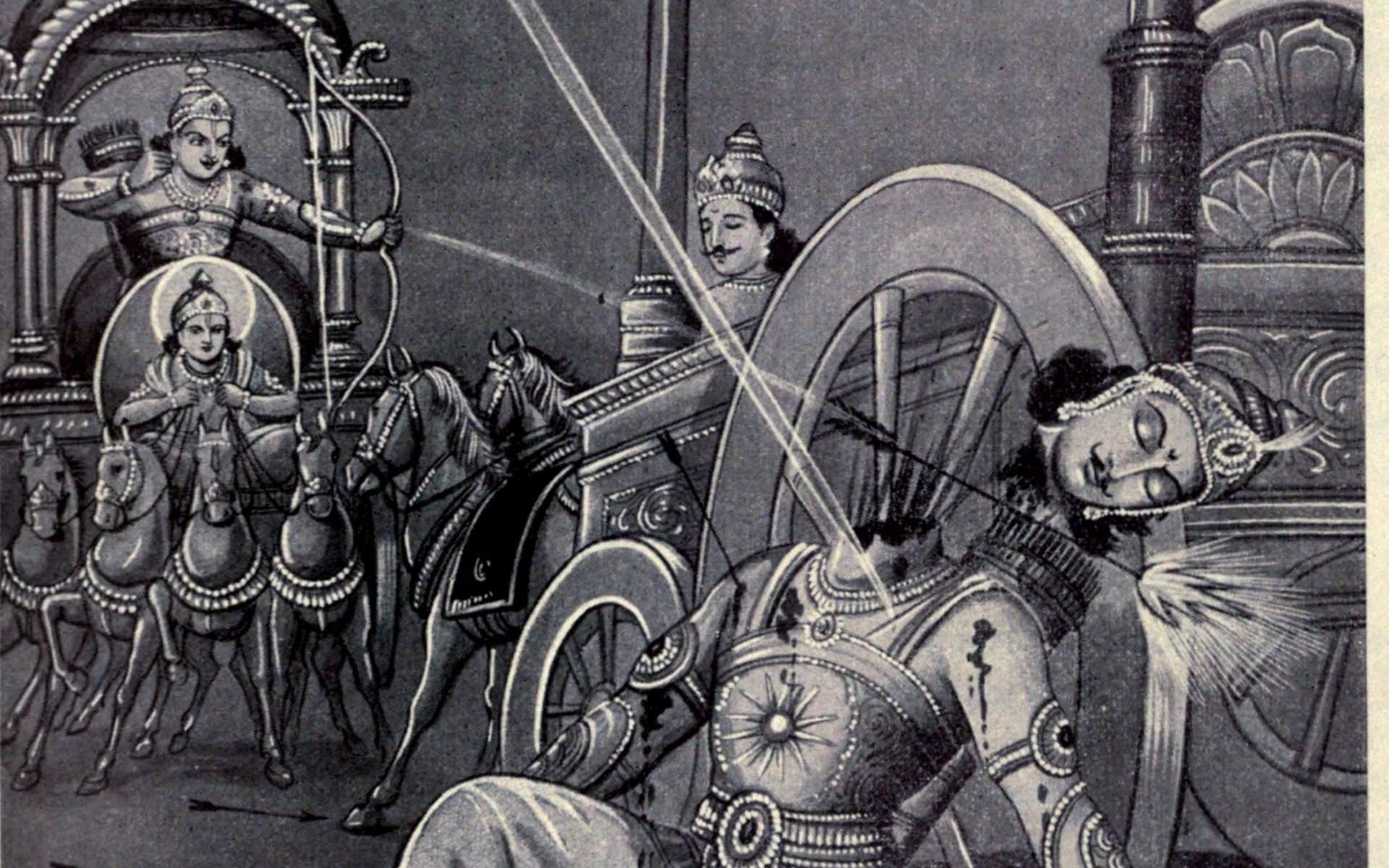
The next morning, i.e. on the tenth day of battle, the Pāṇḍavas had created a battle formation with Śikhaṇḍi leading it. To his left and right stood Bhīma and A...
The story of the Mahābhārata is gigantic. It is thus divided into eighteen parvas. These divisions are called kāṇḍas in the Rāmāyaṇa. What is termed as ‘sandhi’...
On the fourth day of the war, Bhīmasena totally destroyed Duryodhana’s elephant division and killed eight of the Kaurava brothers including Jalasandha and Suṣeṇ...
The culture of Greater India has its roots in śruti, smṛti, itihāsa, and purāṇa. Śruti means ‘Vedas.’ The Upaniṣads, which form a part of the Vedas, are the bas...
Yudhiṣṭhira made his way into the enemy ranks and walked straight to Bhīṣma. He bowed down to the grandsire, touched his feet, and said with great humility, “Gr...
Does the ancient Hindu religion have the life-essence to survive, giving answers to the questions posed by the new world? Does that hallowed and sacred culture...
BHĪṢMA-PARVA नारायणं नमस्कृत्य नरञ्चैव नरोत्तमम् । देवीं सरस्वतीं व्यासं ततो जयमुदीरयेत् ॥ Having saluted Nārāyaṇa, the human and the divine;...
Kṛṣṇa reached Upaplavya, met the Pāṇḍavas and narrated everything that transpired in Hastināpura. He finished by saying these words – “Though Bhīṣma, Droṇa, Vid...
Kṛṣṇa paid his salutations to Kuntī and informed her of everything that transpired in the Kuru court. “I’ll take leave of you, dear aunt. I need to get back to...
In this background, there were several heroes who strove to alleviate the pain of the Sanatana-Dharmis and protect their honour. Such people are worthy of the h...
As he heard Kṛṣṇa’s words, Duryodhana turned towards him and snapped. “Kṛṣṇa! You should think about this once more thoroughly and then speak to us. You have cr...
The next morning, Kṛṣṇa woke up and got ready to leave. Duryodhana and Śakuni came to Vidura’s house and informed Kṛṣṇa that Dhṛtarāṣṭra had arrived at the roya...
After the death of Aurangzeb, the Mughal empire was scattered and confused. In fact, this had already started during Aurangzeb's lifetime itself. As a result of...
The next day, Kṛṣṇa left from Vṛkasthaḻa and headed towards Hastināpura. Bhīṣma, Droṇa and other older Kauravas received him on the way. The entire city was dec...
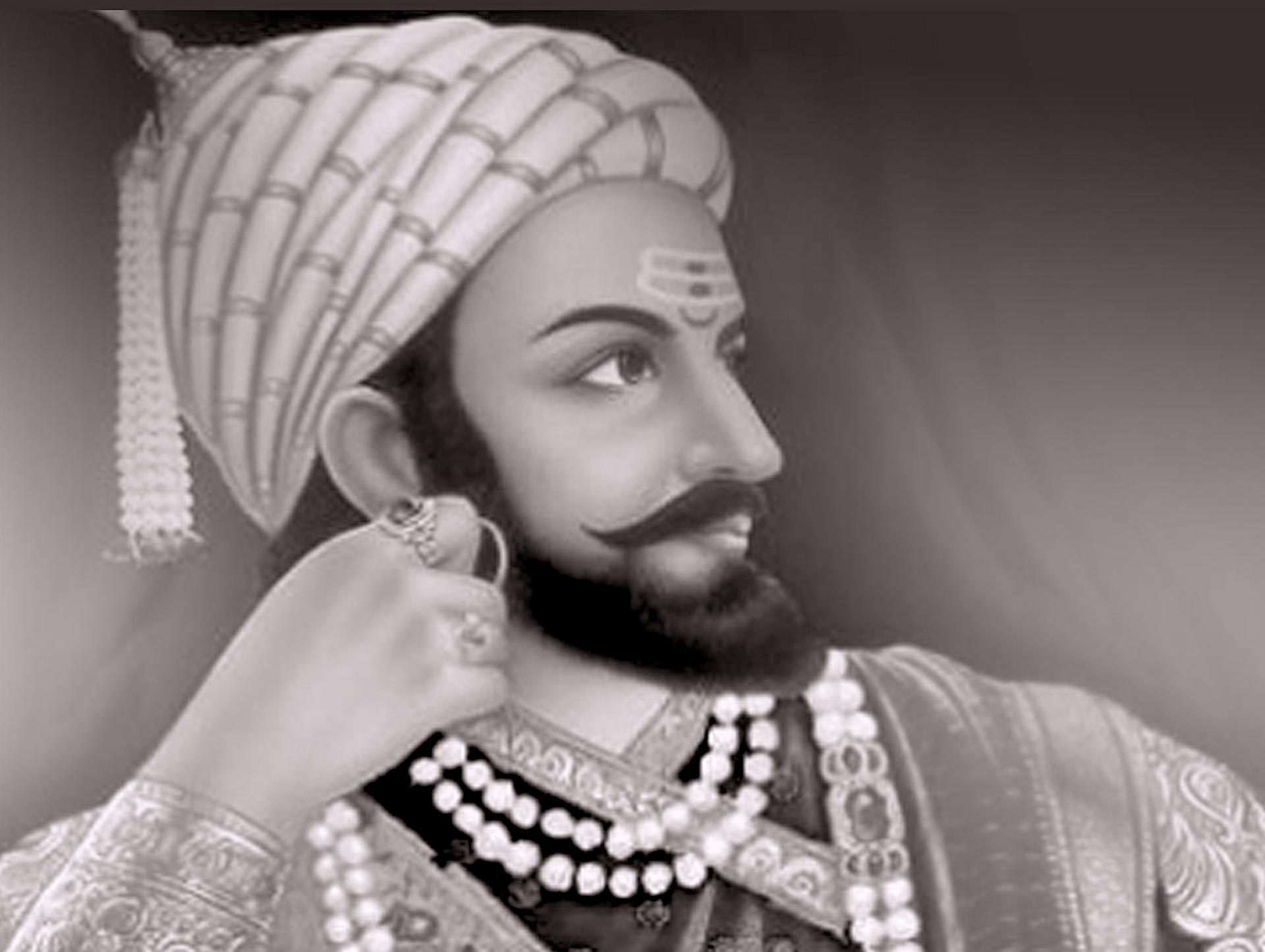
Although Shivaji was born in a Shudra family, his love and respect for Sanatanadharma was immense. In his letters to Aurangzeb, he uses his honorific titles tha...
Draupadī was pained listening to the coward speech of Dharmarāja, to which he had given a dhārmic garb. She was also annoyed looking at Bhīma who seemed to have...
It is because the fundamental root of Hinduism is Adhyatma (spirituality, self knowledge, study and evolution of oneself) that we have been elaborating all this...
Bhīmasena said, “I suggest you speak to the Kauravas and try to ensure peace between us. Don’t scare them with the prospect of a war even as you start speaking!...
The night was spent in their conversation. The next morning the Kauravas and their nobles assembled in the king’s court, curious to hear the message Sañjaya had...
Vidura first elucidated upon the qualities of a scholar and the differences between the wise and the foolish. A wise man always does what is good for himself...
Accordingly, Sañjaya went to Upaplavya to meet the Pāṇḍavas. He was welcomed with great respect and was treated with dignity. He inquired about their well-being...
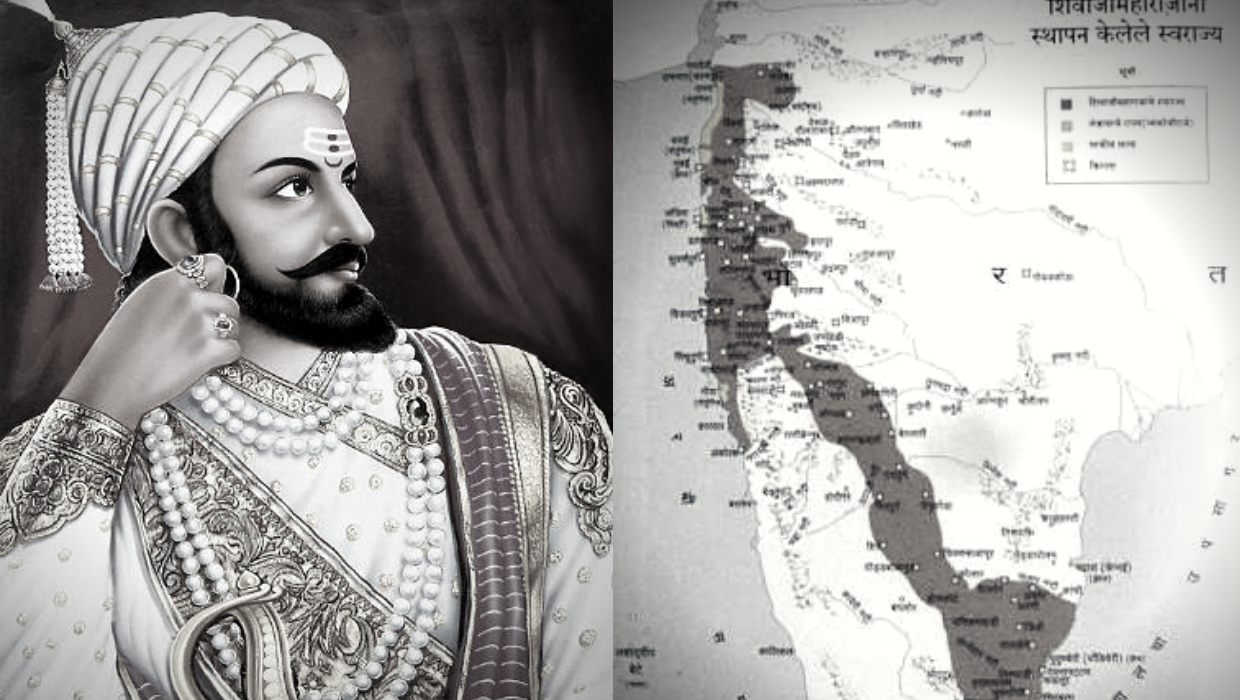
The next great landmark of the tradition of the spirit of Kshatra is available in South India. He is the lodestar of Hindu Dharma, Chhatrapati Shivaji. Shivaji...
In another part of the country, Śalya, the king of Madra, was on his way along with army and his sons, who were both mahārathas. He was acting as per the wishes...
UDYOGA-PARVA After Abhimanyu’s wedding, the kings who were on the side of the Pāṇḍavas assembled in Virāṭa’s court. Among those who had gathered were the Pāṇḍa...
Three days after these happenings, the five Pāṇḍavas had their bath, wore fine white-coloured clothes, adorned themselves, proceeded to Virāṭa’s sabhā with Yudh...
Prince Uttara, adorned with garlands and fragrant perfumes, came in a procession on the royal path; he greeted the citizens of the city and the married woman, r...
With great delight Arjuna looked at the Kaurava heroes retreating; he bowed his head down and offered his greetings to Grandfather Bhīṣma and Ācārya Droṇa and r...
After this Arjuna told Uttara to take his chariot to where Droṇa was standing; offering his salutations to Droṇa, he said in a serene voice, “Ācārya, we took up...
Aśvatthāma said, “O Karṇa! We have not yet won the cows that we’ve captured, we’ve not crossed the borders, we haven’t returned to Hastināpura; and you’ve alrea...
Upon hearing these despondent words of Droṇa, Duryodhana addressed Bhīṣma, Droṇa, and Kṛpa: “Karṇa and I have said this several times in the past; yet I repeat...
Arjuna ran behind Uttara for less than a hundred steps before he caught the young man’s tuft of hair, bringing him to a halt. Uttara began whining like a person...
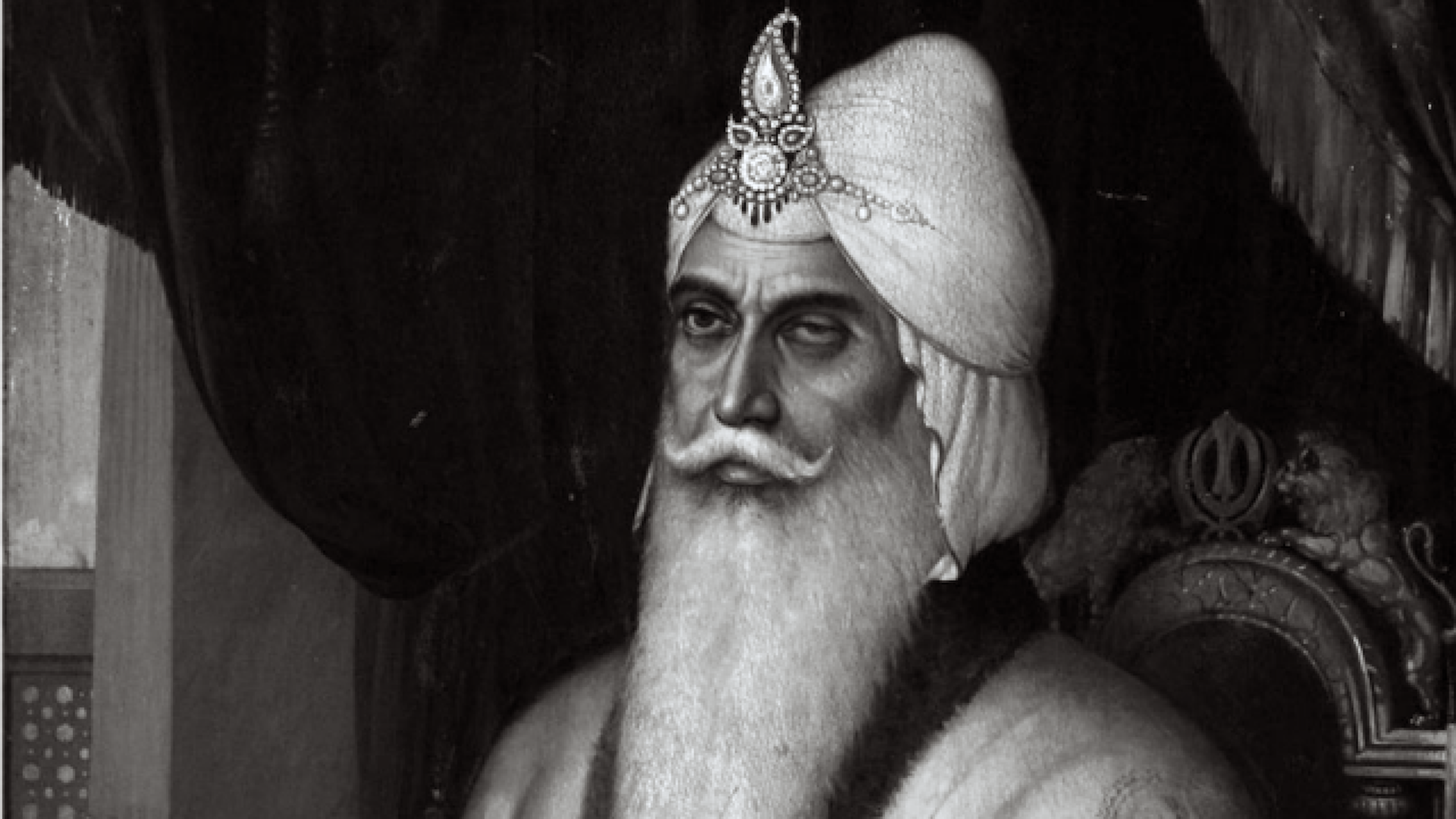
Maharaja Ranjit Singh stands in the forefront of this great Sikh warrior tradition. It was Ranjit Singh who reestablished Sanatana Dharma in the North Western r...
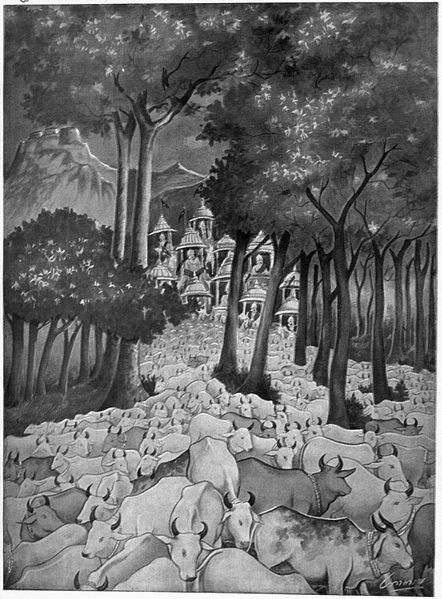
While at one end, Virāṭa was in the process of releasing the cows captured by Suśarma, at the other end of the kingdom, Duryodhana—accompanied by Bhīṣma, Droṇa,...
Back at Hastināpura, the spies that Duryodhana had set out in search of the Pāṇḍavas returned to the capital and reported to their king. “We thoroughly searched...
In the present context, it would not be incorrect to say that the various expositions on sāmānya-dharma in the myriad smṛti texts have its origin in the concept...
Draupadī told Bhīma, “I cried out loud, pouring out my miseries, for I could not control my sorrow; not with a desire to criticize the Mahārāja. Let bygones be...
Kalpa is one of the six Vedāṅgas (limbs of the Vedas).[1] The traditional view is that without the help of these Vedāṅgas, the real meaning of the Veda cannot b...
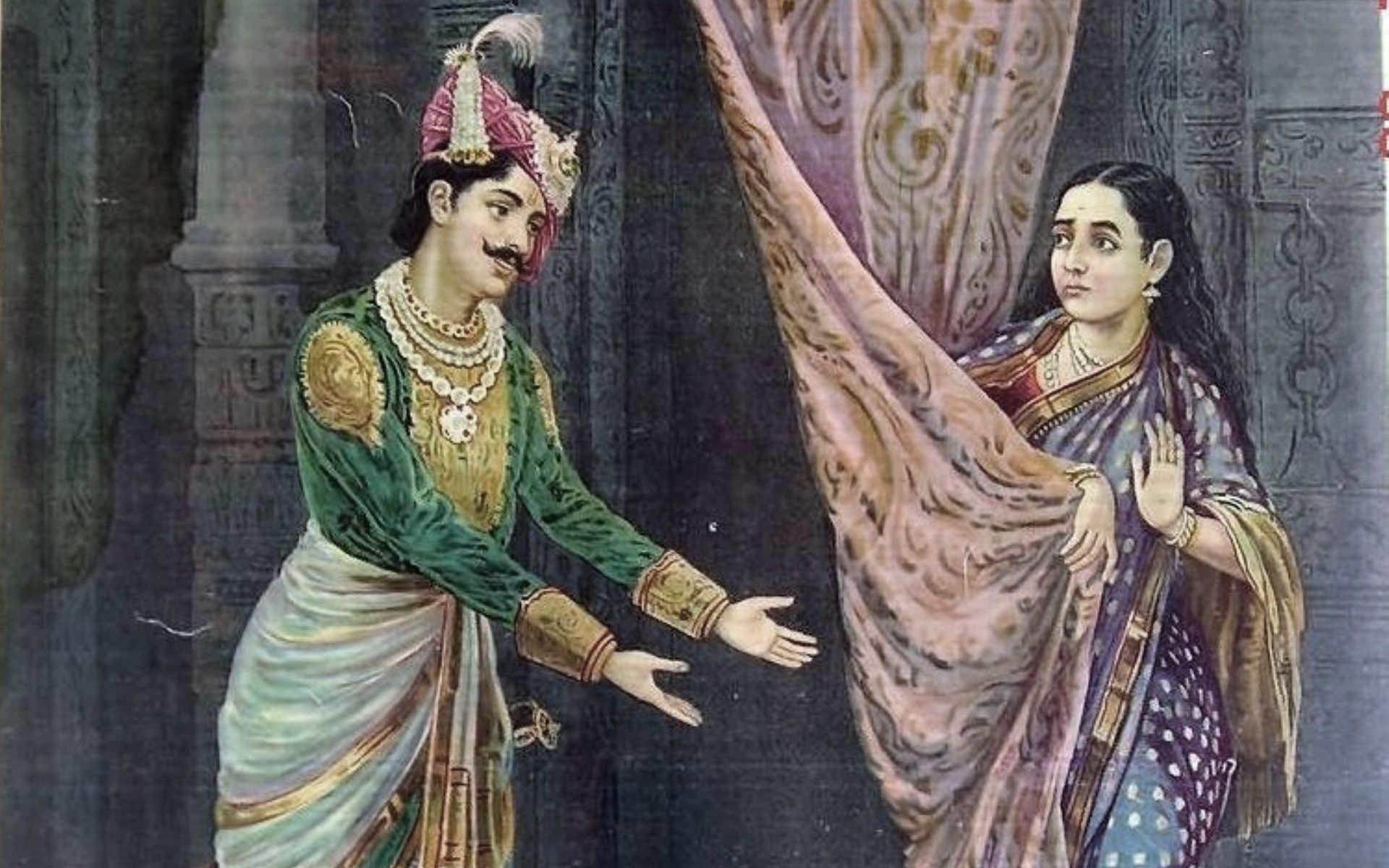
Draupadī told Bhīma, “What is that which ails the wife of Yudhiṣṭhira? Knowing only too well all my sorrows, why do you ask me again? That Prātikāmi addressed m...
Kīcaka’s joy knew no bounds when he saw Sairandhrī. He felt like a person who had found a boat just by chance when he badly wanted to cross a lake. He said, “Sa...
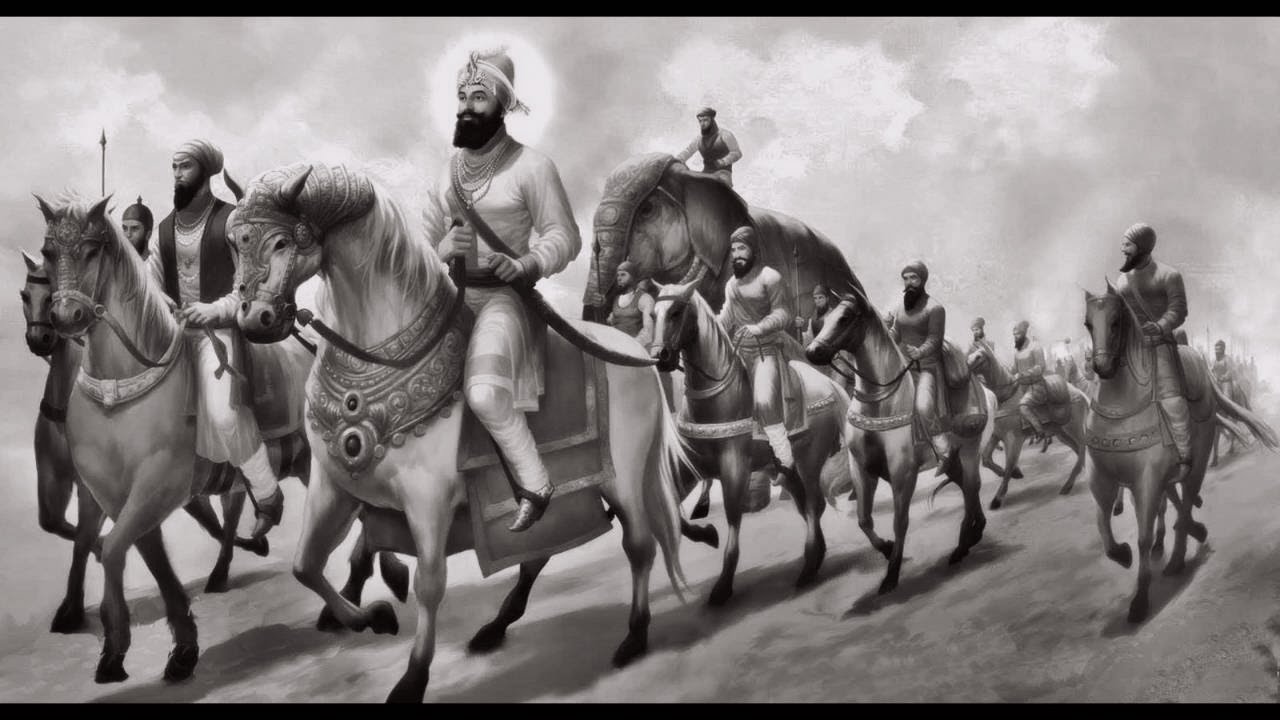
Deeply pained at the persecution and suffering of his children and followers, Gobind Singh decided to form a separate sect in order to fight the Mughals. This w...
Sahadeva entered Virāṭa’s court in the guise of a cowherd. “O king! I tended the cows of the Pāṇḍavas. I don’t know where they are now. I’ve come looking for em...
Aurangzeb attacked Kashmir and attempted to kill all the Kashmiri Pandits. Struck by the fear of death, they requested the king of Kashmir to surrender the king...
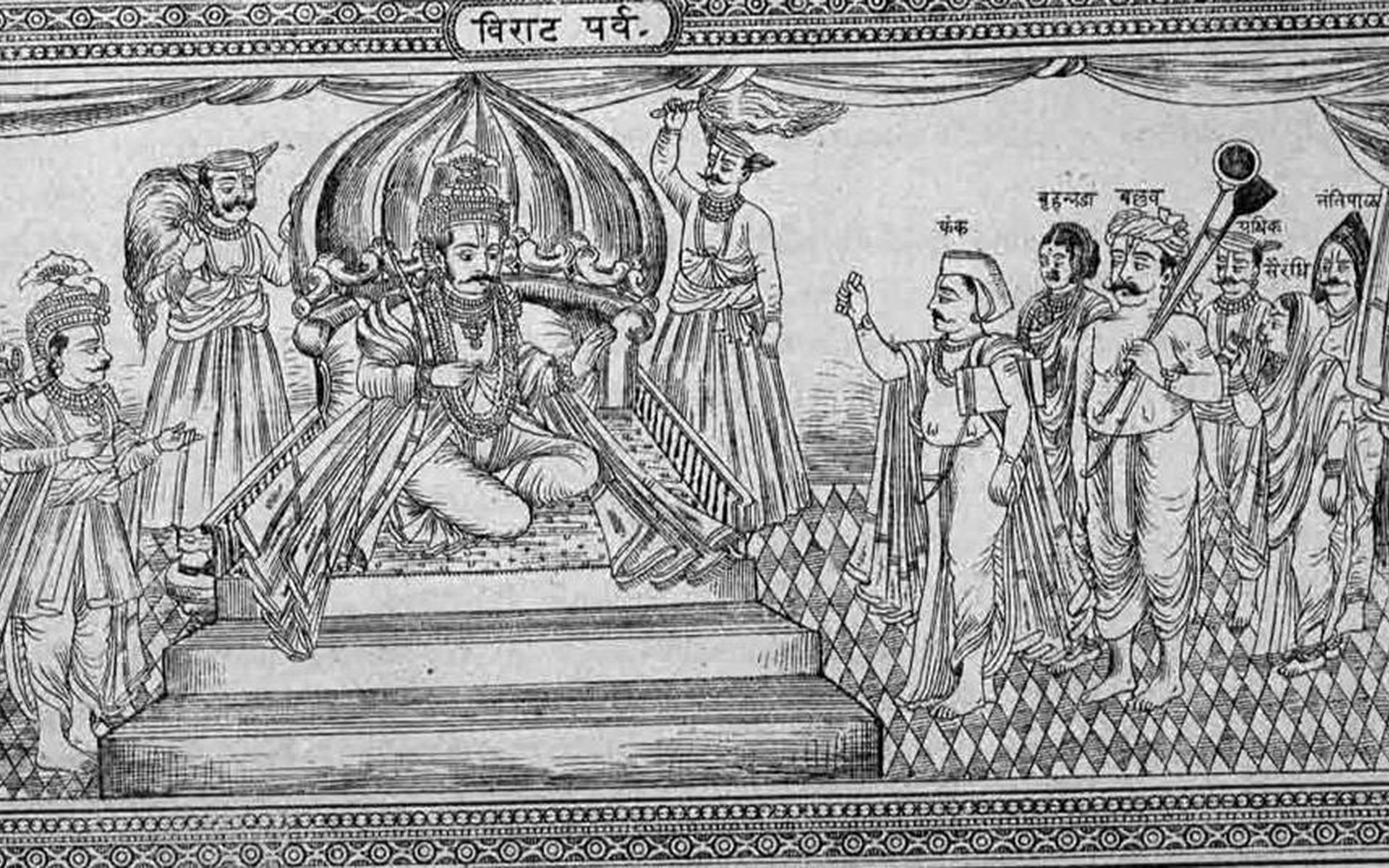
VIRĀṬA-PARVA The Pāṇḍavas spent twelve years in the forest in this manner. One day, Dharmarāja called his brothers and said, “It has been twelve years since we...
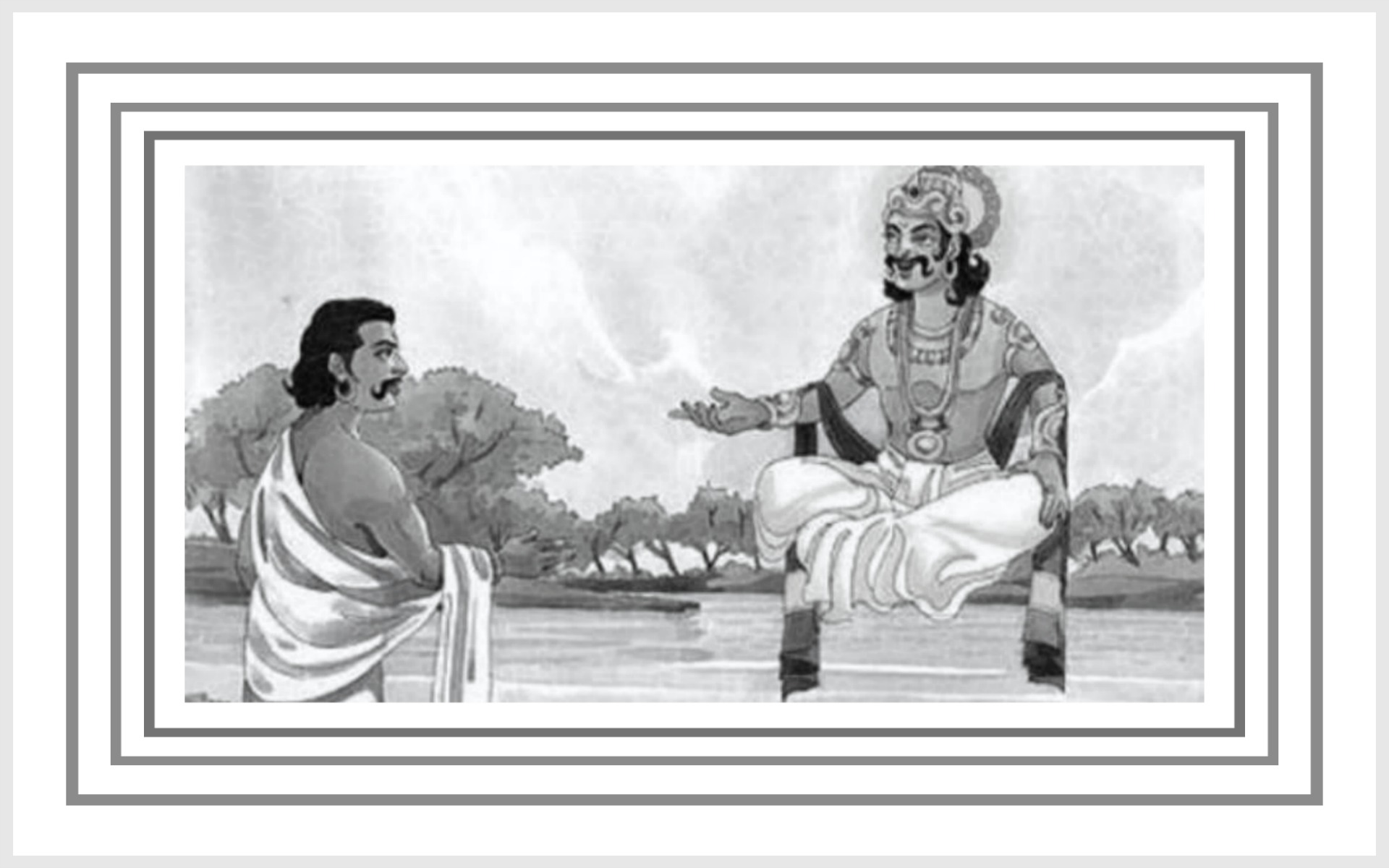
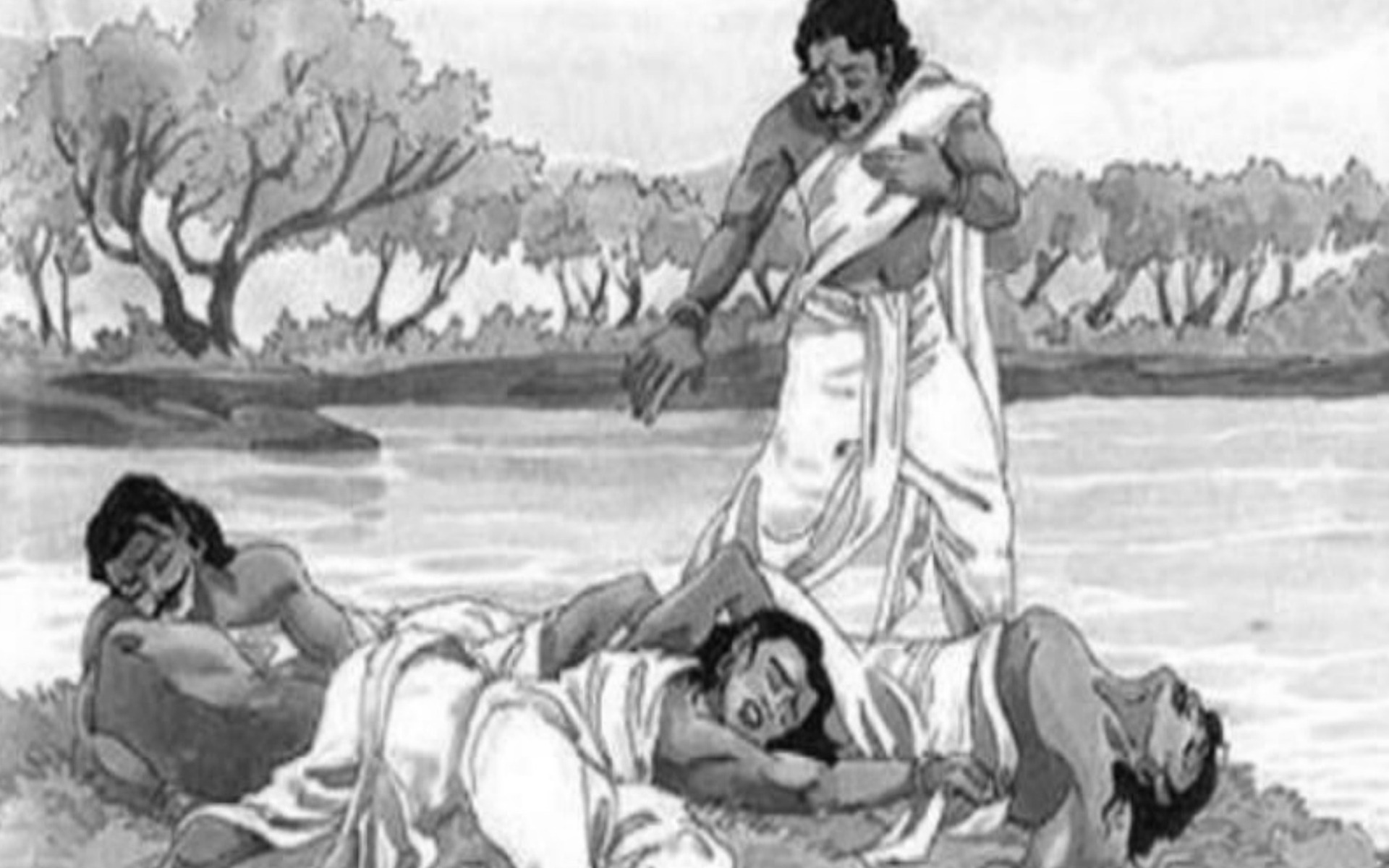
Yudhiṣṭhira told the Yakṣa, “O revered one! I do not desire that which belongs to you; the noble ones do not appreciate such behaviour. I shouldn’t indulge in s...
Some historians have expressed a doubt that Maharana Pratap Simha wrote a letter of surrender in his last days. However, this has not been established conclusiv...
Hemachandra Vikramaditya: The Emperor Deprived of Fame In the history of India, there have been a few decisive wars. The Battles of Panipat also form a part of...
Upon listening to the story of Sāvitrī, Yudhiṣṭhira experienced a great deal of relief; he did not allow any more worries to plague his heart, and after spendin...
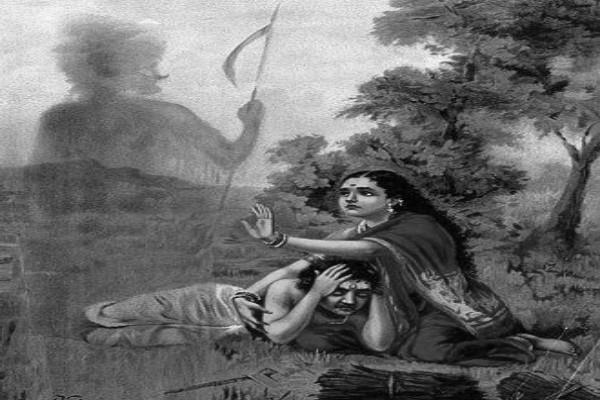
After Yama left, Sāvitrī returned to the place where her husband’s lifeless body lay. She placed his head on her lap once again and Satyavān slowly came back to...
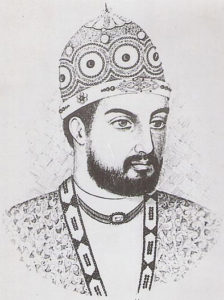
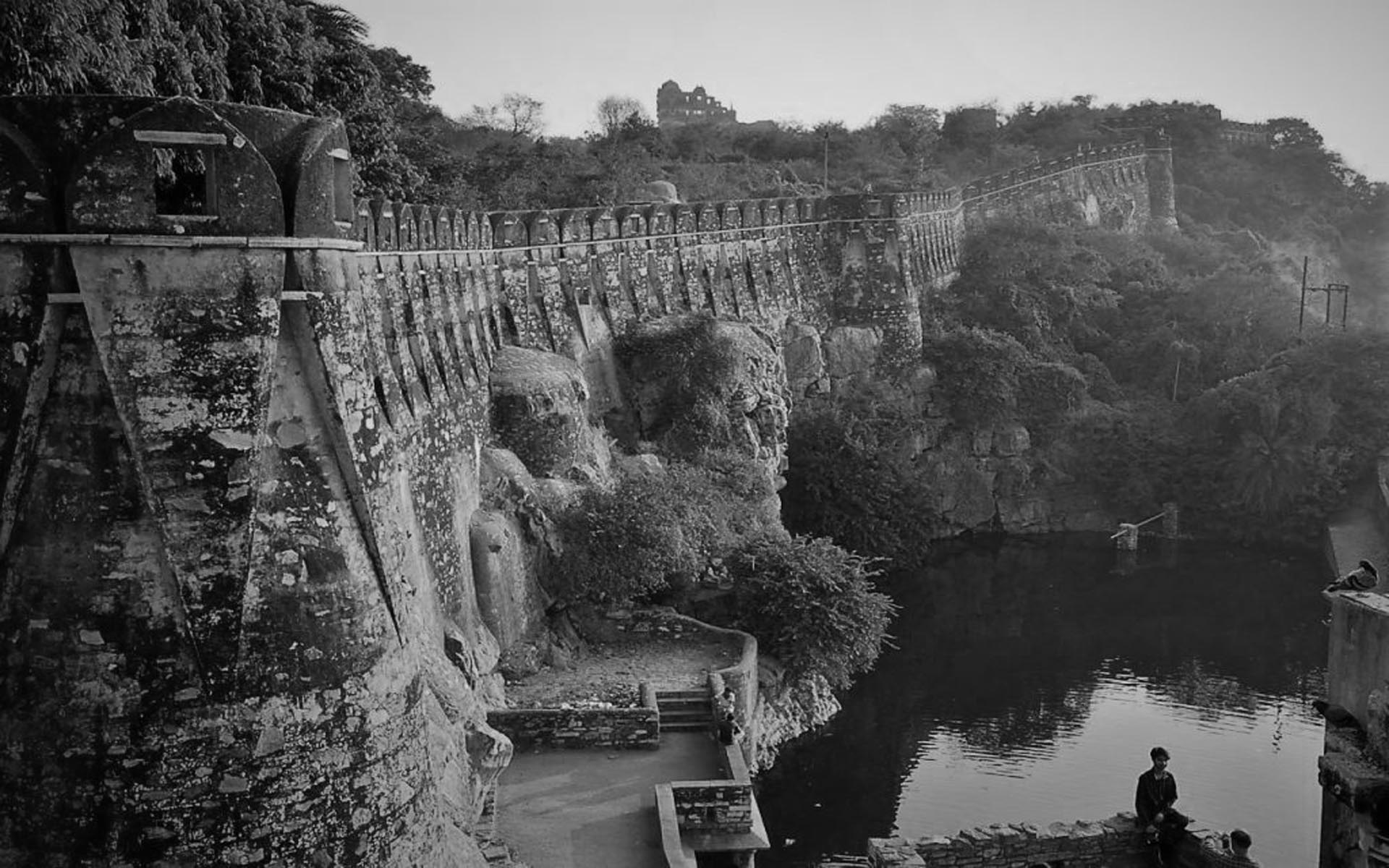
Ala-ud-din Khalji raided Chittorgarh and took its king Raja Ratan Singh as his prisoner. Rani Padmini was the wife of this same Raja Ratan Singh. Khalji pretend...
The couple gathered fruits and put them together in a bundle. As Satyavān was working on the logs, his body began sweating all over. He had a tremendous headach...
In the kingdom of Madra, there lived a king named Aśvapati who always abided by dharma and truth and was loved by everyone. He did not have any children even th...
When this was the perilous condition of Sanatana Dharma, it was the Rajputs who faced the aggression unleashed by Muslims. The history and contributions of the...
Just as Śani approaches Rohiṇī for pleasure, Rāvaṇa decked himself up in expensive clothes and ornaments and went to Sītā. He described his achievements and wea...
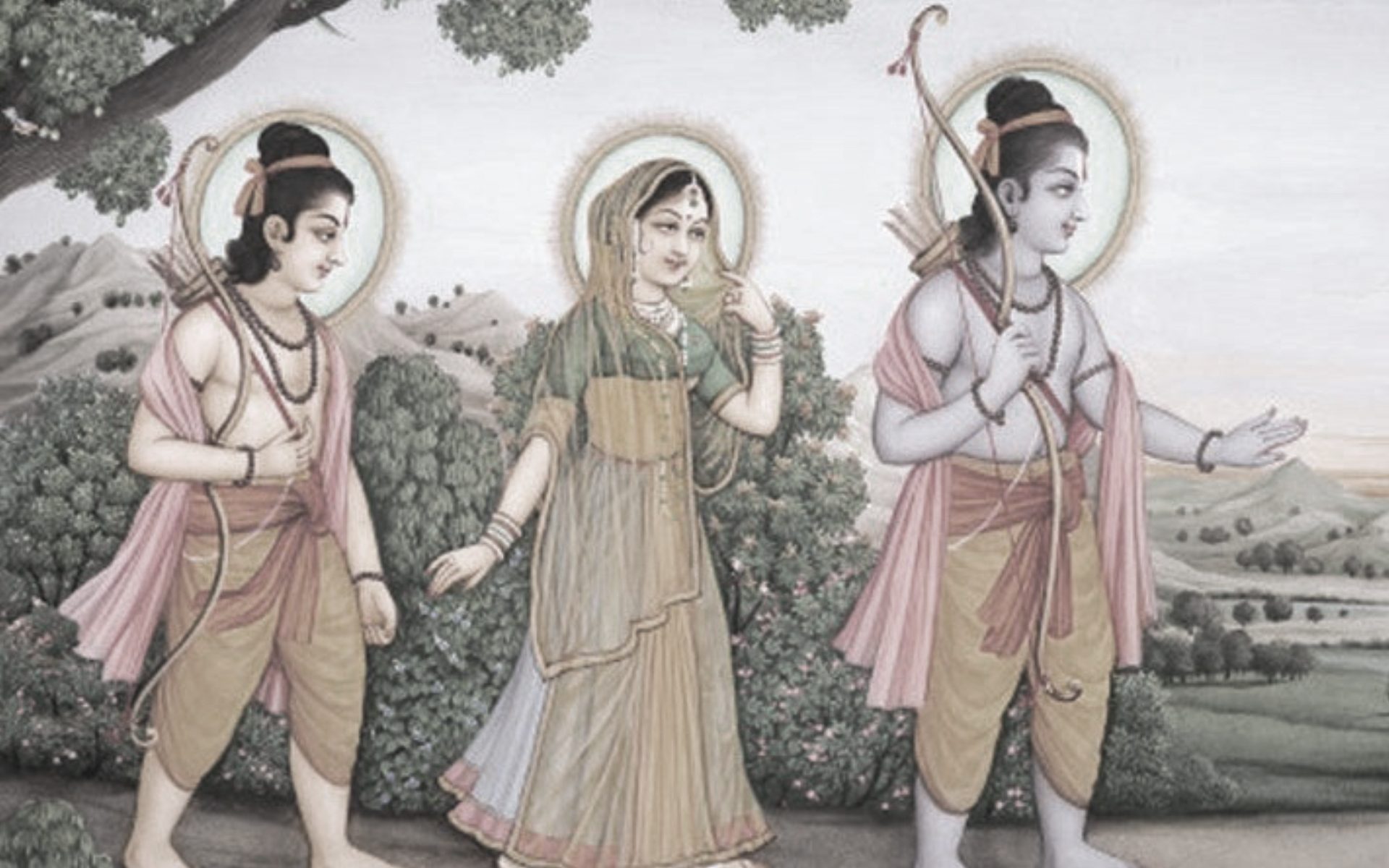
Worried that the citizens of Ayodhya may yet again come to the forest, Rāma left the great forest, went to the banks of the beautiful Godāvarī river, and began...
Malik Kafur came to Devagiri, which was at the forefront of South India. Ramachandra was the king of that region. Initially, all of Malik Kafur's ruthless attac...
There was a great king named Aja in the Ikṣvāku dynasty. Daśaratha was his son. He had four sons who were all experts in dharma – Rāma, Lakṣmaṇa, Bharata, and Ś...
Our 'leaders' and 'intellectuals' have turned a blind eye to the rampant whitewashing of the atrocities committed [by the Muslims]. And so, we can observe a few...
Sometime after this episode[1], Duryodhana felt that he too should perform a grand yajña like Dharmarāja. Upon learning of this, Karṇa said, “Indeed! This can t...
A Muslim could silence a Hindu as per whim and hurl abuses on him without any repercussions. And as for a Hindu, he had to quietly swallow all humiliation witho...
The entourage[1] that left from Hastināpura to Dvaitavana camped at a place near the villages of the cowherds. They set their tents up making sure that there wa...
Prithviraj was the last Hindu king of Delhi. It was he who originally had the Red Fort built; scholars opine that it changed due to the Islamic invasions. Base...
The sage Mārkaṇḍeya narrated several traditional stories to the Pāṇḍavas during their stay in Dvaitavana. The story of Dharma-vyādha is one among those. There...
K M Munshi writes in his preface to the fifth volume of the History and Culture of the Indian People, “The year A.D. 1000 was a fateful year for India. In t...
Dakshinamurti Shastri hailed from Kollegal. He was a vaidika[1] from birth; a person who was absorbed in the study of the Vedas. He was also one who deeply enga...
One day, the northeast winds brought along with a divine Saugandhika flower.[1] Deeming this to be an auspicious omen, Draupadī picked up the flower, went to Bh...
From here onwards we shall specifically focus on the nature of the barbaric assault on India by the Islamic forces from West Asia and its unfortunate results; i...
The Pāṇḍavas longed for the company of Arjuna and were getting bored without him[1]; they set out on a tīrthayātra (pilgrimage) with the intention of acquiring...
After the demise of Prataparudra, it was the Reddy Kings who faced Muslim invasions in Andhra. Prominent among are Vema Reddy and his younger brother, Malla Red...
Keśinī met Bāhuka and asked him when they had started for Vidarbha, how long they had travelled and what the purpose of their visit was. He told her that they h...
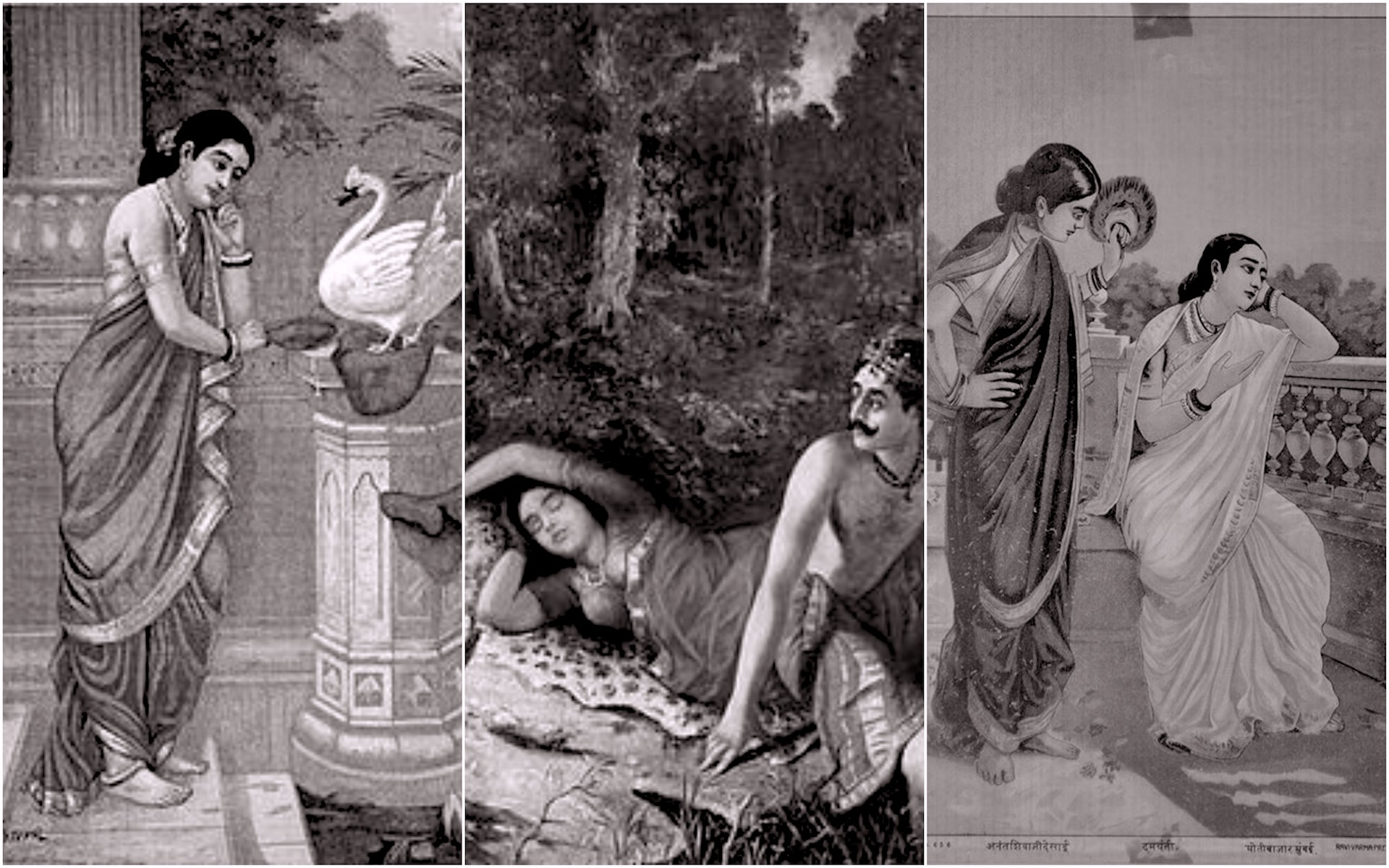
The brāhmaṇas left in search of Naḻa, as per the words of Damayantī. Several days later, a brāhmaṇa named Parṇāda came back and said to Damayantī, “Mother! As p...
Then we notice the ascent of the rule of the Nayakas in Tamil Nadu. This royal branch was a part of the Vijayanagara Empire itself. After the Cholas, the Pandya...
Thereafter Damayantī continued walking in the dense forest. After crossing several hills, mountains, and rivers she finally came across a walking trail. She beg...
And then Rajendra Chola arrived on the scene. He has been known by such various honorifics as Gangaikonda Chola, Gudigonda Chola, Kadaramgonda Chola and Pandita...
Kali had to wait for a whole twelve years until he could find a flaw in Naḻa. He went to Naḻa’s friend Puṣkara, instigated him to invite Naḻa to play a game of...
The name Nrpatunga has a pre-eminent place in the hearts of the Kannada people. He has gained such fame because of the treatise Kavirajamarga, which he composed...
There lived a king named Naḻa in the province of Niṣadha. He was strong, virtuous, handsome, and was considered foremost among the kings. The province of Vidarb...
And now we can turn our focus towards the Vijayanagara Empire which was ruled by the four royal dynasties of Sangama, Saluva, Tuluva, and Aravidu. Among these,...
Arjuna stood there and undertook a terrible penance, subsisting entirely on fruits and leaves. Aggrieved by this, all the great seers in that region went to mee...
Pre-eminent among the kings of Karnataka is the Kalyani Chalukya emperor, Vikramaditya VI. He was the son of Someshwara I. Fortunately, he had the poet Vidyapat...
Draupadī said, “I am not denigrating dharma nor am I criticizing the Supreme; I'm just lamenting about my difficulties. The fruit of the action manifests itself...
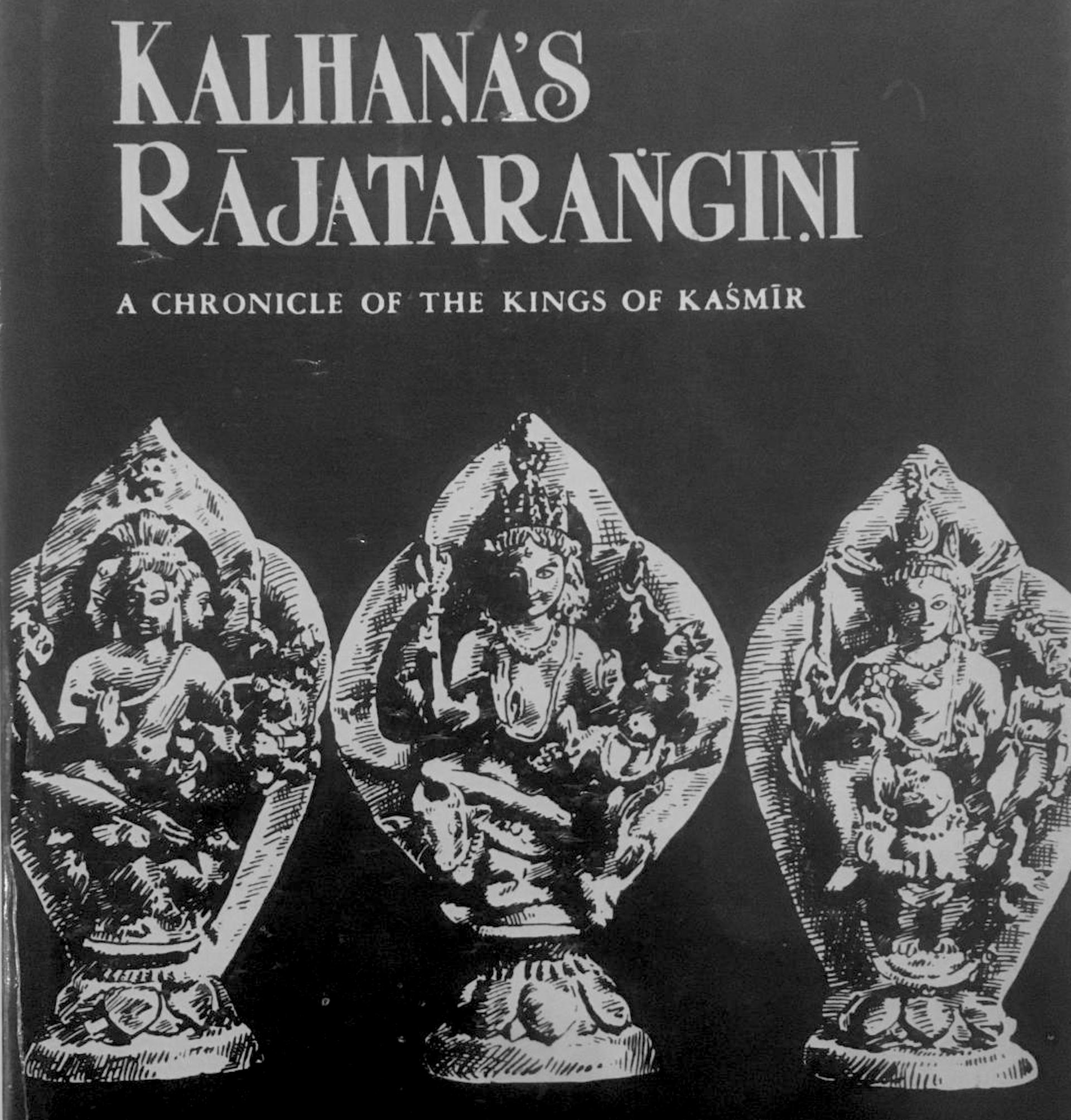
Kalhana in his Rajatarangini (11th Century CE) has written about Chandrapida, the ruler hailing from the Karkota dynasty. He was renowned for delivering justice...
Kirmīra was an asura endowed with magical powers who inhabited the Kāmyaka forest. He was a brother of Bakāsura and a friend of Hiḍimba; Bhīma killed him. When...
Age of Glory In the recent writings on Indian history, there are several episodes and events that have been given undue respect and importance. Several details...
ARAṆYA-PARVA After the Pāṇḍavas lost the game of dice, they took their weapons and set out along with Draupadī in a northern direction, leaving Hastinagara beh...
Here we see a fluttering of the left eye of a woman separated from her husband. For women, this is a good omen indeed! Anticipating the return of her husband, s...
One has to really admire the cleverness of some of these two-timing women. One of them turned in a fine performance of bawling after having, apparently, been st...
We shall now go back in time by nearly two thousand years. Behold! Godavari flows in a mellifluous melancholic tune. Swaying the entire countryside near Pratiṣṭ...
The Shield of the Senas Ramapala was the last of the Pala emperors and he was overthrown by the rise of the Senas, who were kshatriyas from Karnataka. The forem...
Śakuni said, “King Yudhiṣṭhira! Dhṛtarāṣṭra has arranged for the return of all your wealth; what he’s done is right. I’ve now suggested a condition that’s great...
M S Puttanna was a person who toiled for the revival of Kannada right from the beginning. During his initial days, he worked for a while along with Venkatakrish...
This episode of the tradition of Kshatra in India expounds on the blazing trail of glory left behind by the Pala Dynasty ruling primarily from Bengal.
Duryodhana began taunting Dharmarāja who had remained silent all this while. He said, “O great king! Bhīma, Arjuna, and the twins are your followers. They liste...
Any Empire that firmly sustains for at least 220-250 years can be called a successful Empire. A protracted and vigorous rule over a geographical spread roughly...
Duśśāsana pulled Draupadī’s garment and taunted her in vulgar language, even as she lamented, looking helplessly at the pale faces of her husbands. Her garment...
After Krishnadevaraya’s death, Achyutaraya just managed to run the kingdom. He wasn’t particularly competent. And by the time of Ramaraya, the kingdom had compl...
Vidura’s advice fell on deaf ears. Śakuni said to Dharmarāja, “Yudhiṣṭhira, you’ve lost a lot of wealth. Tell us if there is something you haven’t yet lost!” Y...
An emperor as powerful as Pulakeshi II had to face numerous struggles during his last days. His brother “Kubja” [Short] Vishnuvardhana would repeatedly rise in...
Yudhiṣṭhira welcomed Vidura with great joy at Khāṇḍavaprastha. He enquired after the wellbeing of Dhṛtarāṣṭra and his sons. Observing that Vidura’s face l...
Badami Chalukyas Another great luminary whom we must consider alongside Harshavardhana is Immadi Pulakeshi (Pulakeshi II). He belongs to the Badami Chalukyas. H...
Thus, all the impediments that had come in the way of performing the Rājasūya-yāga were removed; Yudhiṣṭhira completed the yāga successfully under the protectio...
The fact that Shiladitya Harshavardhana developed greater fondness towards Buddhism in his later years is evident from his own writings. Three Rupakas whose aut...
With the killing of Jarāsandha, the greatest obstacle for the Rājāsūyayāga was removed. But Yudhiṣṭhira still needed to subdue the other kings or have a treaty...
In the later part of the Gupta Era, we see the rise of Sthaneshwar, which is on the banks of the Ganga. It lies between Ambala and Delhi, near Kurukshetra. A gr...
SABHĀ-PARVA Maya was a sculptor of the rākṣasas. He was one of the few who remained alive without getting charred to death when the Khāṇḍava forest burned; out...
In this discourse about the tradition of kṣātra in India, at every step, the storyline goes up and down, backwards and forward. It is my desire that a...
In the north, Arjuna went to Gaṅgādvāra, the Agastyavaṭa in the Himalayan region, Vasiṣṭha mountain, Hiraṇyabindu, and other pilgrimage centres; in the east, he...
Kumaragupta   Some of the so-called historians in an attempt to tarnish the Gupta Empire have made ridiculous attempts claiming “Kumaragupta had absolutely...
Vidura said, “Dear king! Friends must indeed say only that which brings welfare; words that are disagreeable don’t fall on your ears; Bhīṣma and Droṇa have spok...
An entire galaxy of eminences in Astronomy such as Brahmagupta, Varahamihira, Aryabhata and Bhaskara I belonged to the Gupta Era. A major benefit that ensued as...
Duryodhana’s spies brought news that Draupadī was married off to the Pāṇḍavas; the archer who bent the bow, strung it, and shot the target was none other than A...
We must observe the magnanimity of the Gupta period. This open-mindedness and magnanimity springs from Sanātana dharma and the people of that era had truly gras...
Drupada heard the words of Dharmarāja sent through the purohita and was yet unable to determine the clan and the family lineage of the groom; so he thought of a...
Ancient Indians travelled widely abroad. They carried out trade with several countries. It was not just the traders and businessmen who travelled widely but peo...
As the celebration of the svayaṃvara started, the crowd at the venue kept growing; actors and dancers entertained them and were rewarded with precious...
If some amount of inertia has crept into the framework of Sanatana Dharma in our age, the responsibility for reinvigorating it falls squarely on our shoulders....
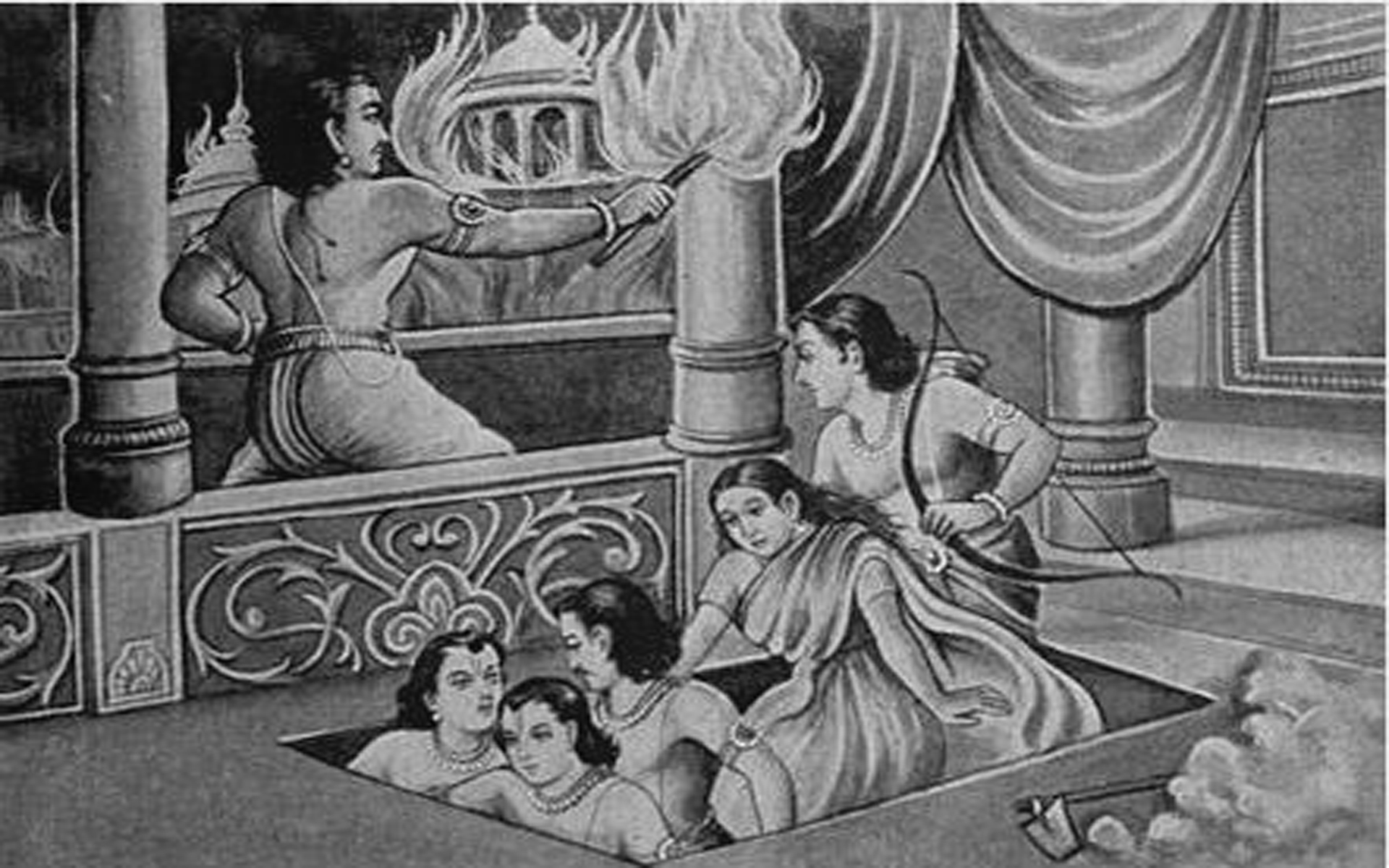
[The following sub-stories appear in the Ādi Parva of the Mahābhārata, Adhyāyas 158–74] The brave Pāṇḍavas travelled day and night and arrived at a holy place c...
Several historical evidences including some coins attest that Ramagupta assumed power after the demise of Samudragupta. We also have a play titled Devichandragu...
In the meantime, the other Pāṇḍavas returned home after their daily round of seeking alms. Looking at Bhīma’s face, Yudhiṣṭhira guessed that there must be somet...
Buddha approved of and loved both the system of republics as well as the system of monarchy. He himself came from a republics establishment; he belonged to the&...
The Pāṇḍavas wandered from one forest to another for several days.[1] [Starting from Vāraṇāvata, they travelled through the provinces of Matsya, Trigarta, Pāñc...
Samudragupta had a wife named Dattadevi. Ramagupta and Chandragupta Vikramaditya were their sons. We are fortunate to know their names and other details fr...
After their escape from Vāraṇāvata, the Pāṇḍavas went southward, moving quickly in the light of the stars, and reached a dense forest. By this time, all of them...
The multi-volume History and Culture of the Indian People, a definitive work authored by numerous scholars, contains the most accurate and clear history of the...
After Dhṛtarāṣṭra spoke to Yudhiṣṭhira [regarding the trip to Vāraṇāvata], Duryodhana was delighted and summoned Purocana to meet him in private. Duryodhana hel...
The preeminent name among the Gupta Dynasty is Chandragupta I. He was the son of Ghatotkachagupta. He had married Kumāradevī of the Licchavi clan. Subsequently,...
Gupta Age, Indian Classical Age, Kshaatra, Hinduism, Warrior Spirit, Srigupta, Ghatotkachagupta, Vaishya, Gupta Dynasty
At the fag-end of the tournament, when they heard the tumultuous sound at the gates, filled with wonder the spectators asked, “Have the mountains crumbled?” “Ha...
Public life is replete with seeming paradoxes. A person closely involved in the public space cannot be hassled by what other people think about him but if someo...
There lived a teacher by name Kṛpācārya[1] who taught archery to the kings of the Vṛṣṇi clan and other kṣatriya clans. The Kauravas and Pāṇḍavas were his discip...
Pushyamitra Shunga tried to liberate Bharata’s lands under Greek occupation. The Greek invasion that began with Alexander continued till the time of Menander. T...
As individuals, we can be utterly honest and upright. But that will not work at the societal realm. A public figure will have to resort to strategies. We see Kr...
Back at Hastināpura, Gāndhārī too was pregnant; even as she was carrying, she heard that Kuntī had given birth to Yudhiṣṭhira. She hadn’t given birth even after...
Marxist-Communist historians claim that because Pushyamitra Shunga was a brāhmaṇa, all events that occurred during his period were merely the revolt of brāhmaṇa...
The two children who were born to Satyavatī passed away at a young age. Satyavatī was saddened, thinking about her responsibility towards the lineage of her par...
Among Ashoka’s numerous children, Tivra, Mahendra, Kunala, and Jaluka were prominent. The Vāyu and other Purāṇas contain several details about this. Among them,...
When Akrura comes to Gokula and invites Krishna to participate in the dhanuryāga, he takes leave of his foster-parents Yashoda and Nandagopa, and goes off with...
ĀDI-PARVA नारायणं नमस्कृत्य नरञ्चैव नरोत्तमम् । देवीं सरस्वतीं व्यासं ततो जयमुदीरयेत् ॥ Having saluted Nārāyaṇa, the human and the divine; Sarasvatī...
A few Chinese travellers like It-sing have recorded that Ashoka was a saṃnyāsi and a Bauddha bhikkhu. They also state that they have seen a statue in this form....
With this part, we conclude the translation series of the preface to Vacanabhārata. The current article describes the literary approach of AR Krishna Sastri in...
The primary characteristics of the modern world are material wealth and individual freedom [c. 1950]. Today, an individual desires to be independent as much as...
There was a gap of about three hundred years between Buddha and Aśoka. Buddha lived in the 6th century BCE. He was born in 560 BCE. He saw the effulgence of kṣā...
The word ‘karma’ means ‘activity.’ In a narrower sense, it can also mean the Vedic rituals of yajña and yāga, building of socially useful amenities such as lake...
There are times when we face difficulties as a result of our own ignorance, indiscretion, dullness of intellect, stupidity, etc., but at other times, we face di...
The Vagaries of Comforts and Discomforts Why are there difficulties, troubles, sorrows, and atrocities on earth? Nobody desires for these. Everyone wants to be...
Mahābhārata - Ahiṃsā The trait of sattva does not mean non-activity or lack of valour. The same can be said of ahiṃsā too. We have seen earlier that ahiṃsā is...
Fascinated by the Mahābhārata, Dr. S L Bhyrappa wrote the novel Parva in the 1970s, which narrated the human story of the epic, keeping aside the fantastical el...
Saṃnyāsa, Yajña-dāna-tapas By the time of the Mahābhārata, it seems that several people had given up worldly life and had taken up saṃnyāsa; they pract...
Bhīṣma, Yudhiṣṭhira, and Kṛṣṇa have been portrayed as the noble characters in the Mahābhārata. Among these, Yudhiṣṭhira looks upon Kṛṣṇa as an elder brother and...
In the previous episodes, we discussed about Shiva being an ideal at the level of the individual and Rama being the family ideal. We will now look at the life o...
According to the Gītā, dedicating every activity to the all-pervading brahman or working with divine inspiration is called ‘arcana’ (roughly translated as ‘wors...
We have seen earlier that prakṛti undergoes metamorphosis due to the loss of equilibrium of the three guṇas (sattva, rajas, and tamas) and this instability is i...
In the Ayodhyakāṇḍa, we see that Rama knew his subjects well and cared about them. He would often meet them and learn of their joys and sorrows. If they were ha...
The word ‘yoga’ has several meanings. In the Bhagavad-Gītā (2.48,50; 5.1,5,7), yoga is used in the sense of karma (activity) or karma-yoga (activity without sel...
When Dasharatha orders Rama’s banishment, he again rushes to his mother to give her solace. At that moment, Kausalya reminds Rama that the mother is a hundred t...
Philosophy in the Mahābhārata : Sāṅkhya A few things must be mentioned before entering into this discussion. As stated earlier, the extant Mahābhārata was comp...
When we discussed about Shiva, a lot of symbols were invoked. Instead of taking Shiva’s form and attributes at face value, we explored the metaphor. The reason...
Half of the extant Mahābhārata is dedicated to dharma and ethics. In the other half, the main story and the upākhyānas are present. Even if we consider the latt...
Dharma and Nīti (ethics) in the Mahābhārata Dharma is that which sustains and supports the world; that which upholds; that which nourishes and protects from de...
All the historians of the world have unanimously hailed Aśoka. That Aśoka was an ideal king has been widely circulated. In ancient times, no other king, in no o...
Shiva holds the Ḍamaru in one of his hands. This master of laya (dissolution) plays a laya-vadya (percussion instrument). It is said that from the beating of hi...
The Timeline of the Composition of Mahābhārata For over a century, scholars from Germany, France, England, and India have extensively studied the Mahābhārata a...
Adhyāyas 62-88 – Śakuntalopākhyānam, Vaṃśanukrama, Yayātyupākhyānam (Śakuntalā’s story, details of the lineage and Yayāti’s story) In these adh...
The fifty-seventh adhyāya of the Ādi-parva starts with the story of King Uparicara. Some scholars opine that this is the real beginning of the Bhārata epic...
In the Indian tradition, the deities Shiva, Rama, and Krishna have been revered by the learned and the lay for millennia. While Rama and Krishna were historical...
The personalities of Chanakya and Chandragupta were of similar eminence, similar spirit; the supreme testimony to this fact is that such a large empire was mana...
Adhyāyas 54-61 : Ādivaṃśāvataraṇa -parva The ādivaṃśāvataraṇa-(upa-) parva spans eight adhyāyas – from the fifty fourth to the sixty first. In the beginning of...
Adhyāyas 4-12. Pauloma-parva The adhyāyas from 4 to 12 form the Pauloma-parva. Just like the anukramaṇikā (prologue), this section starts with a prose passage....
The third adhyāya of the Ādi-parva contains the ‘Pauṣya’(upa)parva. The Sūta, Ugraśrava tells the story of Uttaṅka. After completing his studies, Uttaṅka sets o...
Adhyāya 2. Parvasaṅgraha-parva The second adhyāya contains the Parvasaṅgraha section. This contains information such as the...
This Vyāsa-pūrṇimā, Prekshaa is delighted to present a translation of the masterly introductory essay of A R Krishna Sastri to his magnum opus, the Vacana-...
As instructed by K Ramachandra Rao, I went to meet K A Krishnaswamy Iyer. During those days, he lived in his own house on 5th Cross, Basavanagudi (behind the ho...
Kautilya absorbed the best from the system of republics; he also brought back the ashvamedha conception of an empire. Both these conceptions have their roots in...
I don’t deem it inappropriate to concisely present a collection of my musical experiences over the last sixty to seventy years. As in the case of so many other...
The big problem with the system of republics is the constant infighting. Since their vision is so narrow, when there is an attack from an external enemy, these...
There was a certain amount of misrule and evil during the reign of the Nandas. A powerful force awoke that would destroy all that evil from the past. That was C...
The concluding part of DV Gundappa's profile of the prolific and erudite Sanskrit and Kannada scholar and grammarian, ‘Vaiyakarani’ Garani Krishnacharya.
A profile of the late Sanskrit and Kannada Grammarian and teacher, “Vaiyakarani” Garani Krishnacharya.
The Influence of Alexander (continued) When a great emperor decentralizes a vast kingdom, if he doesn’t use his absolute sovereignty to establish friendly relat...
D V Gundappa profiles one of the doyens of Kannada Sahitya Parishat and founder of the Basavanagudi Union and Service Club, Prof. Bellave Venkatanaranappa.
The Magadha Kingdom With this background, when we see the Magadhan kingdom, we find that the Shishunagas ruled there first. Then came the Nandas. The last king...
A moving profile of Dr. Achyuta Rao, a medical doctor who was one of the founders of the iconic Kannada Sahitya Parishat. He was a well-known philantrophist as well.
Profile of eminent teacher, translator and theosophist, R Raghunath Rao.
Now from the Vedas, Itihasas, and Puranas, we come to the era of reality. As such, there is no separate demarcation that separates our ancient texts from histor...
D.V. Gundappa's moving essay on Shivapicchai Mudaliar, an ordinary mason who showed how to live a truly spiritual life.
There are many references to show that women too were endowed with the spirit of kshaatra. For instance, in the Ramayana, we have the Kaikeyi episode. When Dash...
D.V. Gundappa's profile of the yesteryear Carnatic Classical Music great, Chintalapalli Venkataraya translated by Hari Ravikumar.
In the Vedas, alternative words for kshatriya are ‘गोप,’ ‘पशुप,’ ‘शर्धा,’ ‘व्रात,’ etc. The word ‘गो’ has ten meanings of which one of them is ‘earth.’ Other me...
In our tradition, of the lineage of seers, the family that stands out is the Bhrguvamsha (or the Bhargavavamsha). Bhargava was one of the leaders of our country...
Awareness of Kshaatra in Kalidasa Arguably the greatest of poets, Kalidasa, shows clearly in the Raghuvamsha how a kingdom should nurture kshaatra and how it sh...
The Mahabharata was also known as Jaya (victory). By using the word ‘जय,’ Vedavyasa speaks of kshaatra and valor. There, both dharma and adharma are permanent,...
When describing Rama, Valmiki says, “कुलोचितमिति क्षात्रं धर्मं स्वं बहुमन्यते” in the beginning of the Ayodhya Kanda (1.16). Rama opined that kshaatra was the...
The maxims that can be gleaned from the Ramayana and Mahabharata are predominantly destruction of the wicked and protection of the righteous. Investigating into...
One day, sometime during 1905-06, at about 10 in the morning, my grandfather’s brother was sitting at the veranda of our house, chatting with someone. At that t...
In both the Vedas and the Puranas we can see a lineage of seers and kings. Again and again we see a reference to the panchajana in the Vedas; it is a reference...
In the dharmashastras, there are sections exclusively dedicated to raja-dharma that are both specific and elaborate. In the smrtis of Manu, Yajnavalkya, Narada...
In 1906 or 1907 Swami Abhedananda honored Bangalore by his visit. He was one of the direct disciples of Ramakrishna Paramahamsa. During his visit to the Unites...
In the राजनीति (politics) and युद्धनीति (warfare) sections of the Atharva Veda, there is a prayer – “O deities! Ensure that we don’t have any enemies at all...
In the Yajurveda, we see manifestly the greatness accorded to the essence of kshaatra. An important representative of the essence of kshaatra is the ashvam...
The Age of the Vedas: Indra – a great symbol for kshaatra In the Vedas, Indra has been called Purandara. It means that he is the Indra who destroyed the puras...
Since how long has the spirit of strength and courage been in the world? Indeed for thousands of years. In the Upanishads – the preeminent portion of the Vedas...
The Age of the Vedas: Origin of the word ‘kshatriya’ It is said that the word ‘kshatriya’ comes from the root word ‘kshi.’ Even here, opinions differ. In Yaska...
The Age of the Vedas: Introduction According to the Puranas, there are no more kshatriyas left in the world; नन्दान्तं क्षत्रिय कुलं – with the fall of the Nan...