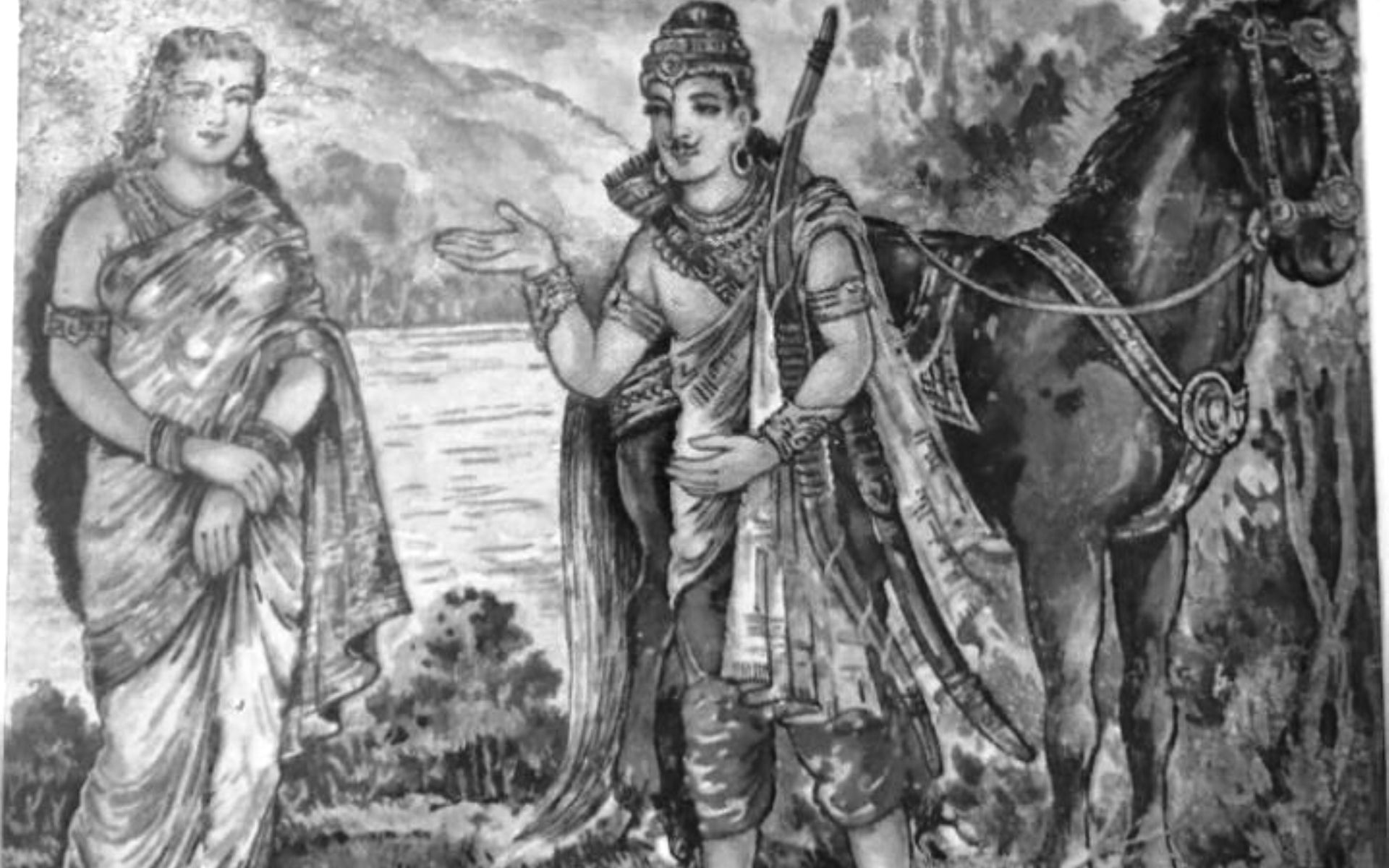
Saṃskṛta-nāṭaka - Prasanna-rāghava and Jānakī-pariṇaya
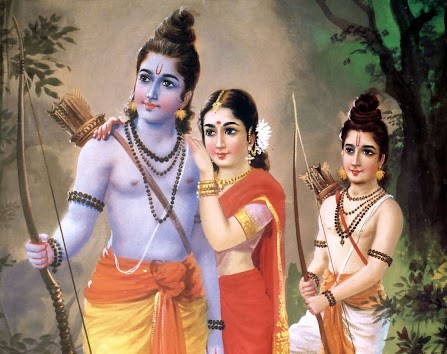
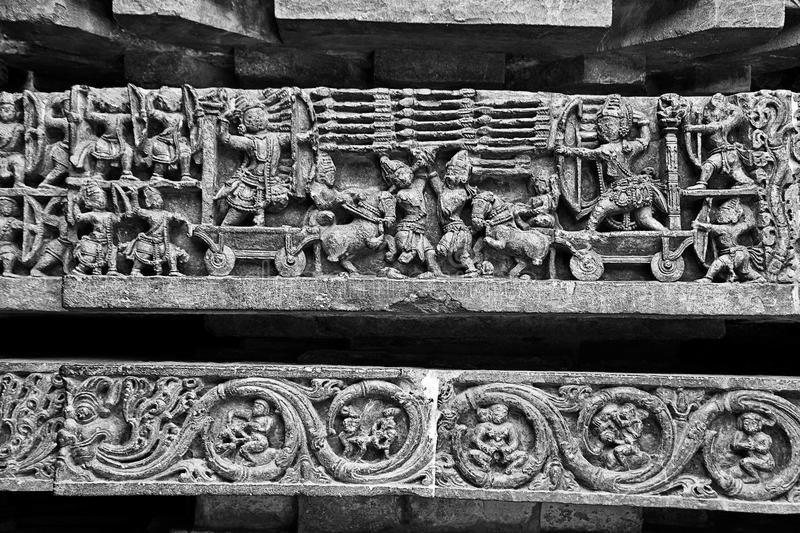
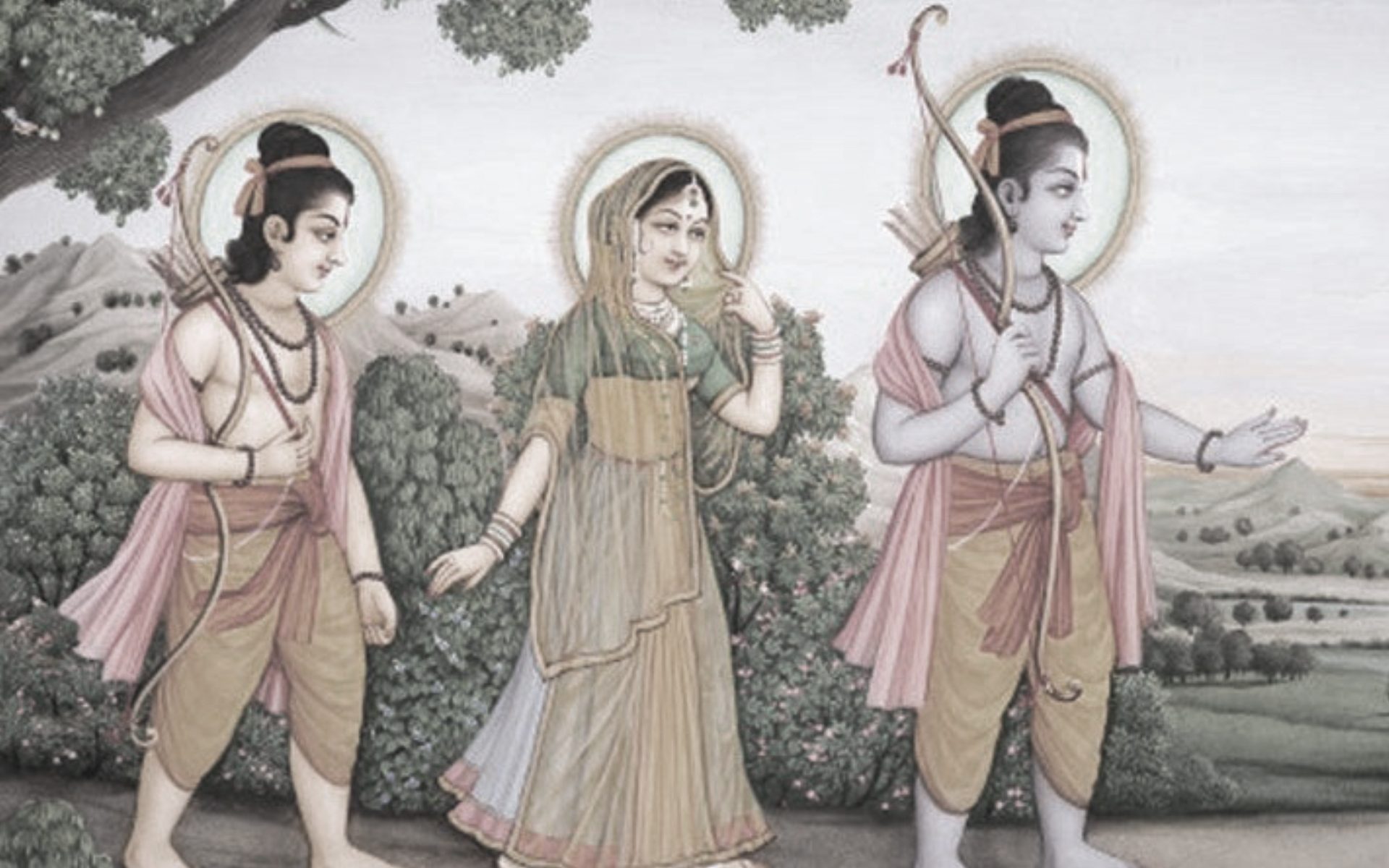
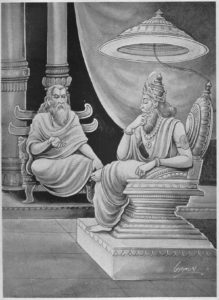
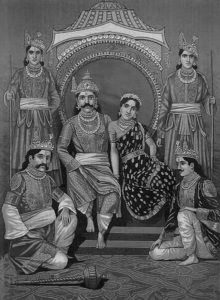
Prasanna-rāghava Jayadeva, the author of Candrāloka, has also penned a play called Prasanna-rāghava. The play in seven acts narrates the story of the Rāmāyaṇa...
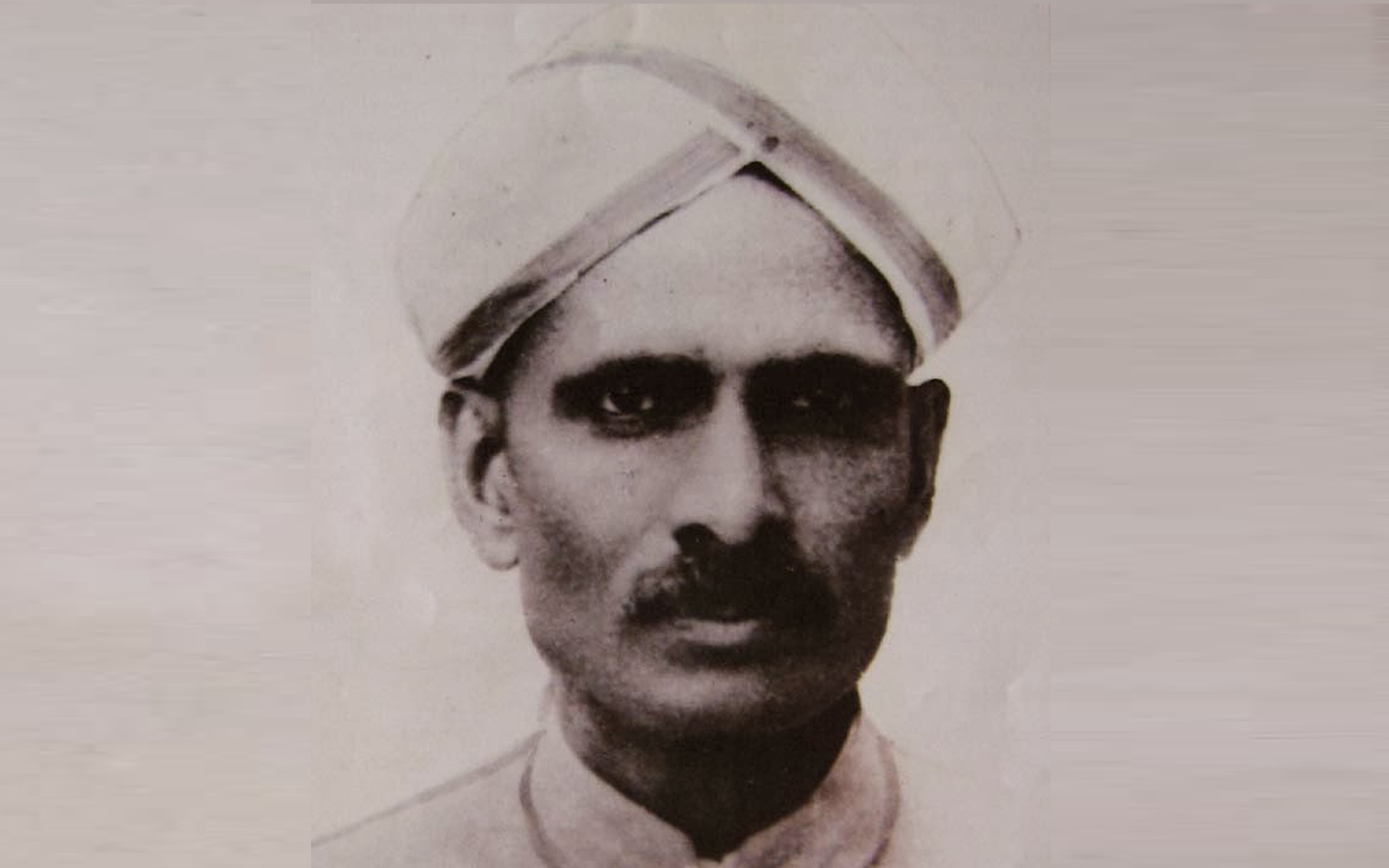
Prof. A R Krishna Sastri was a journalist, scholar, polyglot, and a pioneer of the modern Kannada renaissance, who founded the literary journal Prabuddha Karnāṭaka. His Vacana-bhārata and Kathāmṛta are classics of Kannada literature while his Saṃskṛta-nāṭaka and Bankimacandra are of unrivalled scholarship.
Prasanna-rāghava Jayadeva, the author of Candrāloka, has also penned a play called Prasanna-rāghava. The play in seven acts narrates the story of the Rāmāyaṇa...
Āścarya-cūḍāmaṇi Śakti-bhadra, who belongs to the Malabar region, is the author of Āścarya-cūḍāmaṇi. The play in seven acts contains the story of the Rāmāyaṇa,...
The Hanūmannāṭaka, which is also called the Mahānāṭaka narrates the entire story of the Rāmāyaṇa. The play is famous more for its unique structure and less for...
From the Uttara-kāṇḍa of Vālmīki’s Rāmāyaṇa, we learn that Rāma had made up his mind to perform the aśvamedha accompanied by the golden image of Sītā. He does n...
The Kundamālā is a play in six acts based on the Uttara-rāmāyaṇa. The following is the summary – Lakṣmaṇa, as per the command of Rāma, drops off a pregnant Sīt...
In 1923, Mānavalli Rāmakṛṇa-kavi and Rāmanātha-śāstrī compiled and published the play called Kundamālā authored by Diṅnāga. Later, they declared that the name i...
By the beginning of the tenth Century CE and more so in the later years, Sanskrit literature had turned into a barren land. The history of Sanskrit drama that f...
In sum, the subject matter of the play is Advaita-vedānta; the play also has passing references to the other darśanas as well; avaidika matas such as Jaina and...
Kṛṣṇamiśra (11th Century CE) It is likely that Kṛṣṇamiśra, the author of Prabodhacandrodaya lived in the second half of the eleventh century CE. We can say s...
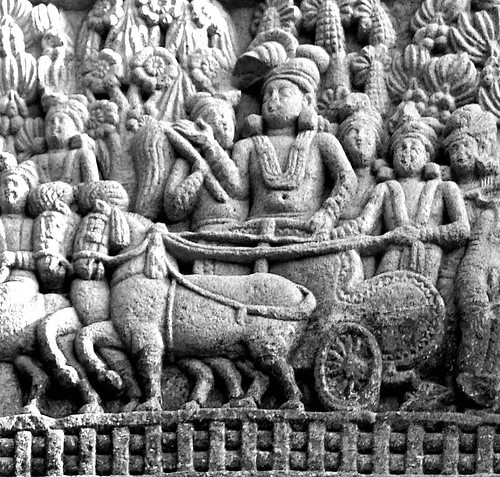
The story of Hariścandra is quite old, and it dates back to the Vedic times; as it won the hearts of the people at large, it gathered more substance with time;...
Kṣemīśvara, also called Kṣemendra, is the author of a play called Caṇḍa-kauśika. The introductory segments of his play reveal to us his place and period to some...
The king finally marries not one, but two women of his antaḥpura with the help of his queen. One of them, as narrated before, was in the disguise of a man and p...
We have been able to lay our hands only on two acts of his other play called Bāla-bhārata or Pracaṇḍa-pāṇḍava; it is hard to say if the poet only wrote so much....
Just like Bhavabhūti, Rājaśekhara too begins his play on the Rāmayana by praying to the Vāg-devatā. In the ten acts of his play, he has covered the story of the...
Bāla-rāmāyaṇa, Bāla-bhārata, Karpūra-mañjarī, Viddha-śāla-bhañjikā, and Kāvya-mīmāṃsā are the works of Rājaśekhara that are available to us today. We learn that...
The Veṇī-sāṃhāra is, thus, a play that encompasses the story starting from Kṛṣṇa-sandhāna to Duryodhana-saṃhāra. The poet has displayed great skill in condensin...
It is hard to determine the period and place in which Bhaṭṭa-nārāyaṇa, the author of Veṇī-sāṃhāra lived. Vāmana (4, 3-28), and other aestheticians quote example...
Bhavabhūti has not included a vidūṣaka in any of his plays – the exclusion maybe because Bhavabhūti felt that he is not endowed with lively and sweet emotions,...
Bhavabhūti appears to have been well-versed in various śāstras as well; he is likely to have read the poems and plays that were authored before his time and tho...
The play Mālatīmādhava belongs to the genre of prakaraṇa; the theme and plot of a prakaraṇa is kalpita, i.e., freshly created by the poet-playwright. Thus, the...
The Mālatī-mādhava is a prakaraṇa in ten acts like the Mṛcchakaṭika. The following is the story – There lived a minister by name Bhūrivasu in the kingdom of Pa...
The playwright has displayed his special calibre in compressing the events of an epic into a play, just as he has done in the Mahāvīracarita; in merely a single...
Uttara-kāṇḍa of the Rāmāyaṇa does not mention anything about the battle involving Lava and Kuśa; the Pātāla-khaṇḍa (adhyāyas 1-68) of the Padma-purāṇa speaks ab...
We may safely say that the Uttara-rāma-carita was the final product of Bhavabhūti’s talent; however, we are discussing the play here because its story is a cont...
Mālyavanta is distressed that his plans are failing. (The burning of Laṅkā; Akṣakumāra is slain; Hanūmān offers Rāma’s ring as a token of recognition to Sītā);...
One of the manuscripts of the Mālatī-mādhava states that the work was authored by Bhaṭta-kumārila’s student (prose at the end of Act 3); the colophon at the end...
Bhavabhūti is the author of three plays, namely – Mahāvīra-carita, Mālatī-mādhava, and Uttara-rāma-carita. It is quite probable Mahāvīra-carita was the first pl...
Moonrise किं पद्मस्य रुचिं न हन्ति नयनानन्दं विधत्ते न वा वृद्धिं वा झषकेतनस्य कुरुते नालोकमात्रेण किम् । वक्त्रेन्दौ तव सत्ययं यदपरः शीतांशुरभ्युद्गतो दर्प...
In this way, the poet has pictured dāna-vīra rooted in dayā; śṛṅgāra, hāsya, karuṇa, and adbhuta rasas are secondary in the play. In other words, they become th...
Some wonder why and how Harṣa was inspired to write a story connected with the bodhi-sattva; it is not difficult to surmise a possibility. Though there is some...
There is nothing special in the characterisation in the Ratnāvalī and Priyadarśikā; the characters are well known through the works of Bhāsa and Kālidāsa; their...
Kathā-sarit-sāgara was composed in the eleventh century CE (between 1063 and 1081 CE) based on the Bṛhatkathā, which was in paiśācī prākṛta; the Bṛhatkathā-mañj...
Sāṅkṛtyāyanī had designed a play that showcased the manner in which Vatsa-rāja, who taught music to Vāsavadattā fell in love with her. The play was planned to b...
Jayāpīḍa (around 800 CE) says that Ratnāvalī was authored by the king. Jayadeva (around 11th Century CE) also concurs with this opinion – he says that the play...
We know the biographical details of only a few kings who ruled ancient India. Other than Candragupta Maurya and Aśoka, the most famous of them, we know ab...
The nature of various characters in the play is clear. In the world of Sanskrit literature, it is rare to find such well-defined characters and sets of events t...
Because he was so smart, Cāṇakya always exercised caution in his actions; he was all eyes at all times; he was able to estimate the enemy’s strategy by merely l...
The Viṣṇu- and the Bhāgavata-purāṇas narrate the story of Candragupta Maurya in brief. However, as Dhanika says, it is quite likely that the seed story of the M...
The following is a summary of the story of the play Mudrārākṣasa – [Upon the elimination of the lineage of the Nandas, Amātya-rākṣasa joins hands with Malayake...
We can gather quite a few biographical details about Viśākhadatta from the prastāvanā of his play Mudrārākṣasa; he was the grandson of Vaṭeśvara-datta and the s...
From the discussion carried out so far, I hope the reader does not come to the conclusion that Kālidāsa is conservative or is always other-worldly in his though...
Unlike in the epic, Duṣyanta in the play, does not seek to marry Śakuntalā in a hurry. Kālidāsa introduces Śakuntalā to Duṣyanta little by little; the poet has...
The playwright has constructed the plot and stitched together incidents to align with the fundamental philosophy of the story and the nature of its characters....
Mālavikā is a princess who was born and brought up in a palace; she is well-versed in dance and music; she was always a part of the life of antaḥpura and looked...
The Śākuntalopākhyāna of the Mahābhārata has taken the form of an impressive nāṭaka in the skilled hands of Kālidāsa’s. The story in the epic is akin to gold or...
By the time of Kālidāsa, the role and characteristic features of the vidūṣaka had taken a concrete form. The vidūṣaka in the Vikramorvaśīyam is endowed with qui...
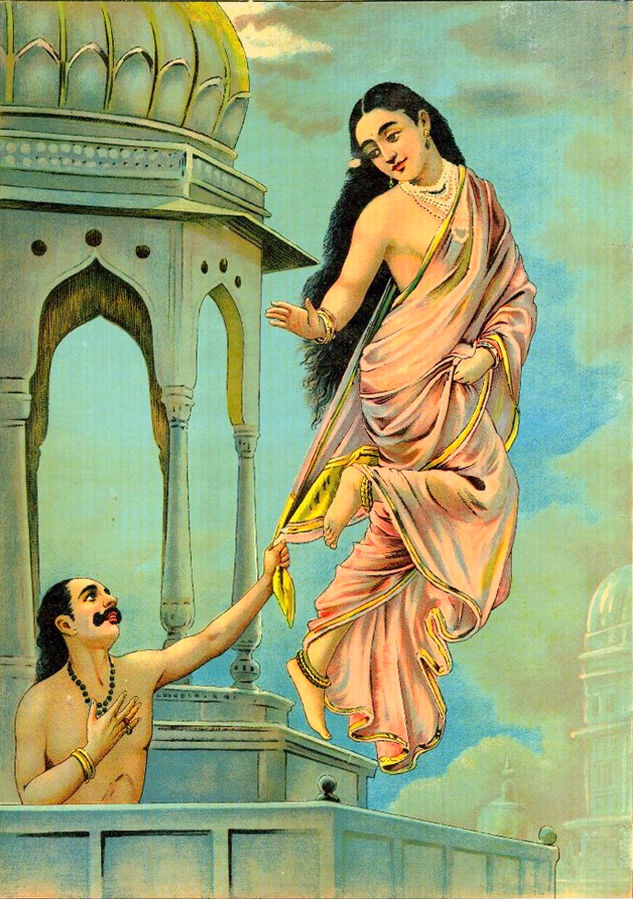
The poet has clearly indicated the difference between the personalities of the queen on the one hand and Urvaśī on the other; their names are suggestive of the...
In the Vikramorvaśīyam, the poet has brought in several elements to amplify vipralambha-śṛṅgāra; as mentioned before, Purūrava gets separated thrice from Urvaśī...
There is quite a lot of difference between the story narrated above and the version that occurs in the Kathāsaritsāgara[1]. According to the Kathāsaritsāgara, P...
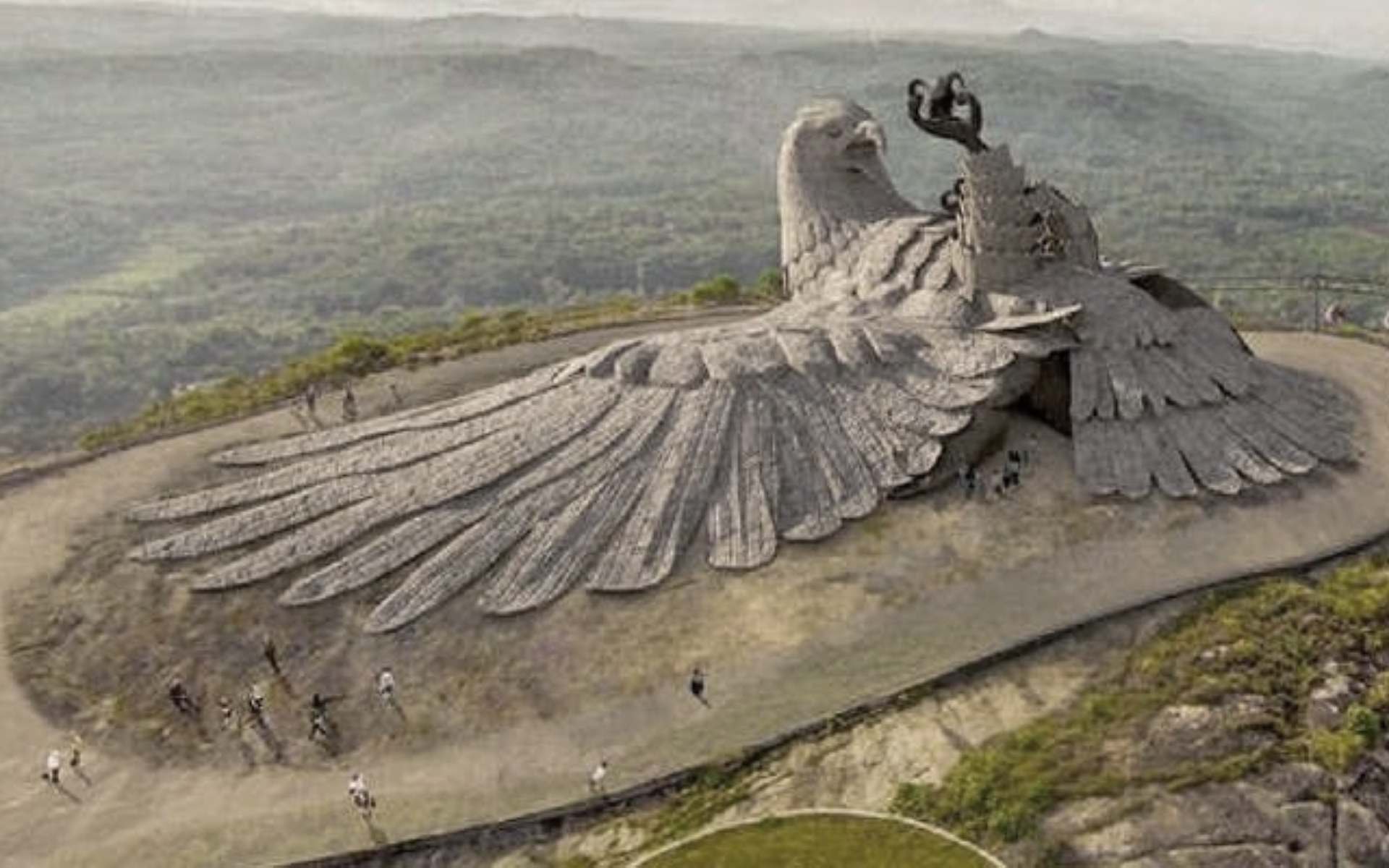
Once, when the precious gem was being brought upon a golden plate, an eagle mistook it for a piece of flesh and flew away with it. The king chased behind the bi...
The Vikramorvaśīyam, like the Mālavikāgnimitram consists of five acts. The following the summary of its plot King Purūrava, who was returning after having fini...
Pātra-prāśastya – Excellence of Character Pātra-viśeṣanyastaṃ guṇāntaraṃ vrajati śilpam-ādhātuḥ! Jalam-iva samudra-śuktau muktāphalatāṃ payodasya ॥ Act 1,...
In the characters of Queen Dhāriṇī and Irāvatī, we can see the abhinaya of mature and experienced women; there is a difference of flavour in them. Dhāriṇī is th...
The story so far is a tale of love that takes place in the king’s antaḥpura and the garden. Though there are incidents connected with the politics of the kingdo...
Mālavikāgnimitram is a play in five acts. The following is the summary of the plot – The province of Vidiśā was ruled by a king named Agnimitra; he had two wiv...
Kālidāsa uses astrological terms such as uccha and jāmitra in his works; these are from Greek origin. From this, we can estimate that he did not live before 350...
It is difficult to tell when and where Kālidāsa lived, just as in the case of Bhāsa. Quite an amount of research has taken place on the subject and there have b...
There is another unique feature in the theme of the play Mṛcchakaṭika – it is the story of a brāhmaṇa; Cārudatta is a brāhmaṇa by birth but a trader by professi...
In these literary works, the life of Cārudatta is the central theme; the story of Āryaka is of secondary importance and only serves to bolster the main pl...
... continued from the previous episode... Śarvilaka brings Vasantesenā’s ornaments to Madanikā; she gathers the reality from him and sends the ornaments to Va...
Sten Knonow, however, opines that Śūdraka must have been another name for the king of ābhīras called Śiva-datta and this king is known to have lived in the thir...
It is hard to say when and where Śūdraka was born. The following verses that occur at the beginning of his play, the Mṛcchakaṭika, provide us with some details...
Bhāsa’s plays contain quite a number of novel and fresh ideas and emotions. He also brings in proverbial statements through the dialogues of the characters; the...
We don’t know if there are more plays written by Bhāsa. We have been able to find fourteen now. Many compendiums of poems quote quite a few verses that are supp...
The nature of Duryodhana in Ūru-bhaṅga is different from the manner in which he is portrayed in the plays Dūta-vākya and Dūta-ghaṭotkaca. In the segment of the...
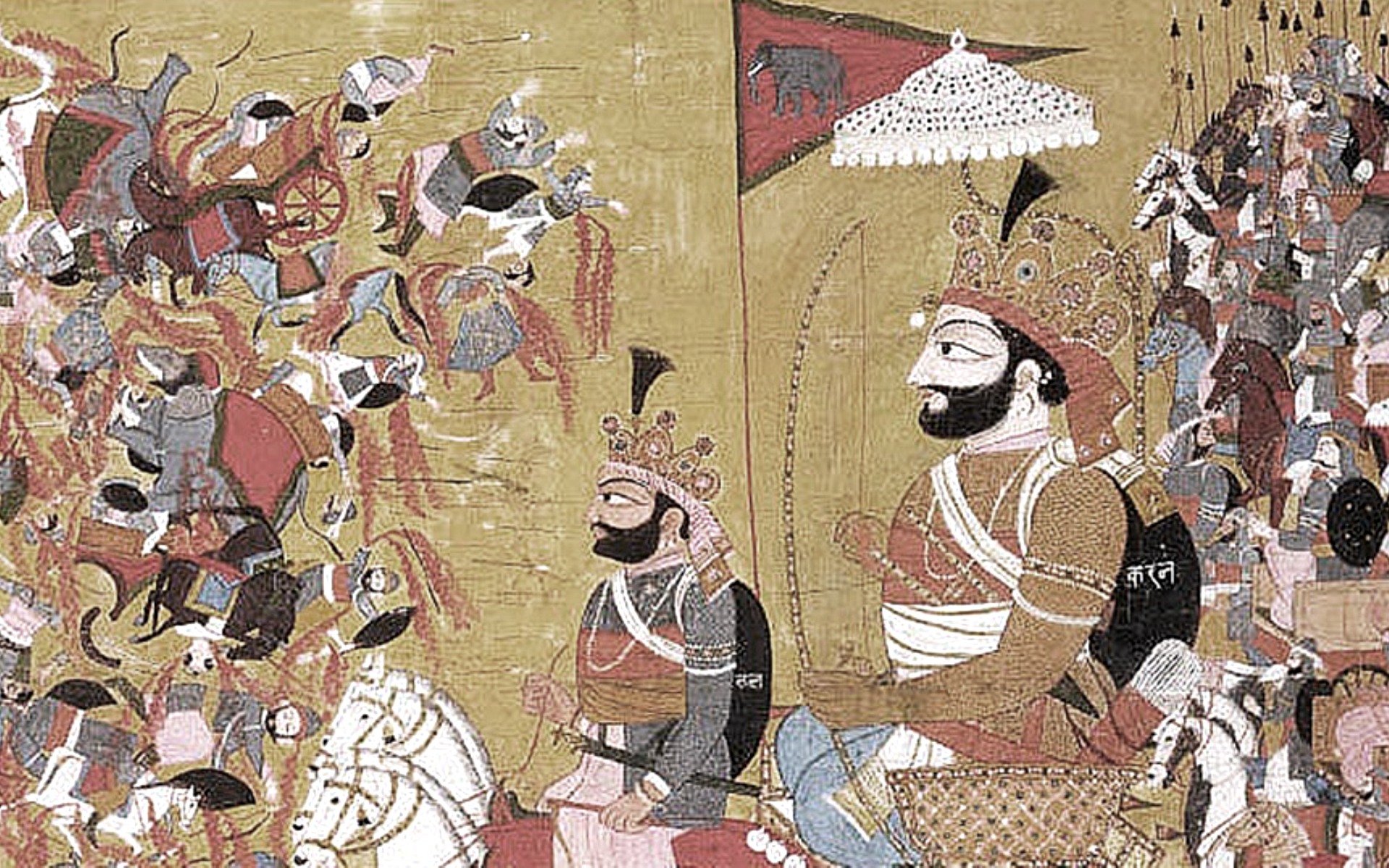
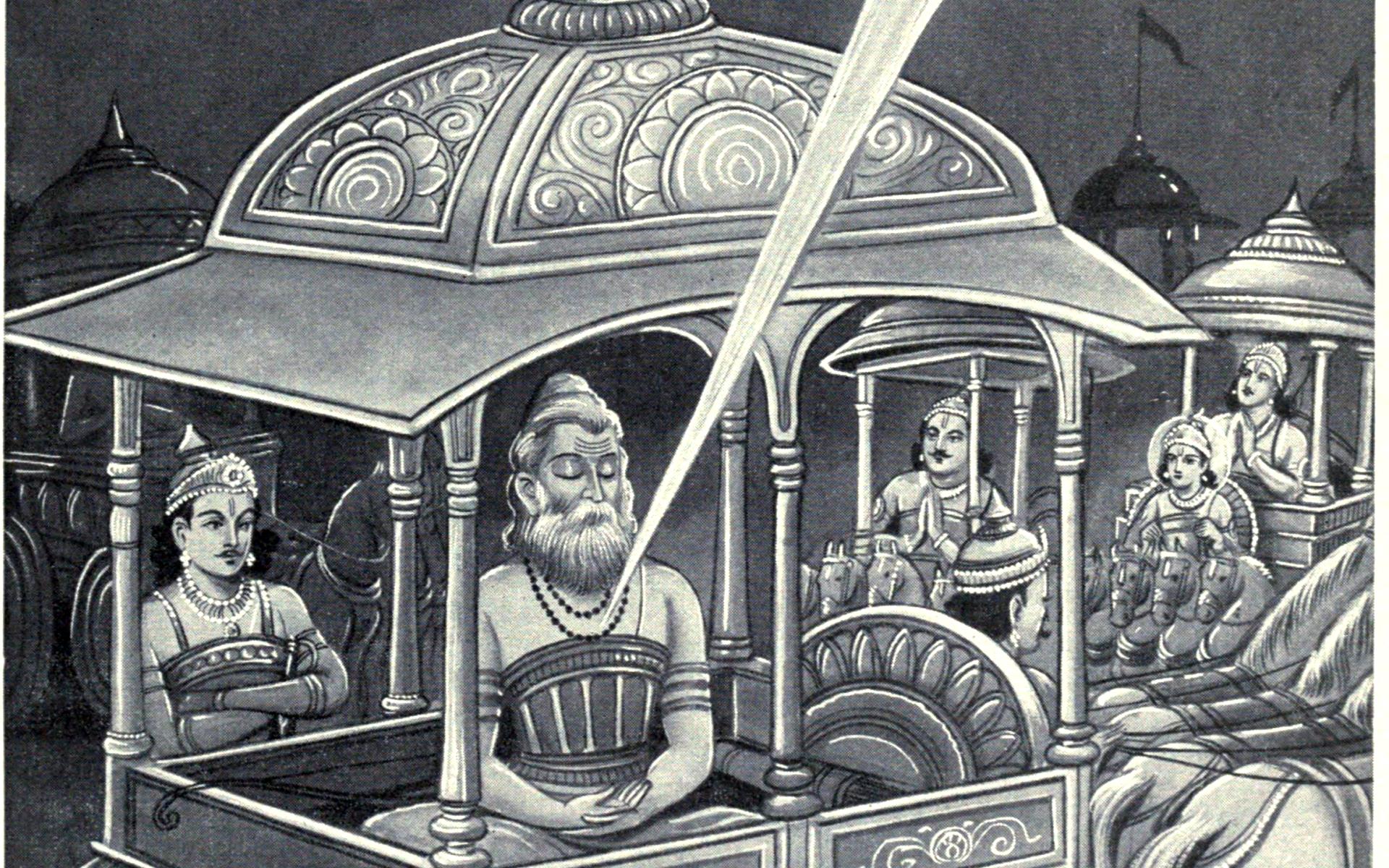
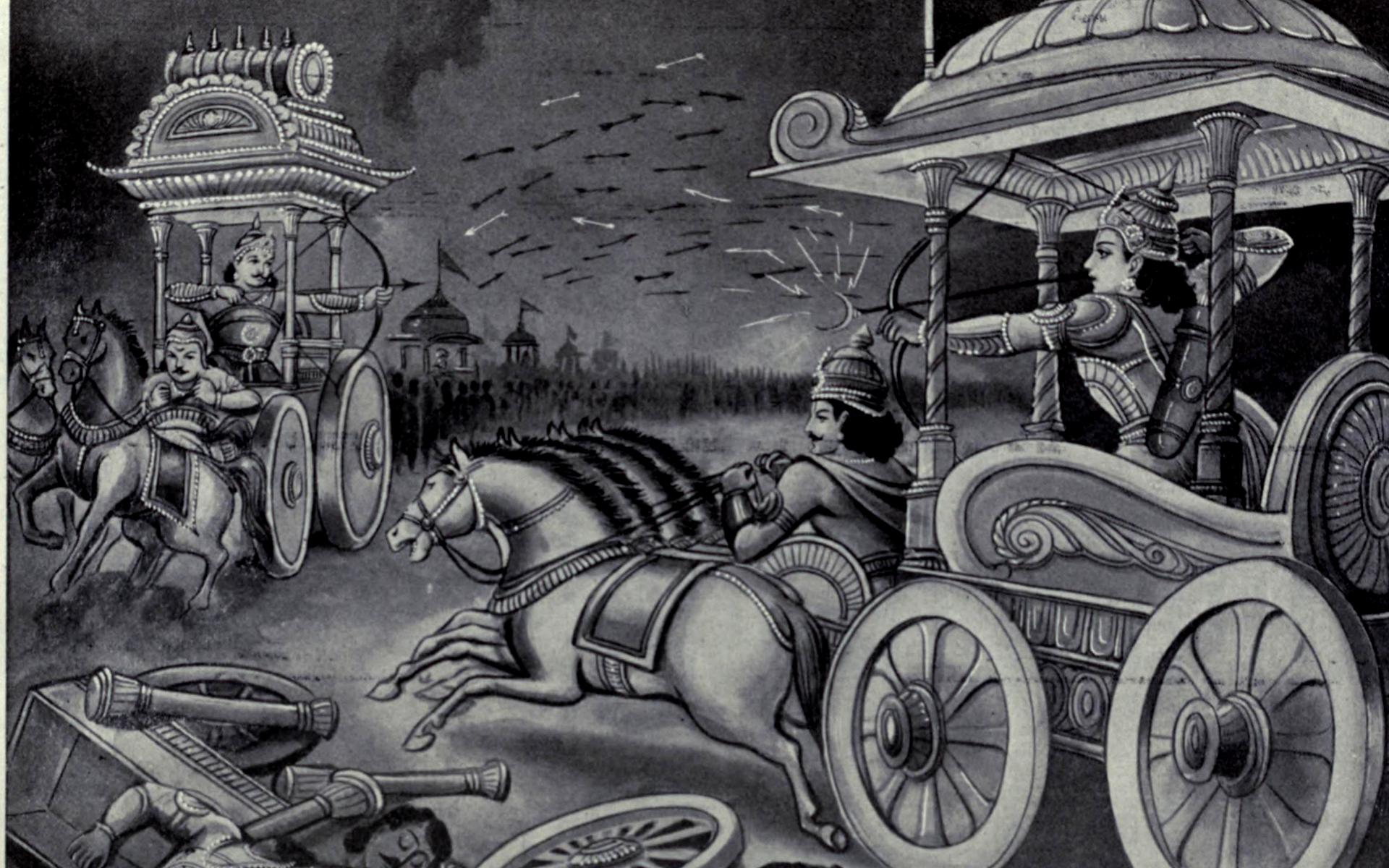
Dūta-vākya continued ... War was inevitable; Bhīṣma sleeps on a bed of arrows; the first ten days of the war was led by Bhīṣma. On the eleventh day, Droṇa was...
Madhyama-vyāyoga, Dūta-vākya, Dūta-ghaṭotkaca, Karṇa-bhāra, and Ūru-bhaṅga are the other plays authored by Bhāsa based on the Mahābhārata. It is hard to say if...
Continued from the previous part ... Virāṭa, Uttara, Pāṇḍavas and Abhimanyu constitute the third group of people. It is almost impossible to undertake an exclu...
The play Pañca-rātra does not contain some of the bitter episodes that are present in the original Mahābhārata; for instance, in Bhāsa’s version, Kīcaka does no...
The Bāla-carita is a play based on the childhood of Bhagavān Śrī-kṛṣṇa. The following is the summary of the plot: Vasudeva crosses the river Yamunā, reaches the...
The play Cārudatta (also called Daridra-cārudatta) is based on stories popular in the folk tradition. The play has a significant place in the history of...
As Svapna-vāsava-dattā is the most famous among Bhāsa’s plays and Pratijñā-yaugandharāyaṇa forms its prequel, we took them up for analysis first. In fact, we sh...
The story that began in Pratijñā-yaugandharāyaṇa continues in the play Svapna-vāsavadatta. Yaugandharāyaṇa and Vāsava-dattā work together in order to get Udayan...
The original work of Bṛhatkathā is not available today. However, we can infer its structure and content based on the Kathā-saritsāgara. The main storyline relat...
In about 1910, when Mahāmahopādhyāya T. Ganapati Shastri was travelling to procure books in the southern regions of Travancore, he happened to lay his h...
11. Saṃlāpaka – A saṃlāpaka has either three or four acts and the nāyaka is a pāṣaṇḍa[1], i.e., a heretic. The play evokes all rasas except for śṛṅgāra and karu...
Upa-rūpakas The Sāhitya-darpaṇa defines eighteen uparūpakas namely, nāṭikā, troṭaka, goṣṭhī, saṭṭaka, nāṭya-rāsaka, prasthāna, ullāpya, kāvya, preṅkhaṇa, rāsak...
Ḍima – A ḍima is based on prakhyāta-vastu, i.e., a popular story. It is filled with supernatural and magical elements; eclipses and wars also come as a part of...
Nāṭaka, prakaraṇa, bhāṇa, prahasana, ḍima, vyāyoga, samavakāra, vīthi, aṅka, and īhāmṛga – these constitute the ten rūpakas, i.e., the ten different genres of S...
Language The Sanskrit theatre employed several kinds of prākṛtas (Prakrits) in addition to saṃskṛta (Sanskrit); this is a special feature of the Sanskrit dram...
Nāyikā The main heroine of the play is called the nāyikā; she, along with the nāyaka, plays the most important role in the drama. The nāyikās are of three ki...
Artha-prakṛtis Artha-prakṛtis capture the gradual development of the plot. The Nāṭyaśāstra identifies five stages of development, namely bīja (‘the seed’)...
Vastu Vastu refers to the story or the plot of a play and is also referred to as itivṛtta. The vastu or itivṛtta is of two kinds – ādhikārika and prāsaṅgika....
The Nature of Sanskrit Drama The word nāṭya originates from the dhātu naṭ, which happens to be a prākṛt form of the dhātu nṛt. Both the root words mean to ‘dan...
Nāṭaka has a special place in the world of Sanskrit literature. Indian aestheticians have always held that nāṭaka occupies the highest rung in the hierarchy of...
Early next morning they heard a resounding thunder in the cloudless sky. When the sages turned to Divākaradeva questioningly, he said, ‘This is the sound made b...
Chapter 3 - Bṛhatkathā-śloka-saṅgraha While Avanti-vardhana ruled Avantī, not even a lowly insect had anything to complain about. One day, during his daily hor...
A few days later, he summoned a few brāhmaṇas and said ‘I had a dream in the early hours this morning. In it, I was out for my routine horse ride, when a wild e...
Then he thought, ‘Fie upon me – I brought this allegation upon myself! Or why should I blame myself? The king was happy for a long time. Which other prince achi...
Chapter 1 There is a great city named Ujjayinī. Its fortresses, moats and citadels resemble the colossal mountain peaks and unfathomable oceans surrounding the...
13. The story of Viśruta Viśruta was roaming the dense forests of the Vindhyas in search of Rājavāhana, when he saw an eight year old boy standing next to a we...
11. The Story of Nitambavatī Long ago, in the kingdom of Śūrasena, within the city of Madhurā, there lived a young man named Kalahakaṇṭaka. One day, he happene...
11. Story of Mitragupta Mitragupta reached the capital of Sumha called Dāmalipta while searching for Rājavāhana. In the royal garden Kandukāvatī, the daughter...
Apahāravarmā declared that the bag would fulfil people’s wishes only when everything that has been snatched away was returned to its owners. He made sure...
Chapter 4. The story of Puṣpodbhava One day, when Puṣpodbhava was searching for prince Rājavāhana, he saw a man falling from the sky. He rushed and managed to...
[[{"fid":"10401","view_mode":"default","fields":{"format":"default","alignment":"","field_file_image_alt_text[und][0][value]":false,"field_file_image_title_text...
When my wife was fast asleep, I slowly transferred my ring onto her finger. Then, telling myself ‘Let me see how clever and refined she turns out to be,’ I left...
Once a brāhmaṇa came to him. His hair stood on their ends. The king asked him, ‘Why such hair?’ The brāhmaṇa then started narrating his story– The Story of Dev...
He had a reasonable awareness of astrology; he had belief too in it; so he examined his horoscope and used to say that the time was a cruel phase for him. But n...
The Story of Candrasvāmī I am a brāhmaṇa named Candrasvāmī and belong to an agrahāra called Brahmasthala; I have a beautiful wife. Once, when I was away, a kāp...
The Story of Kusumāyudha A brāhmaṇa named Devasvāmī lived in Caṇḍapura. He had a beautiful daughter named Kamalalocanā. Kamalalocanā was in love with Kusumāyud...
One day, I quoted the following verse by poet Bhavabhūti to him. बहिः सर्वाकारप्रगुणरमणीयं व्यवहरन् पराभ्यूहस्थानान्यपि तनुतराणि स्थगयति जनं विद्वानेक...
The Story of Guṇavatī and Candravatī A king called Guṇasāgara ruled Kaṭāhadvīpa. He begot a daughter named Guṇavatī Since siddhas had foretold that on...
सन्तोषं जनयेत् प्राज्ञः तदेवेश्वरपूजनम् [The eminent should create joy for others, that is the same as the worship of Īśvara] The ancestors of the Late...
The Story of Malayavatī In the city of Ujjayinī lived an artist called Nagarasvāmī. Once every two days, he painted a beautiful portrait of a woman and offered...
चन्द्राननार्धदेहाय चन्द्रांशुसितभूतये। चन्द्रार्कनलनेत्राय चन्द्रार्धशिरसे नमः॥ करेण कुञ्चिताग्रेण लीलयोन्नमितेन यः। भाति सिद्धीरिव ददत् स पायाद्वो ग...
Padmāvatī-lambaka देहार्धधृतकान्तोऽपि तपस्वी निर्गुणोऽपि यः। जगत्स्तुत्यो नमस्तस्मै चित्ररूपाय शंभवे॥ चलत्कर्णाग्रविक्षिप्तगण्डोड्डीनालिमण्डलम्। धुन्वानं वि...
7. Upon observing his conduct, Sage Kaśyapa expressed his appreciation. He said, “O noble one! There never was an emperor equal to you; when you are seated on t...
In answer, a resounding voice boomed in the sky: ‘O king! Your daughter was this fisherman’s wife in her previous birth. Long ago, in a village called Nāgasthal...
The king followed the boar inside and discovered a divine city; he, however, could not spot the boar. As he sat by a pond, he spotted a maiden, as beautiful as...
पातु वस्ताण्डवोड्डीनगण्डसिन्दूरमण्डनः । वान्ताभिपीतप्रत्यूहप्रताप इव विघ्नजित् ॥ May Gaṇeśa, the destroyer of obstacles, protect you, the effusing vermi...
निशासु ताण्डवोद्दण्डशुण्डासीत्कारशीकरैः | ज्योतींषि पुष्णन्निव वस्तमो मुष्णातु विघ्नजित् || May Vighneśvara remove the darkness of ignorance that envel...
The Story of Gomukha When the enemies flung me in different directions, a certain divine woman picked me up and dropped me in a forest. I was greatly distresse...
One night sleep eluded him, he was thinking, “I’ve been deeply interested in her, I’ve neglected others, where are my other wives? Where are my ministers?” he h...
तुष्टेन येन देहार्धमप्युमायै समर्पितम्। स वो ददात्वभिमतं वरदः पार्वतीपतिः॥ May Śiva, who has given half his body to Umā being pleased with her, grant yo...
स वो विघ्नेश्वरः पायात् नमितोन्नमितेव यम्। अनुनृत्यति नृत्यन्तं सन्ध्यासु भुवनावली॥ [May Vighneśvara, whose evening dance is imitated by the entire worl...
Deva! Kaṇva narrated this story and said, “Whoever would face adversities with courage will get all the fruits later, not the people who would run away in front...
The minister Vikramakesarin finished narrating the story and said, “O king! The elderly brāhmaṇa narrated these stories and said, ‘Trivikramasena got everything...
Story 24 31. The king Trivikramasena carried he corpse for the twenty-fourth time on his shoulders and left. The vetāla started narrating another story...
Story 21 28. Trivikramasena, for the twenty-first time, hauled the corpse on his shoulder and head out. The vetāla began narrating yet another story: There li...
Story 19 26. Trivikramasena, for the nineteenth time, picked up the corpse and heaved it onto his shoulder before setting out. The vetāla began narrating anoth...
Story 17 24. Trivikramasena put the corpse on his shoulder for the seventeenth time and started to walk. The vetāla started to narrate another story:- Th...
Story 15 22. Trivikramasena heaved the corpse onto his shoulder for the fifteenth time and began to walk. The vetāla began to narrate yet another story:- In t...
Story 12 19. Trivikramasena took the corpse on his shoulder for the twelfth time and started to walk. The vetāla began to narrate another story:- In the...
Story 9 19. Vikramasena carried the vetāla for the ninth time on his back. The vetāla started narrating yet another story – There lived a king named Vīradeva...
Story 7 King Trivikramasena, for the seventh time, heaved the corpse onto his shoulder and set out. The vetāla started narrating another tale: On the shores o...
Story 5 12. For the fifth time, king Trivikramasena took the corpse upon his shoulder and started to walk. The vetāla began to narrate another story:- Long ag...
Trivikramasena carried the dead body on his shoulder for a fourth time. The vetāla started narrating another story. A valorous king called Śūdraka lived in a t...
Trivikramasena, for the third time, took the dead body, placed it on his shoulders and set out. The vetāla started narrating another story:- There lived a king...
After listening to these words, Padmāvatī thought for a while and said “It wasn’t right of you to tell me only now about your friend. I consider him now as my e...
Mṛgāṅkadatta spent the night there and left for Ujjayini the following morning. On his way, he saw a terrible-looking person carrying away his minister Vikramak...
Akṣakṣapaṇa's Story There lived a wealthy brāhmaṇa by name Śivadatta in the city of Hastināpura. I am his son; my name is Vasudatta; even in my boyhood I learn...
Thus after reuniting with his ministers, Mṛgāṅkadatta continued his journey through the jungles of the Vindhyās. When they reached a place which had ample shade...
There, he found a yakṣiṇī, who had a divine charm. She was in the company of her maidens. Śrīdarśana saw that they were carrying varieties of delicacies and dri...
After he cured all of Guṇākara's wounds, Mṛgāṅkadatta continued on his voyage. One night, he was fast asleep under a tree in Vindhyāṭavi. When he was awakened f...
Dhairyapāramitā - The pinnacle of courage Long ago lived a brāhmaṇa boy called Mālādhara. One day, he saw a siddha boy flying in the sky and developed an insat...
The Story of the Varāha-jātaka There lived a boar in a cave in the Vindhya mountains. It was endowed with buddhāṃśa. The boar lived with a monkey in harmony an...
Now, we have to escape from here with great speed; else, fearing that his secret will be revealed, he will kill me. Since this room has been locked from outside...
The prince rode with his army to the borders of Vidiśānagara and sent word through an emissary to king Meghamālin seeking the hand of princess Haṃsāvalī. An ela...
Now, I will explain the meaning of the phenomenon you saw in the lake. The incidents there indicate what will befall Mṛgāṅkadatta in the future. He is the lion...
He was delighted to see Vinayavatī who was gathering flowers on the river bank while he was on the way to take bath. He bathed and by the time he came back, the...
The story of Bhadrabāhu and his intelligent minster There lived a king named Bhadrabāhu in the Magadha kingdom. He had an intelligent minister named Mantragupt...
अव्याद्वो विघ्नविध्वंसकीर्तिस्तम्भमिवोत्क्षिपन् । करं गणपतिः क्रीडालीनभृङ्गाक्षरावलिम् ॥ [Let the deity, Gaṇeśa protect you, he plants his trunk like a...
नमताशेषविघ्नौघवारणं वारणाननम् | कारणं सर्वसिद्धीनां दुरितार्णववारणम् || We pray to the elephant faced Ganeśa, who removes all traces of torrents of obst...
The following night Gomukha narrated this story to entertain Naravāhanadatta– A great muni resided in Dhāreśvara. He addressed his disciples, ‘If any of you ha...
Early next morning, the three men began their journey. After travelling for several hours, they came by a pond and rested there until the sun went down. At nigh...
A poor man once found a bag of gold coins. While he could have gone elsewhere, he foolishly sat down at the same place and started counting the coins. In the me...
A fool went to a lake to drink water; he saw the reflection of a bird called svarṇa-cūḍa and thought that there was gold fallen in the waters. He jumped...
In Pāṭalīputra lived two brāhmaṇas - Yajñasoma and Kīrtisoma. Among the two, the younger one, Kīrtisoma, flourished through the business he set up with the weal...
There lived a man who had a beautiful wife; fearing that she might have an affair, he monitored her at all times. Once, he had to travel to another plac...
Narrating this story to Sañjīvaka, Damanaka said: ‘Thus a wise man remains steadfast when danger approaches. Now, this is what you must do. When Piṅgalaka rises...
The Story of Śūryavarmā There lived a royal servant called Śūryavarmā. Once, when he came home, found that his wife was in the company of his friend. He withhe...
2. Next Gomukha started narrating the story of Kumudikā:- The Story of Kumudikā In the city of Pratiṣṭhāna, there lived a king named Vikramasiṃha. His wife wa...
10. Śaktiyaśo-lambaka अवारणीयं रिपुभिर्-वारणीयं करं नुमः | हेरम्बस्य ससिन्दूरम्-असिन्दूरम्-अघच्छिदं || avāraṇīyaṃ ripubhir-vāraṇīyaṃ k...
As Nala was wandering through the forest wearing the cloth torn in half, he saw a forest fire. He heard a voice calling out for help from within it – “O Noble s...
Carrying with him the message of the deities, Nala entered the inner apartments of Damayantī and repeated the command of the deities. She heard those words and...
The Story of Dharmavyādha In the past, when a certain sage who was wandering through a forest and sat down below a tree, a balāka bird’s droppings happened to...
Candrasvāmin met Siṃhadaṃṣṭra, a śabara chief and asked him for a water source nearby, he called his men and said, ‘Show him water!’ They took him to their vill...
Ciradātṛ-rāja There lived a king named Ciradātā in a city called Cirapura. Though the king was a nice person by his nature, he was surrounded by evil men. Pras...
Another day, when Naravāhanadatta was in the court, a prince by name Samaratuṅga came to him and said, ‘O lord! My cousin Saṅgrāmavarṣa and his four sons are jo...
Vīravara’s son woke up and quickly understood the situation and said, “Father! I am indeed fortunate to be of service for our master’s wellbeing! We owe him our...
On yet another occasion, the king had to fight a war with a rival from the frontiers. The seeker went with him and defeated many enemy men with his staff. The k...
He followed her instructions and performed intense tapas to propriate Vindhyavāsinī. She appeared before him and said, “O brāhmaṇa! All four of you were my gaṇa...
The story of Anaṅgaratī The city of Śūrapura was ruled by king Mahāvarāha. His queen was Padmaratī and their only daughter was Anaṅgaratī. When the princess at...
Won't you be able to tolerate it for a night? – Kāñcanaprabhā said. Soon after, she went away with her child. Naravāhanadatta came to Kauśāmbi. At night, as he...
निशुम्भभरनम्रोर्वीखर्विताः पर्वता अपि | यं नमन्तीव नृत्यन्तं नमामस्तं विनायकम् || [Owing to the crushing weight capable of bending even the earth, the m...
One day, the king was having his meal. Guṇaśarmā, who sat in his proximity refused to eat a certain dish which was brought to him by the cook. When asked the re...
चलत्कर्णानिलोद्धूत सिन्धूरारुणिताम्बरः। जयत्यकालेऽपि सृजन् सन्धामिव गजाननः॥ Victory to Gajānana, who reddens the sky with sindhūra sca...
Naravāhanadatta and Gomukha bathed in the garden well, partook their meals in the middle court of the palace, drank well, and ate tāmbūla. That night, besotted...
The Story of Indīvarasena and Anicchāsena In the town of Airāvati, there lived a king named Parityāgasena. He had two wives, of which one was his minister's da...
The following day, when they all assembled in the court, Marubhūti hung his head down with shame. Looking at him, Ratnaprabhā said, “Ārya-putra! You are truly f...
The story continued from the previous episode... The next day the wedding took place with Agni as the witness. It was like a rājahaṃsa – a royal swan - uniting...
Then Hariśikhā said “Yes, this is indeed so. Virtuous women don’t even think of any man other than their beloved husband!” and began to narrate this story- The...
The Story of Bhavaśarmā ‘Dear friend, never get caught by women. Their minds are always hard to understand.’ A beautiful brāhmaṇa woman named Somadayā lived i...
Upon listening to this story Gomukha said, “Women are lustful by nature and a pativratā is rare to find. It is true that women are never to be trusted!” and nar...
The next day Gomukha and other friends of Naravāhanadatta came to see him. The door keeper made them wait till she obtained the permission and then allowed them...
केलिकेशग्रहव्यग्रगौरीकरनखावृतम्| शिवायानेकचन्द्राढ्यमिव शार्वं शिरोऽस्तु वः|| [May that head of Śiva which looks as though it bears many moons, as the ha...
The Story of King Indradatta There lived a king named Indradatta in the country of Cedi. He had a grand temple constructed in a tīrtha-kṣetra called Pāpaśodhan...
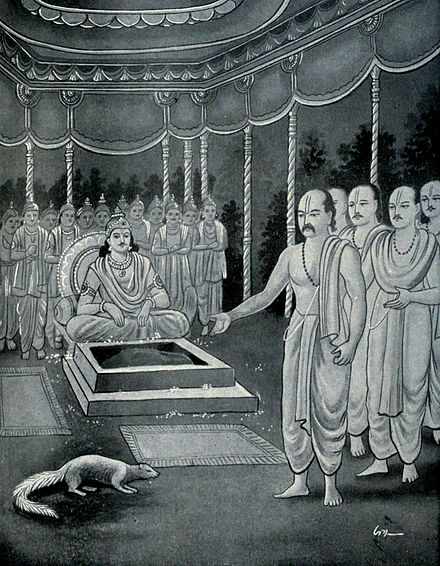
The Story of the Mongoose, Rat, Owl, and Cat[1] There was a large banyan tree just outside the town of Vidiśā. Taking shelter in the tree were four creatures:...
7. Next day when Vatsarāja went to Vāsavadattā, he observed that she did not treat him any differently. He asked her cautiously, “Devi! Did you know that a prin...
At his residence, Yaugandharāyaṇa invited a brahma-rākṣasa by name Yogeśvara. He instructed him, ‘Keep an eye on the activities of Kaliṅgasenā. Vidyādharas also...
5. The next day when Somaprabhā came back Kaliṅgasenā during her interaction with her said, ‘It is certain that my wedding with Prasenajit would happen; my moth...
4. As Kaliṅgasenā stood on her balcony watching Somaprabhā fly away, a vidyādhara called Madanavega saw her and was awestruck by her beauty. But he thought it w...
Kaliṅgasenā who was pleased looking at the dolls forgot her hunger. She refused to eat anything that was offered to her. Her worried mother thought that she mus...
Kaliṅgasenā grew up. Once while she was playing on the terrace, Somaprabhā, the daughter of Mayāsura saw her and thought, ‘Who is this girl who is radiant like...
The story of Vikramasimha and two brāhmaṇas There lived a king by the name Vikramasimha in Ujjayinī. He had no equal on the battlefield and he was aching for s...
तर्जयन्निव विघ्नौघान्नमितोन्नमितेन यः | मुहुर्विभाति शिरसा स पायाद्वो गजाननः || [May that elephant-faced deity, who by repeatedly raising and bowing his...
The next morning Satyavrata saw him and said, “Sir! I have thought of a plan for you to accomplish your desired objective. It is as follows: There is an island...
The Story of Aśokadatta and Kapālasphoṭaka Long ago, there lived a brāhmaṇa by name Govindasvāmī in an agrahāra on the banks of the river Kālindī. He had two s...
The Story of Harasvāmī A mendicant named Harasvāmī lived in the town of Kusumapura. His abode was a humble hut on the shores of the Gaṅgā. He lived on alms and...
Early next morning Śiva came to the maṭha. Mādhava hailed a messenger in the morning and ordered him – “Take this pair of clothes, hand it over to the rāja-puro...
Caturdārikā-lambaka मदघूर्णितवक्त्रोत्थैः सिन्दूरैश्छुरयन्महीम्। हेरम्बः पातु वो विघ्नान् स्वतेजोभिर्दहन्निव॥ (Kathā-sarit-sāgara 5.1.1) Gaṇeś...
By then, Śaṅkhacūḍa spotted them from a distance and shouted – ‘O Garuḍa! Don’t, don’t! He is not a nāga, it is me! Why are you suddenly under an illusion?’ Hea...
By then she had gotten off the lion and had collected flowers from the lake for the lord’s worship. Pulindaka bowed down to her solemnly. The surprised maiden a...
Piṅgalikā’s Story “Lady! In the kingdom of Mālava lived a brahmana named Agnidatta. He had two sons named Śaṅkaradatta and Śāntikara. At a very young age Śānti...
karṇa-tāla-balāghāta- sīmantita-kulācalaḥ| panthānam-iva siddhīnāṃ diśaṃ jayati vighnajit|| (Kathā-sarit-sāgara 4.1.1) Victory to that vanquishe...
Vatsarāja called Yaugandharāyaṇa in secret and said, “My friend! Thanks to your political acumen all kings have been defeated. I don’t think anyone will betray...
Yaugandharāyaṇa then spoke to Vatsarāja. He said ‘O king, the divine is on your side and you have immense strength too. We are experts in the art of governance....
...Continued from the Previous Part ‘If that is the case, don’t feel sad; I’ll go there today; let your only son live; don’t worry about me; I’ve gaine...
The Story of the Brave Vidūṣaka Once upon a time, there lived a king called Ādityasena, in Ujjayinī. He was an Ekacakravartī, i.e., he was like the Sun who has...
The Story of Ahalyā and Devendra Once upon a time there lived a great seer named Gautama and he was sentient of things from times past, present, and future. He...
One of the days following this, Vatsarāja had a lavish party where he enjoyed drinking with Vāsavadattā and Padmāvatī. Later he called for Gopālaka, Rumaṇvanta,...
Back in the royal palace of Magadha, Vāsavadattā tried to contain her sorrow. She sought solace in gazing upon the paintings depicting Sītā’s woes in the period...
Once the king refused, the commander married her. Once when the king was roaming, he saw her standing in the balcony of the commander’s house. As soon as he saw...
निर्विघ्नविश्वनिर्माणसिद्धये यदनुग्रहम्। मन्ये स वव्रे धातापि तस्मै विघ्नजिते नमः॥ [Salutation to that deity, the killer of obstacles, (Gaṇeśa), from wh...
The Story of Bālavinaṣṭaka Long ago there lived a brāhmaṇa named Rudraśarmā; he had two wives; of the two, one of them gave birth to a child and subsequently d...
The next morning, when he regained his senses, the man was ashamed looking at his state. He cleaned up and rushed to Parivrājikā's house. He tied his head with...
Dhanadatta tried to convince him that his son is a suitable groom to his daughter. But Dharmagupta thought that Tāmraliptī was too far and did not agree to this...
As the days went by, Vāsavadattā’s love for the king of the Vatsas increased; her affection and respect towards her parents decreased; she was ready to defy the...
Lohajaṅgha kept composure even as he entered Lanka and met King Vibhīṣaṇa at his palace. The king treated him with respect and asked: ‘O great brāhmaṇa, what br...
Learning of his capture, Caṇḍamahāsena came by himself to the main entrance to the city and escorted him [i.e. Udayana] with great respect into the city. The ci...
Udayana started reigning over the kingdom which he inherited from his father on a prosperous note. However, he gradually handed it over to Yaugandharāyaṇa and t...
Śrīdatta went in search of water for her. As he looked for a source of water, it got dark. While he found water roaming around the forest, he had lost his way....
The story of Śrīdatta In the past, there lived a brāhmaṇa by name Yajñasoma in the Mālava kingdom. He had two sons by name Kālanemī and Vigatabhaya. After the...
गौरीनवपरिष्वङ्गे विभोः स्वेदाम्बु पातु वः | नेत्राग्निभीत्या कामेन वारुणास्त्रमिवाहितं || May the sweat beads adorning Shiva, brought about by his embra...
The next day, early in the morning, King Śātavāhana left the place. Deciding not to consume any food, he performed rigorous tapas to appease Kumāra-svamī.[1] [2...
Disobeying the king’s order, Śakaṭālana secretly hid me in his house; he had someone else killed and informed the king that I had been executed. It would not ha...
Vararuci's narration continues... Once, when I had gone out to watch the Indradhvajotsava, I happened to spot Upavarṣa’s daughter Upakośā. We fell in love with...
There is a sacred tīrtha called Kanakhala near Gaṅgādvāra. In the past, a divine elephant called Kāñcanapāta broke open a mountain and let the Gaṅgā flow into t...
The Story of Vararuci In Kauśāmbi, there lived a brāhmaṇa named Somadatta; his wife was called Vasudattā; I am their son. Having lost my father when I was stil...
इदं गुरु-गिरीन्द्रजा प्रणय-मन्दरान्दोलनात् पुरा किल कथामृतं हर-मुखाम्बुधेरुद्गतं | प्रसह्य रसयन्ति ये विगतविघ्नलब्धर्धयो धुरं दधति वैबुधीं भुवि भवप्...
Conclusion: Even as I wrote this work, my daughter Smt. Shanta and grand-daughter Smt. Leela went through different segments and expressed their delight. They...
Another noteworthy element visible in Kathā-sarit-sāgara is the amiability within society - even those days there were religions, castes, occupations, and good...
Naravāhanadatta who comes as a part of the Bṛhatkathā is special because of the streams of ‘knowledge’ he specialises in. There are stories where vāmācāra is pr...
The place of Kathā-sarit-sāgara in literature Earlier, I had discussed a little about the poetic qualities of Kathā-sarit-sāgara. Here, I will write a few word...
If milk needs to get fermented into curd, both the milk and the curd should be of the right quality and quantity. Neither should cause imbalance – there will be...
Some people, even as they utter words as hurting as the kick of a donkey, say thus with knit faces: ‘I don’t retain any filth within; I don’t say one thing and...
“Lincoln who was the elected leader of America (1870) suffered because of the harsh words his wife spoke every minute, each day – it was as good as him dying. H...
For people who have read ancient works like Mahābhārata it is quite evident that this book is all about worldly affairs; The independence, carefree attitude, vi...
Dhanika quotes a śloka from the Bṛhatkathā and two ślokas from the Brahat-kathā-mañjarī. It seems like he had named his work Kathā-sarit-sāgara by Somadeva’s ti...
The evolution of the Bṛhat-kathā Overall a story means creation. There will be a canvas for a painting. But on that background which is considered as truth, th...
One end of Udayana’s story takes place in Kauśāmbi, and the other, in Ujjayinī. Furthermore, many of the sub-stories take place in and around Ujjayinī. One wond...
An Examination of the Story[1] of Guṇāḍhya Now let us take a look at why and how might have Vararuci, Kāṇabhūti, and Śātavāhana appeared in the context of the...
Sātavāhana Paithan is a town on the banks of the Godavarī in the Aurangabad district of the Hyderabad province and is now in the state of Maharashtra. Thi...
Bhūta-bhāṣā – Paiśācī-bhāṣā Guṇāḍhya did not compose the Bṛhat-kathā in the Sanskrit language and it is said that he wrote it in the Paiśācī-bhāṣā. (Daṇḍin and...
The Story of Guṇāḍhya in the Nepāla-māhātmya The Nepāla-māhātmya comprises four chapters—twenty-seven to thirty—in the Himavat-khaṇḍa of the Skanda-purāṇa....
The Sanskrit Translation of Bṛhat-kathā by Durvinīta Till now the available Sanskrit works related to the Bṛhat-kathā are only three—composed by Kṣemendra, Som...
The Bṛhat-kathā-śloka-saṃgraha is peppered with light-hearted and sweet humour here and there. The work also delineates profound lives of the common men and is...
Bṛhat-kathā-śloka-saṃgraha Budha-svāmī’s Bṛhat-kathā-śloka-saṃgraha is probably older than both Kathā-sarit-sāgara and Bṛhat-kathā-mañjarī. It’s time is unknow...
The word ‘Kathā-sarit-sāgara’ literally means an ocean that is formed as a result of the confluence of many rivers of stories. Though the name of the work is fa...
कवीन्द्रमानसाम्भोजनिवासभ्रमरीं नमः। देवीं सहृदयानन्दशब्दमूर्तिं सरस्वतीं॥ (सोमदेवः) श्रीरामायणभारतबृहत्कथानां कवीन्नमस्कुर्मः। त्रिस्रोता इव सरसा सरस्वती...
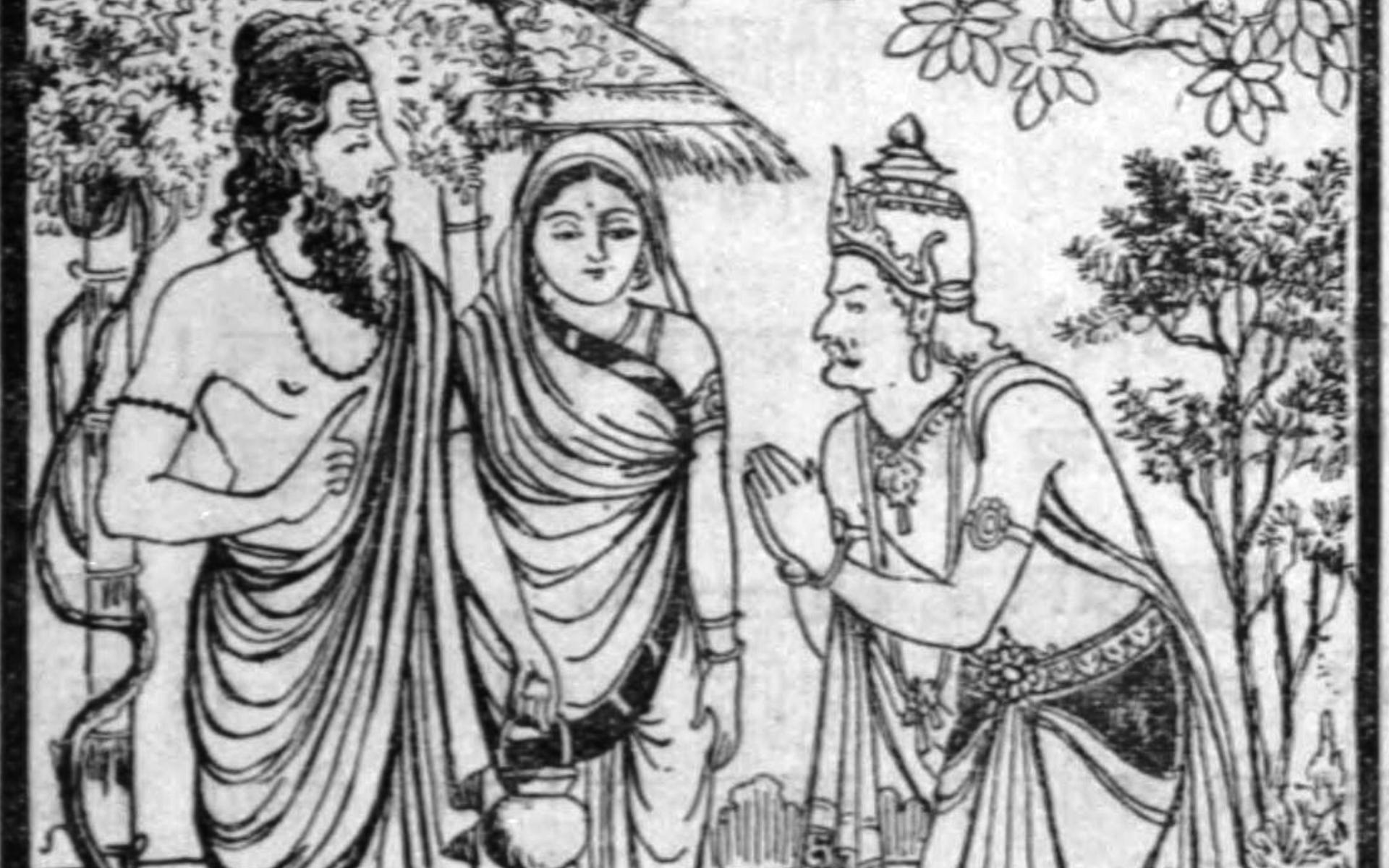
Yayāti was the tenth in the line of descendants from Dakṣa-prajāpati; his son was Pūru. Further in his lineage Duṣyanta was born. The preceptor of the Asuras,...
Duṣyanta – “Listening to the story you just narrated confirms that you indeed are a princess from a royal lineage. Please be my wife! Tell me what you desire to...
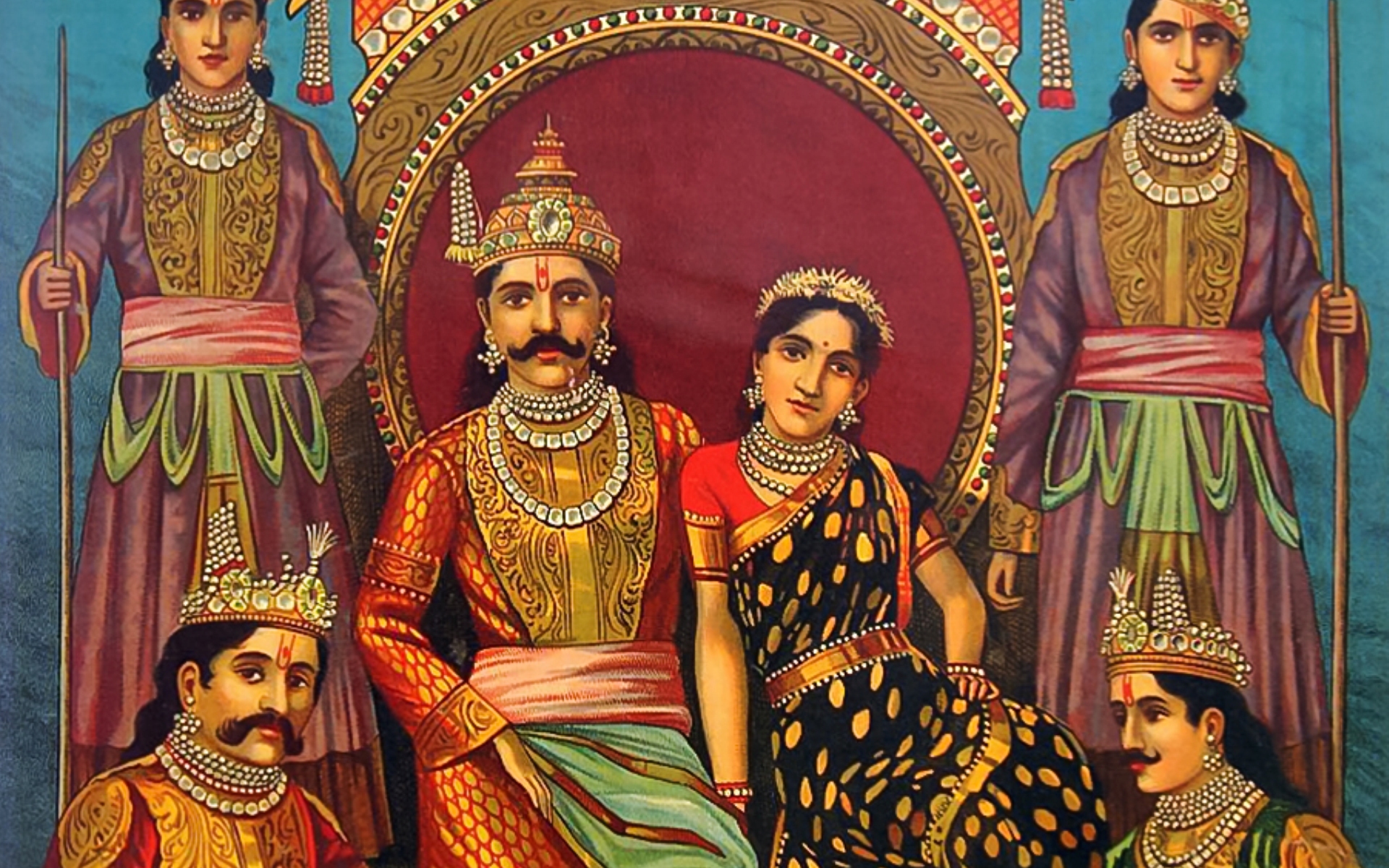
There lived a king named Duṣyanta who belonged to the lineage of Puru. He was valorous and was ruling over the earth in a dhārmic manner. There was no varṇa-saṅ...
As Yudhiṣṭhira went ahead, he first saw Duryodhana. He was sitting amidst the Devatās, glimmering with the wealth of courage, seated on a throne that was resple...
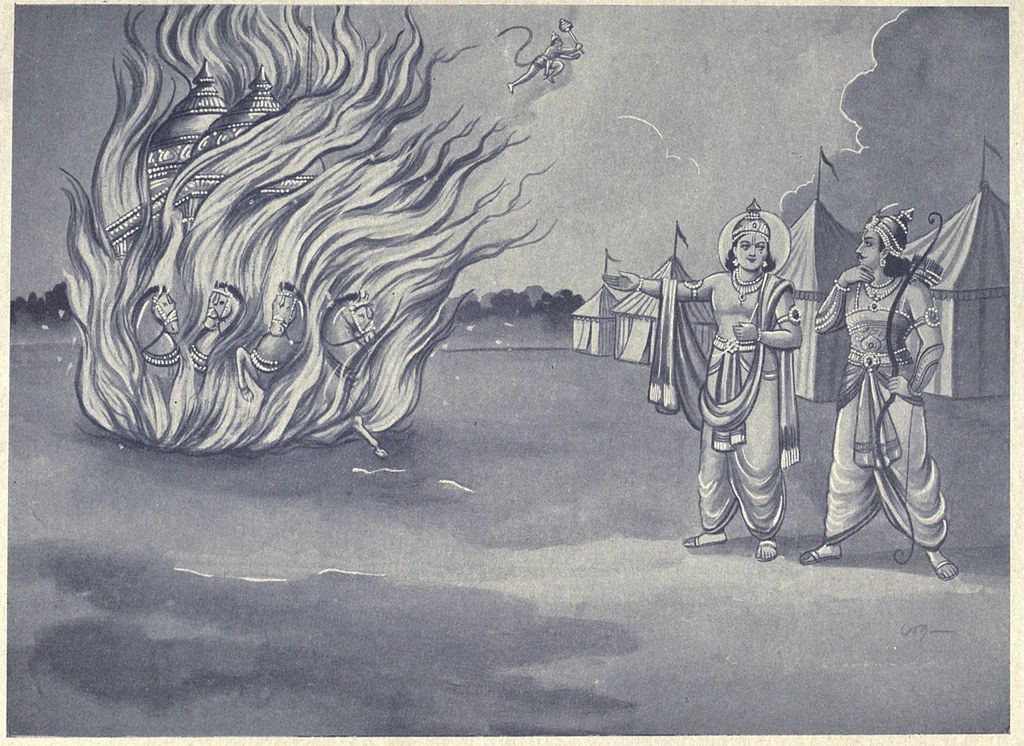
After Yudhiṣṭhira heard the tragic tale of the Yādavas from Arjuna, he felt like renouncing everything and setting out on a long voyage. He looked at Arjuna and...
Thirty-six years after the Mahābhārata War transpired, yet another catastrophe struck. Once, the three mahaṛṣis – Viśvāmitra, Kaṇva, and Nārada – came to Dvārak...
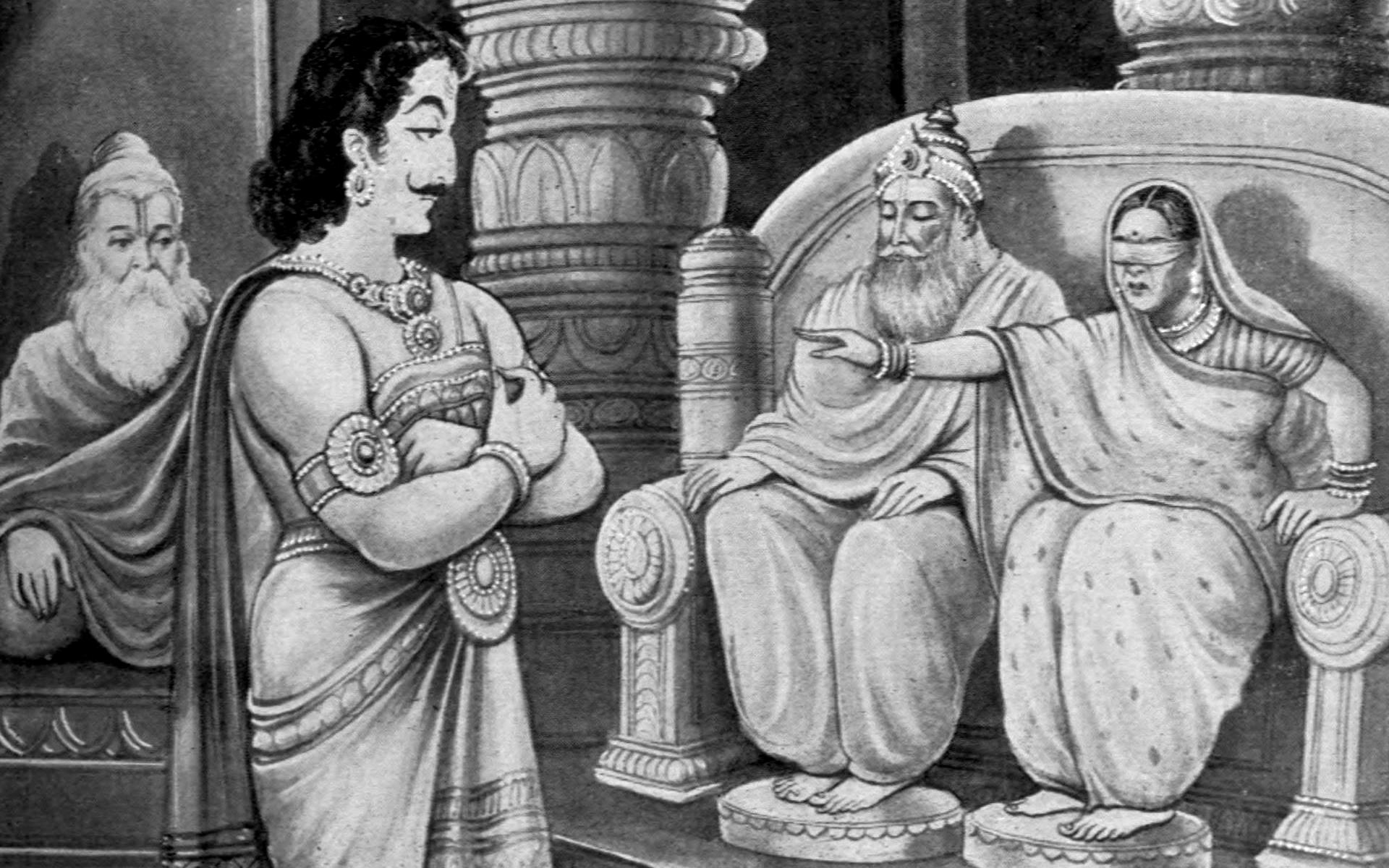
Dhṛtarāṣṭra asked Vidura and Gāndhārī to advise Kuntī to go back with her children. He said that she can perform tapas in the kingdom and she had served them ve...
Upon hearing Dharmarāja's request, asking them to stay back in the kingdom, Dhṛtarāṣṭra replied – “Son, my heart has turned towards tapas. It has come down to u...
The Pāṇḍavas after winning over their enemies, were ruling the vast kingdom under the guidance of Dhṛtarāṣṭra. Sañjaya, Yuyutsu and Vidura were taking care of t...
Dharmarāja went to the Himalayas with his younger bothers and gathered the ingredients required for the Aśvamedha-yāga. He also found large quantities of wealth...
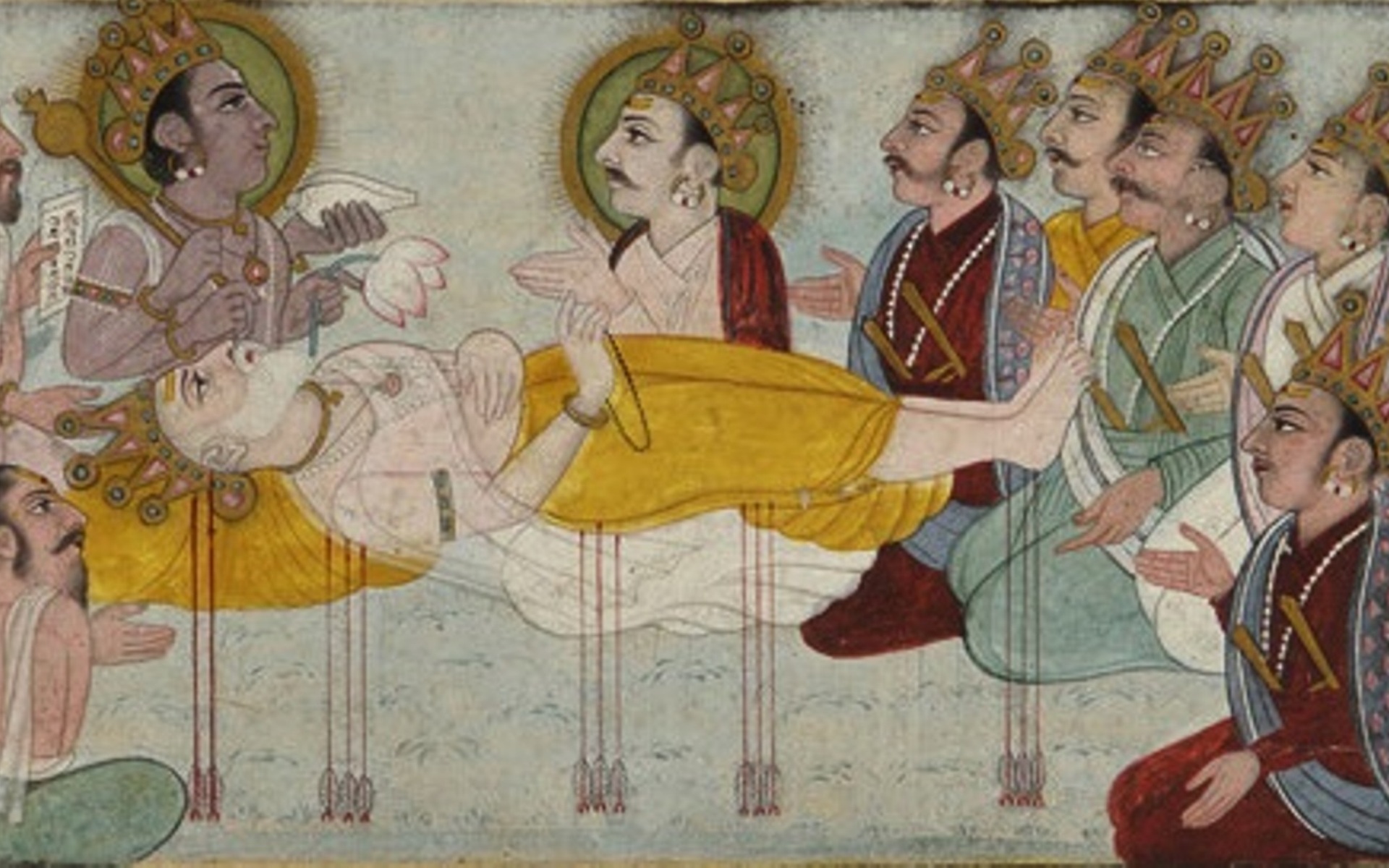
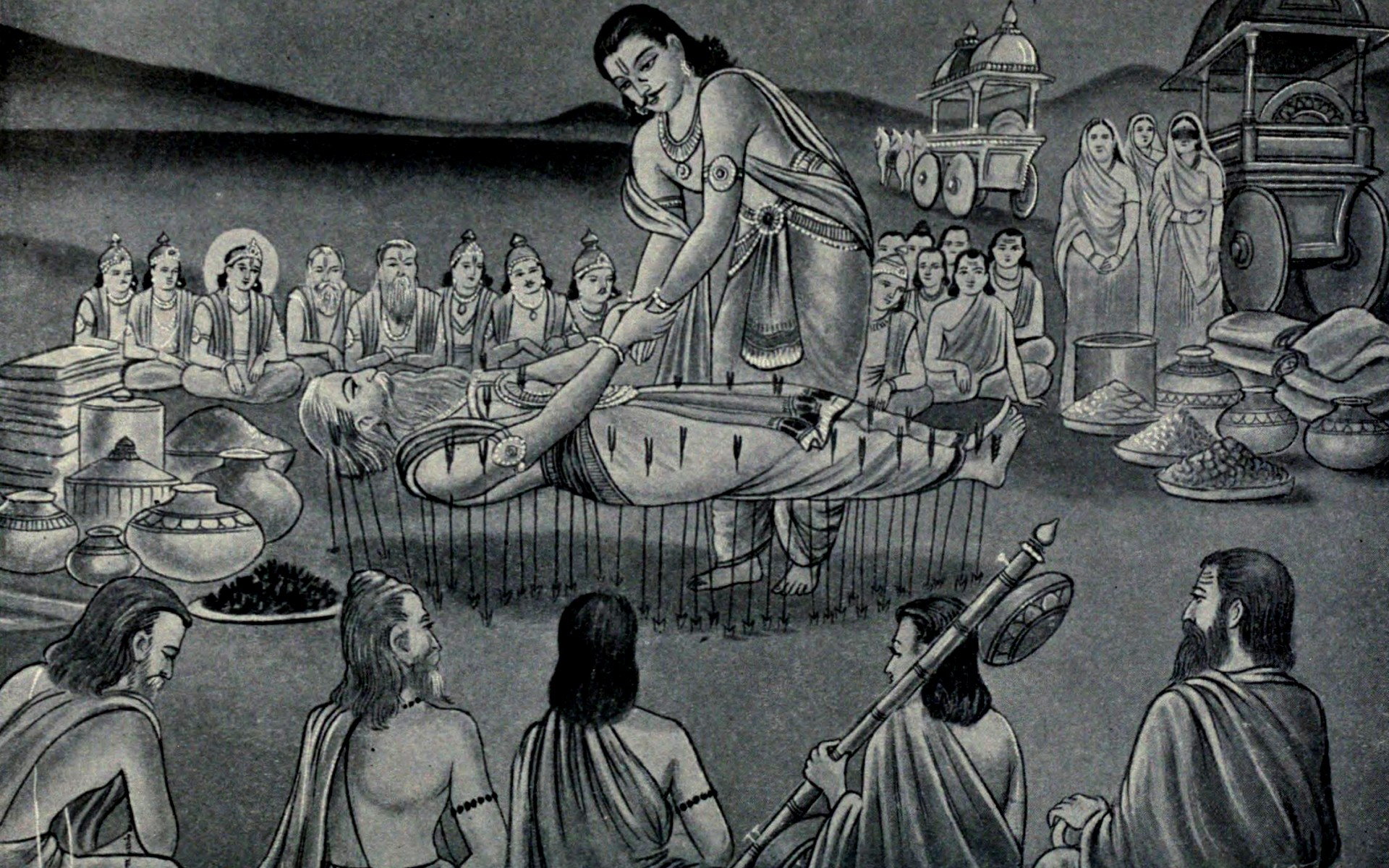
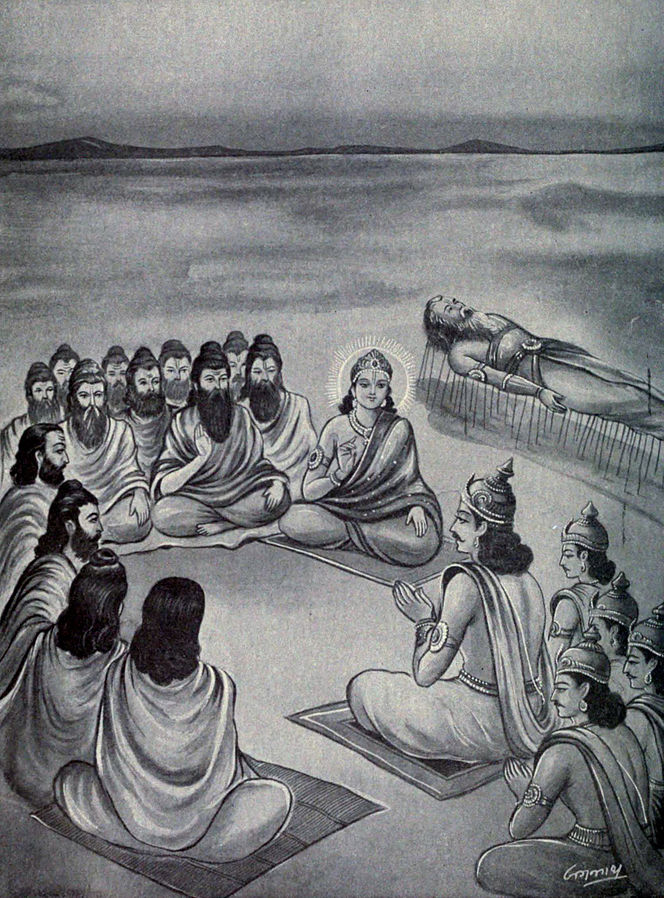
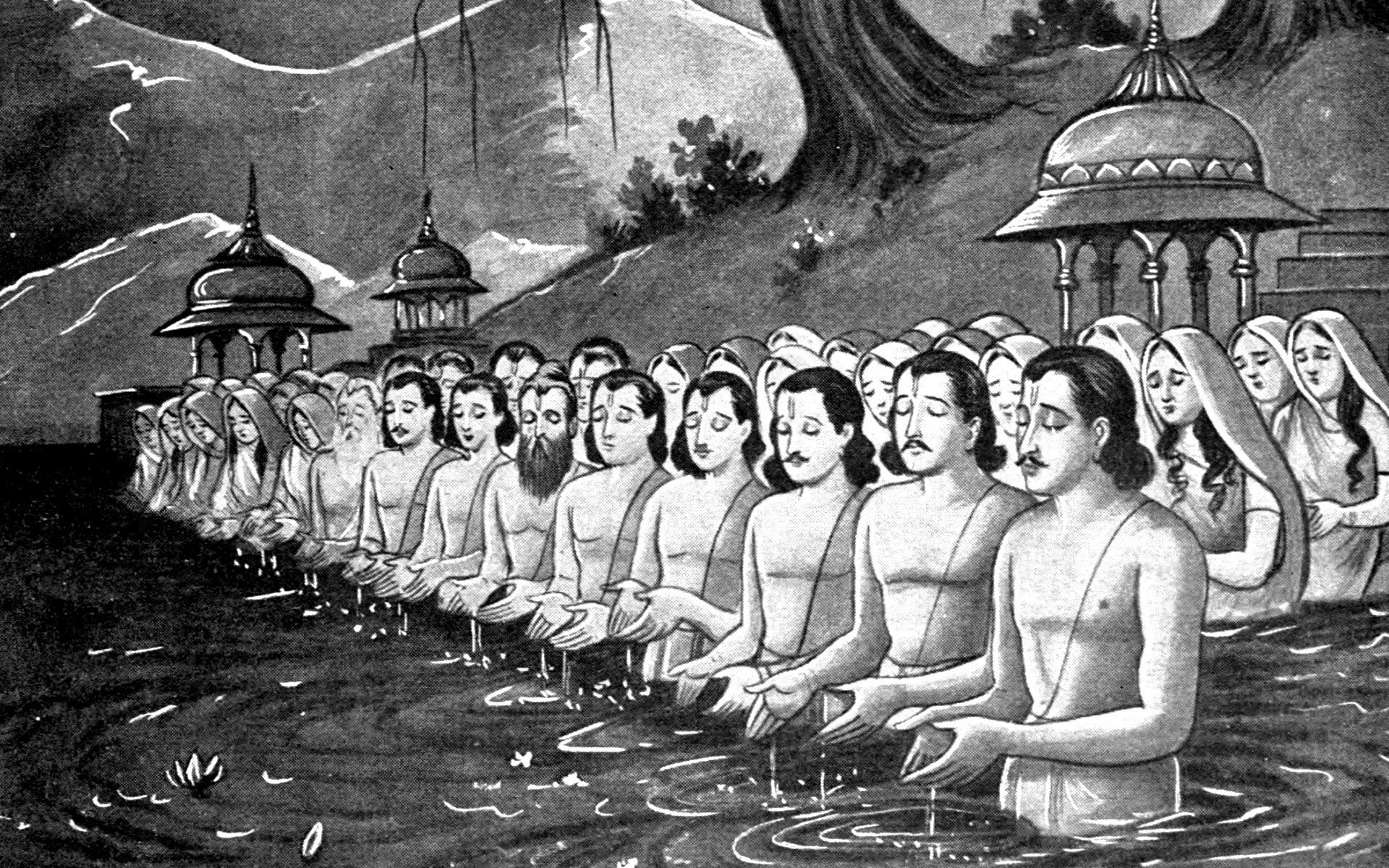
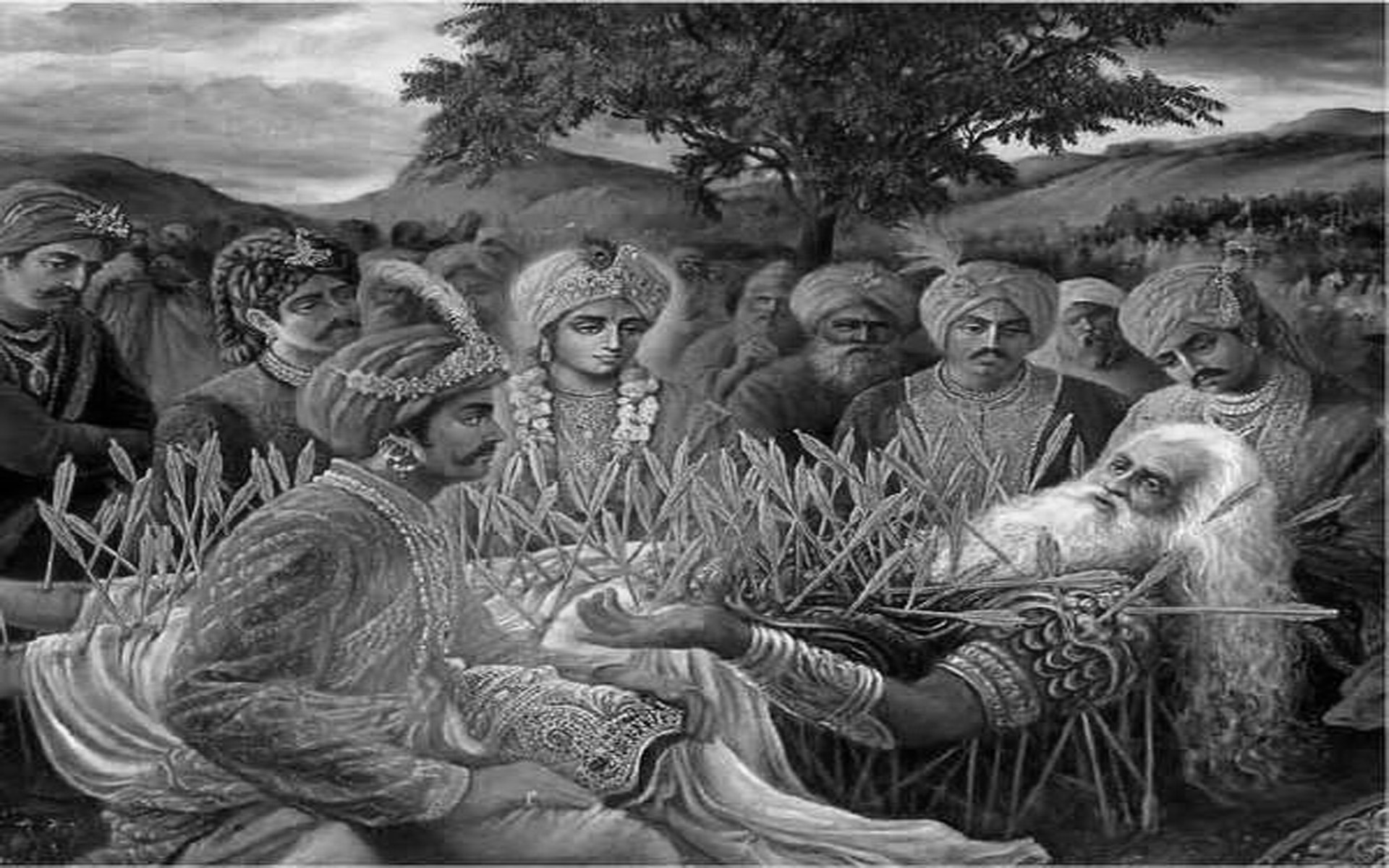
Dharmarāja offered tarpaṇa to Bhīṣma and as he neared the shores of Ganga, he collapsed out of sorrow. Dhṛtarāṣṭra, Kṛṣṇa, Vyāsa and everyone else present there...
Yudhiṣṭhira said, “However competent one might be, if destiny doesn’t smile on him, he will not earn any wealth. Even a helpless chap or a child, if favoured by...
Although Bhīṣma spoke many such words of peace and solace, Dharmarāja’s heart would not find peace; he would not be consoled. He lamented with the words – “Havi...
Yudhiṣṭhira – Are there any instances in the past when a king attained siddhi, the ultimate accomplishment, even as he was a householder? And if so, what is the...
Yudhiṣṭhira asked, “How did this universe, with animate and inanimate, get created? When it dissolves, where does it go?” Bhīṣma (Relating the discussion betwe...
In the past, Kāśyapa, the son of a certain riṣi was run over by a chariot that belonged to a vaiśya. The chariot hit him and Kāśyapa fell down. He was greatly p...
Yudhiṣṭhira: As time passes by and all creatures are taken to the abode of death, which is the conduct that leads to śreyas (goodness)? Bhīṣma: (What Mādhavī t...
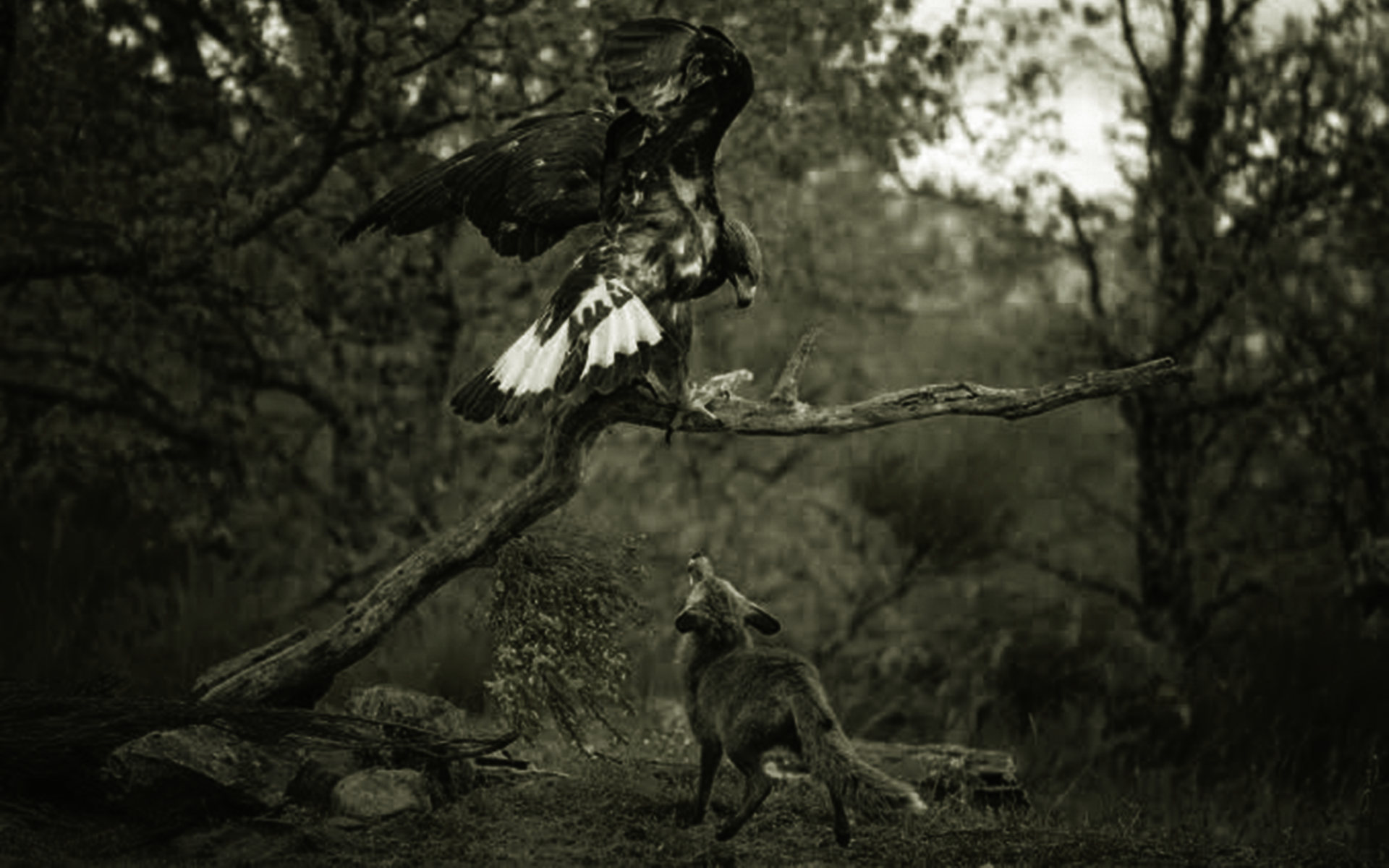
The fox said, “A golden child! Listening to the words of this eagle, you’re on the verge of leaving this boy here and going away! Will love and sorrow go away j...
During times of adversity, if one doesn’t despair and stands firm with determination – and added to that if he received divine grace, the adversity soon passes...
I will narrate another story to demonstrate how an enemy should never be trusted even if he appears to be soft and is gentle in his speech. There lived a king b...
It is good character that is more important than physical strength. Noble character leads to honesty, dhārmic outlook, strength and wealth. In the past, Prahlād...
In the activities related to the protection of his people, a king must only take help from people who are courageous, devoted, loyal, respected, hailing from a...
Bhīṣma began his instruction to Yudhiṣṭhira on rāja-dharma (the art and science of governance). First of all, a king has to be devoted to the deities and to br...
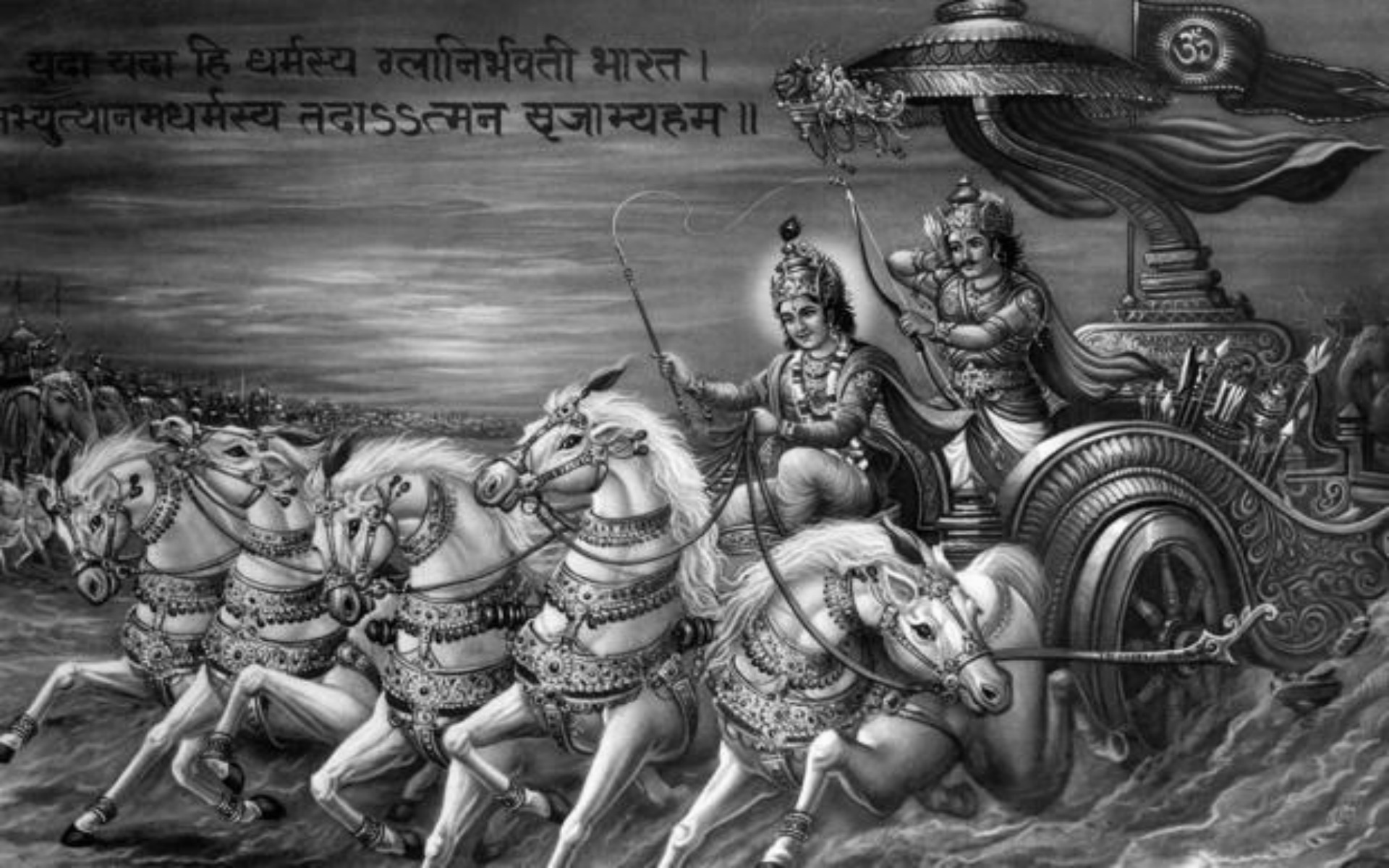
On a chosen day, Dharmarāja sat on a new chariot drawn by sixteen white steeds. Bhīma was the charioteer; Arjuna held a white umbrella; Nakula and Sahadeva fann...
ŚĀNTI-PARVA After offering the jala-tarpaṇa and other funeral rites to their departed relatives, Dharmarāja, Dhṛtarāṣṭra, and the rest of the Pāṇḍavas and Kaur...
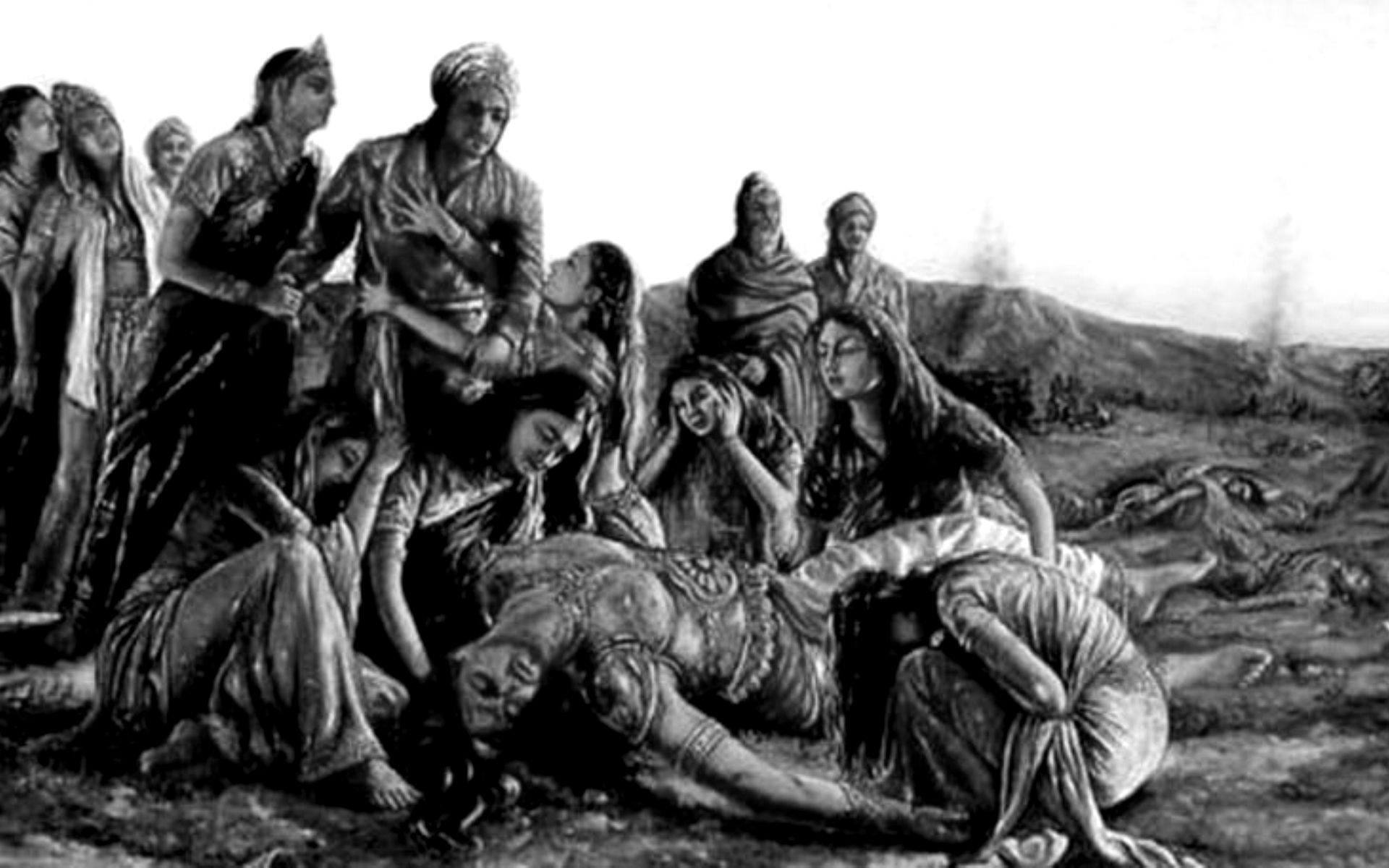
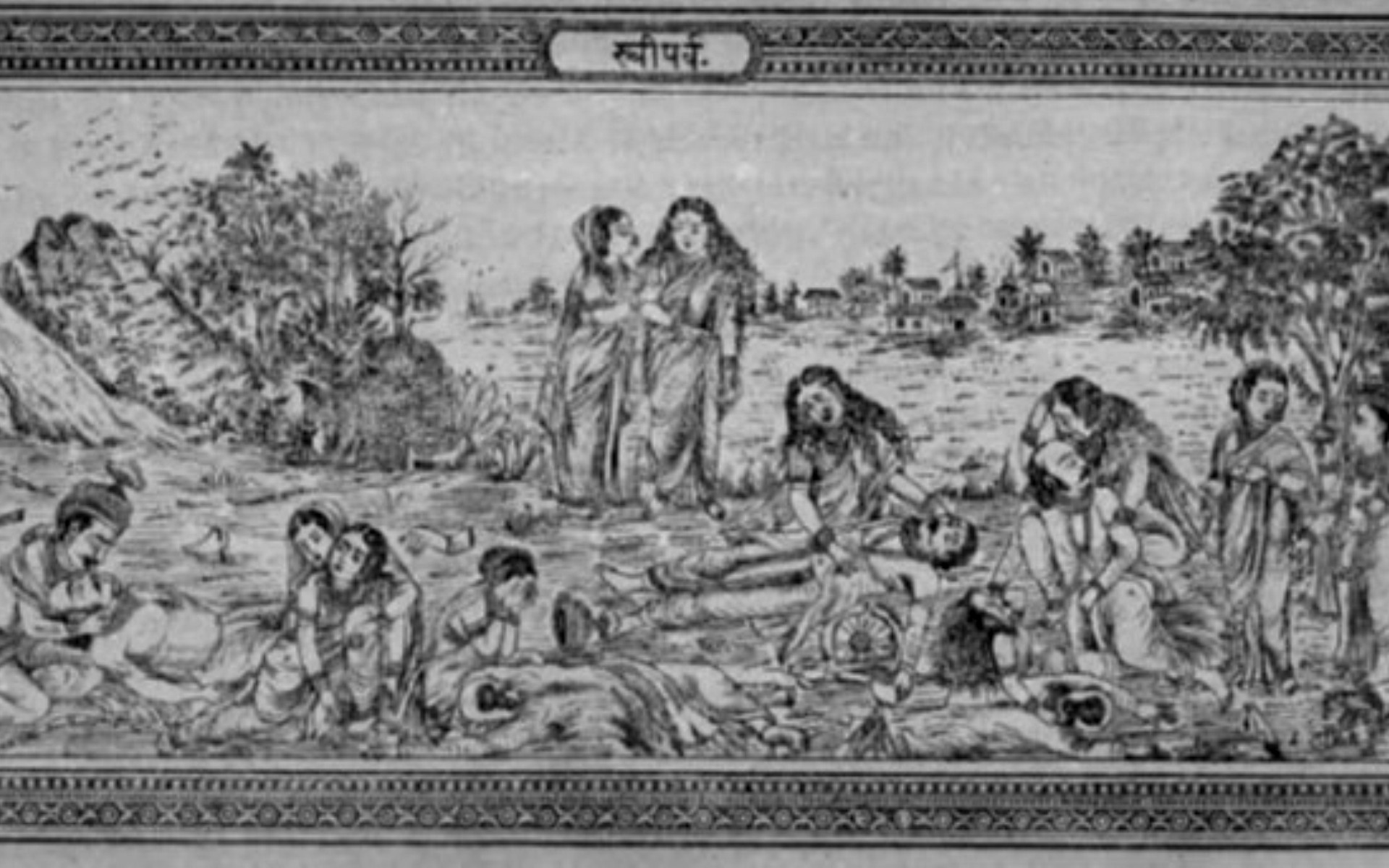
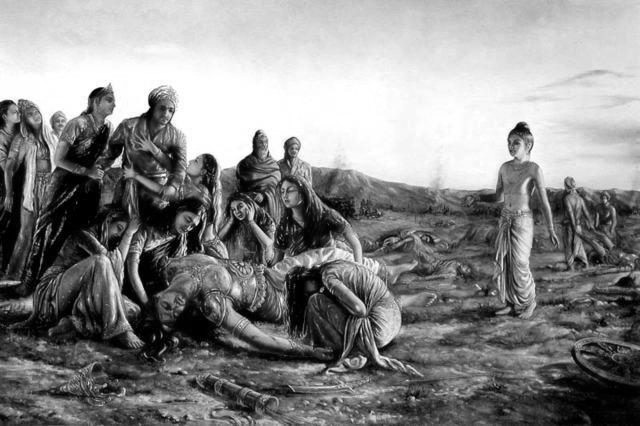
Dharmarāja walked past all the women who were shouting at him, went to the old king Dhṛtarāṣṭra, and bowed down to him. The others too called out their own name...
STRĪ-PARVA Starting from the first day of the war, Sañjaya went to the battlefield from the capital city every day and reported the day’s events to Dhṛtarāṣṭra...
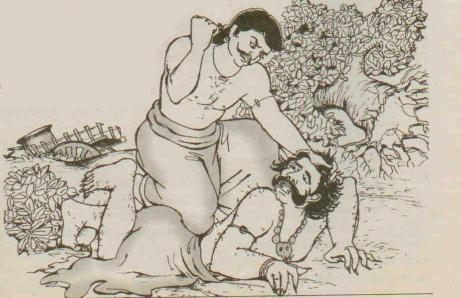
Duryodhana was alive catching on to his last few breaths. He had trouble breathing and was being eaten alive by foxes, wolves and other wild animals. He was try...
SAUPTIKA-PARVA Aśvatthāmā, Kṛpa and Kṛtavarma left Duryodhana and by sunset reached a forest in the vicinity. They fed their horses with water, gulped down sip...
Everyone present there congratulated Bhīmasena. He bowed down before his elder brother and said, “Now the entire world is yours, free of all obstacles. The main...
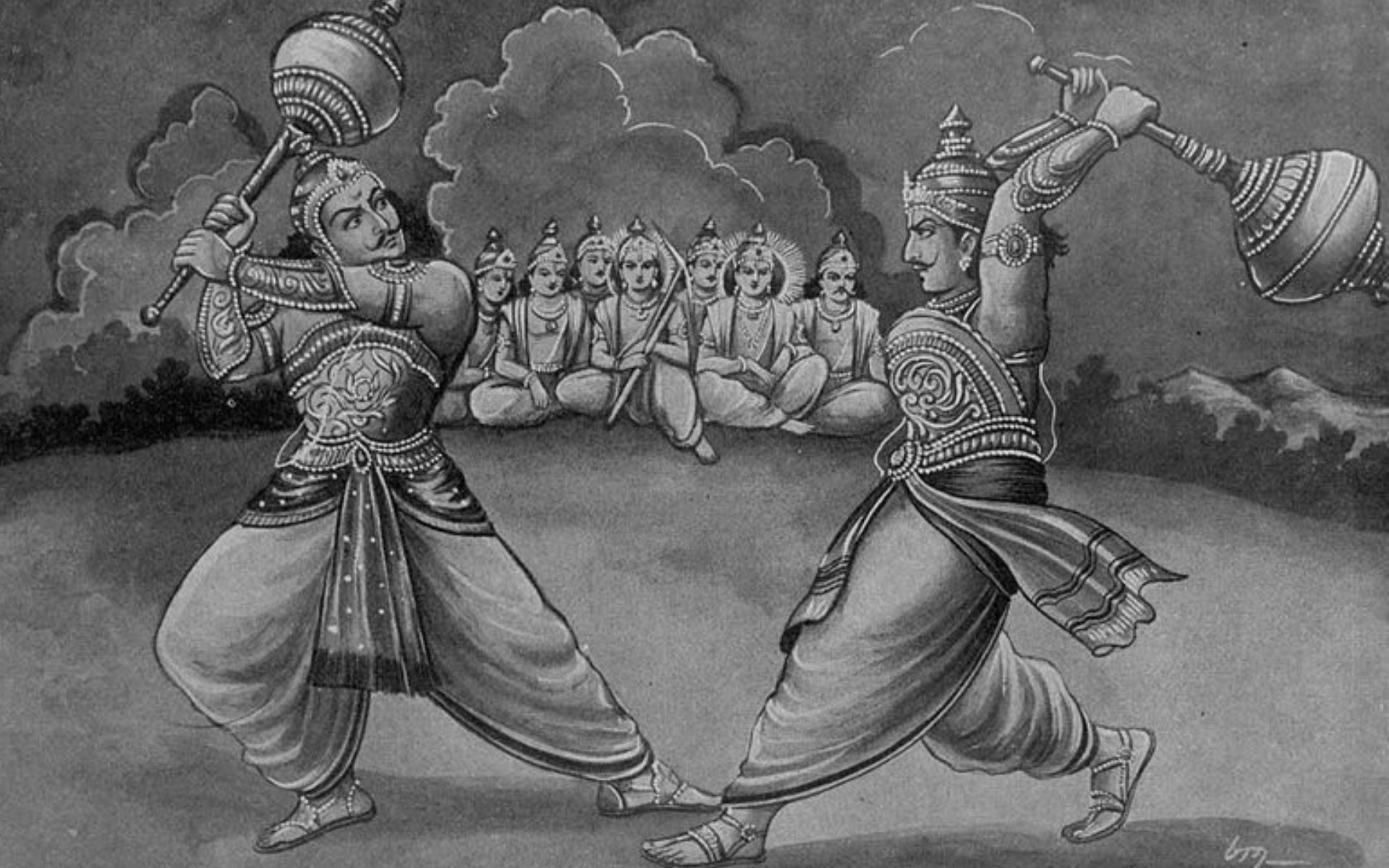
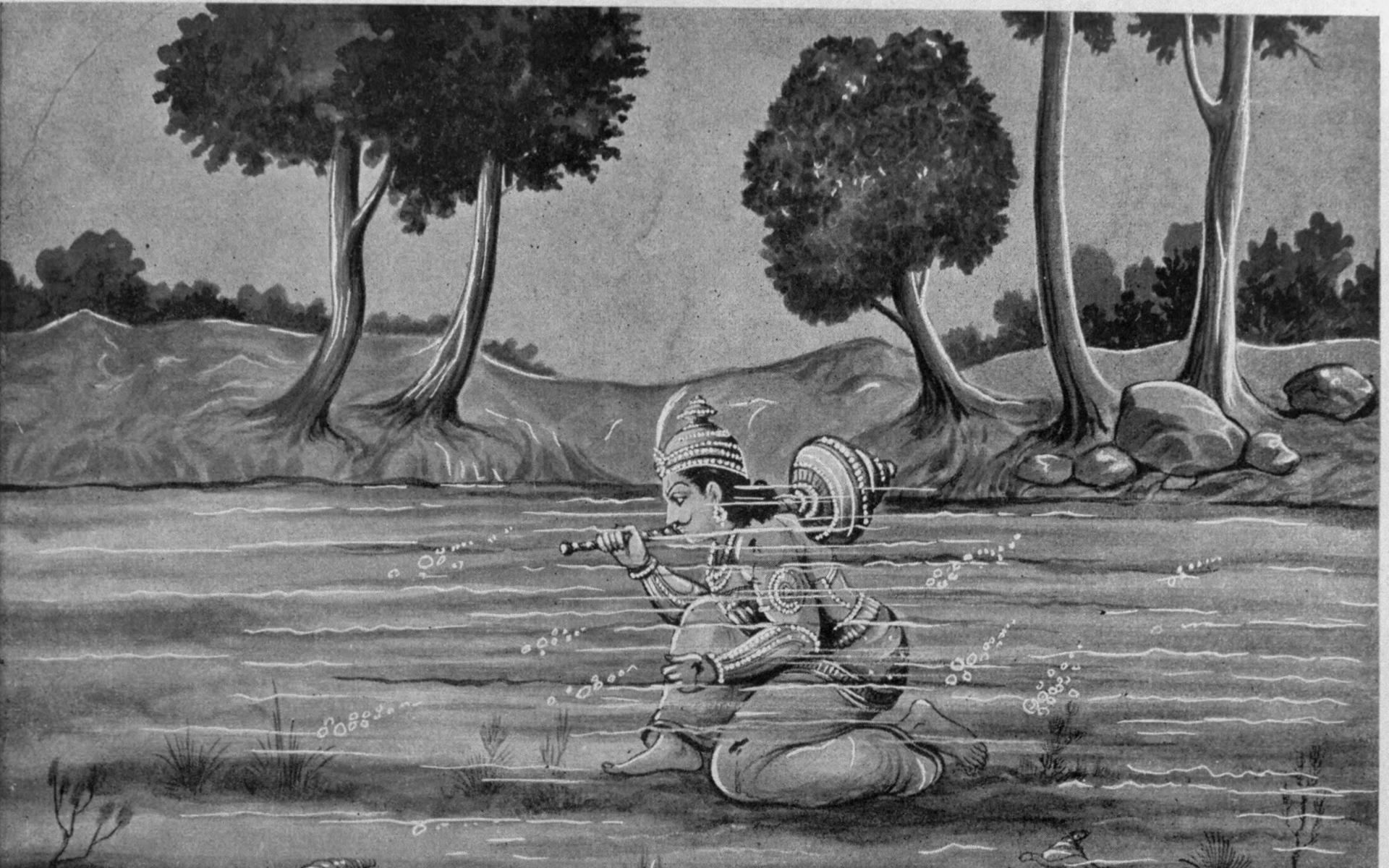
Just like Yudhiṣṭhira, the other Pāṇḍavas too spoke provocative words. Listening to their humiliating words, Duryodhana decided to fight the battle and said, “Y...
ŚALYA-PARVA After Karṇa’s death, Kṛpācārya suggested to Duryodhana that they could enter a treaty of peace with the Pāṇḍavas. Duryodhana, however, refused to d...
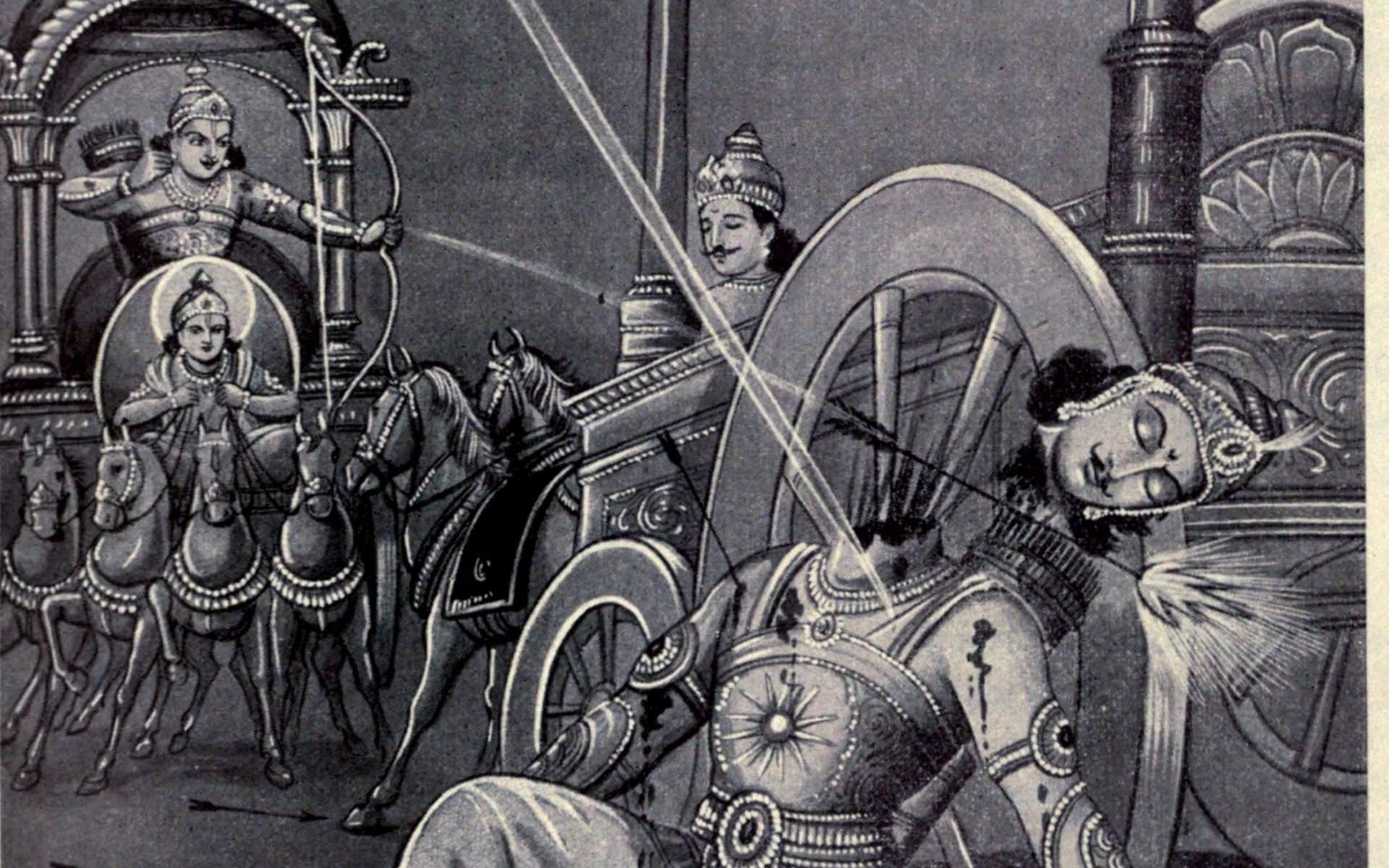
On the way to the battleground, Arjuna was profusely sweating all over. He was anxious about the outcome of the day’s war. Looking at his perplexity, Kṛṣṇa said...
KARṆA-PARVA After the death of Droṇa, on the fifteenth day of the Kurukṣetra war, Duryodhana retired to his camp and discussed the further course of action wit...
The fourteenth day of the war began with Droṇa arranging the Kaurava army in the śakaṭa-vyūha formation within which he arranged the army in the padma-vyūha and...
The next morning Duryodhana told Droṇa, “Ācārya, although Yudhiṣṭhira came as close as the eyes could see, you failed to capture him. Therefore it appears like...
Vyāsa is said to have presented to Brahmā the topics discussed in the Mahābhārata thus – “In this work there are several secrets of the Vedas; my definitive sid...
DROṆA-PARVA नारायणं नमस्कृत्य नरञ्चैव नरोत्तमम् । देवीं सरस्वतीं व्यासं ततो जयमुदीरयेत् ॥ Having saluted Nārāyaṇa, the human and the divine;...
Just because the Mahābhārata was narrated in the period of King Janamejaya it doesn’t make it an ancient tale; it is fresh even today and it will forever be new...
The next morning, i.e. on the tenth day of battle, the Pāṇḍavas had created a battle formation with Śikhaṇḍi leading it. To his left and right stood Bhīma and A...
The story of the Mahābhārata is gigantic. It is thus divided into eighteen parvas. These divisions are called kāṇḍas in the Rāmāyaṇa. What is termed as ‘sandhi’...
On the fourth day of the war, Bhīmasena totally destroyed Duryodhana’s elephant division and killed eight of the Kaurava brothers including Jalasandha and Suṣeṇ...
The culture of Greater India has its roots in śruti, smṛti, itihāsa, and purāṇa. Śruti means ‘Vedas.’ The Upaniṣads, which form a part of the Vedas, are the bas...
Yudhiṣṭhira made his way into the enemy ranks and walked straight to Bhīṣma. He bowed down to the grandsire, touched his feet, and said with great humility, “Gr...
BHĪṢMA-PARVA नारायणं नमस्कृत्य नरञ्चैव नरोत्तमम् । देवीं सरस्वतीं व्यासं ततो जयमुदीरयेत् ॥ Having saluted Nārāyaṇa, the human and the divine;...
Kṛṣṇa reached Upaplavya, met the Pāṇḍavas and narrated everything that transpired in Hastināpura. He finished by saying these words – “Though Bhīṣma, Droṇa, Vid...
Kṛṣṇa paid his salutations to Kuntī and informed her of everything that transpired in the Kuru court. “I’ll take leave of you, dear aunt. I need to get back to...
As he heard Kṛṣṇa’s words, Duryodhana turned towards him and snapped. “Kṛṣṇa! You should think about this once more thoroughly and then speak to us. You have cr...
The next morning, Kṛṣṇa woke up and got ready to leave. Duryodhana and Śakuni came to Vidura’s house and informed Kṛṣṇa that Dhṛtarāṣṭra had arrived at the roya...
The next day, Kṛṣṇa left from Vṛkasthaḻa and headed towards Hastināpura. Bhīṣma, Droṇa and other older Kauravas received him on the way. The entire city was dec...
Draupadī was pained listening to the coward speech of Dharmarāja, to which he had given a dhārmic garb. She was also annoyed looking at Bhīma who seemed to have...
Bhīmasena said, “I suggest you speak to the Kauravas and try to ensure peace between us. Don’t scare them with the prospect of a war even as you start speaking!...
The night was spent in their conversation. The next morning the Kauravas and their nobles assembled in the king’s court, curious to hear the message Sañjaya had...
Vidura first elucidated upon the qualities of a scholar and the differences between the wise and the foolish. A wise man always does what is good for himself...
Accordingly, Sañjaya went to Upaplavya to meet the Pāṇḍavas. He was welcomed with great respect and was treated with dignity. He inquired about their well-being...
In another part of the country, Śalya, the king of Madra, was on his way along with army and his sons, who were both mahārathas. He was acting as per the wishes...
UDYOGA-PARVA After Abhimanyu’s wedding, the kings who were on the side of the Pāṇḍavas assembled in Virāṭa’s court. Among those who had gathered were the Pāṇḍa...
Three days after these happenings, the five Pāṇḍavas had their bath, wore fine white-coloured clothes, adorned themselves, proceeded to Virāṭa’s sabhā with Yudh...
Prince Uttara, adorned with garlands and fragrant perfumes, came in a procession on the royal path; he greeted the citizens of the city and the married woman, r...
With great delight Arjuna looked at the Kaurava heroes retreating; he bowed his head down and offered his greetings to Grandfather Bhīṣma and Ācārya Droṇa and r...
After this Arjuna told Uttara to take his chariot to where Droṇa was standing; offering his salutations to Droṇa, he said in a serene voice, “Ācārya, we took up...
Aśvatthāma said, “O Karṇa! We have not yet won the cows that we’ve captured, we’ve not crossed the borders, we haven’t returned to Hastināpura; and you’ve alrea...
Upon hearing these despondent words of Droṇa, Duryodhana addressed Bhīṣma, Droṇa, and Kṛpa: “Karṇa and I have said this several times in the past; yet I repeat...
Arjuna ran behind Uttara for less than a hundred steps before he caught the young man’s tuft of hair, bringing him to a halt. Uttara began whining like a person...
While at one end, Virāṭa was in the process of releasing the cows captured by Suśarma, at the other end of the kingdom, Duryodhana—accompanied by Bhīṣma, Droṇa,...
Back at Hastināpura, the spies that Duryodhana had set out in search of the Pāṇḍavas returned to the capital and reported to their king. “We thoroughly searched...
Draupadī told Bhīma, “I cried out loud, pouring out my miseries, for I could not control my sorrow; not with a desire to criticize the Mahārāja. Let bygones be...
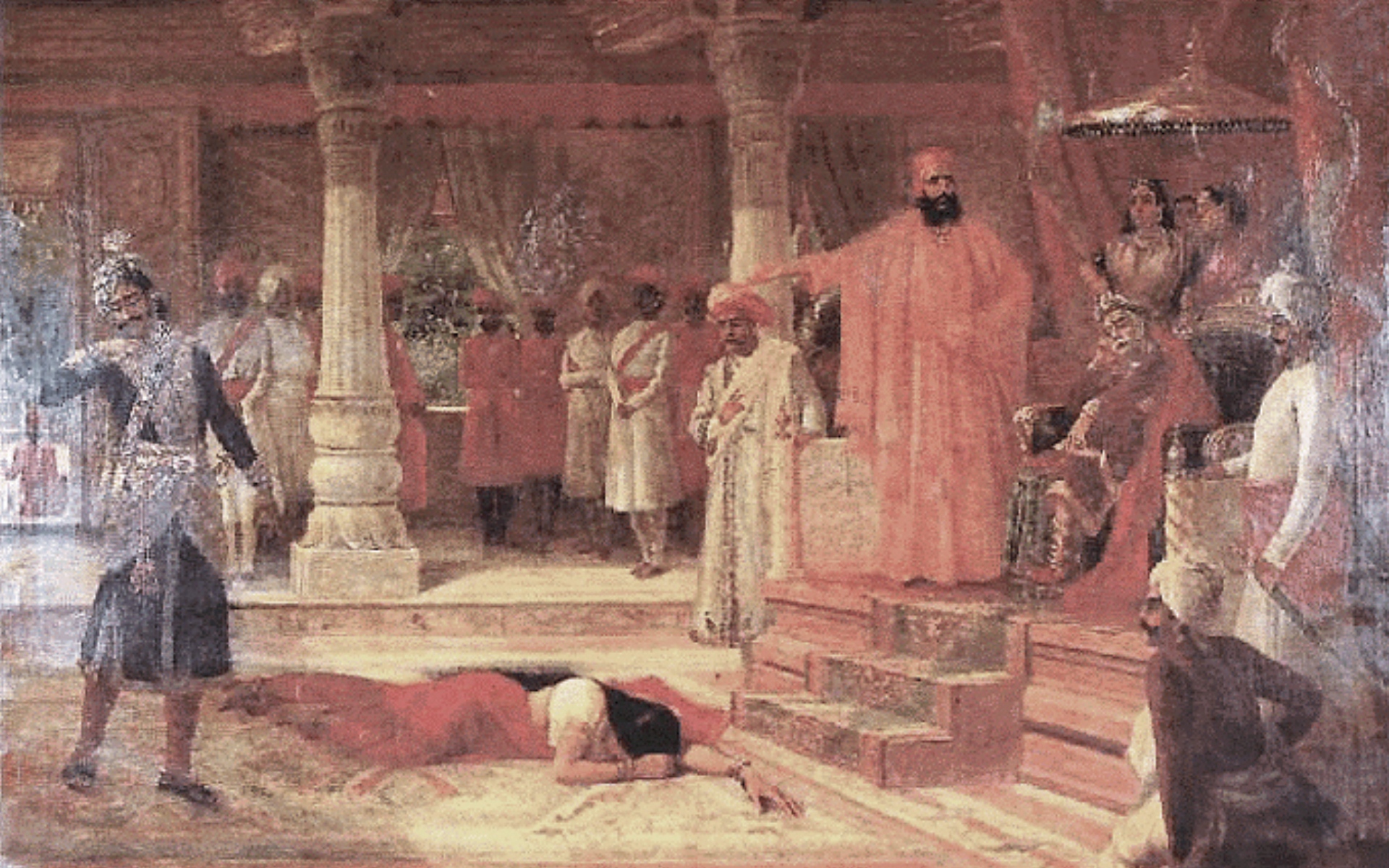
Draupadī told Bhīma, “What is that which ails the wife of Yudhiṣṭhira? Knowing only too well all my sorrows, why do you ask me again? That Prātikāmi addressed m...
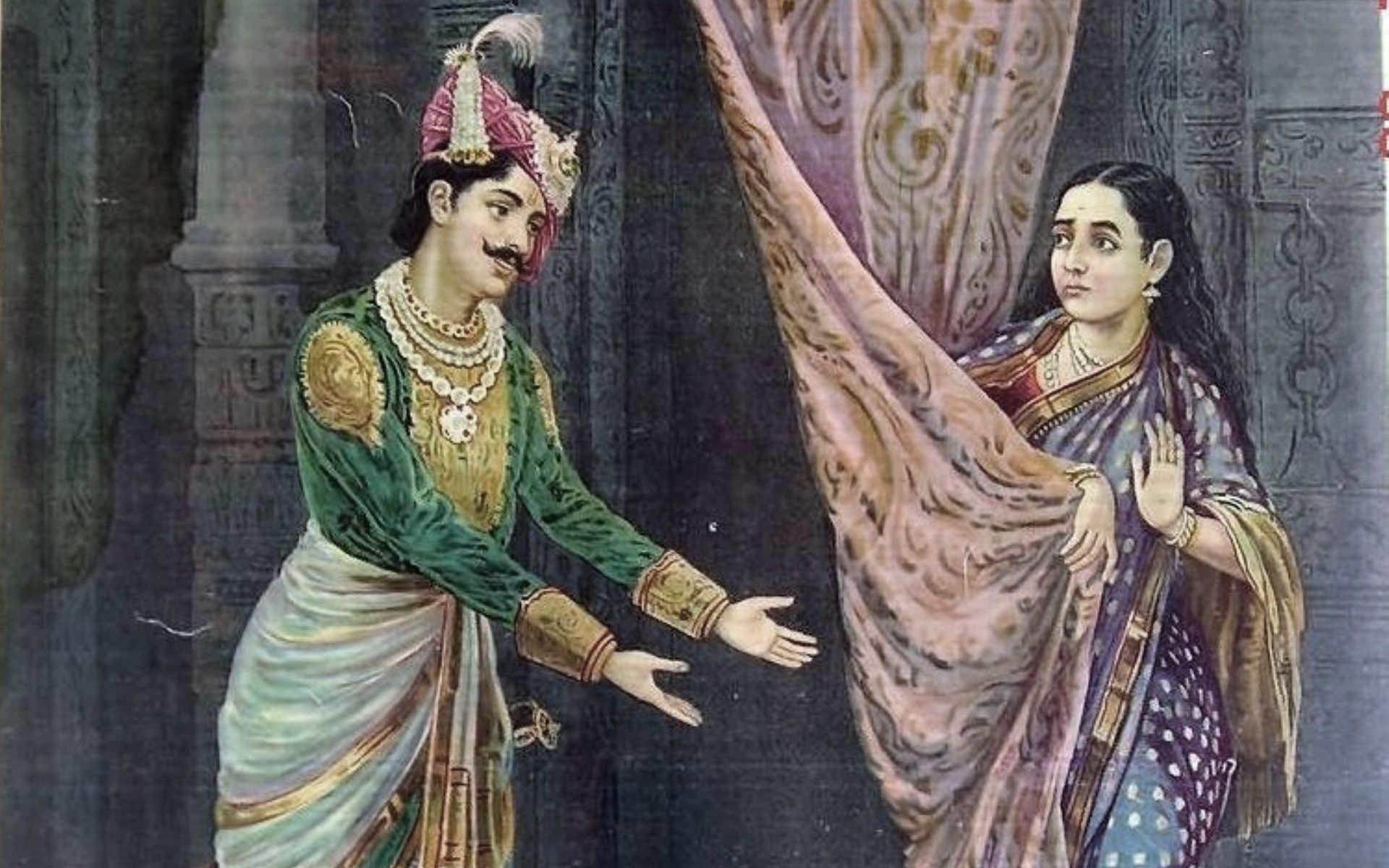
Kīcaka’s joy knew no bounds when he saw Sairandhrī. He felt like a person who had found a boat just by chance when he badly wanted to cross a lake. He said, “Sa...
Sahadeva entered Virāṭa’s court in the guise of a cowherd. “O king! I tended the cows of the Pāṇḍavas. I don’t know where they are now. I’ve come looking for em...
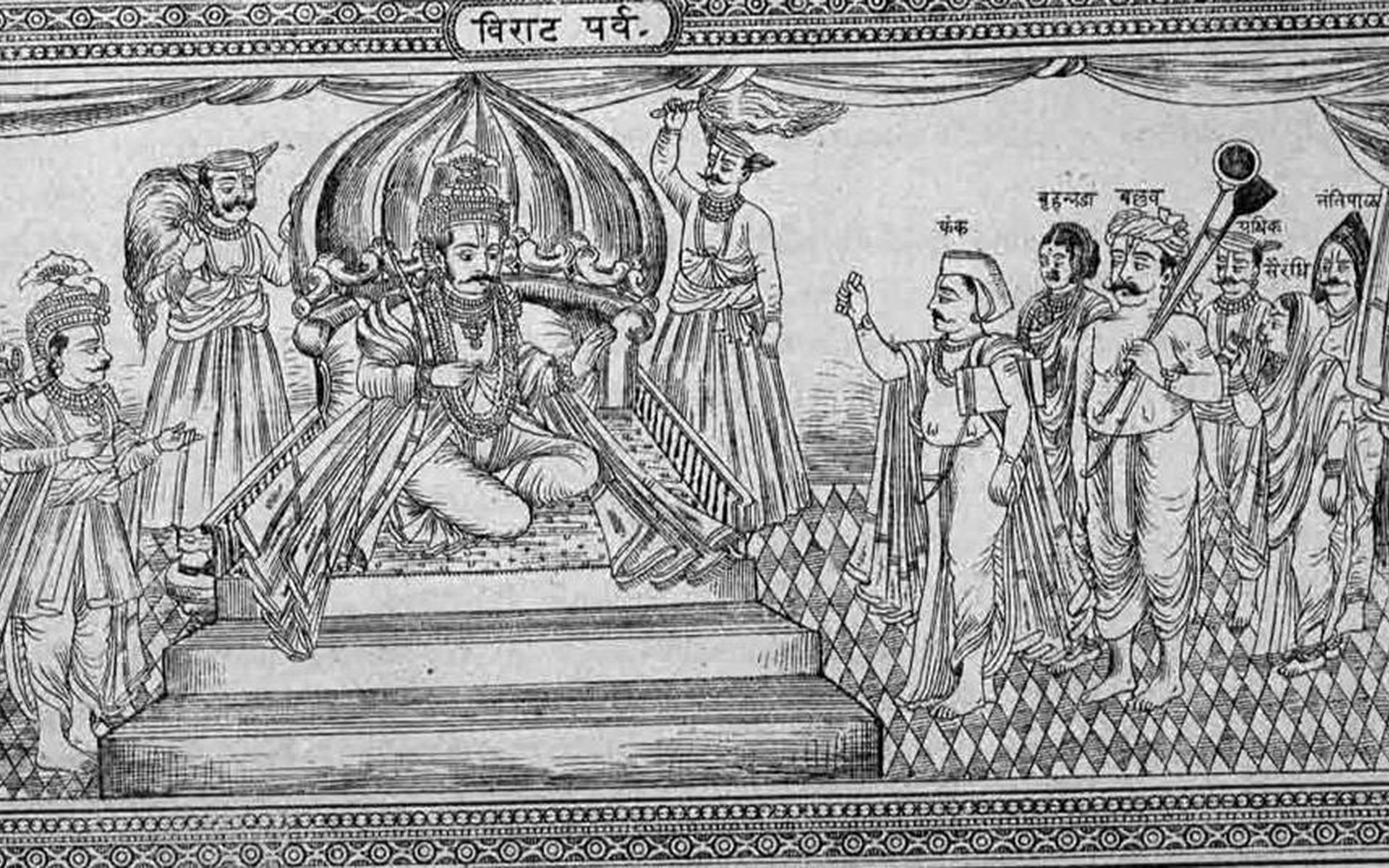
VIRĀṬA-PARVA The Pāṇḍavas spent twelve years in the forest in this manner. One day, Dharmarāja called his brothers and said, “It has been twelve years since we...
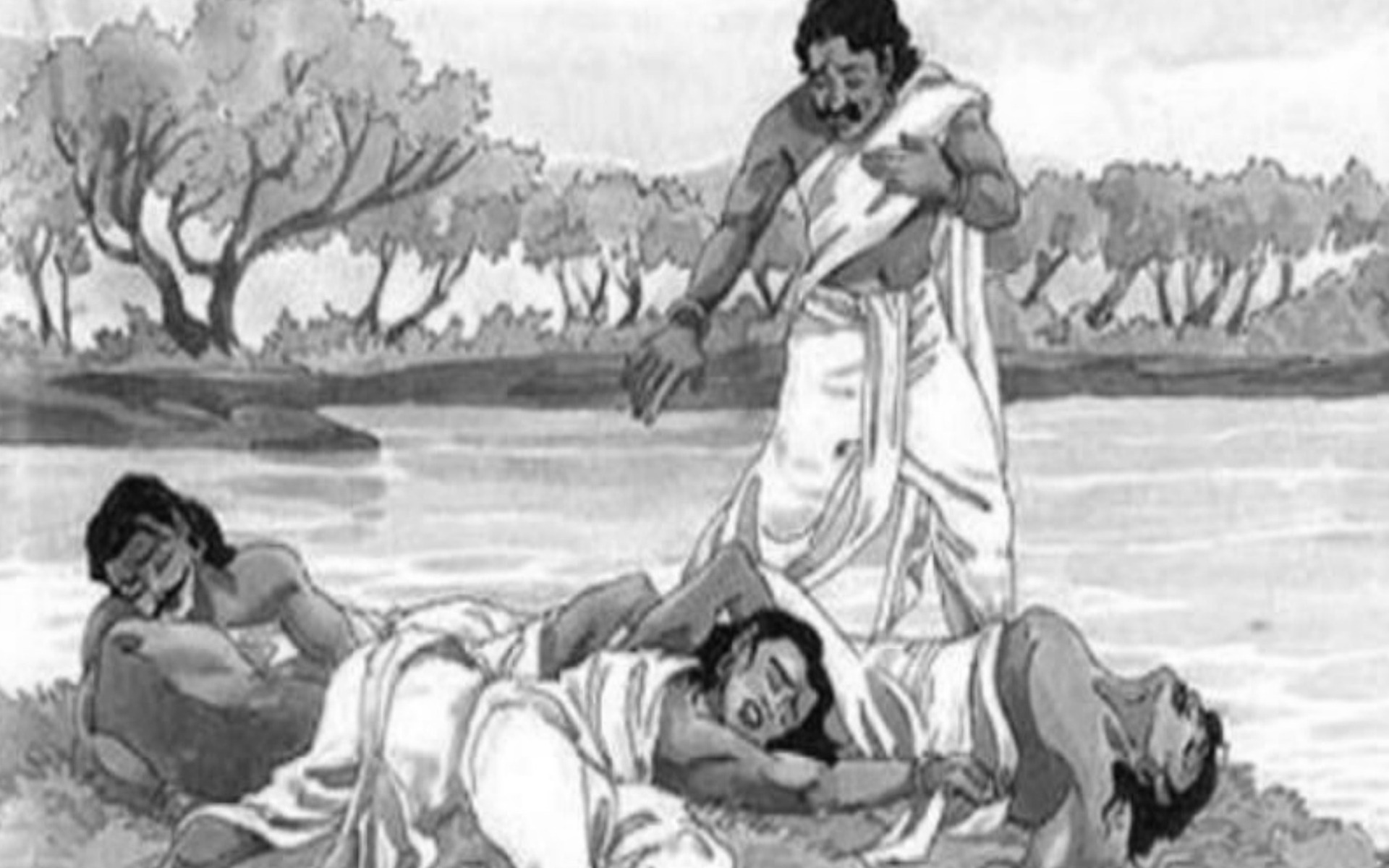
Yudhiṣṭhira told the Yakṣa, “O revered one! I do not desire that which belongs to you; the noble ones do not appreciate such behaviour. I shouldn’t indulge in s...
Upon listening to the story of Sāvitrī, Yudhiṣṭhira experienced a great deal of relief; he did not allow any more worries to plague his heart, and after spendin...
After Yama left, Sāvitrī returned to the place where her husband’s lifeless body lay. She placed his head on her lap once again and Satyavān slowly came back to...
The couple gathered fruits and put them together in a bundle. As Satyavān was working on the logs, his body began sweating all over. He had a tremendous headach...
In the kingdom of Madra, there lived a king named Aśvapati who always abided by dharma and truth and was loved by everyone. He did not have any children even th...
Just as Śani approaches Rohiṇī for pleasure, Rāvaṇa decked himself up in expensive clothes and ornaments and went to Sītā. He described his achievements and wea...
Worried that the citizens of Ayodhya may yet again come to the forest, Rāma left the great forest, went to the banks of the beautiful Godāvarī river, and began...
There was a great king named Aja in the Ikṣvāku dynasty. Daśaratha was his son. He had four sons who were all experts in dharma – Rāma, Lakṣmaṇa, Bharata, and Ś...
Sometime after this episode[1], Duryodhana felt that he too should perform a grand yajña like Dharmarāja. Upon learning of this, Karṇa said, “Indeed! This can t...
The entourage[1] that left from Hastināpura to Dvaitavana camped at a place near the villages of the cowherds. They set their tents up making sure that there wa...
The sage Mārkaṇḍeya narrated several traditional stories to the Pāṇḍavas during their stay in Dvaitavana. The story of Dharma-vyādha is one among those. There...
One day, the northeast winds brought along with a divine Saugandhika flower.[1] Deeming this to be an auspicious omen, Draupadī picked up the flower, went to Bh...
The Pāṇḍavas longed for the company of Arjuna and were getting bored without him[1]; they set out on a tīrthayātra (pilgrimage) with the intention of acquiring...
Keśinī met Bāhuka and asked him when they had started for Vidarbha, how long they had travelled and what the purpose of their visit was. He told her that they h...
The brāhmaṇas left in search of Naḻa, as per the words of Damayantī. Several days later, a brāhmaṇa named Parṇāda came back and said to Damayantī, “Mother! As p...
Thereafter Damayantī continued walking in the dense forest. After crossing several hills, mountains, and rivers she finally came across a walking trail. She beg...
Kali had to wait for a whole twelve years until he could find a flaw in Naḻa. He went to Naḻa’s friend Puṣkara, instigated him to invite Naḻa to play a game of...
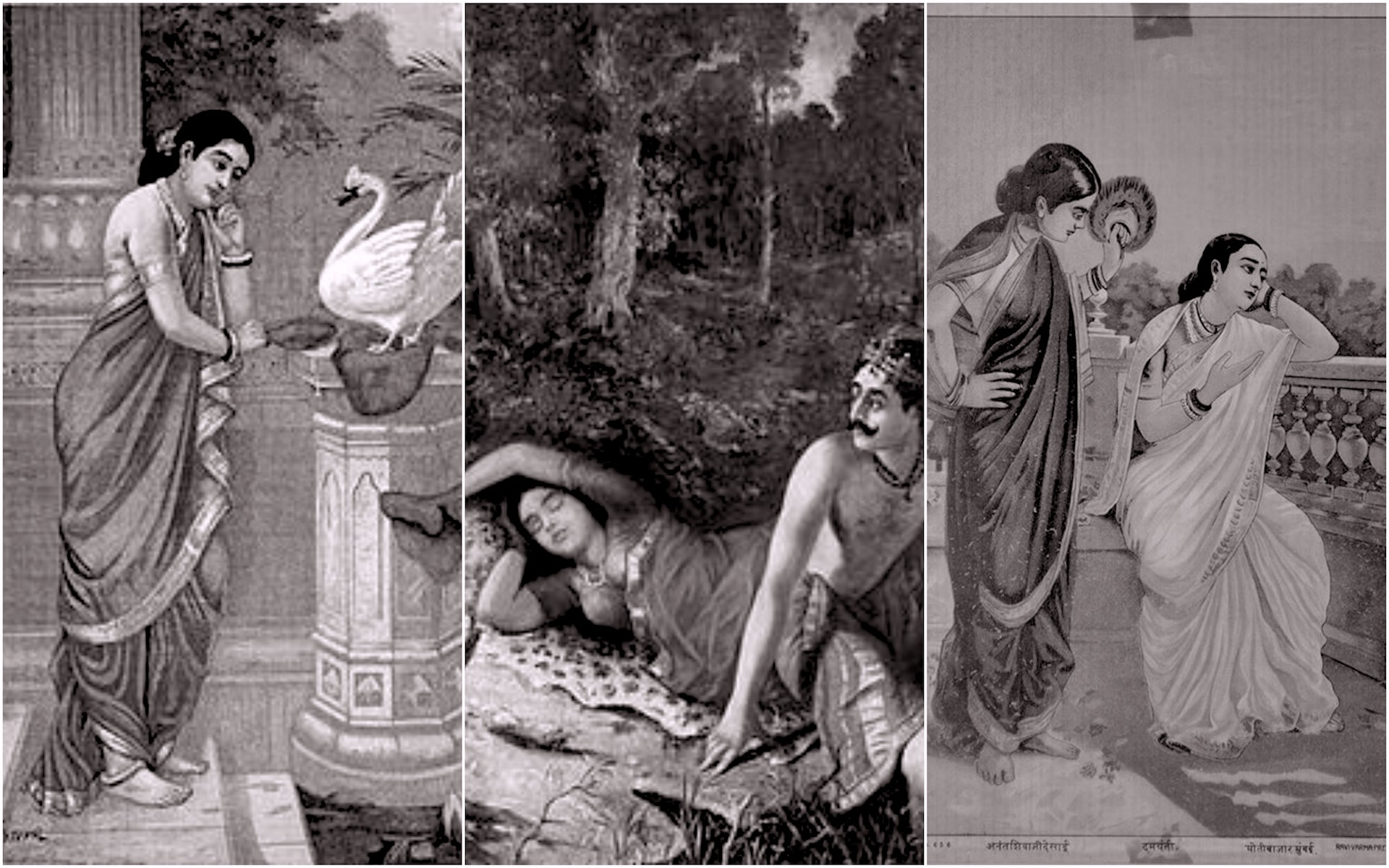
There lived a king named Naḻa in the province of Niṣadha. He was strong, virtuous, handsome, and was considered foremost among the kings. The province of Vidarb...
Arjuna stood there and undertook a terrible penance, subsisting entirely on fruits and leaves. Aggrieved by this, all the great seers in that region went to mee...
Draupadī said, “I am not denigrating dharma nor am I criticizing the Supreme; I'm just lamenting about my difficulties. The fruit of the action manifests itself...
Kirmīra was an asura endowed with magical powers who inhabited the Kāmyaka forest. He was a brother of Bakāsura and a friend of Hiḍimba; Bhīma killed him. When...
ARAṆYA-PARVA After the Pāṇḍavas lost the game of dice, they took their weapons and set out along with Draupadī in a northern direction, leaving Hastinagara beh...
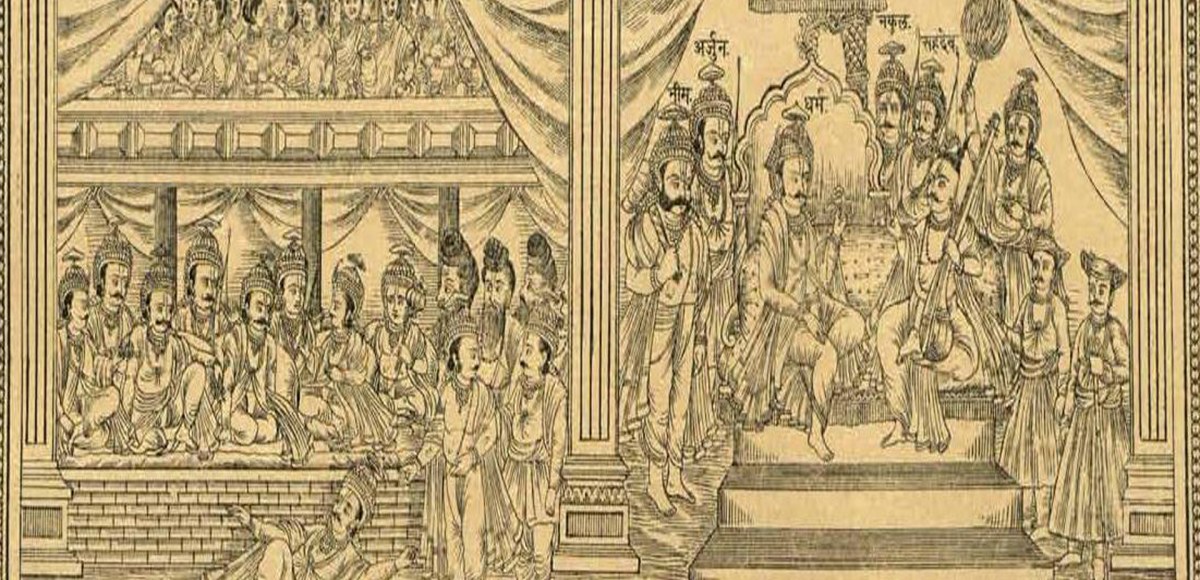
Śakuni said, “King Yudhiṣṭhira! Dhṛtarāṣṭra has arranged for the return of all your wealth; what he’s done is right. I’ve now suggested a condition that’s great...
Duryodhana began taunting Dharmarāja who had remained silent all this while. He said, “O great king! Bhīma, Arjuna, and the twins are your followers. They liste...
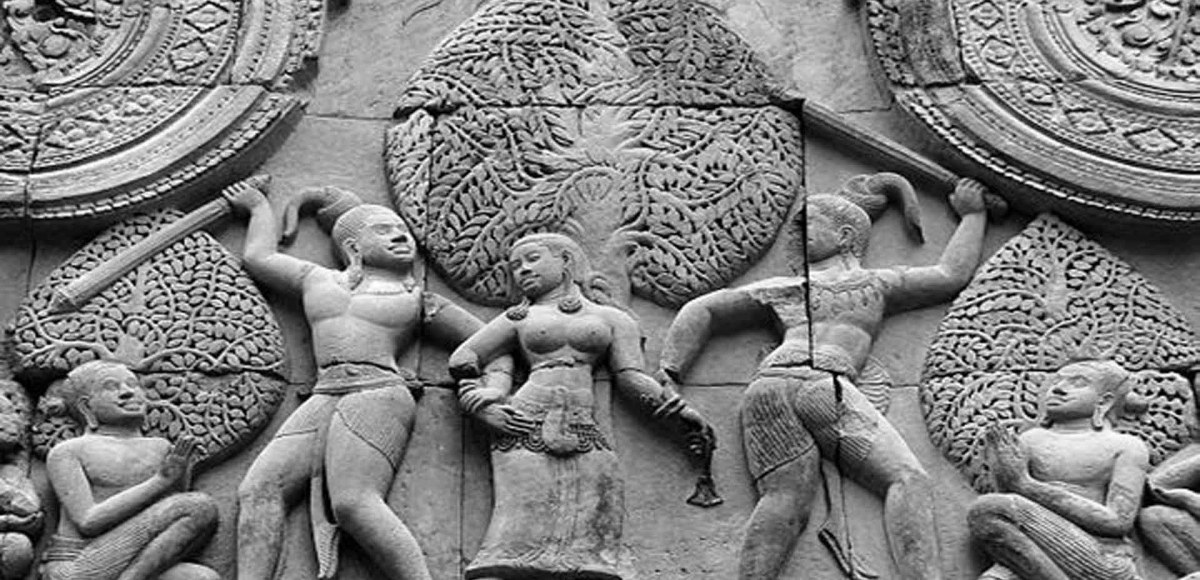
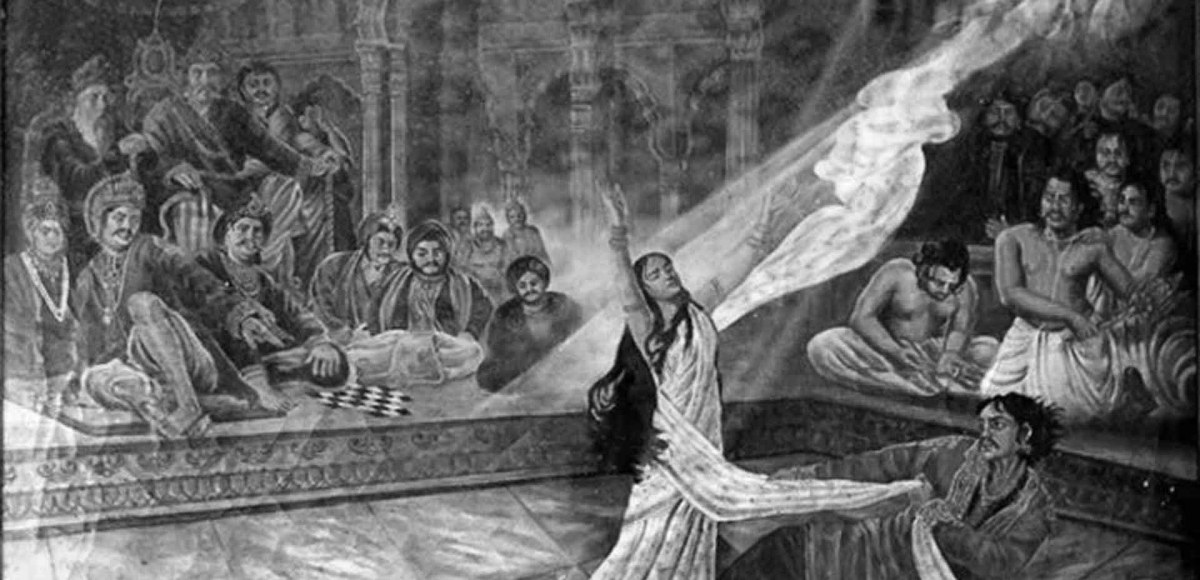
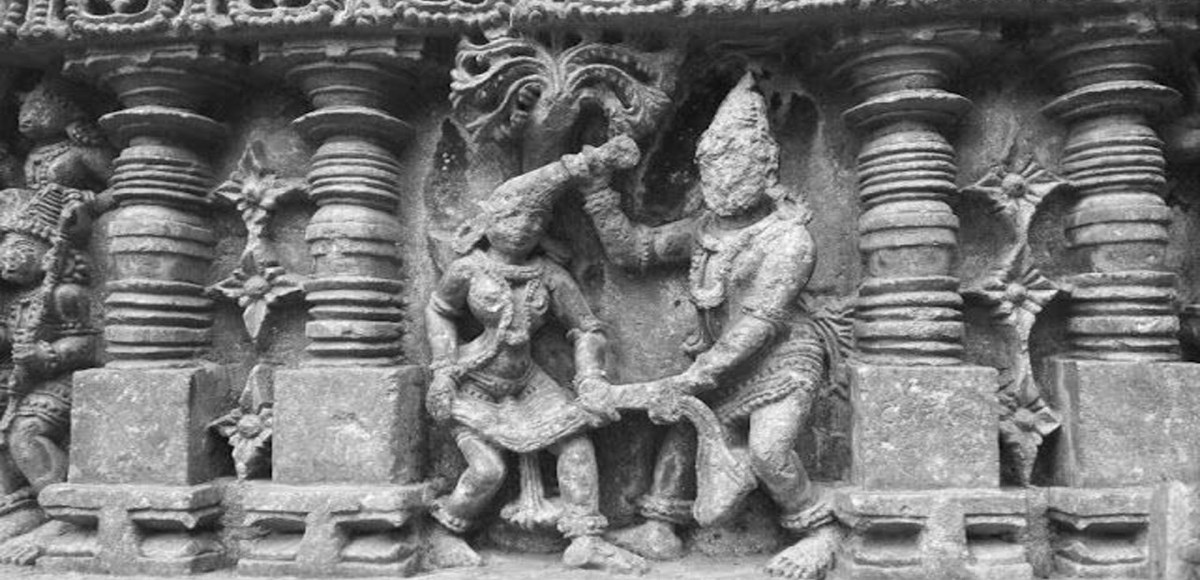
Duśśāsana pulled Draupadī’s garment and taunted her in vulgar language, even as she lamented, looking helplessly at the pale faces of her husbands. Her garment...
Vidura’s advice fell on deaf ears. Śakuni said to Dharmarāja, “Yudhiṣṭhira, you’ve lost a lot of wealth. Tell us if there is something you haven’t yet lost!” Y...
Yudhiṣṭhira welcomed Vidura with great joy at Khāṇḍavaprastha. He enquired after the wellbeing of Dhṛtarāṣṭra and his sons. Observing that Vidura’s face l...
Thus, all the impediments that had come in the way of performing the Rājasūya-yāga were removed; Yudhiṣṭhira completed the yāga successfully under the protectio...
With the killing of Jarāsandha, the greatest obstacle for the Rājāsūyayāga was removed. But Yudhiṣṭhira still needed to subdue the other kings or have a treaty...
SABHĀ-PARVA Maya was a sculptor of the rākṣasas. He was one of the few who remained alive without getting charred to death when the Khāṇḍava forest burned; out...
In the north, Arjuna went to Gaṅgādvāra, the Agastyavaṭa in the Himalayan region, Vasiṣṭha mountain, Hiraṇyabindu, and other pilgrimage centres; in the east, he...
Vidura said, “Dear king! Friends must indeed say only that which brings welfare; words that are disagreeable don’t fall on your ears; Bhīṣma and Droṇa have spok...
Duryodhana’s spies brought news that Draupadī was married off to the Pāṇḍavas; the archer who bent the bow, strung it, and shot the target was none other than A...
Drupada heard the words of Dharmarāja sent through the purohita and was yet unable to determine the clan and the family lineage of the groom; so he thought of a...
As the celebration of the svayaṃvara started, the crowd at the venue kept growing; actors and dancers entertained them and were rewarded with precious...
[The following sub-stories appear in the Ādi Parva of the Mahābhārata, Adhyāyas 158–74] The brave Pāṇḍavas travelled day and night and arrived at a holy place c...
In the meantime, the other Pāṇḍavas returned home after their daily round of seeking alms. Looking at Bhīma’s face, Yudhiṣṭhira guessed that there must be somet...
The Pāṇḍavas wandered from one forest to another for several days.[1] [Starting from Vāraṇāvata, they travelled through the provinces of Matsya, Trigarta, Pāñc...
After their escape from Vāraṇāvata, the Pāṇḍavas went southward, moving quickly in the light of the stars, and reached a dense forest. By this time, all of them...
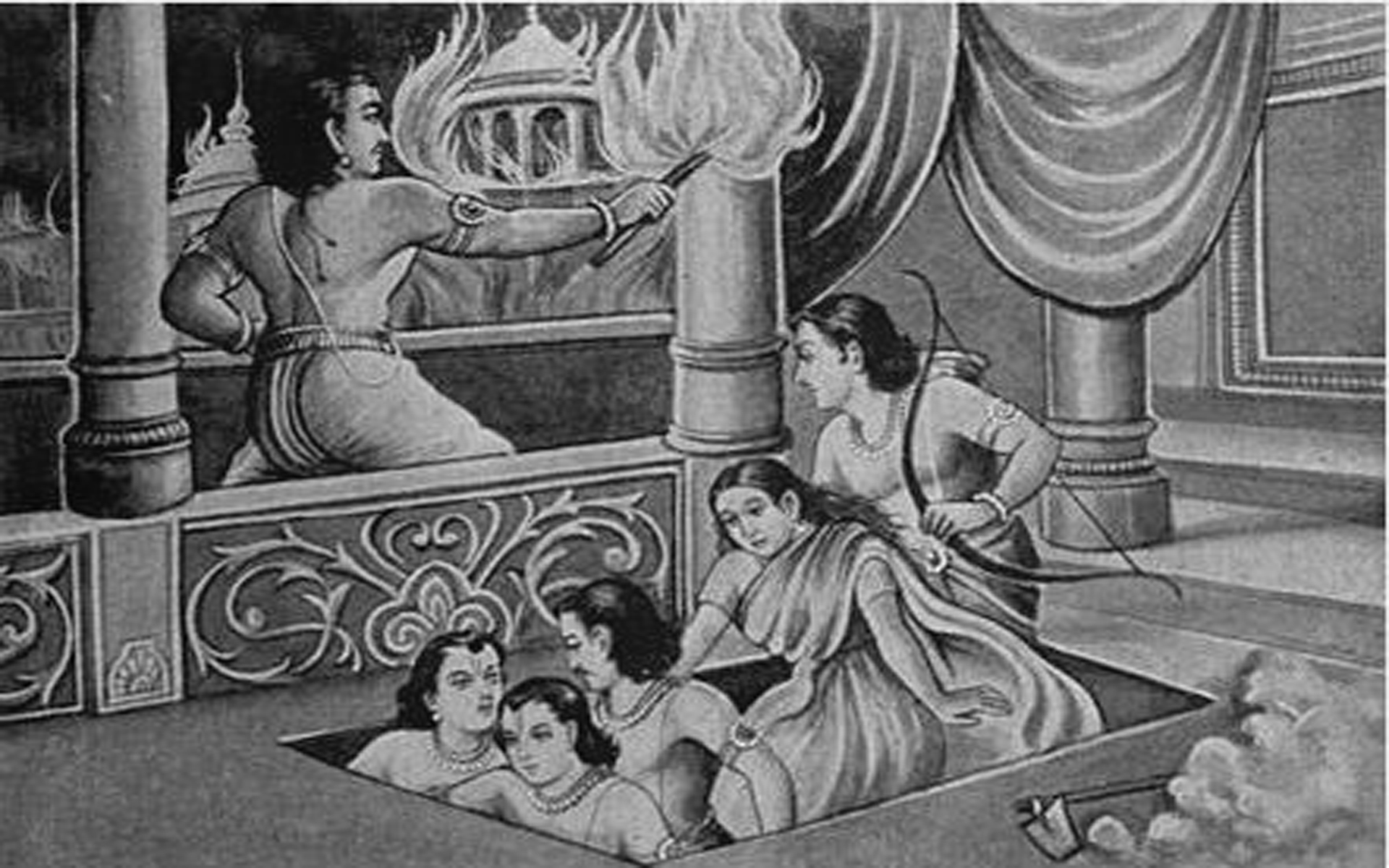
After Dhṛtarāṣṭra spoke to Yudhiṣṭhira [regarding the trip to Vāraṇāvata], Duryodhana was delighted and summoned Purocana to meet him in private. Duryodhana hel...
At the fag-end of the tournament, when they heard the tumultuous sound at the gates, filled with wonder the spectators asked, “Have the mountains crumbled?” “Ha...
There lived a teacher by name Kṛpācārya[1] who taught archery to the kings of the Vṛṣṇi clan and other kṣatriya clans. The Kauravas and Pāṇḍavas were his discip...
Back at Hastināpura, Gāndhārī too was pregnant; even as she was carrying, she heard that Kuntī had given birth to Yudhiṣṭhira. She hadn’t given birth even after...
The two children who were born to Satyavatī passed away at a young age. Satyavatī was saddened, thinking about her responsibility towards the lineage of her par...
ĀDI-PARVA नारायणं नमस्कृत्य नरञ्चैव नरोत्तमम् । देवीं सरस्वतीं व्यासं ततो जयमुदीरयेत् ॥ Having saluted Nārāyaṇa, the human and the divine; Sarasvatī...
With this part, we conclude the translation series of the preface to Vacanabhārata. The current article describes the literary approach of AR Krishna Sastri in...
The primary characteristics of the modern world are material wealth and individual freedom [c. 1950]. Today, an individual desires to be independent as much as...
The word ‘karma’ means ‘activity.’ In a narrower sense, it can also mean the Vedic rituals of yajña and yāga, building of socially useful amenities such as lake...
There are times when we face difficulties as a result of our own ignorance, indiscretion, dullness of intellect, stupidity, etc., but at other times, we face di...
The Vagaries of Comforts and Discomforts Why are there difficulties, troubles, sorrows, and atrocities on earth? Nobody desires for these. Everyone wants to be...
Mahābhārata - Ahiṃsā The trait of sattva does not mean non-activity or lack of valour. The same can be said of ahiṃsā too. We have seen earlier that ahiṃsā is...
Saṃnyāsa, Yajña-dāna-tapas By the time of the Mahābhārata, it seems that several people had given up worldly life and had taken up saṃnyāsa; they pract...
Bhīṣma, Yudhiṣṭhira, and Kṛṣṇa have been portrayed as the noble characters in the Mahābhārata. Among these, Yudhiṣṭhira looks upon Kṛṣṇa as an elder brother and...
According to the Gītā, dedicating every activity to the all-pervading brahman or working with divine inspiration is called ‘arcana’ (roughly translated as ‘wors...
We have seen earlier that prakṛti undergoes metamorphosis due to the loss of equilibrium of the three guṇas (sattva, rajas, and tamas) and this instability is i...
The word ‘yoga’ has several meanings. In the Bhagavad-Gītā (2.48,50; 5.1,5,7), yoga is used in the sense of karma (activity) or karma-yoga (activity without sel...
Philosophy in the Mahābhārata : Sāṅkhya A few things must be mentioned before entering into this discussion. As stated earlier, the extant Mahābhārata was comp...
Half of the extant Mahābhārata is dedicated to dharma and ethics. In the other half, the main story and the upākhyānas are present. Even if we consider the latt...
Dharma and Nīti (ethics) in the Mahābhārata Dharma is that which sustains and supports the world; that which upholds; that which nourishes and protects from de...
The Timeline of the Composition of Mahābhārata For over a century, scholars from Germany, France, England, and India have extensively studied the Mahābhārata a...
Adhyāyas 62-88 – Śakuntalopākhyānam, Vaṃśanukrama, Yayātyupākhyānam (Śakuntalā’s story, details of the lineage and Yayāti’s story) In these adh...
The fifty-seventh adhyāya of the Ādi-parva starts with the story of King Uparicara. Some scholars opine that this is the real beginning of the Bhārata epic...
Adhyāyas 54-61 : Ādivaṃśāvataraṇa -parva The ādivaṃśāvataraṇa-(upa-) parva spans eight adhyāyas – from the fifty fourth to the sixty first. In the beginning of...
Adhyāyas 4-12. Pauloma-parva The adhyāyas from 4 to 12 form the Pauloma-parva. Just like the anukramaṇikā (prologue), this section starts with a prose passage....
The third adhyāya of the Ādi-parva contains the ‘Pauṣya’(upa)parva. The Sūta, Ugraśrava tells the story of Uttaṅka. After completing his studies, Uttaṅka sets o...
Adhyāya 2. Parvasaṅgraha-parva The second adhyāya contains the Parvasaṅgraha section. This contains information such as the...
This Vyāsa-pūrṇimā, Prekshaa is delighted to present a translation of the masterly introductory essay of A R Krishna Sastri to his magnum opus, the Vacana-...