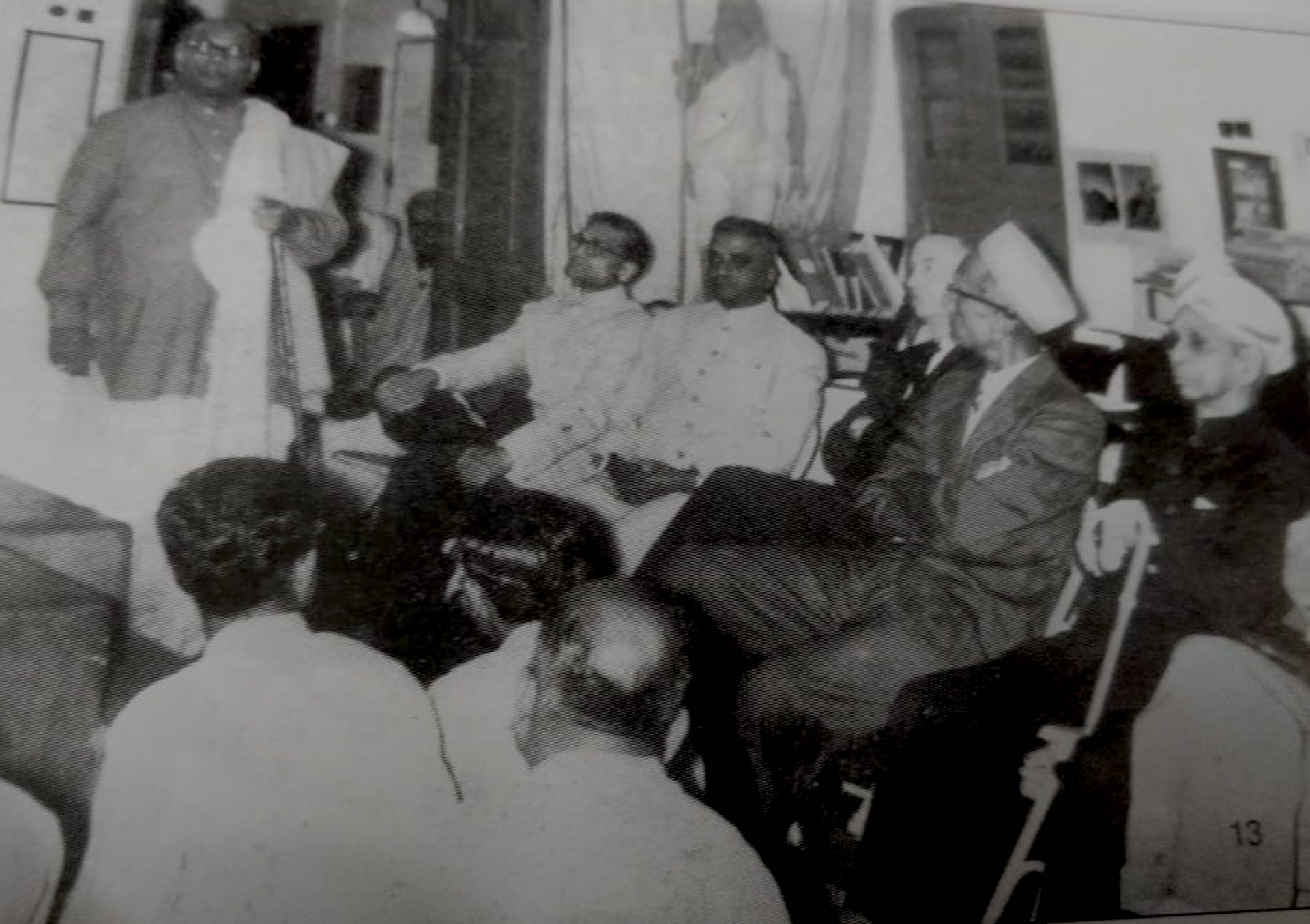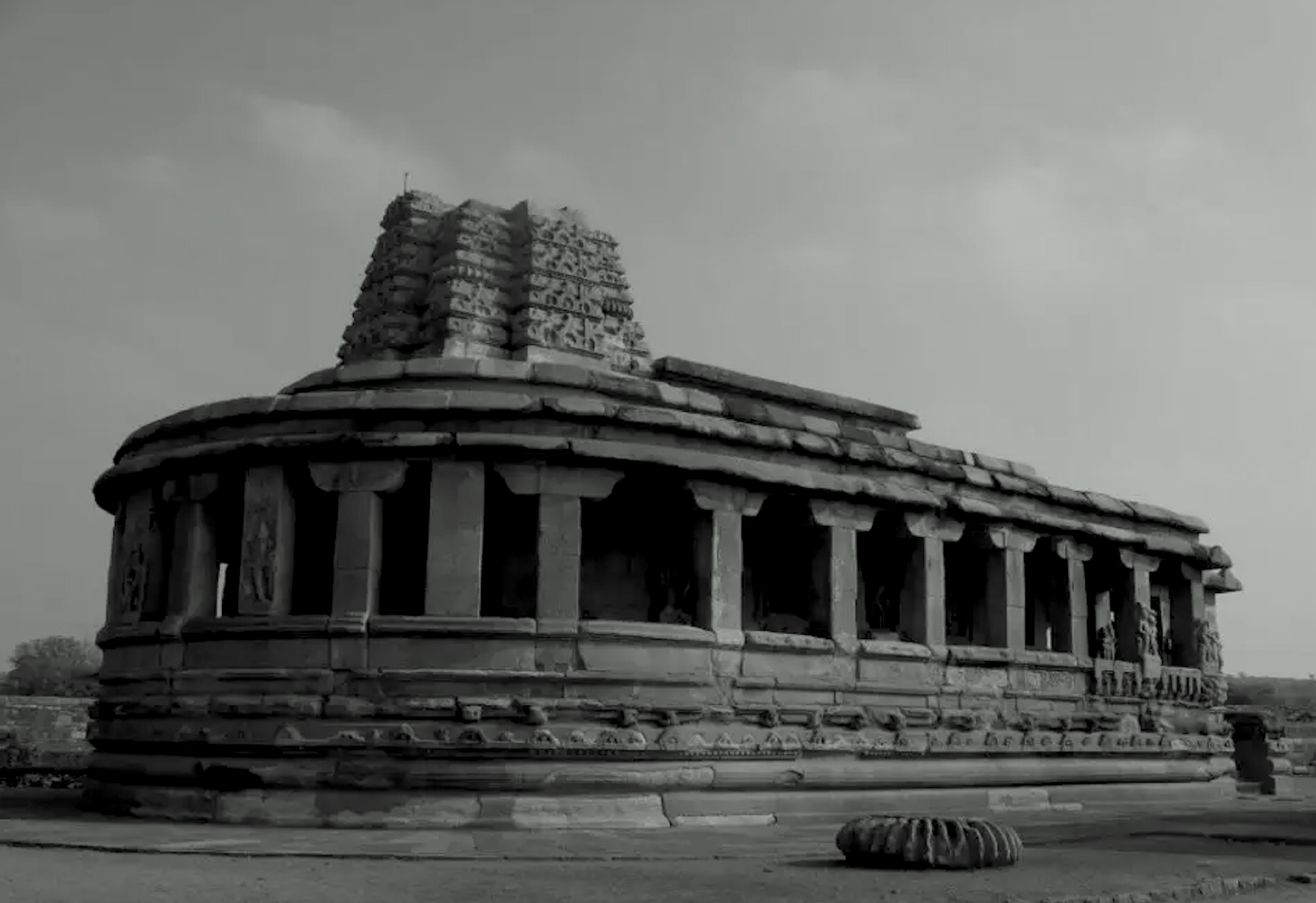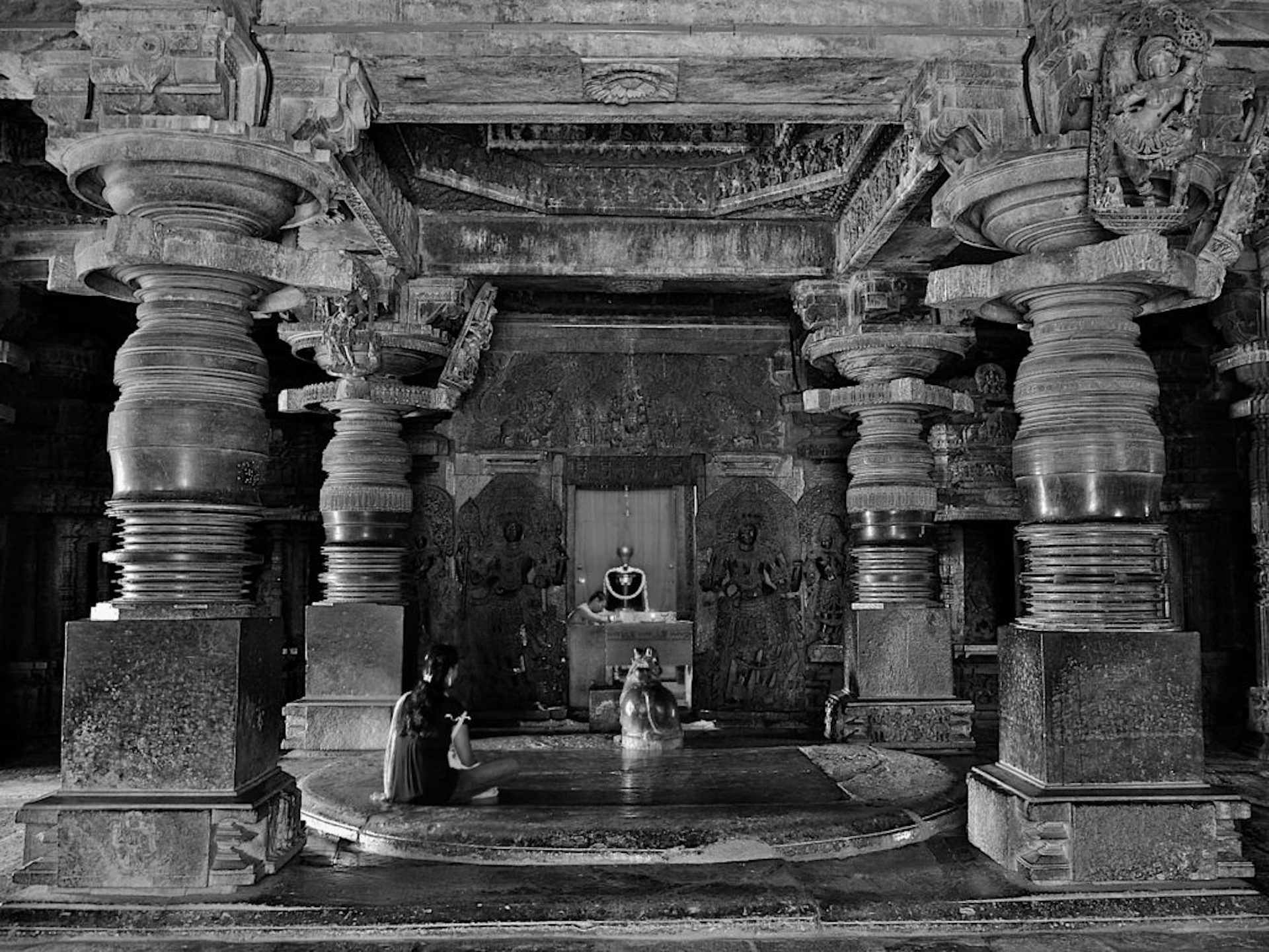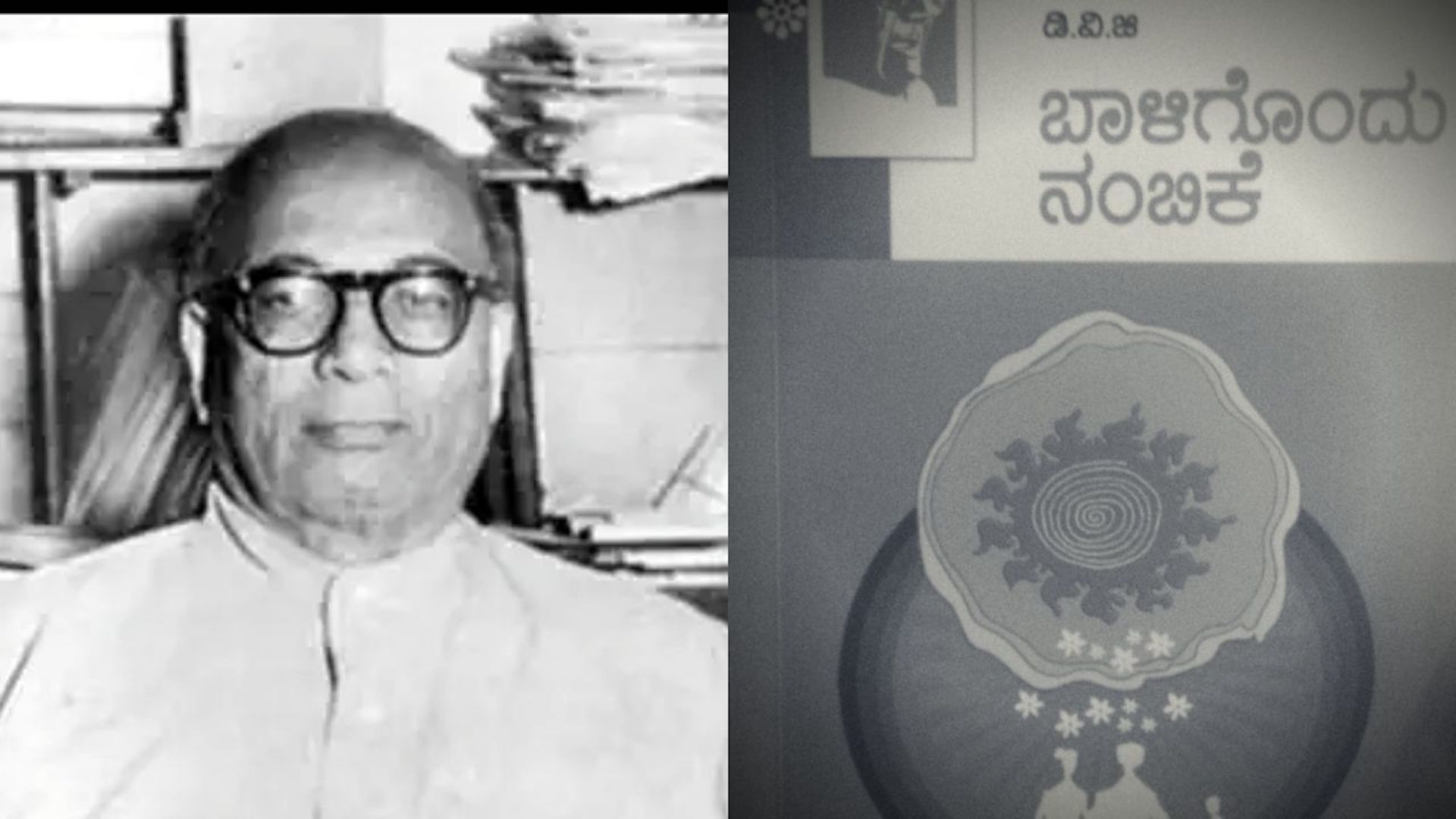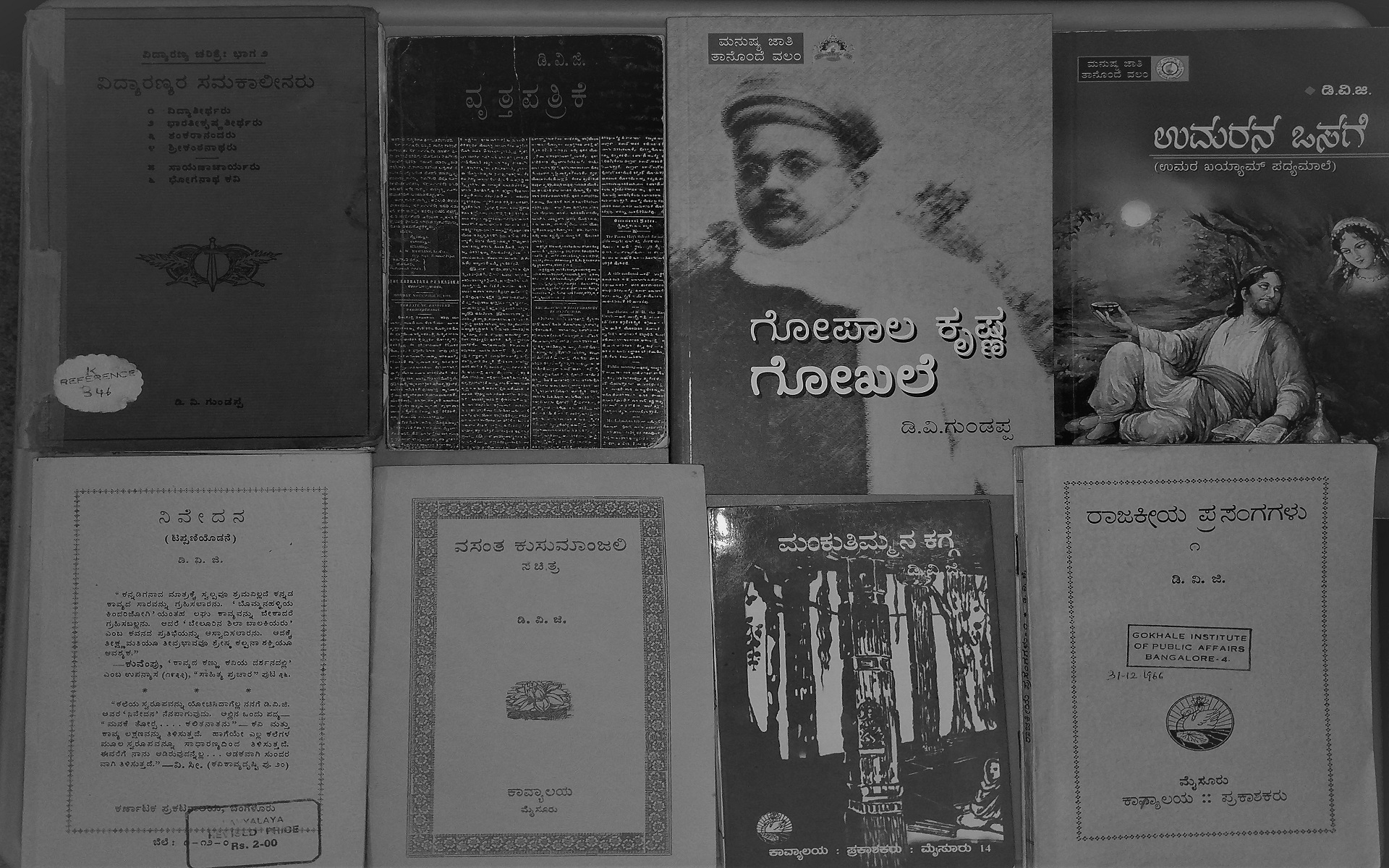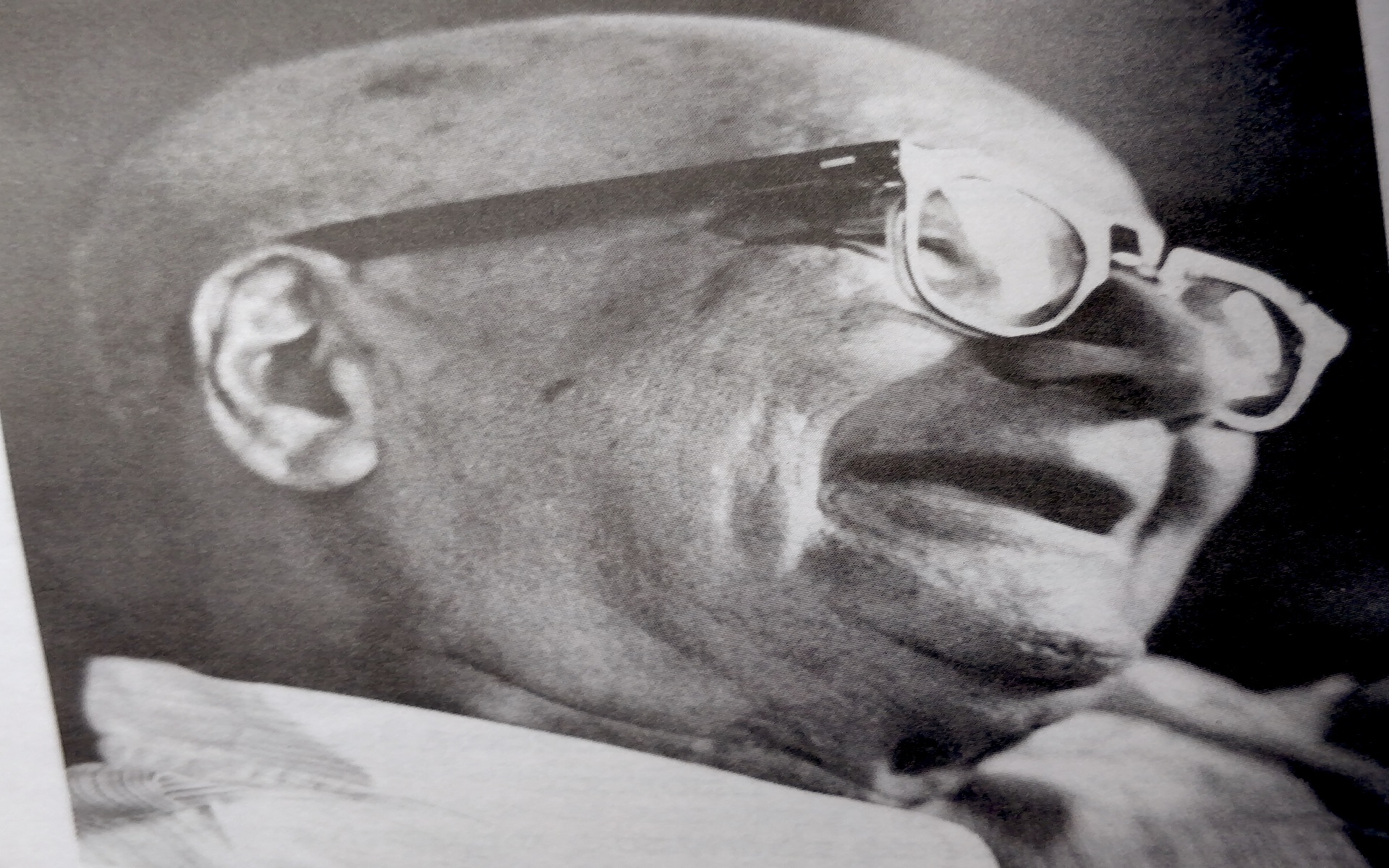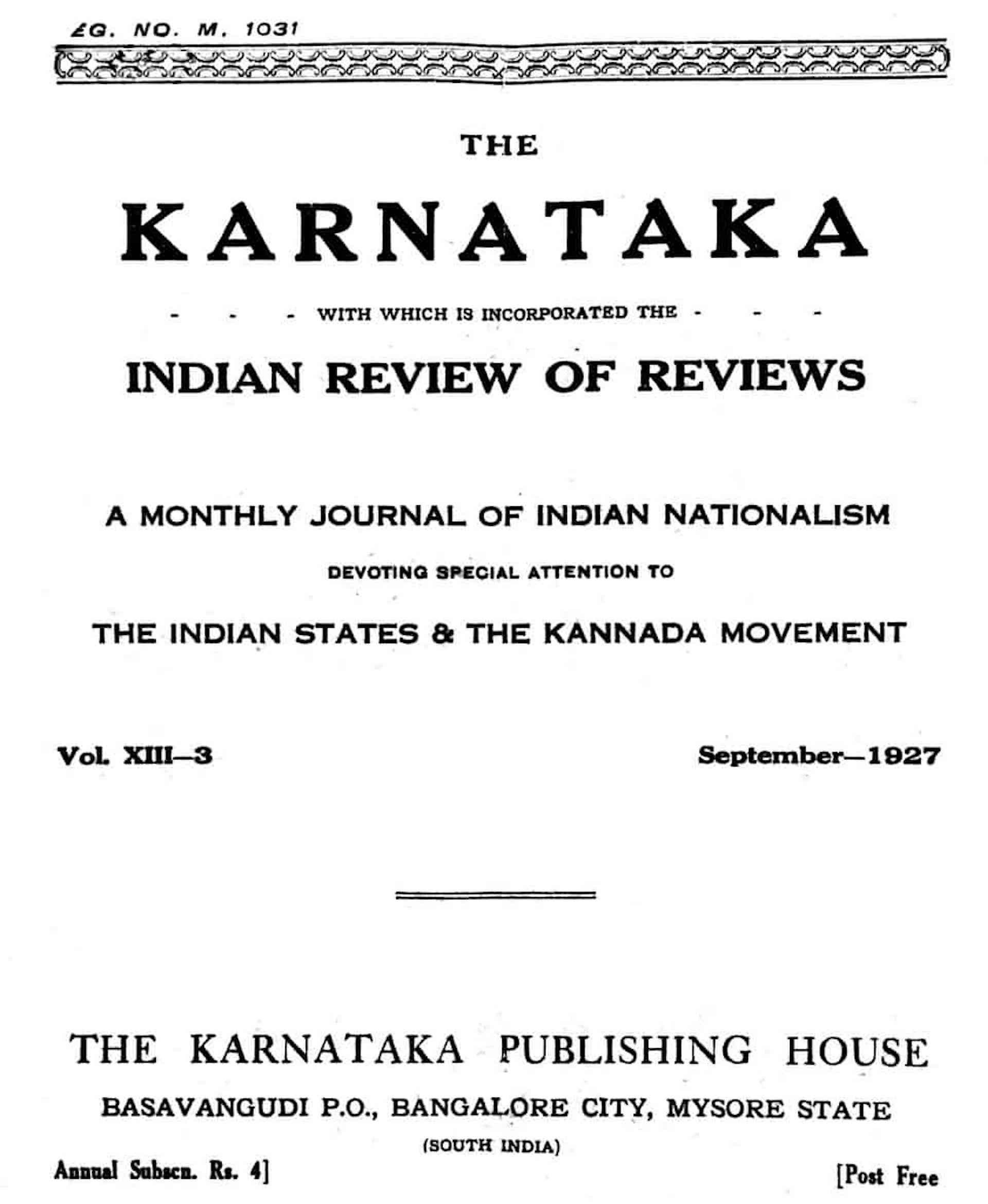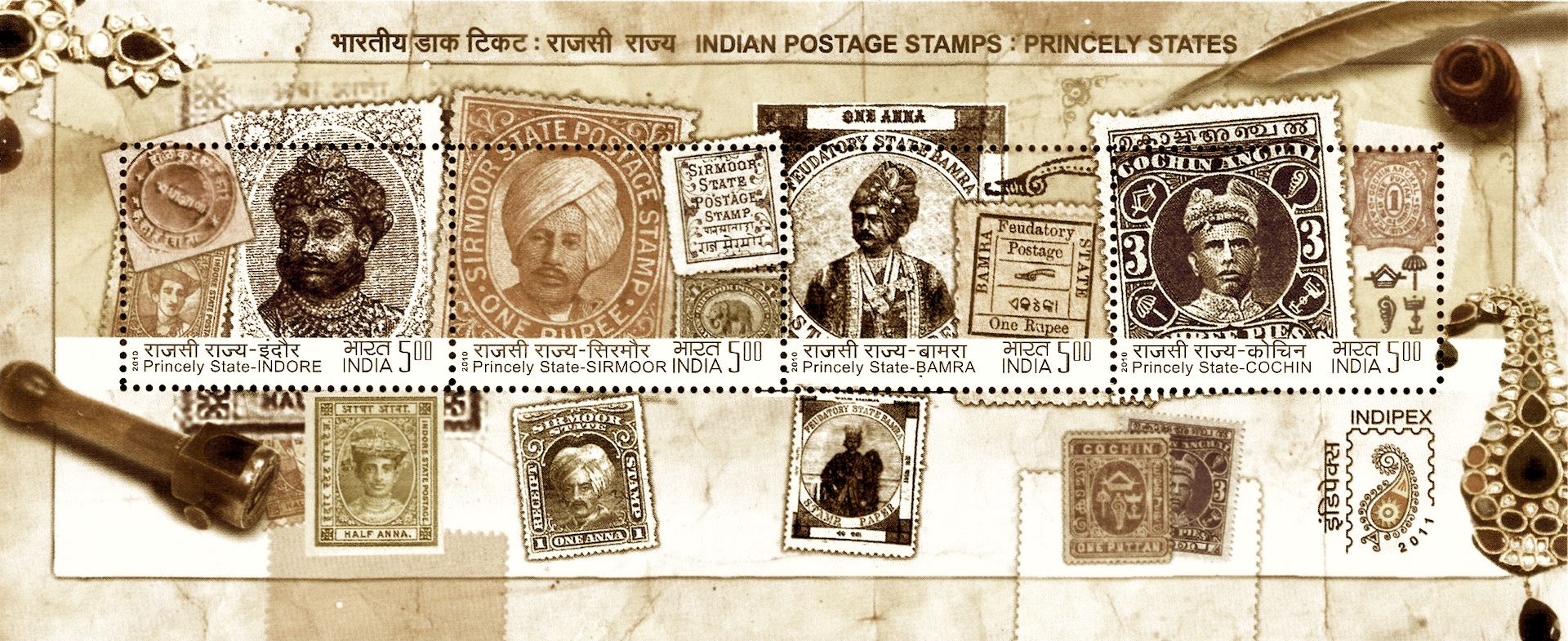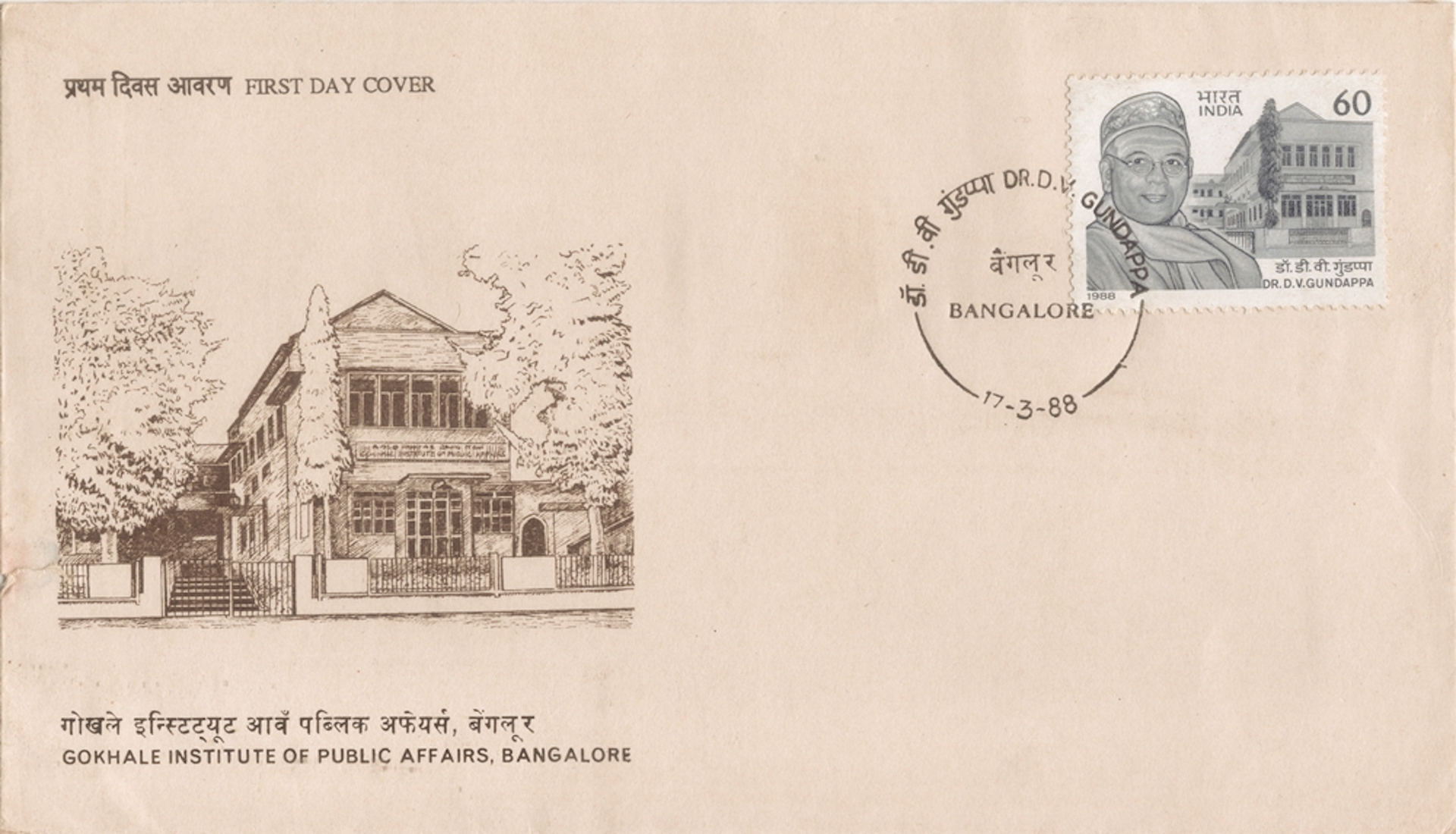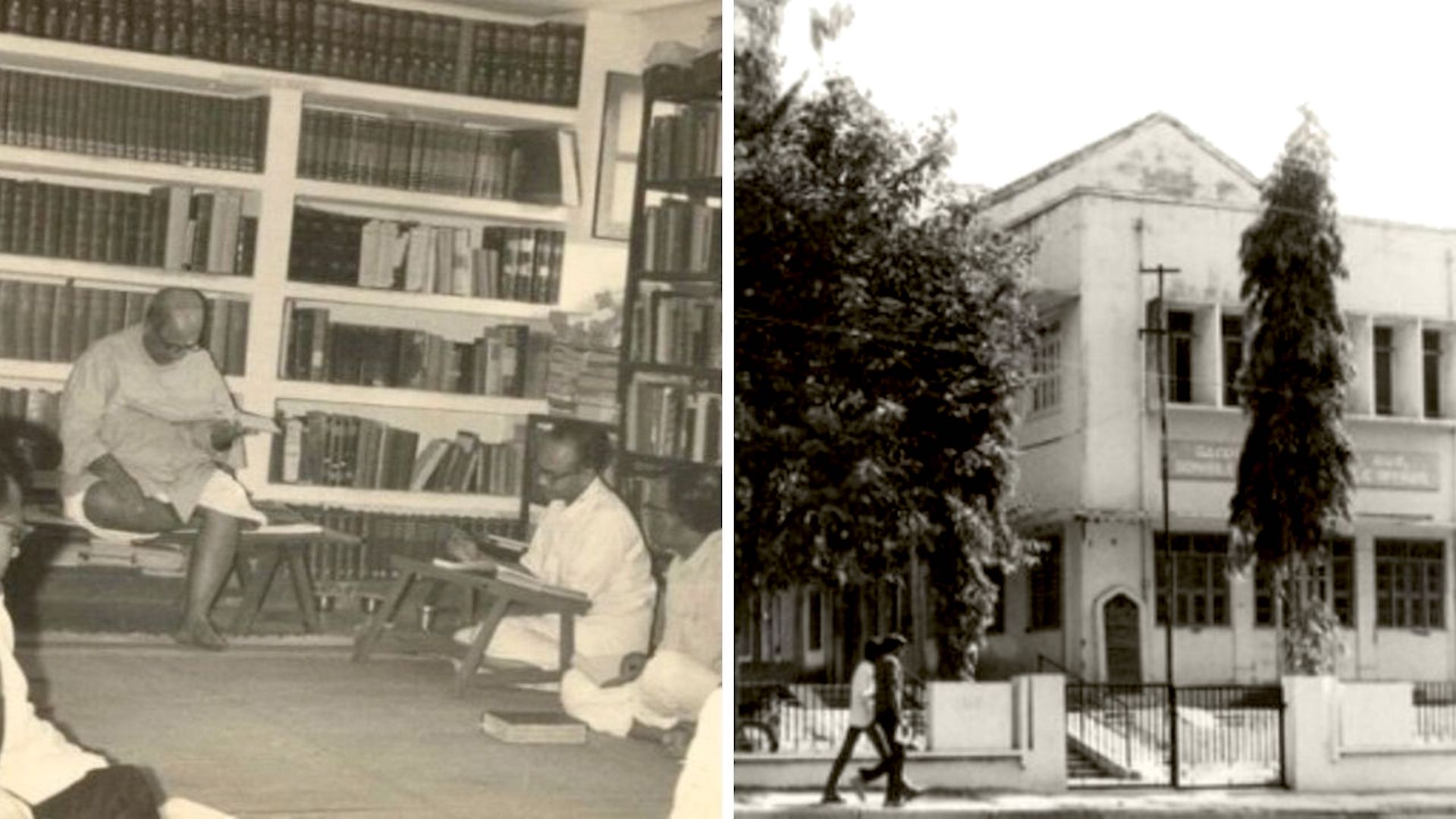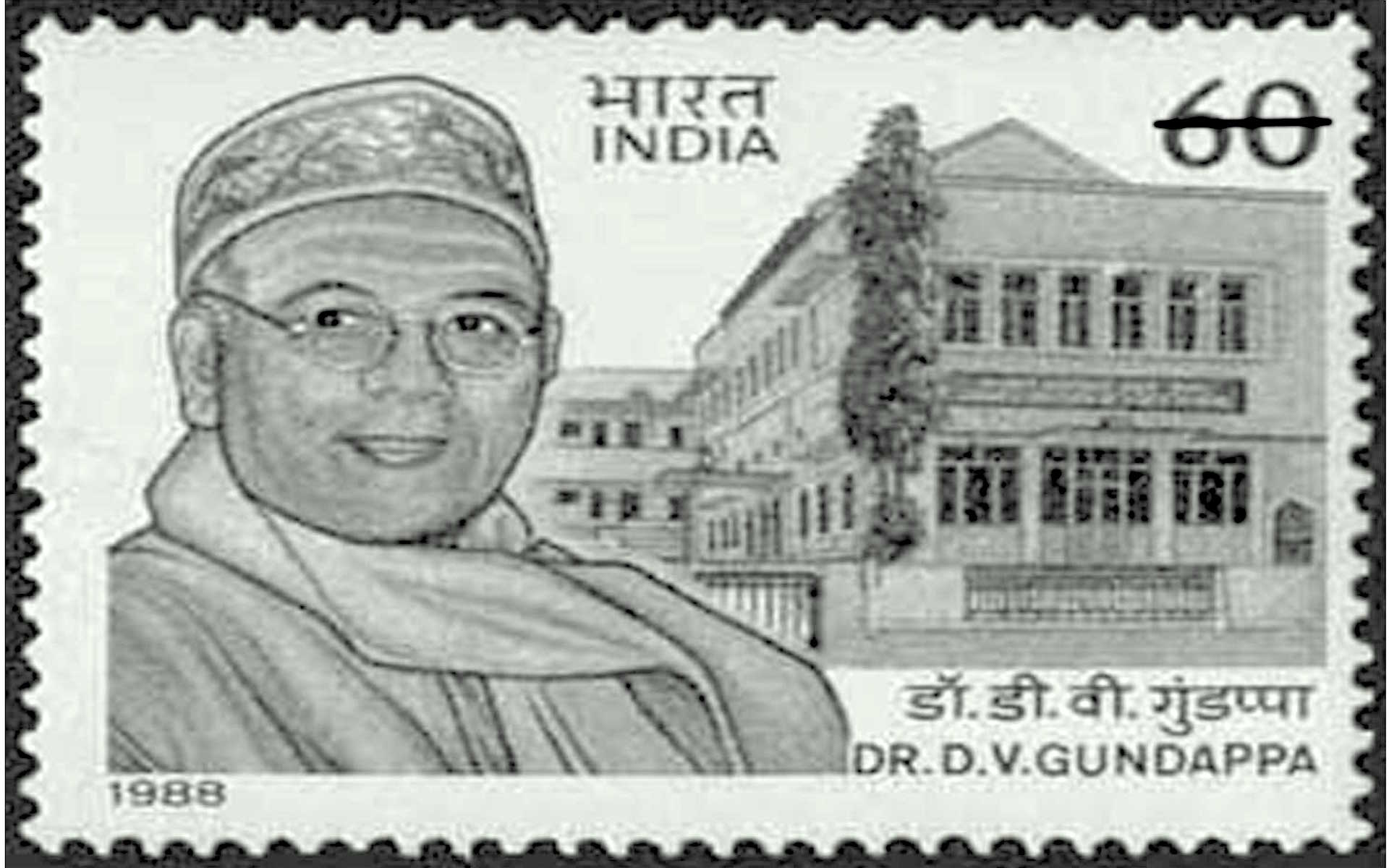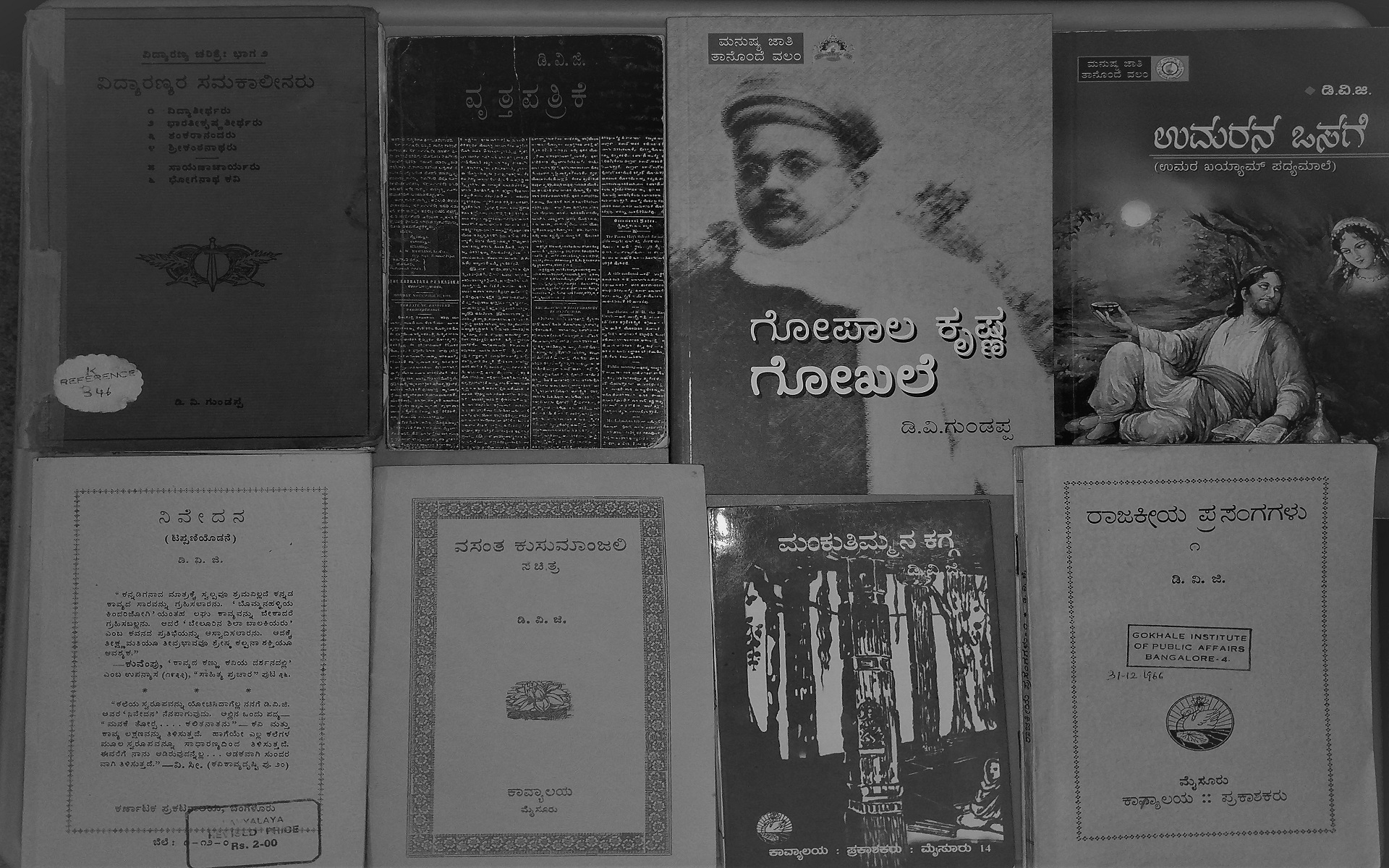
ದೇಶೀಯ ಸಂಸ್ಥಾನಗಳನ್ನು ಕುರಿತ ಡಿ.ವಿ.ಜಿ. ಅವರ ಚಿಂತನೆಗಳು - 6
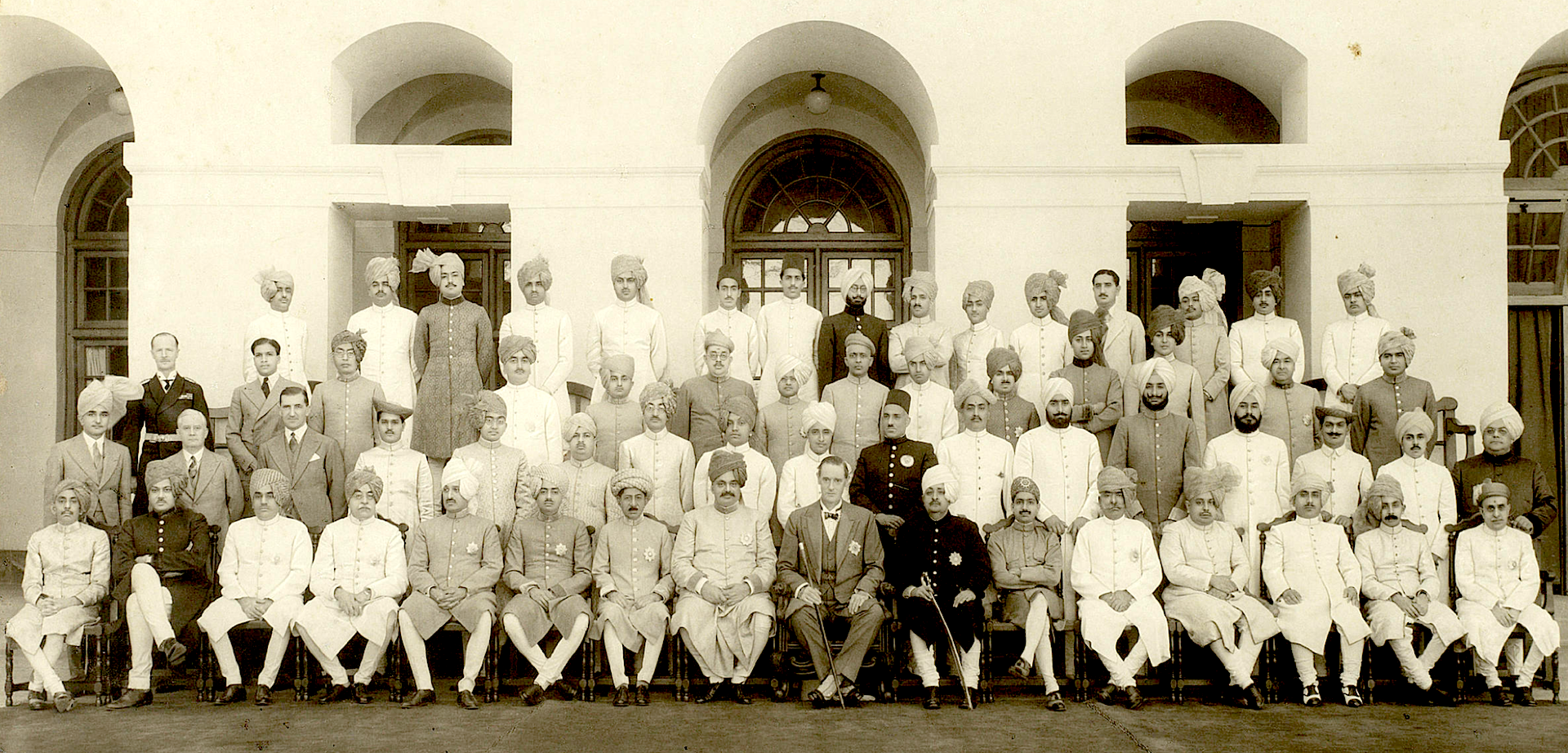
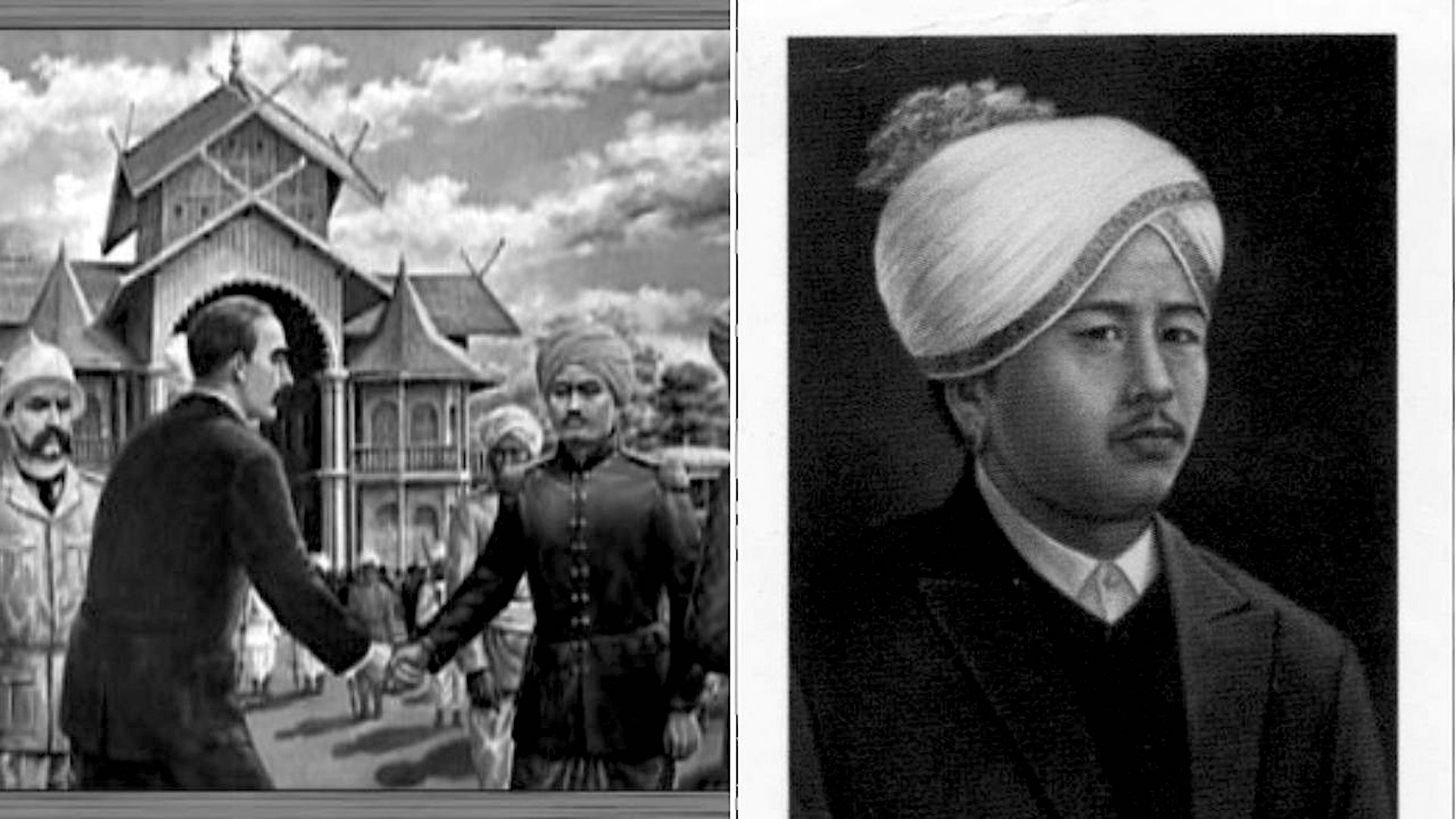
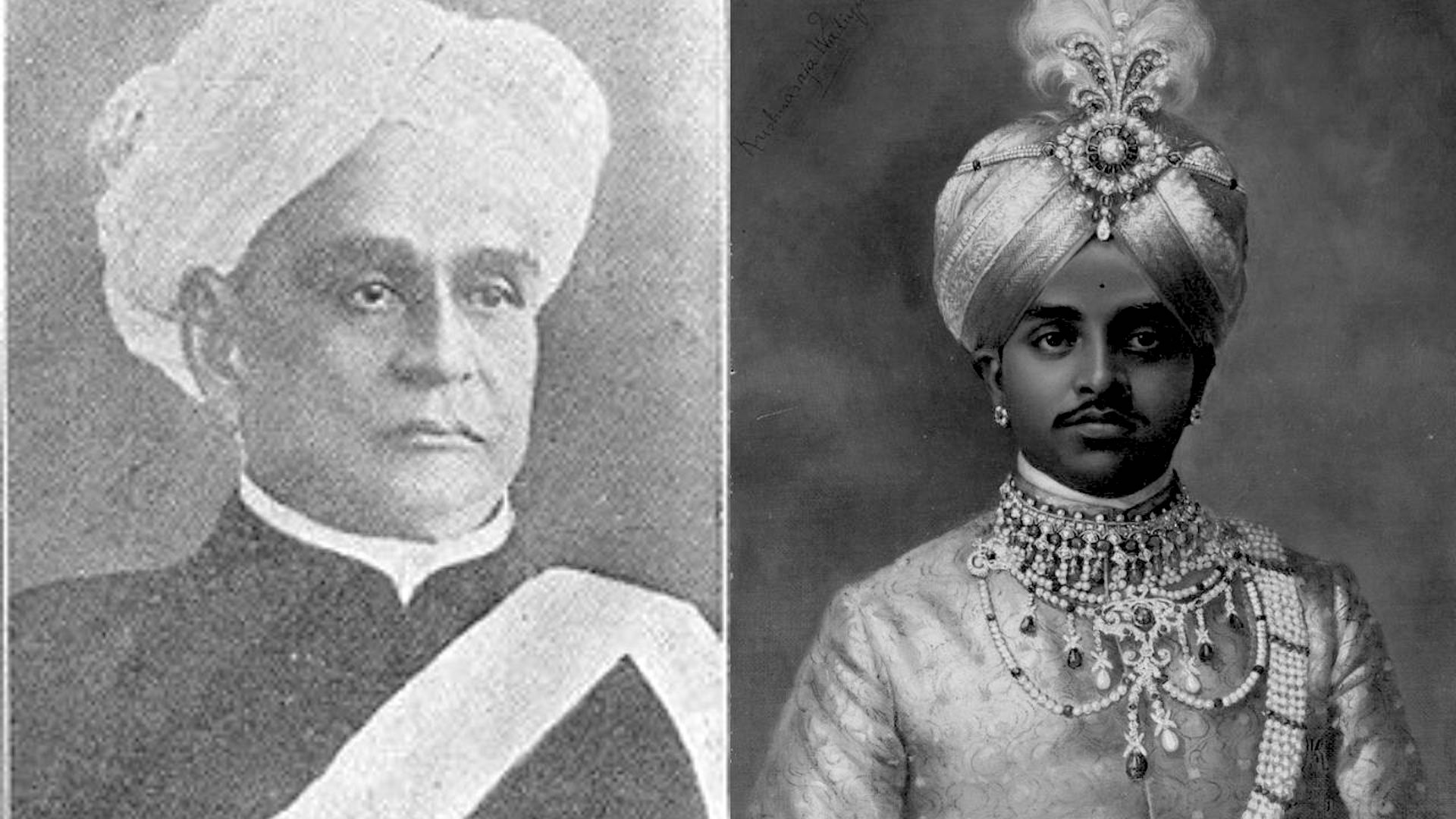
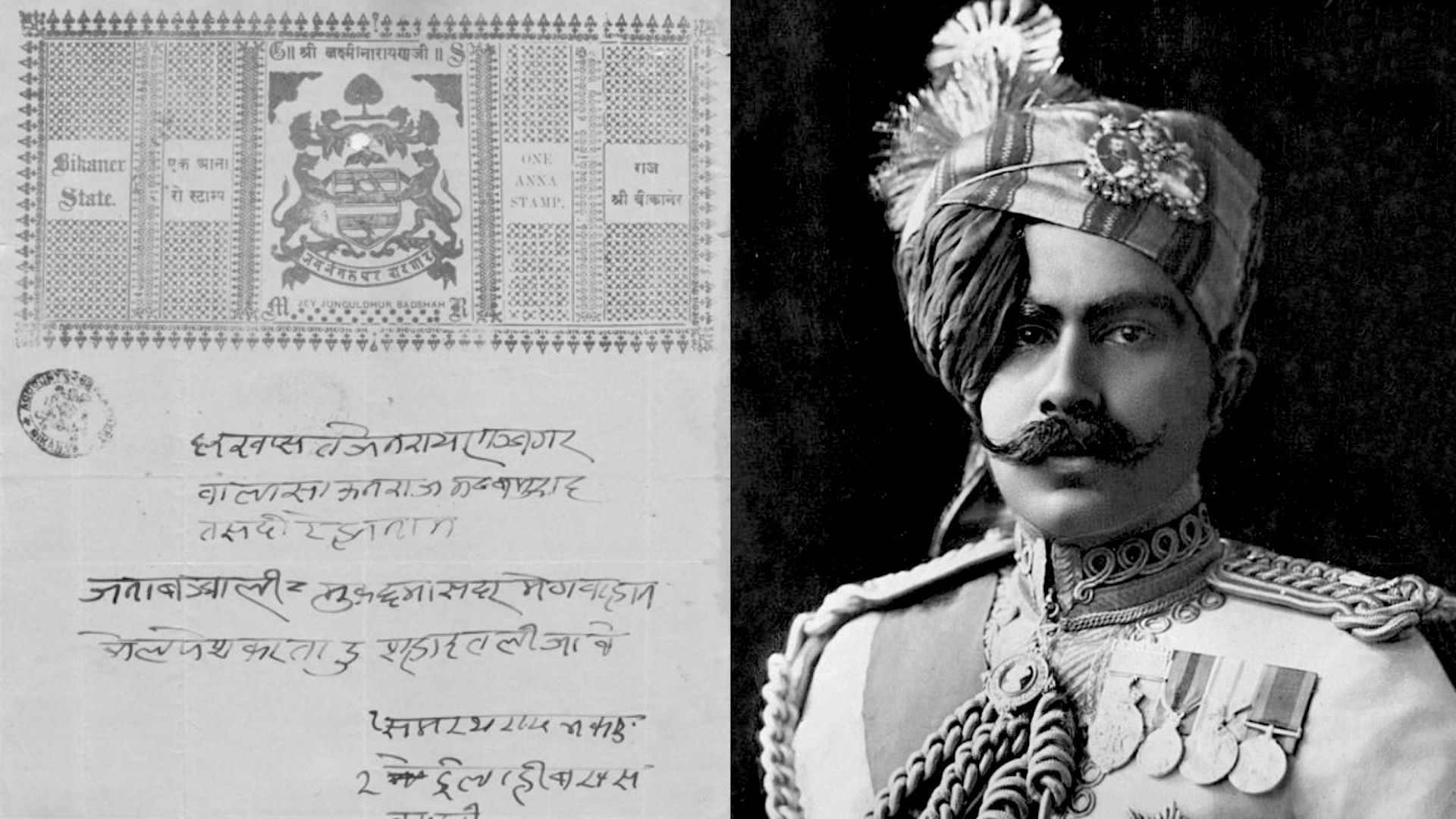
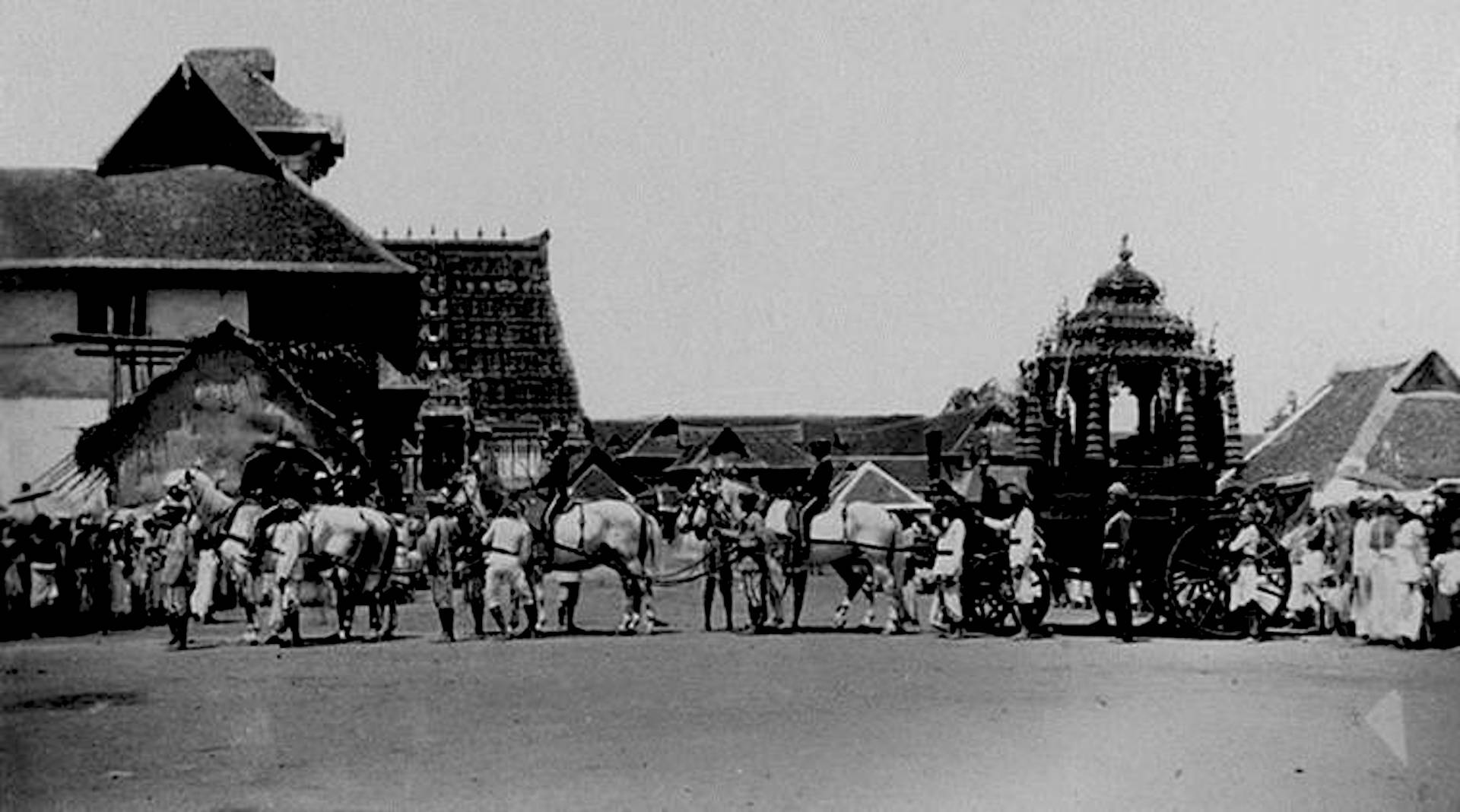
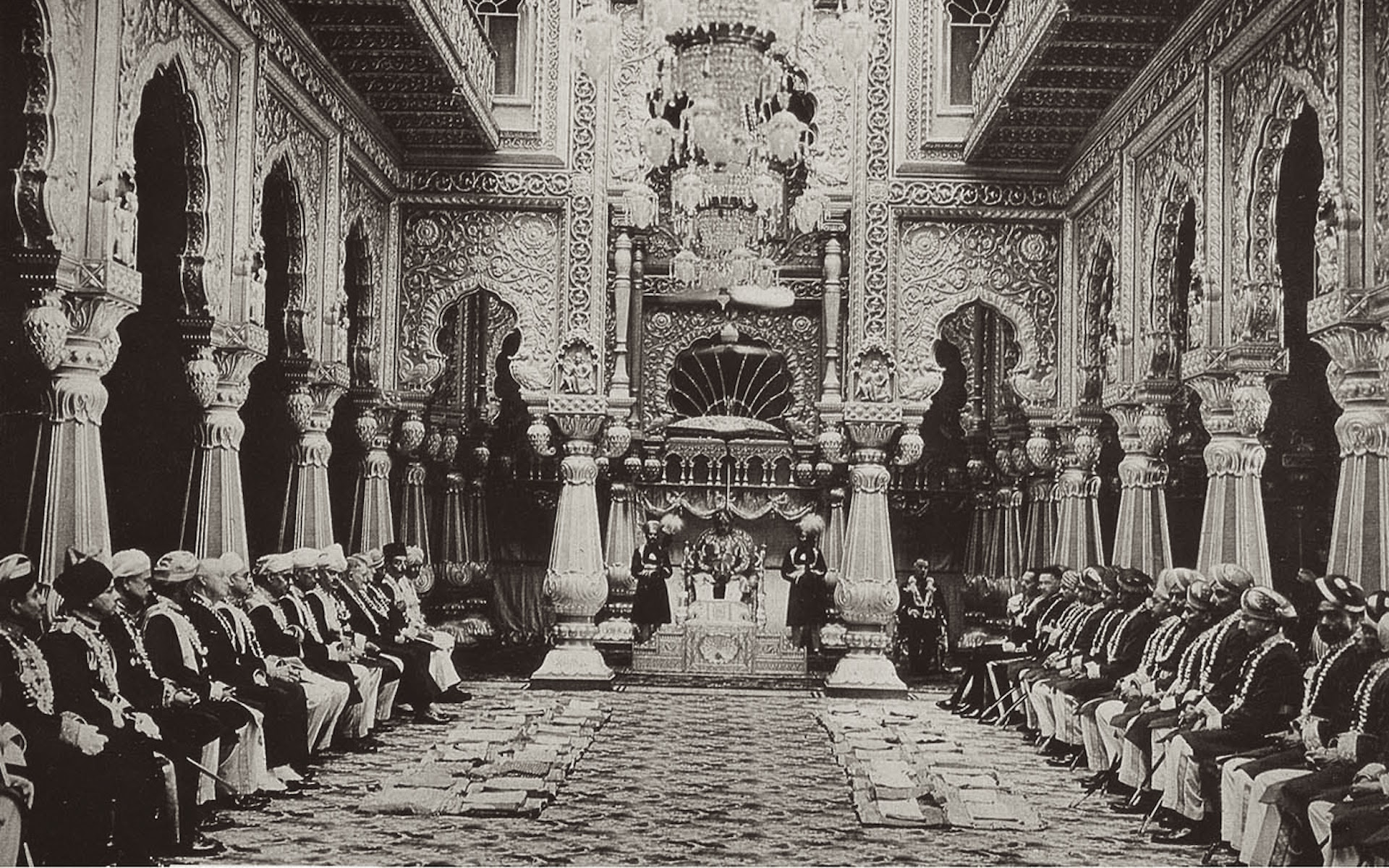
ನರೇಂದ್ರ ಮಂಡಲದ ಅವಾಂತರಗಳು ಇದರ ಇನ್ನೊಂದು ಪಾರ್ಶ್ವವನ್ನು ಡಿ.ವಿ.ಜಿ. ಅವರ Chamber of Princes (ನರೇಂದ್ರ ಮಂಡಳ) ಕುರಿತಾದ ಸಮಗ್ರ ಲೇಖನಗಳಲ್ಲಿ ಕಾಣಬಹುದು. ಅದರ ತಾತ್ಪರ್ಯವನ್ನು ಈ ರೀತಿ...
ನಿರಂತರ ಎಚ್ಚರಿಕೆ ಈ ಕಾರಣಕ್ಕೇ ಗುಂಡಪ್ಪನವರು ಸುಮಾರು ಐವತ್ತು ವರ್ಷ ನಿರಂತರವಾಗಿ ನಮ್ಮ ಸಂಸ್ಥಾನಗಳಿಗೆ ಎಚ್ಚರಿಕೆ ಕೊಟ್ಟರು, ಬುದ್ಧಿ ಹೇಳಿದರು, ಬೆರಳು ನೋವು ಮಾಡಿಕೊಂಡರು, ಗಂಟಲುಹರಿದುಕೊಂಡರ...
Bhāratavarṣa, the geographical expression of the Hindu civilisation, has been undergoing an unprecedented transformation since the last decade. In several realm...
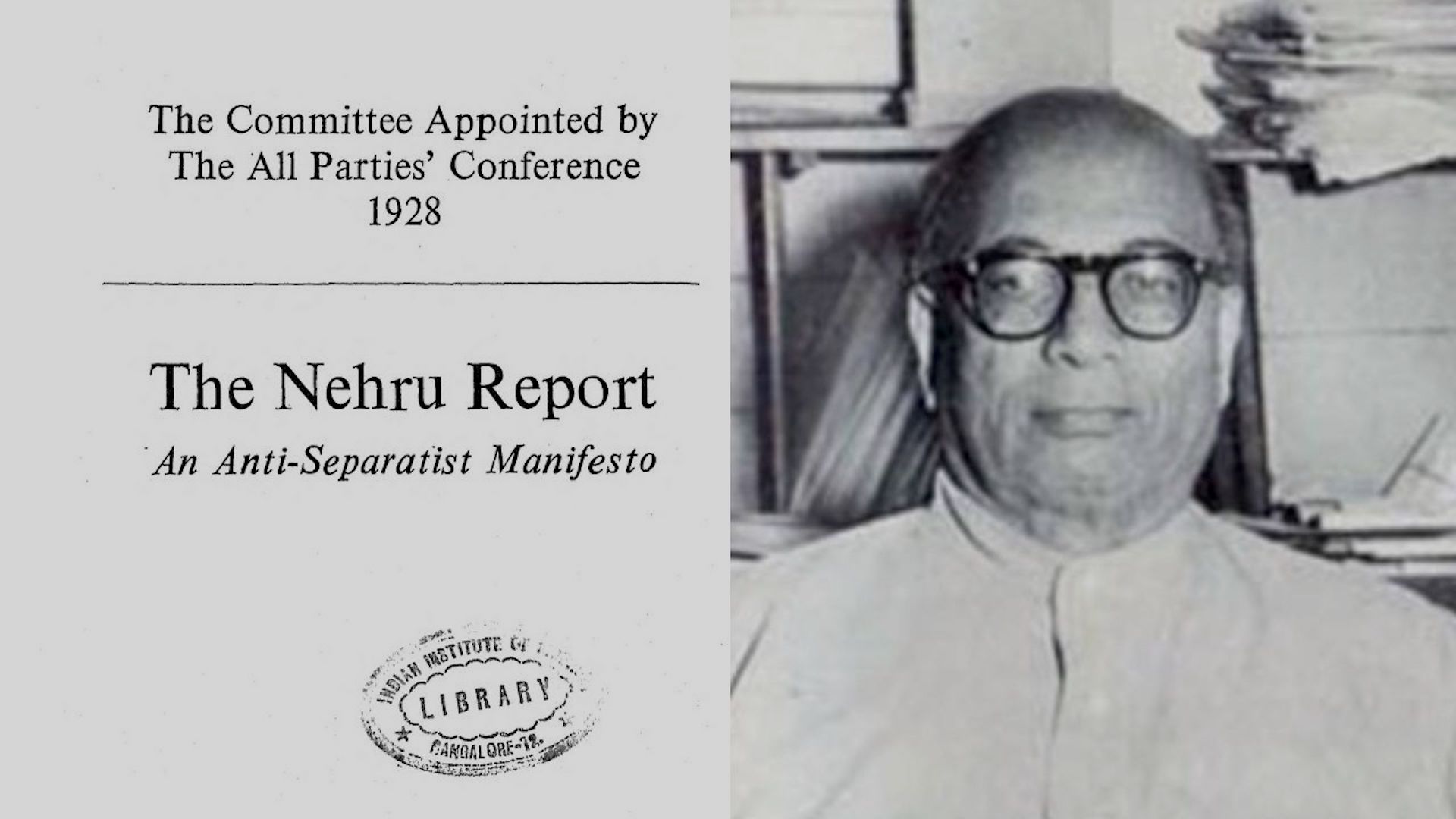
ಟೀಕೆ, ಚಿಕಿತ್ಸೆ ಈ ಒಂದು ಅಂಶವೇ ಮತ್ತೊಂದು ಪ್ರತ್ಯೇಕ ಅಧ್ಯಾಯವನ್ನು ಬಿಚ್ಚಿಡುತ್ತದೆ, ಅದೇ ಒಂದು ವಿಶಿಷ್ಟ ಅಧ್ಯಯನದ ವಸ್ತುವೂ ಹೌದು. ಅದೆಂದರೆ ಡಿ.ವಿ.ಜಿ. ಅವರು ದೇಶೀಯ ಸಂಸ್ಥಾನಗಳನ್ನು ಕುರ...
ಸಂದರ್ಭೋಚಿತತೆ, ಮನ್ನಣೆ, ಧೈರ್ಯ ಇಲ್ಲಿ ನಾವು ಗುರುತಿಸಬೇಕಾದ ಸಂಗತಿ, ಡಿ.ವಿ.ಜಿ. ಅವರು ಆರಿಸಿಕೊಂಡ timing – ಸಂದರ್ಭ. ೧೯೧೭ರ ಹೊತ್ತಿಗೆ ಇಂಗ್ಲೆಂಡ್ ಮೊದಲನೇ ಮಹಾಯುದ್ಧದಲ್ಲಿ...
ಒಪ್ಪಂದಗಳೆಂಬ ಠಕ್ಕು ಈ ರೀತಿ ಗುಲಾಮಗಿರಿಗೆ ತಳ್ಳುವುದಕ್ಕೆ ಬ್ರಿಟಿಷರು ಬಳಸಿಕೊಂಡ ಏಕೈಕ ಹಾಗೂ ಅತ್ಯಂತ ಪ್ರಬಲವಾದ ಅಸ್ತ್ರ: ಒಪ್ಪಂದಗಳು. ಒಂದೊಂದು ಒಪ್ಪಂದದ ಸಂದರ್ಭ, ಹಿನ್ನೆಲೆ ಭಿನ್ನವಾಗಿದ್ದ...
ನ ತತ್ರ ರಾಜಾ ರಾಜೇಂದ್ರ ನ ದಂಡೋ ನ ಚ ದಂಡಿಕಾಃ । ಸ್ವಧರ್ಮೇಣೈವ ಧರ್ಮ೦ ಚ ತೇ ರಕ್ಷನ್ತಿ ಪರಸ್ಪರಮ್ ।। (ಮಹಾಭಾರತ, ಭೀಷ್ಮಪರ್ವ, ೧೨.೩೬) ರಾಜೇಂದ್ರ! (ಕೃತಯುಗದಲ್ಲಿ) ರಾಜನೂ ಇಲ್ಲ,...
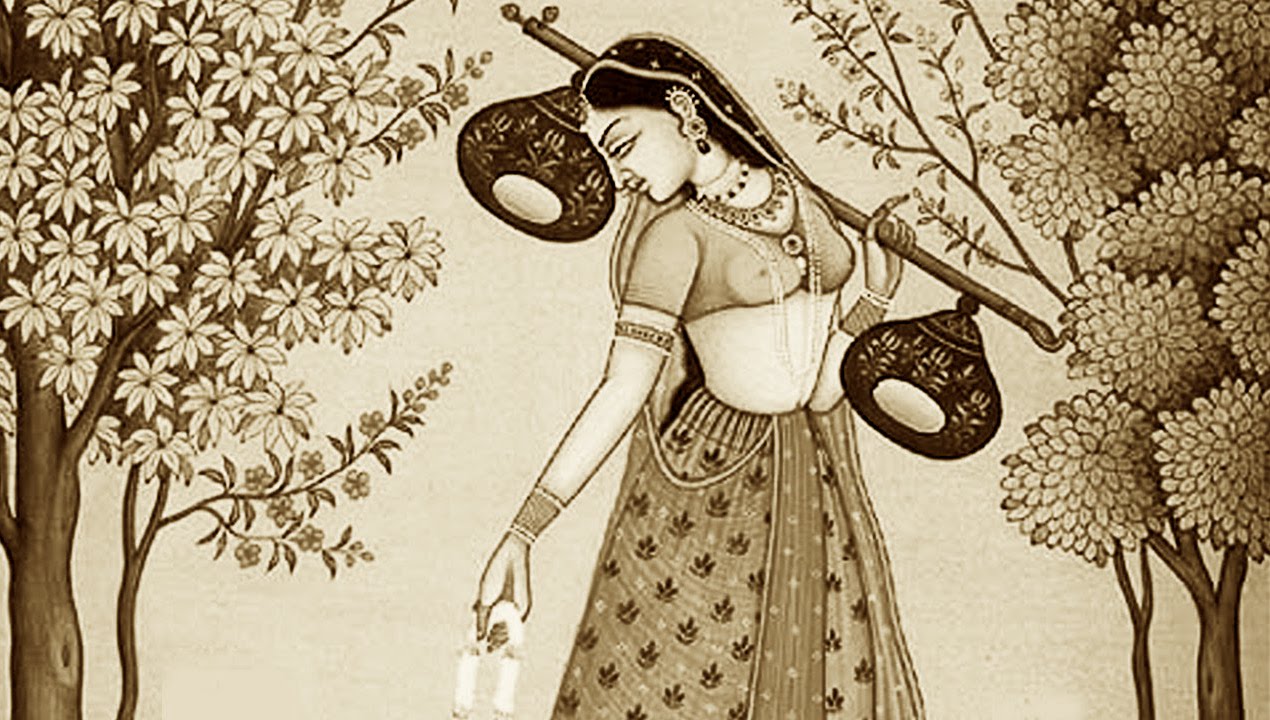
In Ramkumari, sex doesn’t merely remain on the plane of beauty or emotion but elevates itself to the status of a value. Her encounter with her employer, the wea...
From one perspective, Ramkumari’s character is fundamentally tragic. She is the only character in Mandra who keeps “losing” throughout her life. Her loss isn’t...
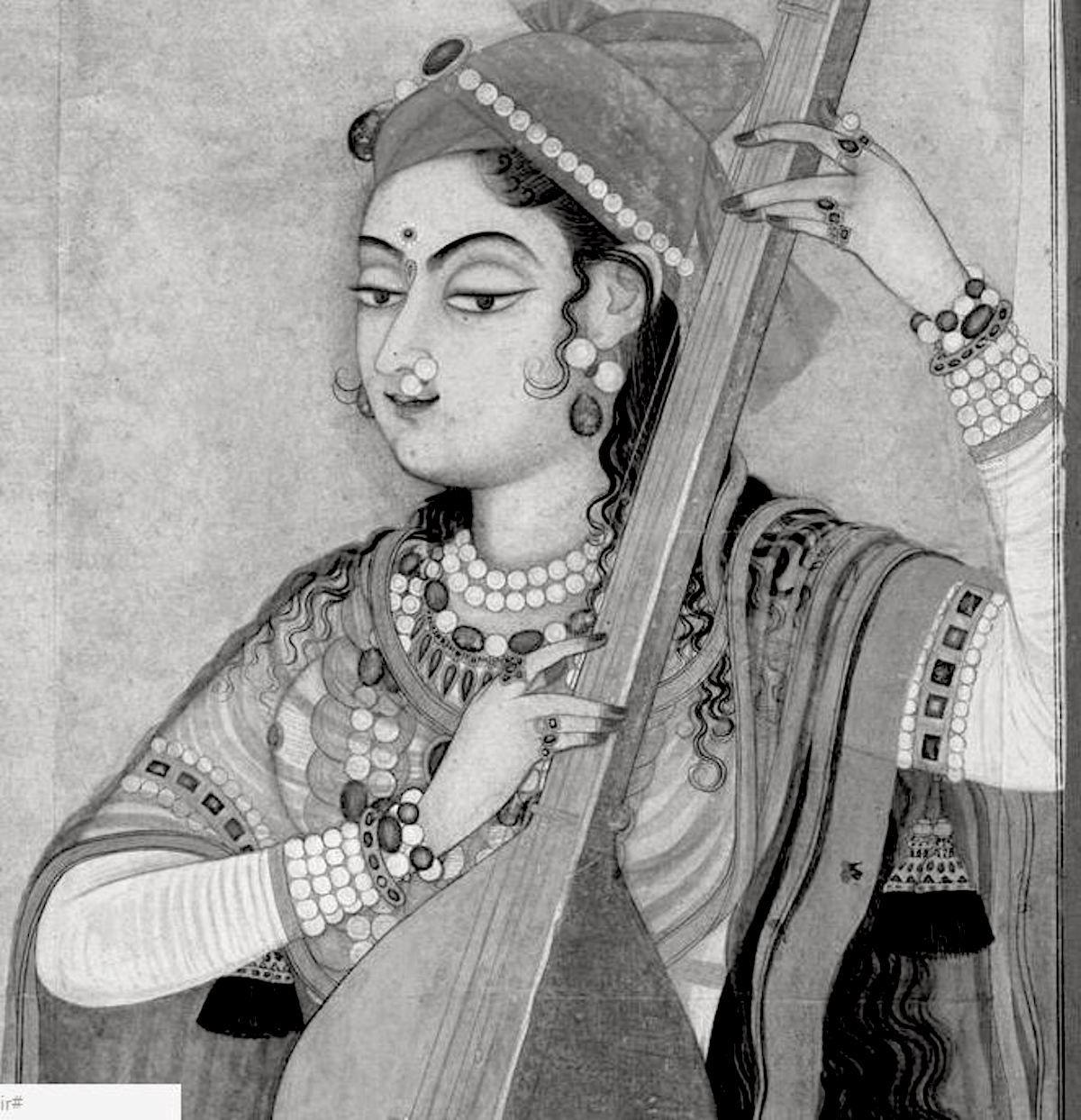
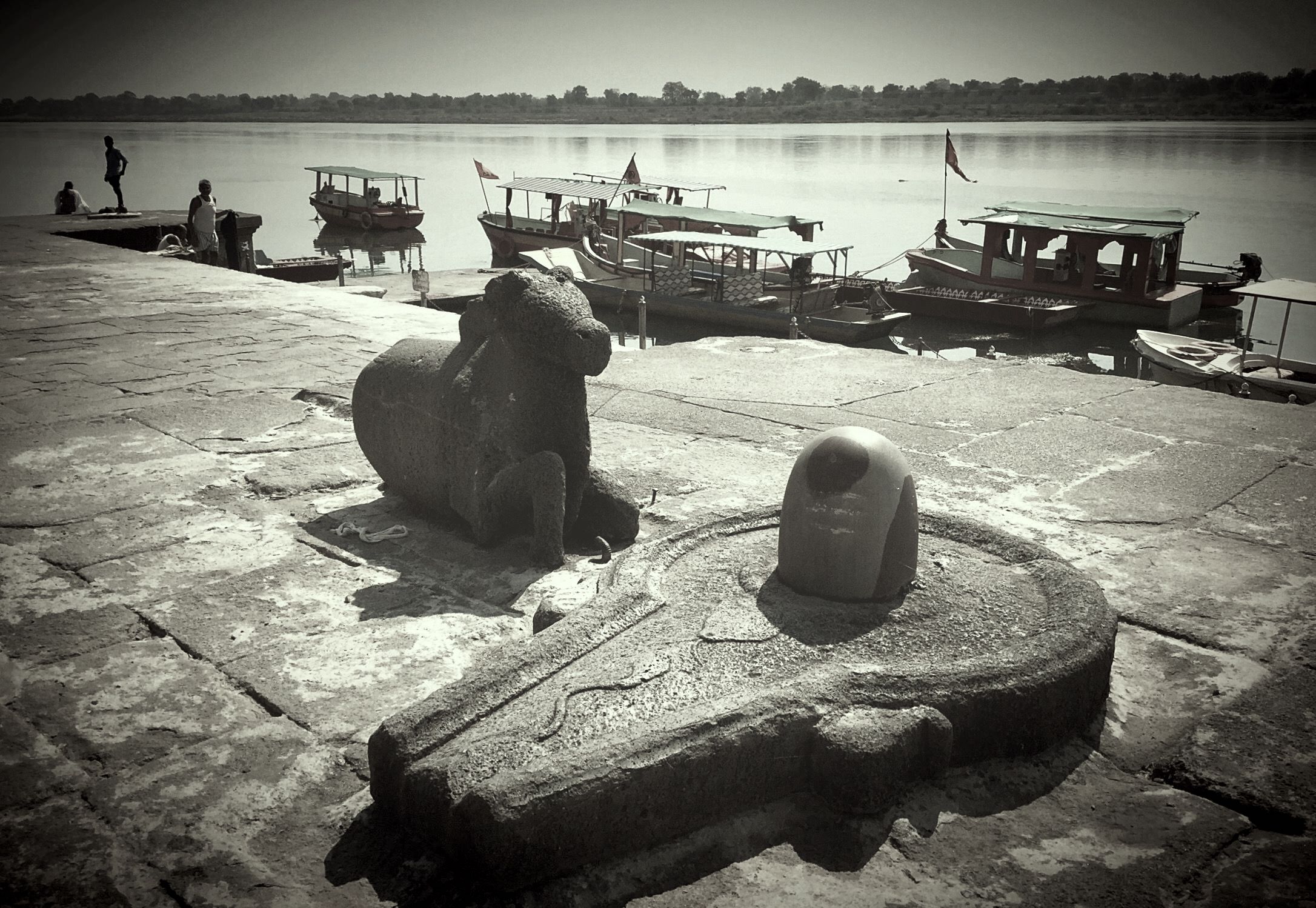
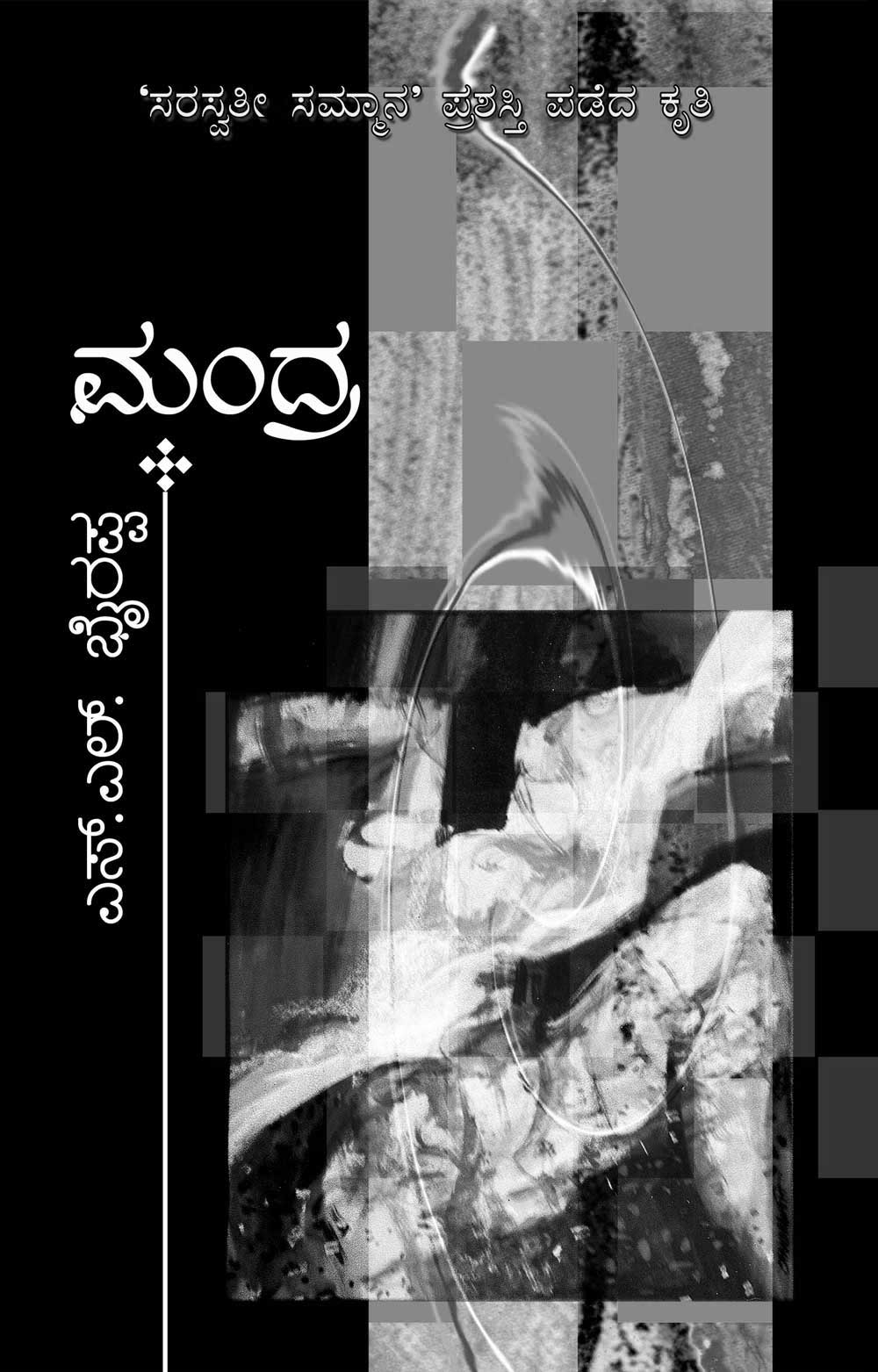
The true root and heart of Mandra is located in the music of Raja Saheb and his small Mahadeva Temple overlooking the perennial, gurgling currents of Narmada Ri...
Introduction In the corpus of Dr. S.L. Bhyrappa’s twenty-three novels, seven stand out as Himalayan peaks in the order of their publication: Vamsha Vruksha, Da...
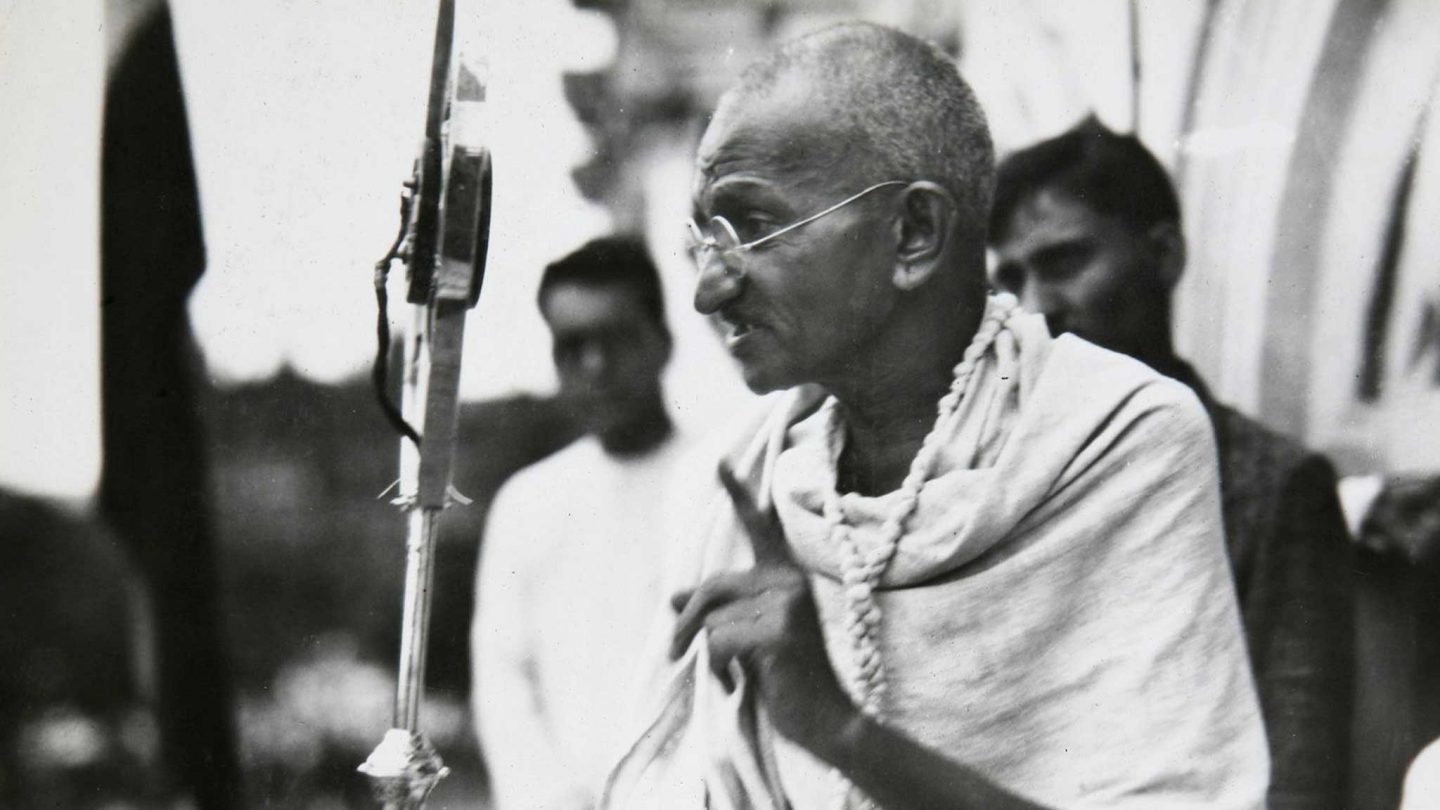
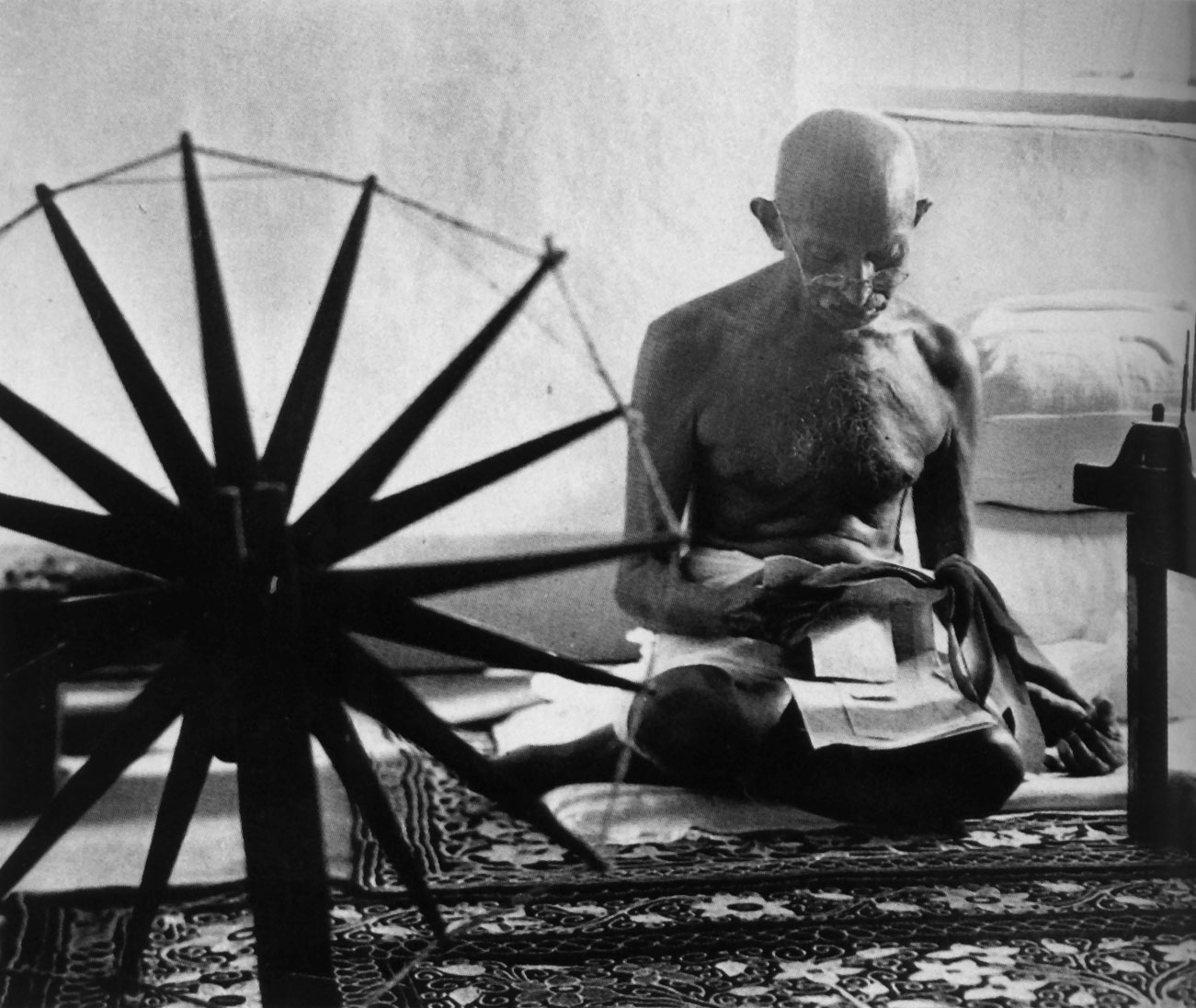
The mirage-like Rama Rajya of Mohandas Gandhi at a very fundamental level of ethics essentially must rest on untruths. This is not to imply that Gandhi delibera...
Drawing from history, DVG[1] says, Before the advent of the British in India, what was the system which united the king and the citizens in our kingdoms? Th...
Any discussion about Rama Rajya in the context of the previous century of India’s history will be incomplete without objectively examining the role of Mohandas...
DVG’s essay titled Rama Rajya is the fitting finale and the crowning glory of his monumental, semi-academic work, Rajyashastra[1] (Statecraft/Politics) me...
Every creature felt happy. Everybody was intent on [performing] Dharma. Turning their eyes towards Rama alone, creatures did not kill [or inflict violence upon]...
The insights of the sort DVG possessed emanated precisely from this deep understanding of philosophy, or more accurately, his realization of Darshana. In other...
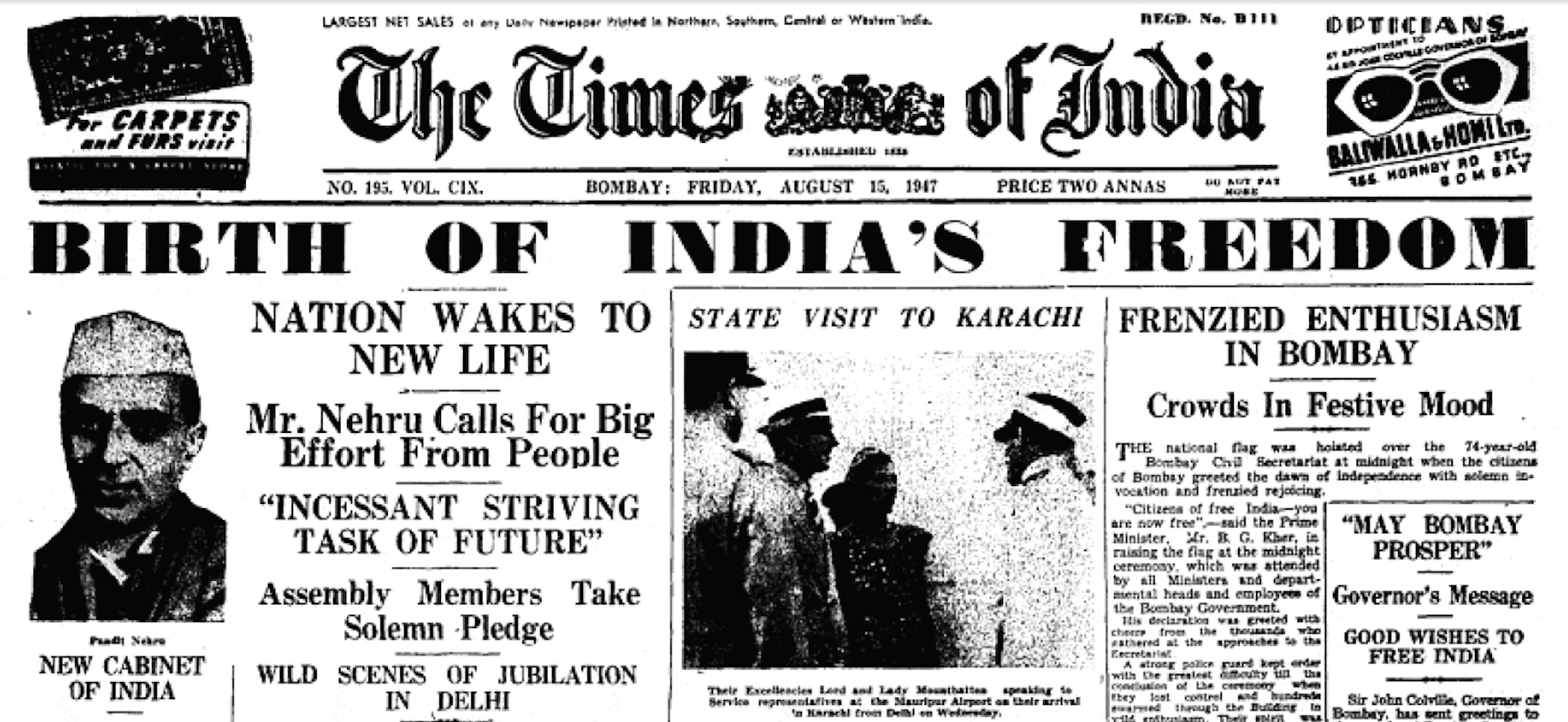
Writing just four years after India attained independence, DVG characterizes[1] our freedom from British rule as a “fruit” endowed with a “sour taste.” But more...
But at the doctrinal level, this consequence is the direct outcome of imposing the selfsame untested theory of freedom, democracy, liberty and related ideas fas...
At the individual level, the Bhagavad Gita’s dictum of uddharedAtmanAtmAnam (Let a person raise and purify himself by his own efforts) and its emphasis on Svadh...
Note: This is the full text of the author’s address delivered on the occasion the launch of the Mysore Hiriyanna Library, a set of reprints of M. Hiriyanna’s bo...
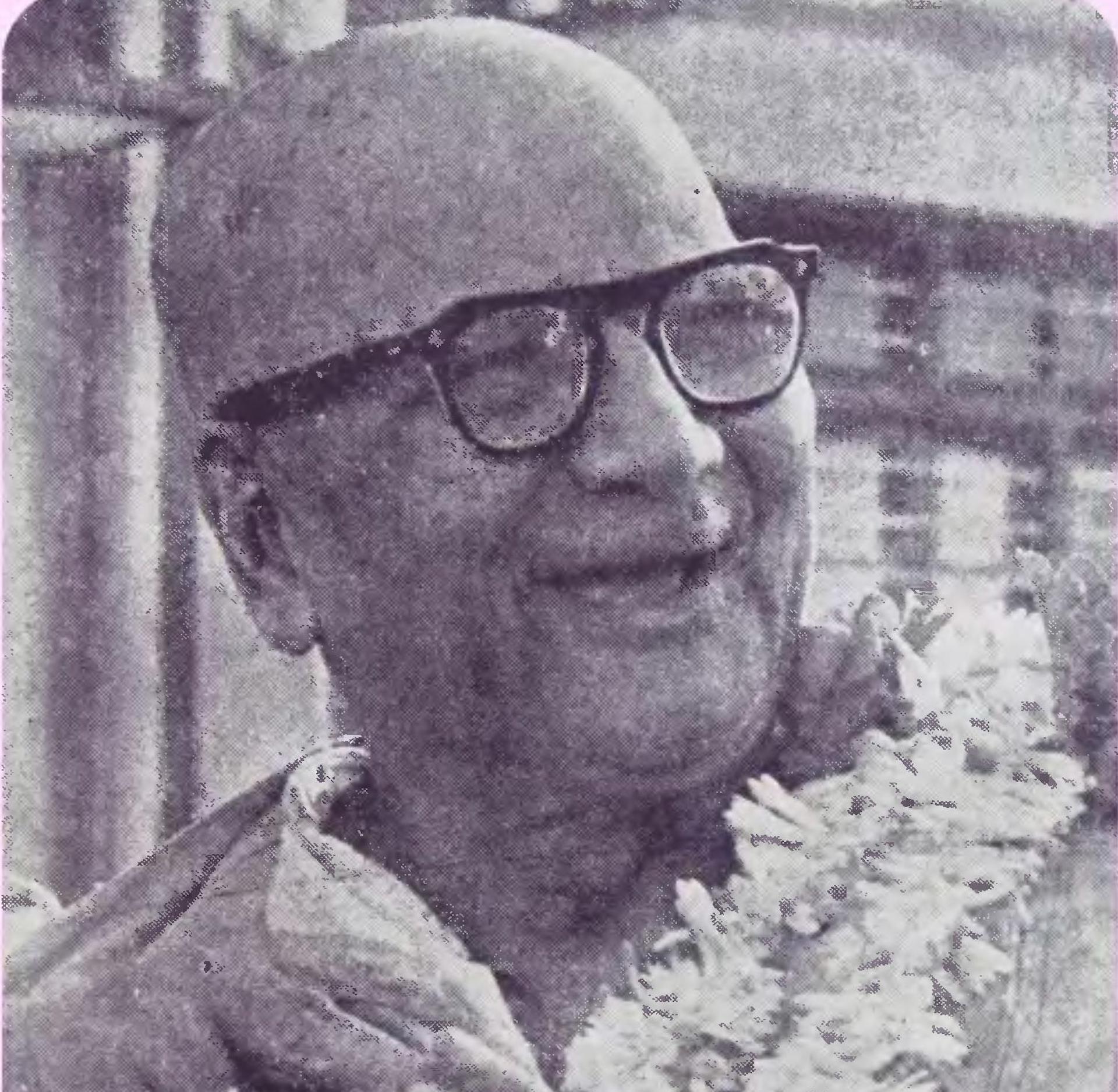
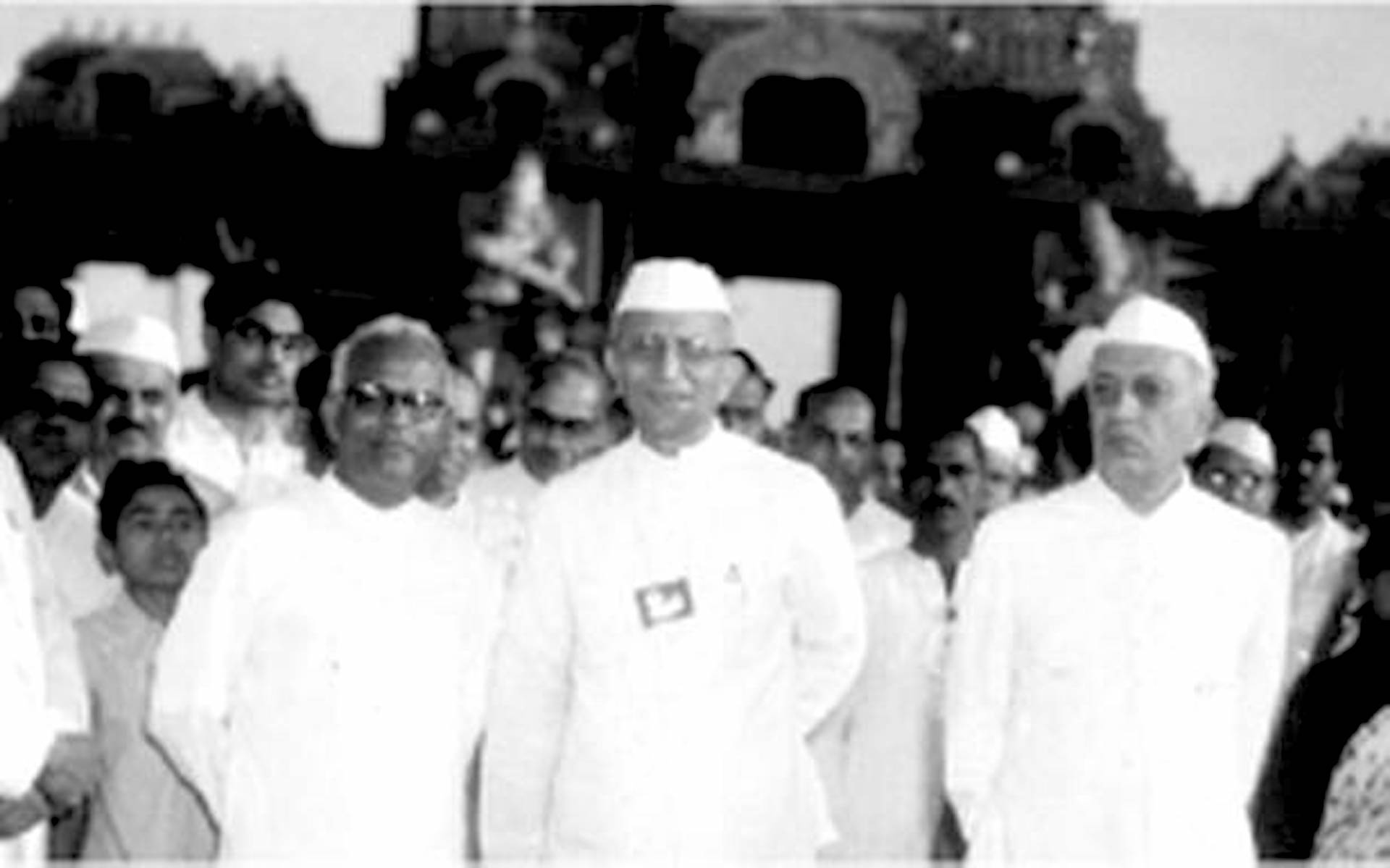
DVG accurately analyzes the origins of individual freedom by providing a pithy critique of Jean Jacques Rousseau.
One of the Kannada literary giants of the twentieth century, K V Puttappa (Kuvempu) once classified[1] literature as Sakaala (timely) and Trikala (timeless) lit...
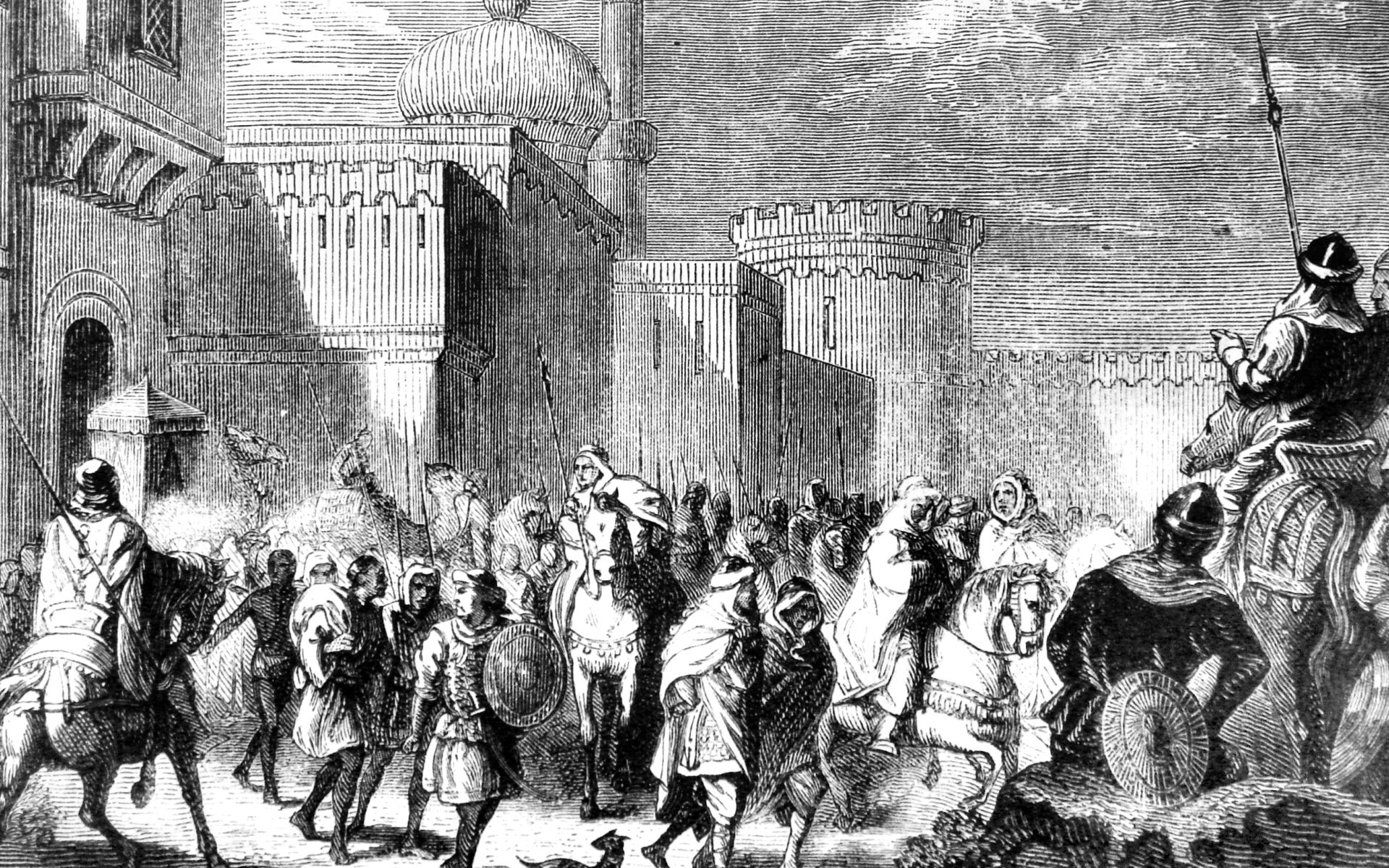
It was this enduring, prosperous and robust temple ecosystem that the first wave of alien Muslim armies encountered when they knocked on the doors of Bharatavar...
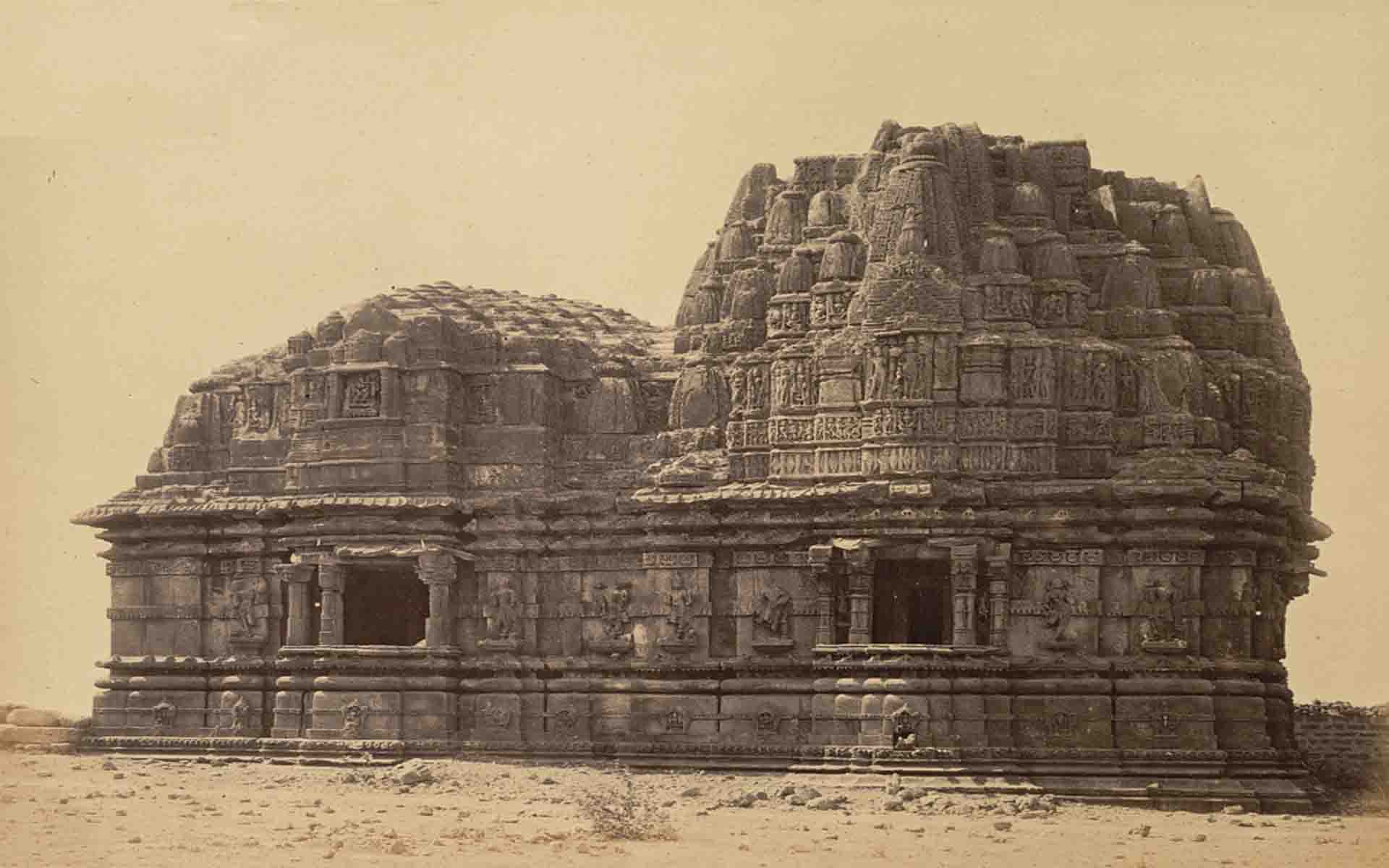
Introduction The conception, origin, evolution, and development of temples as physical, architectural structures is perhaps as old as the dawn of human civilisa...
ಅಸಮದಲಿ ಸಮತೆಯನು ವಿಷಮದಲಿ ಮೈತ್ರಿಯನು । ಅಸಮಂಜಸದಿ ಸಮನ್ವಯ ಸೂತ್ರ ನಯವ ॥ ವೆಸನಮಯ ಸಂಸಾರದಲಿ ವಿನೋದವ ಕಾಣ್ಬ । ರಸಿಕತೆಯೆ ಯೋಗವಲೊ - ಮಂಕುತಿಮ್ಮ ॥ To find equality in disparity...
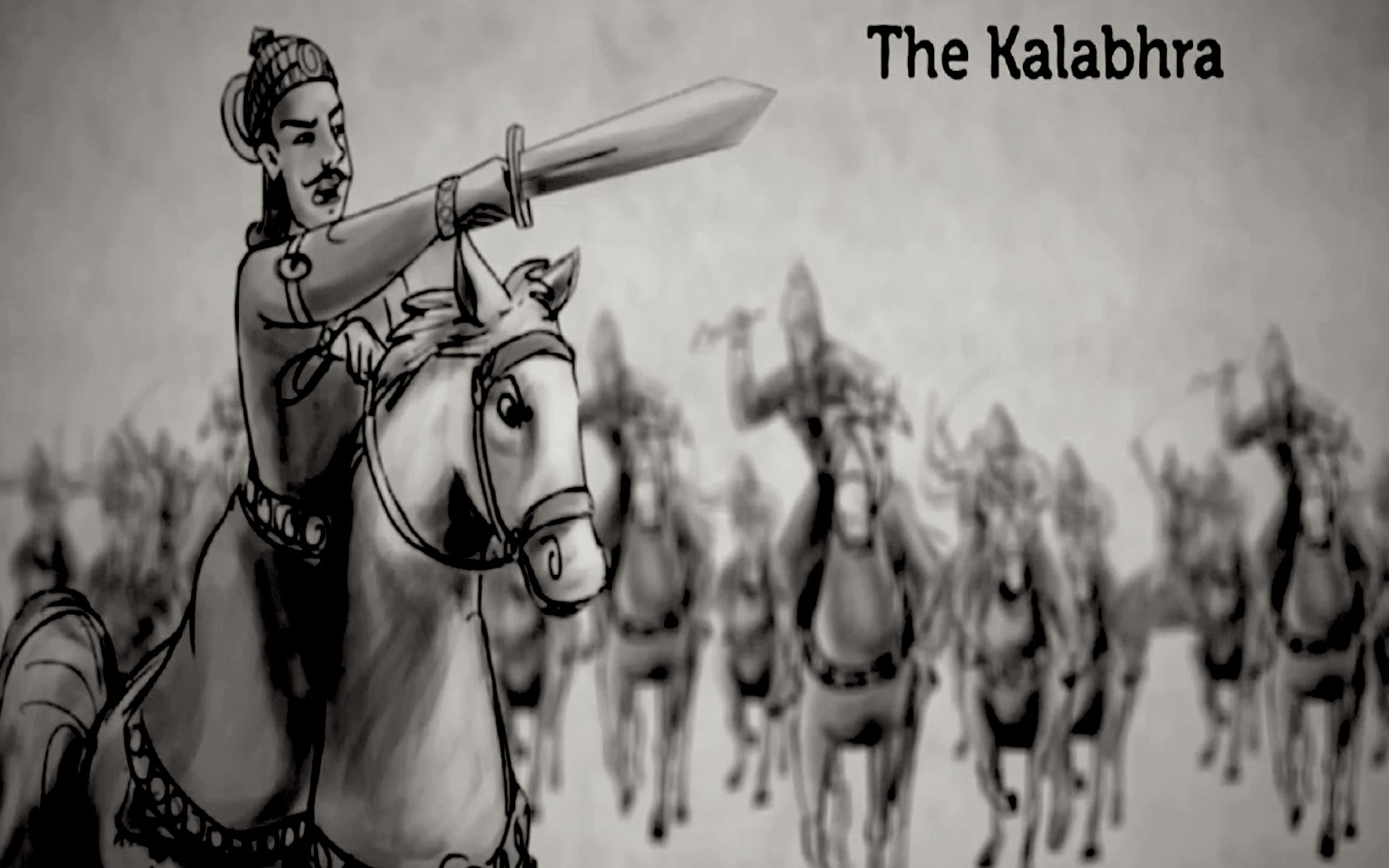
Among the enduring myths in which the Dravidianists repose unshakeable faith, the story of the Evil Kalabhras stands foremost. So, who were the Kalabhras? The a...
The previous episode recounted Dr. BGL Swamy’s firsthand experience of the nature and contours of an “official” Tamil history complete with concocted names for...
An Advisory Committee was formed by the Government to document and publish “The Official History of the Tamils” in ten volumes. It doesn’t need to be explicitly...
Note: This essay and the ones that follow it are translated adaptations from the corpus of writings on the Dravidian movement authored by the late Dr. B G L Swa...
Backgrounder The Tamil country stands tallest among all Indian regions that swallowed the missionary and colonial propaganda of the Aryan Invasion Theory in the...
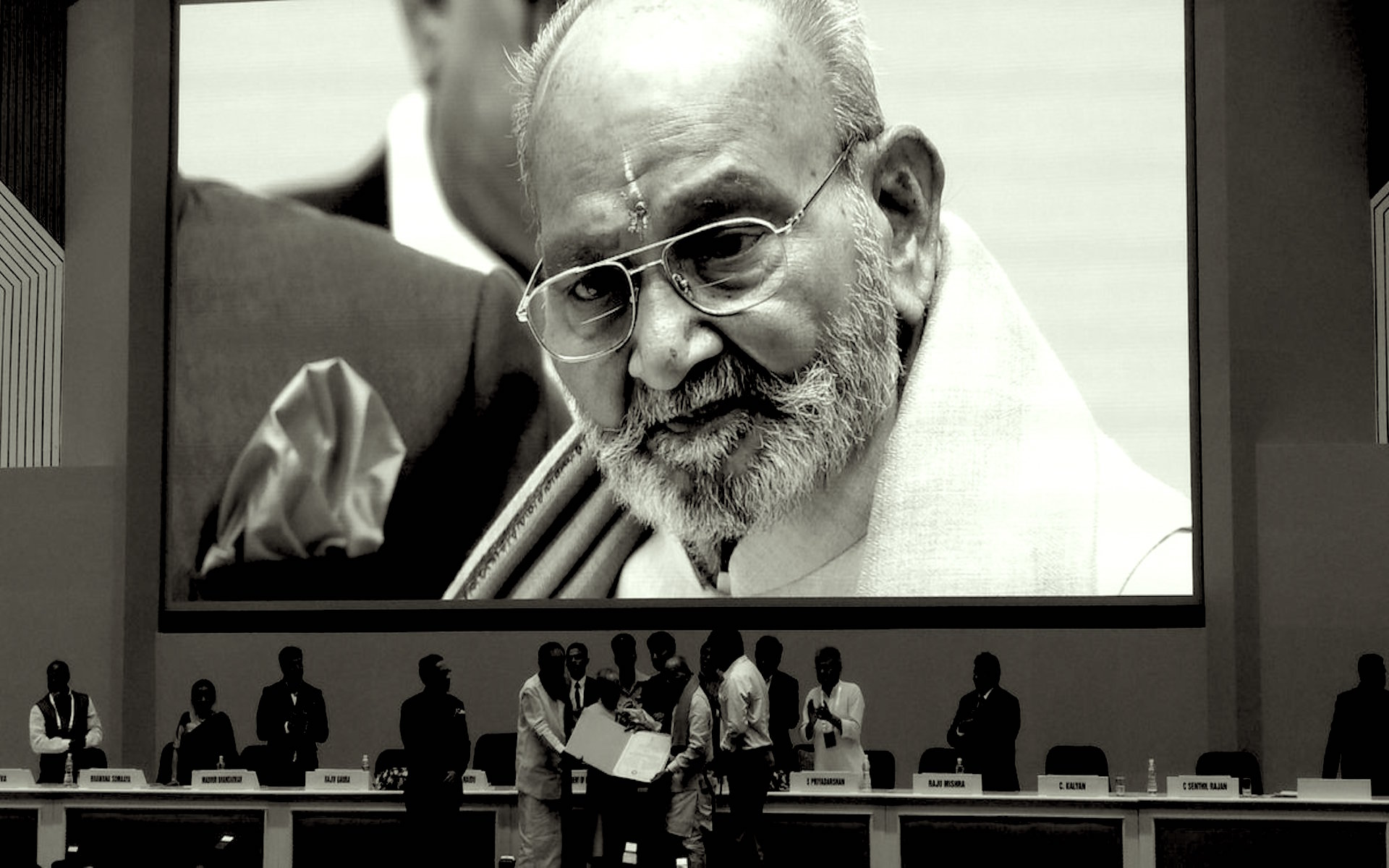
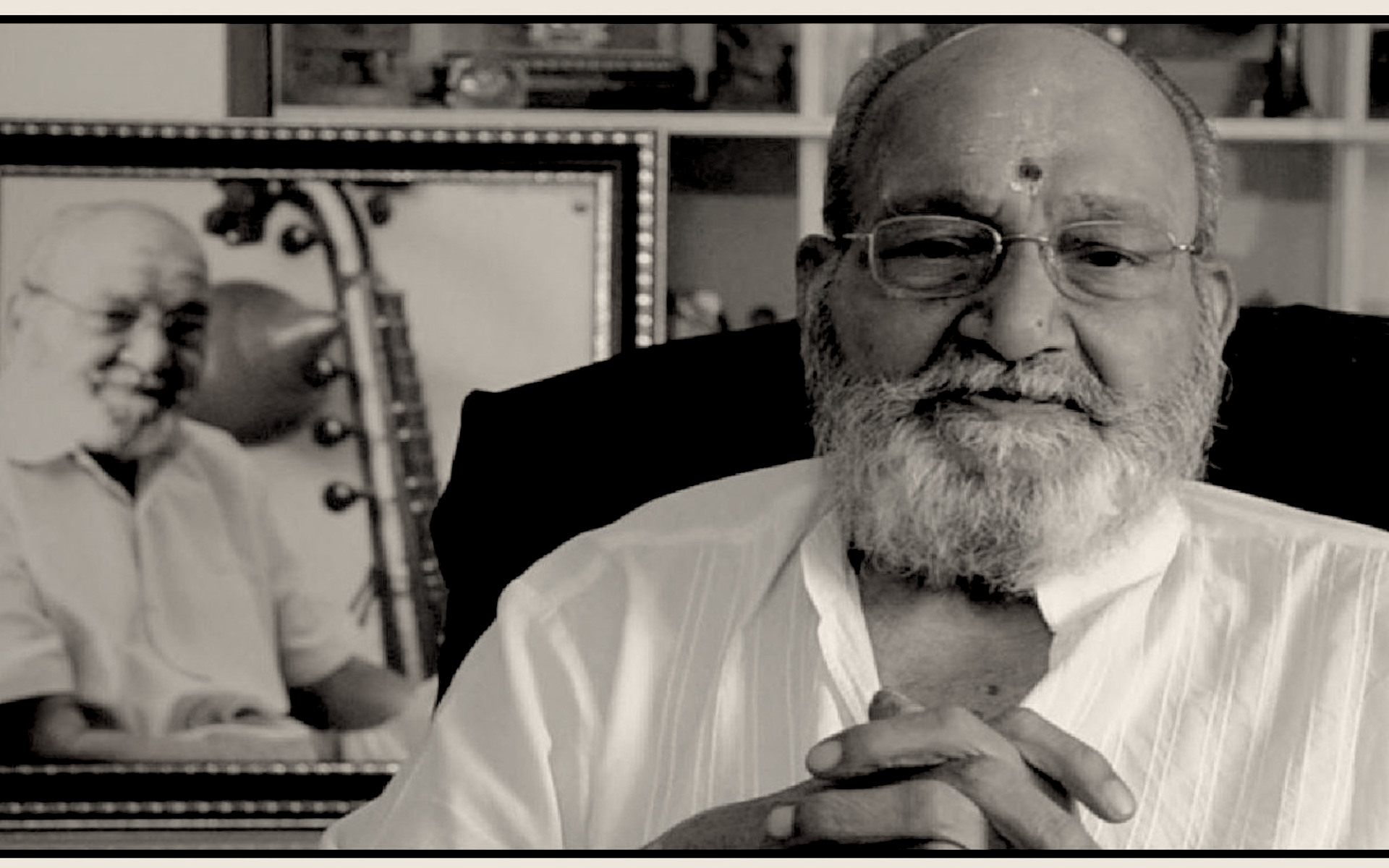
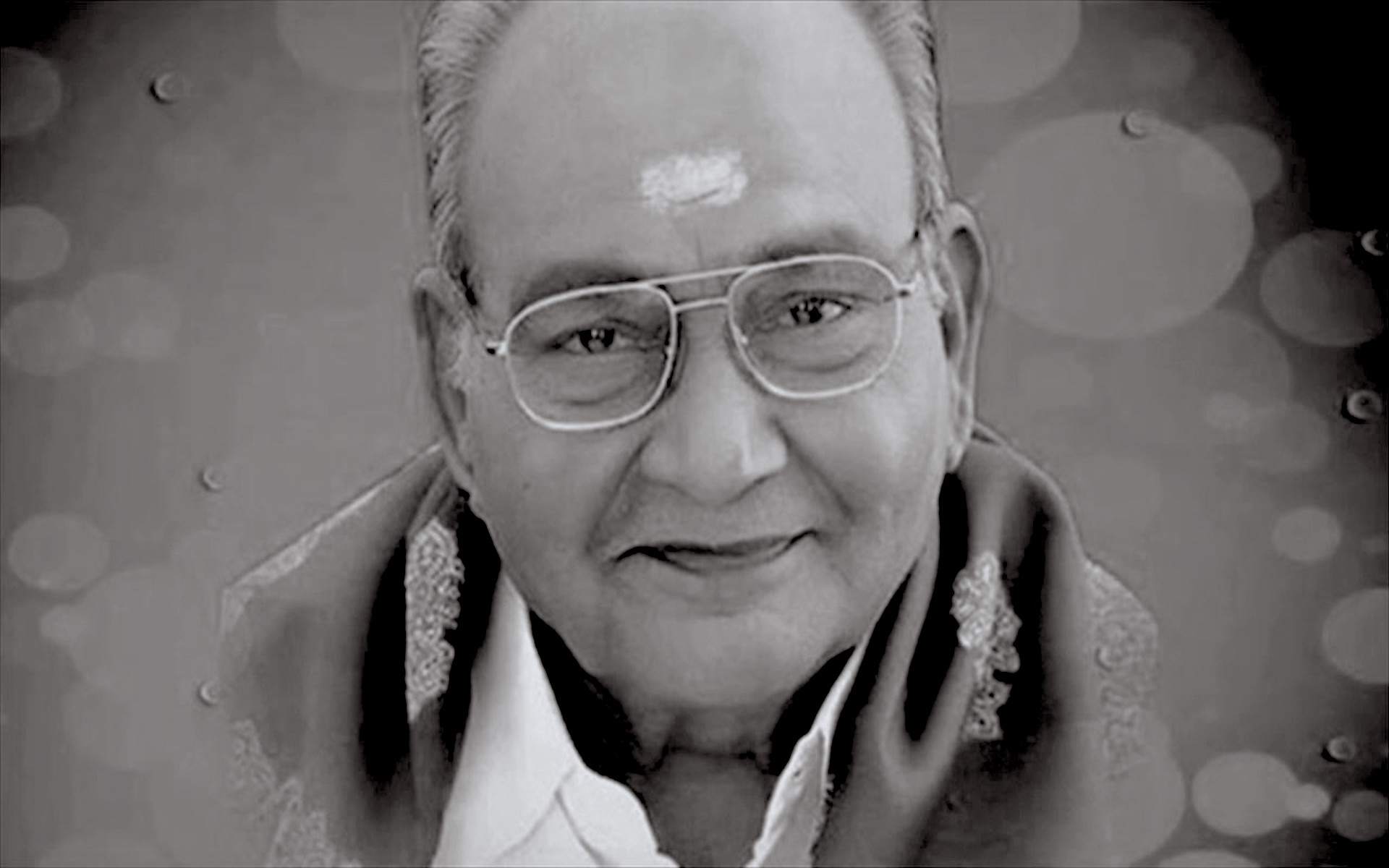
A reasonable place to assess the overall contribution of K Viswanath to Indian cinema is the 1976 musical and social blockbuster, Siri Siri Muvva. That film in...
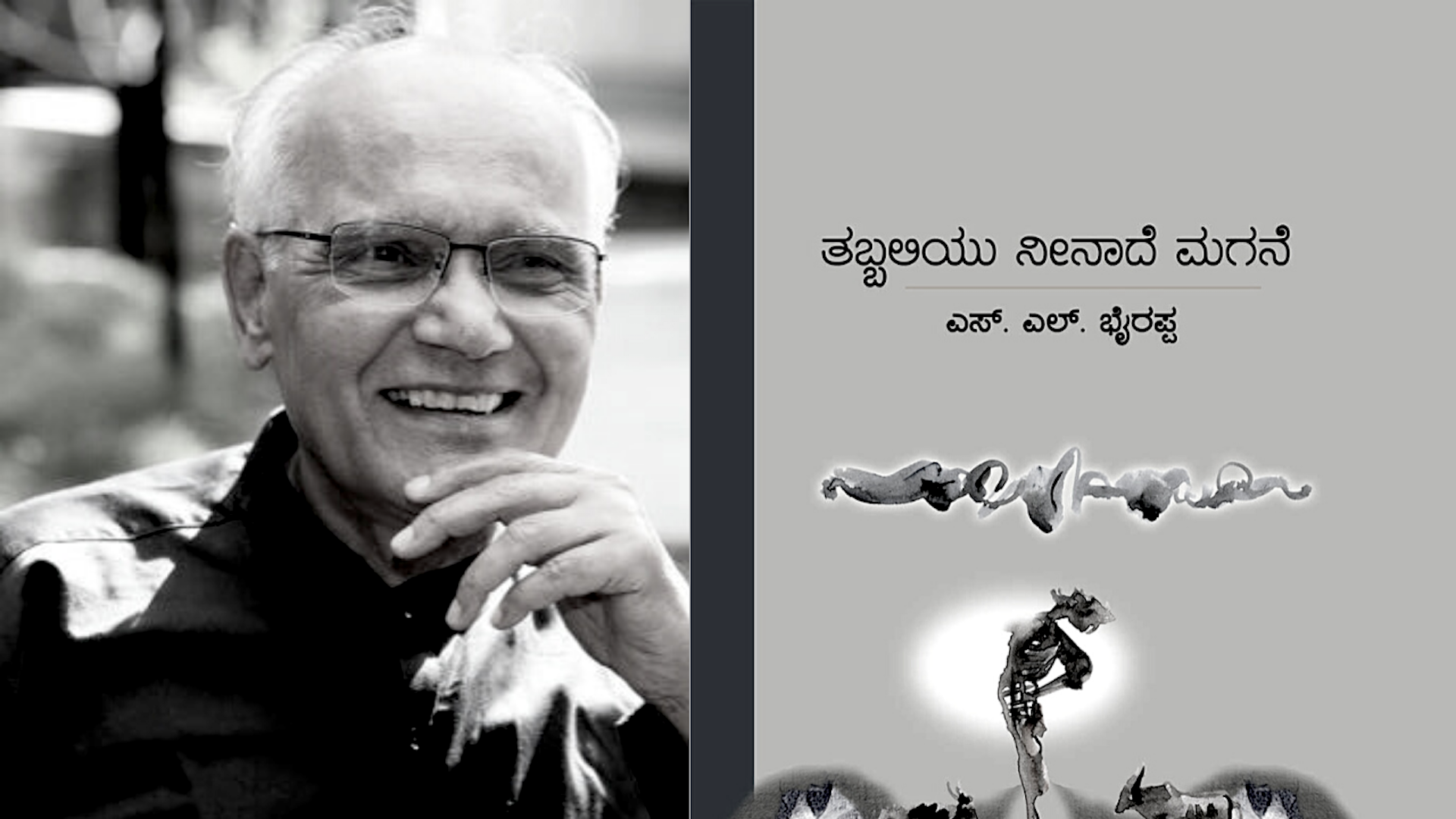
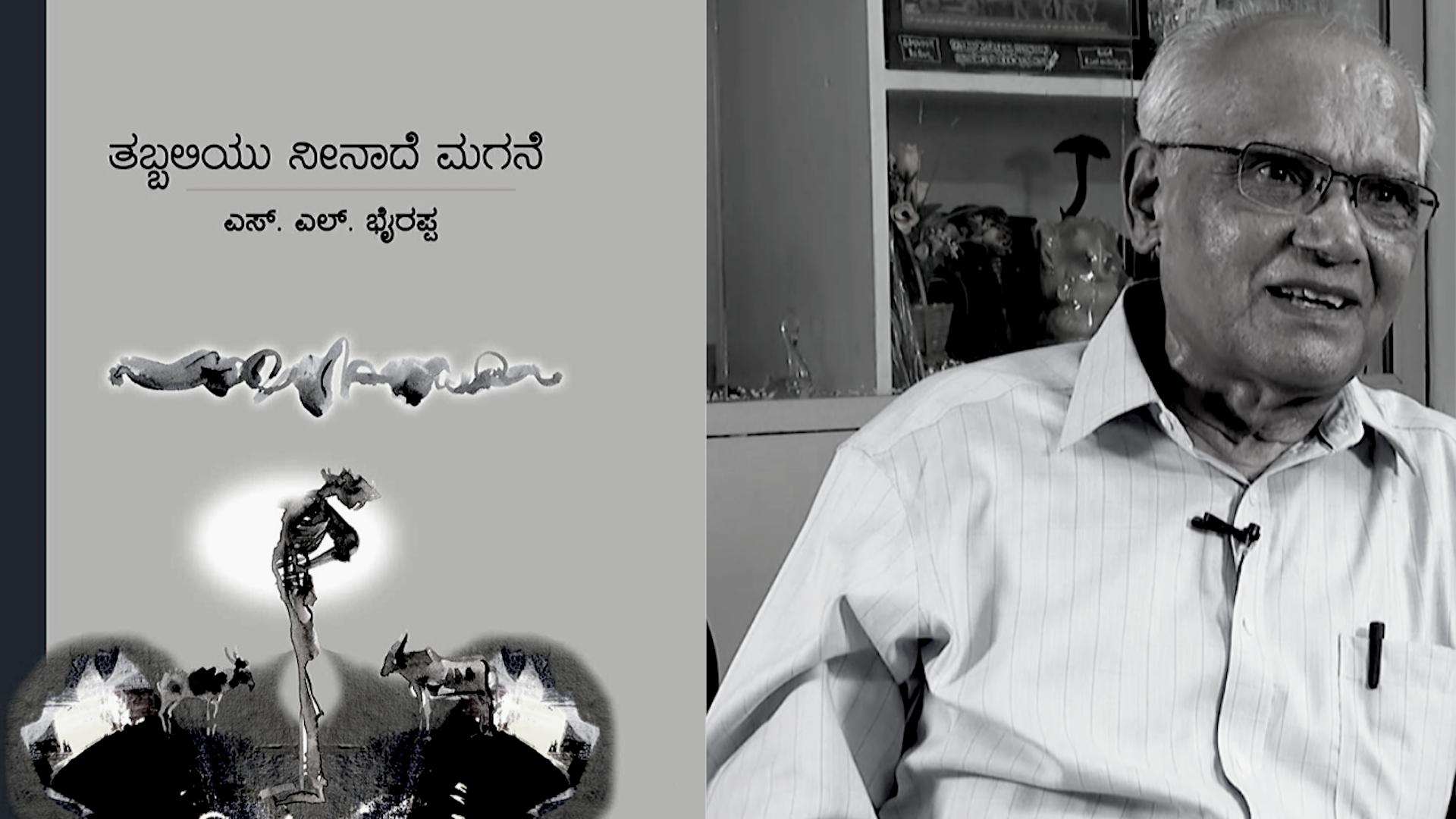
--- I --- In the preface to his classic Tabbaliyu Neenaade Magane (My Son, You are Orphaned), Dr. S L Bhyrappa remarks that although the story in his novel unfo...
--- I --- Art, the creator of art, the final product of this creative process, and the relationship among the three has fascinated and has been explored by arti...
--- I --- In the realm of Indian art and aesthetics, kalopAsana is an invaluable attitude, orientation, striving, and an ideal. The Sanskrit word, upAsana vario...
--- I --- It could be reasonably argued that every nation that has attained and is characterized by an advanced stage of the post-industrialized democracy has k...
Preface "I offer a hundred thousand salutations to the donor who extended his hands to guard the flame of pure traditional classical music, fluttering under the...
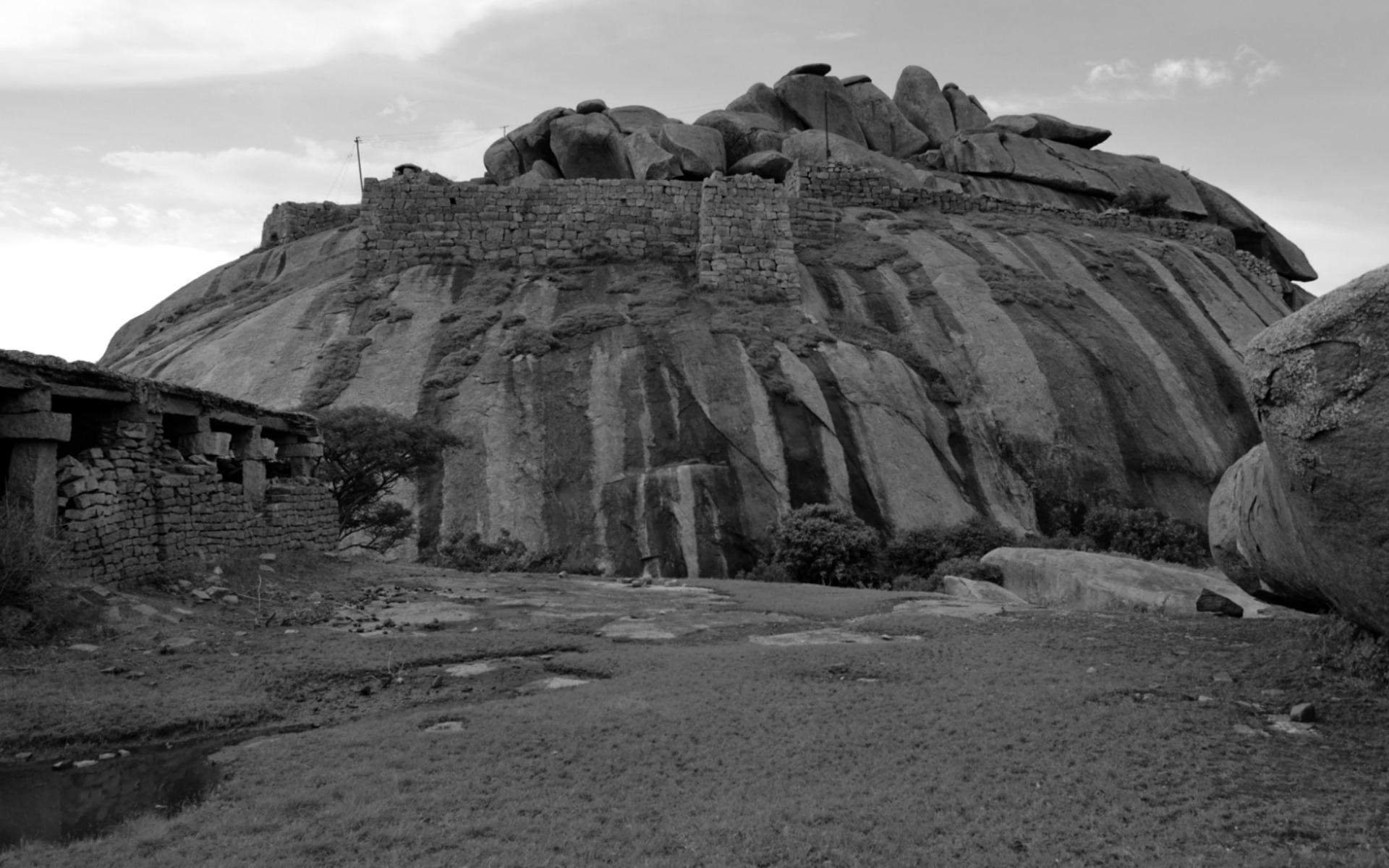
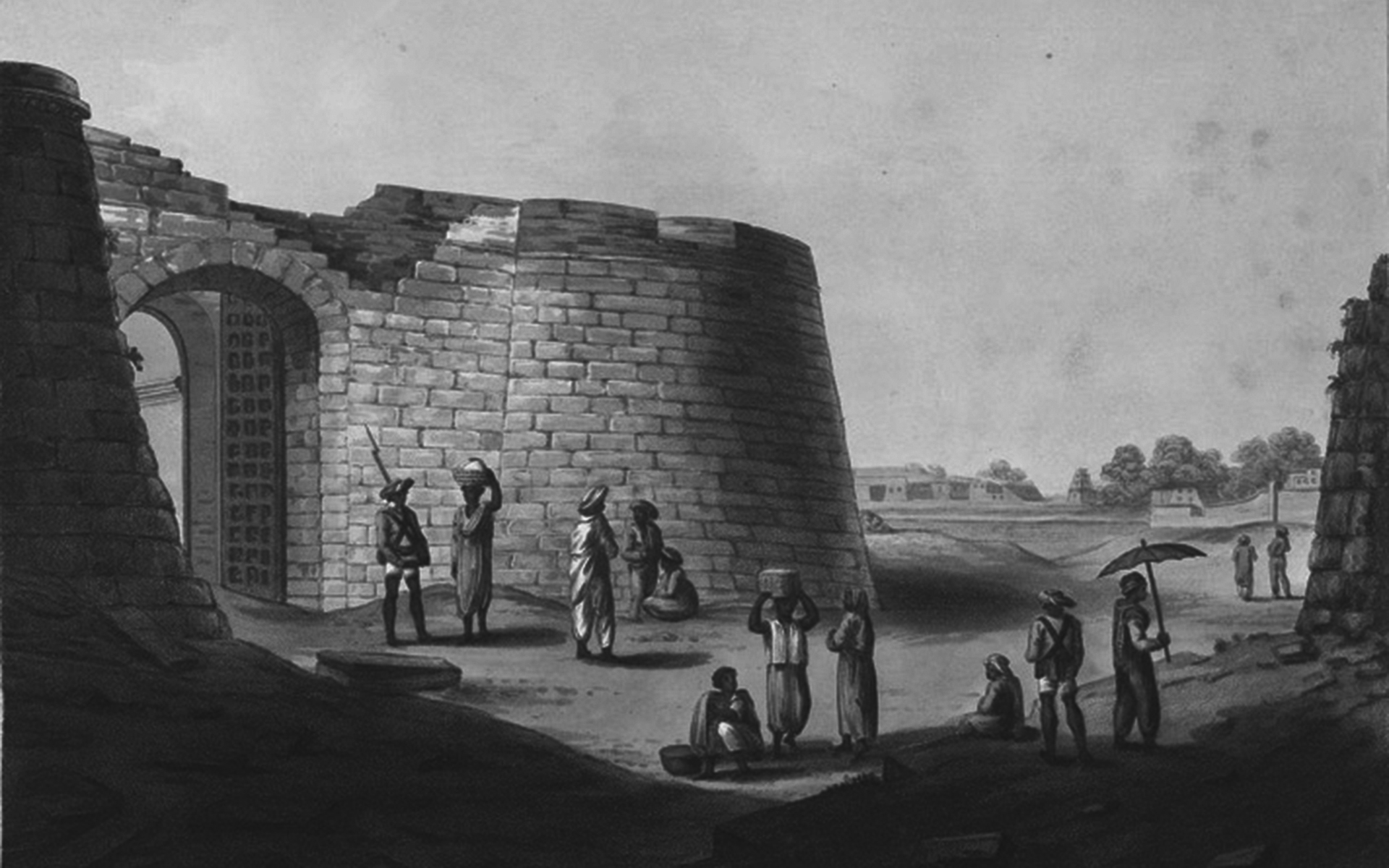
An account of the historic battle for the conquest of the Nijagal Fort involving Peshwa Madhava Rao I, Hyder Ali, and Madakari Nayaka.
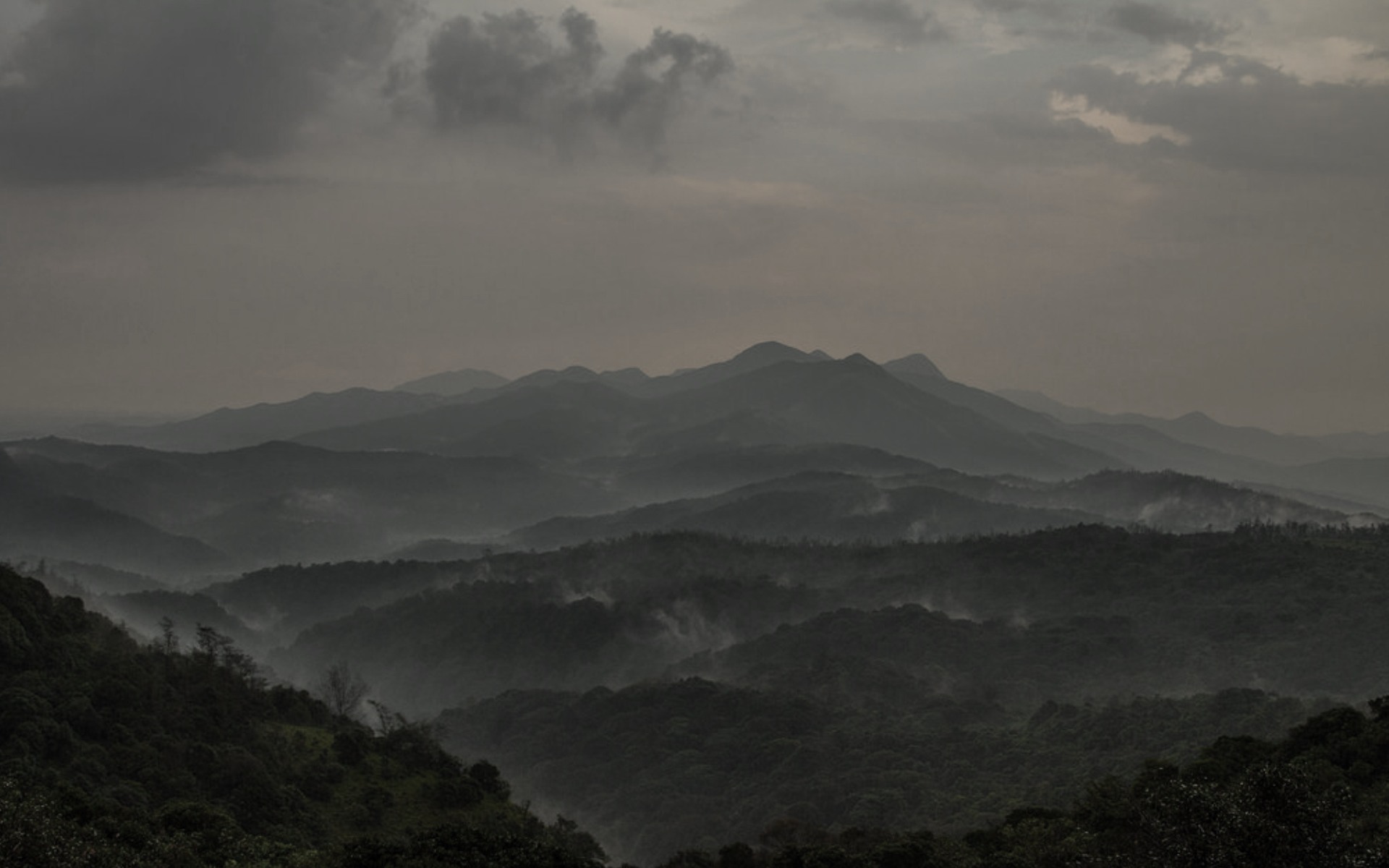
Known as Kodagu in Kannada, Coorg is a picturesque hill-country forming the Southern tip of Karnataka. It forms the border between Karnataka and Kerala, and is...
One of the most characteristic features of almost all medieval Muslim invaders and rulers of India is their religion-fueled zeal for destroying Hindu temples. F...
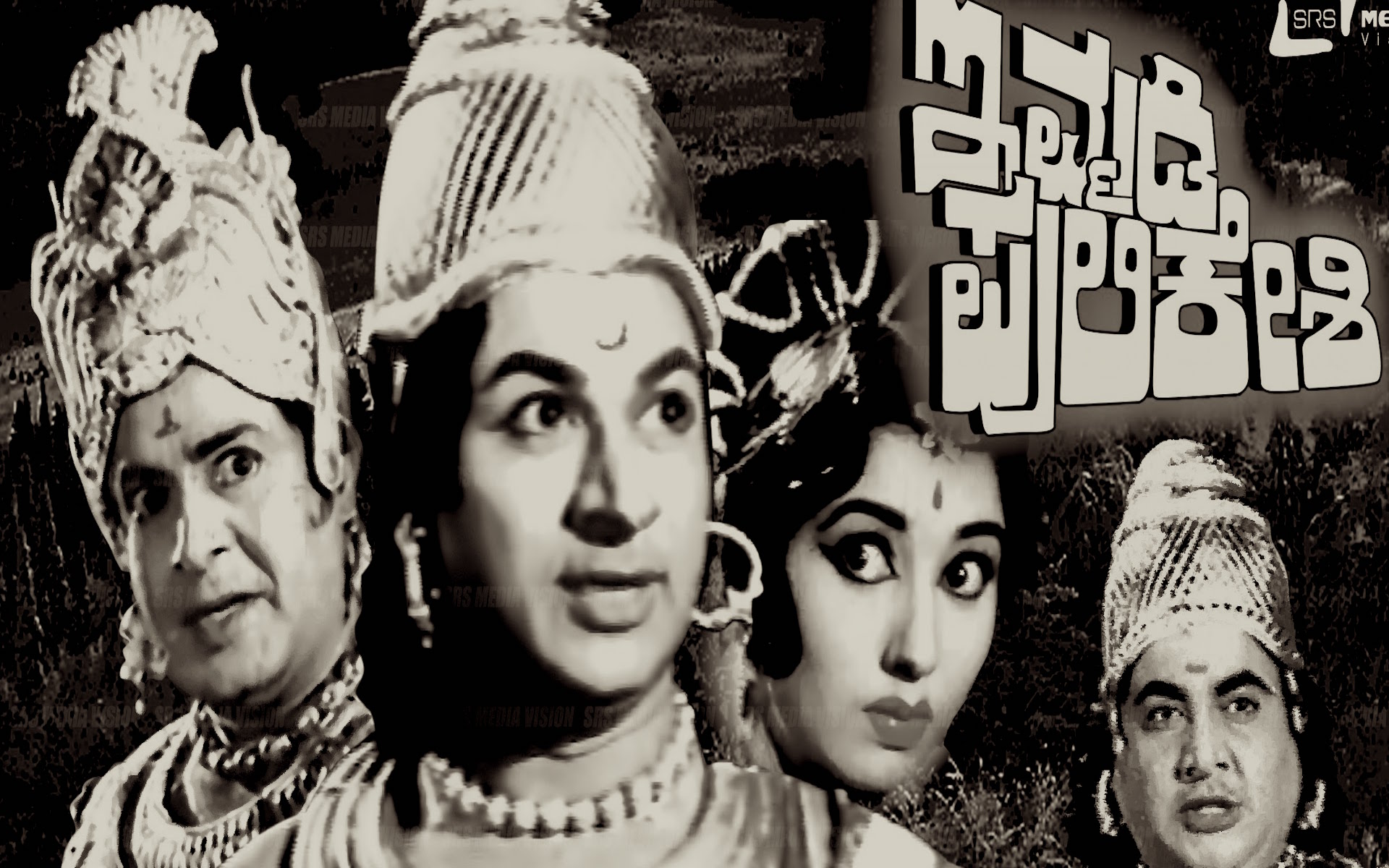
An academic paper exploring the contributions of Kannada cinema to the genre of historical films presented at a seminar by the Indian Council for Philosophical Research in Bangalore.
An essay describing the amorous life, courtesans, women, valour, and spirit of renunciation of the people of Krishnadevaraya’s period.
If Krishnadevaraya enjoyed a whole range of exalted honorifics like Sahitya Sangita Samarangana Sarvabhouma, Mooru Rayara Ganda, Hindu Samrajya Suratrana, Kanna...
An essay describing the various facets of the connoisseurial life of Krishnadevaraya's era including dress, lifestyle and attitudes.
Some years ago, a reader wrote to me with an experience that he said vexed him. The relevant portion of his email is produced below: …during a talk with a liber...
Buried beneath and interspersed among the numerous layers of terse and detailed philosophical expositions are the thousands of amazing stories in the Upanishads...
One of the greatest losses of the so-called Dravidian discourse in Tamil Nadu is the loss of a number of Hindu devatas or deities in the civilizational consciou...
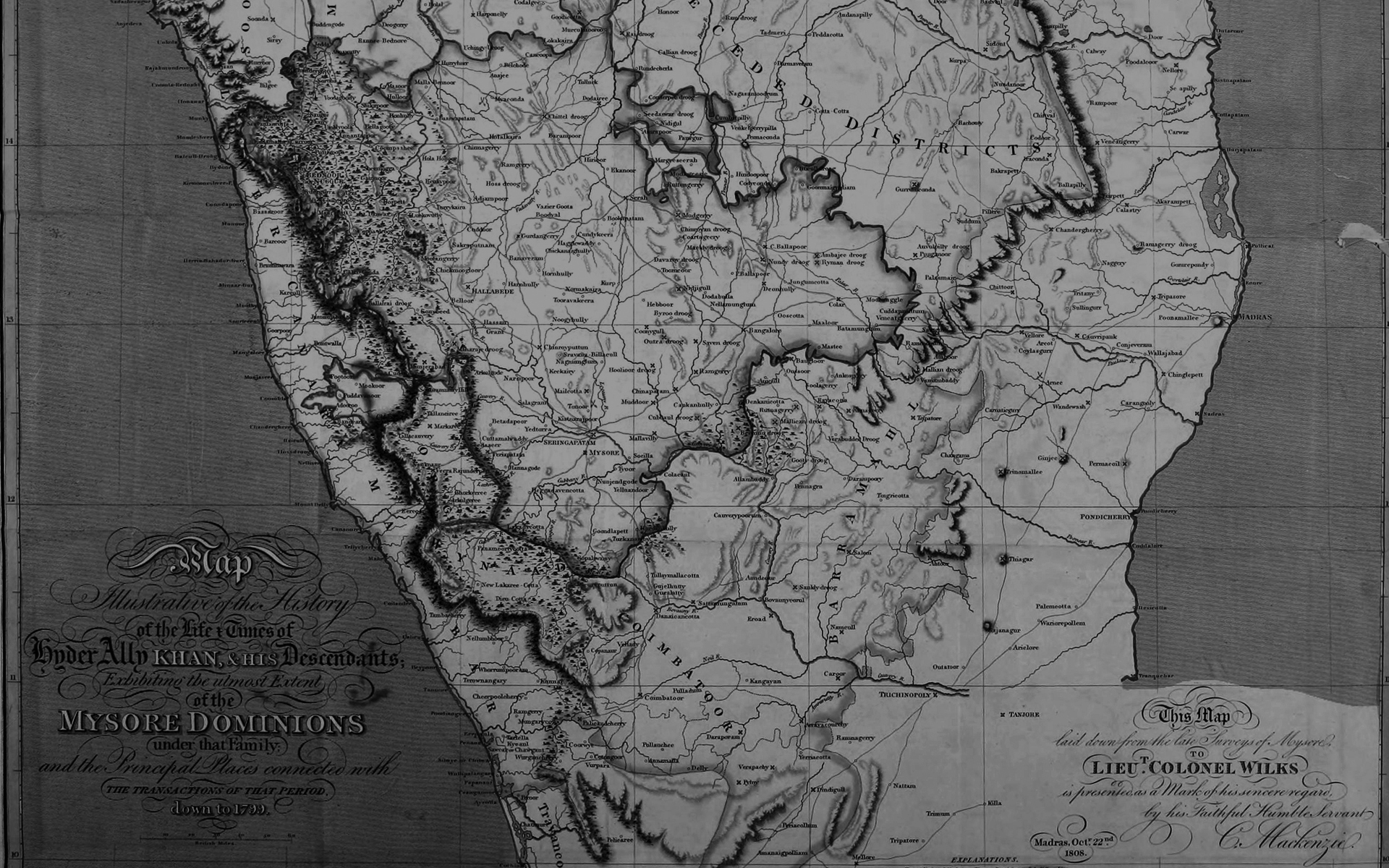
In the previous part of this essay, I traced the origin of the Mackenzie Manuscripts to Col. Colin Mackenzie discovering his life’s mission after his interactio...
The first part of a series describing the literary, artistic, cultural and social life during the reign of Krishnadevaraya of the Vijayanagara Empire.
It could be argued that early in the colonial period, there was genuine interest to study India, and the West did produce some rigorous work in the area in the...
Ananda Coomaraswamy is one of the little-known figures of India. Which is baffling because a vague estimate of his works runs into more than 15,000 pages. It is...
Those familiar with Sanskrit–even an introductory course is sufficient–are sure to know Bhartrhari mainly via reading several shubashitas (noble sayings in vers...
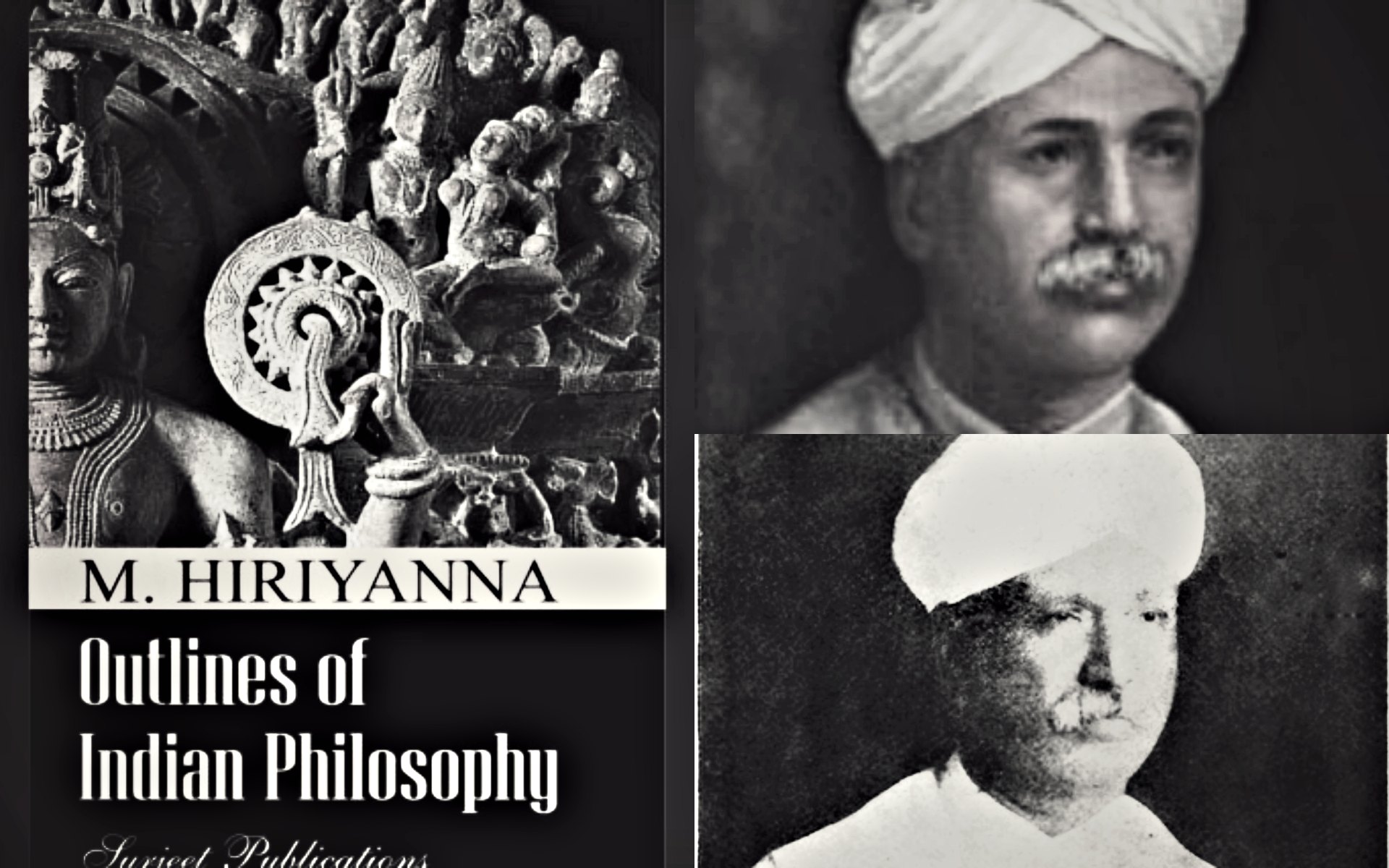
Professor M. Hiriyanna is one of the little-known scholar-giants who gifted us new insights, and corrected thriving misconceptions in Indian philosophy. The tit...
An unfortunate outcome of the “modern” way of thinking–shaped by the all-are-equal assumption–is the fact that over the years, it has contributed to the reducti...
Ananda Coomaraswamy remains one of the most staunch defenders of the Indian tradition in the mold of what David Frawley calls an intellectual kshatriya. Coomara...
How often have you heard this refrain or its variants: Naah! I don’t go to temples. I don’t like going to temples…I mean, there’s no point…all that noise, meani...
For several years now, there has been an attempt to distort India’s history, culture, and traditions starting from the Islamic invaders, British imperialism, th...
Do Indians have a sense of history? No, says the received wisdom even today in major sections of the academia and the media. If you as much as question the sour...
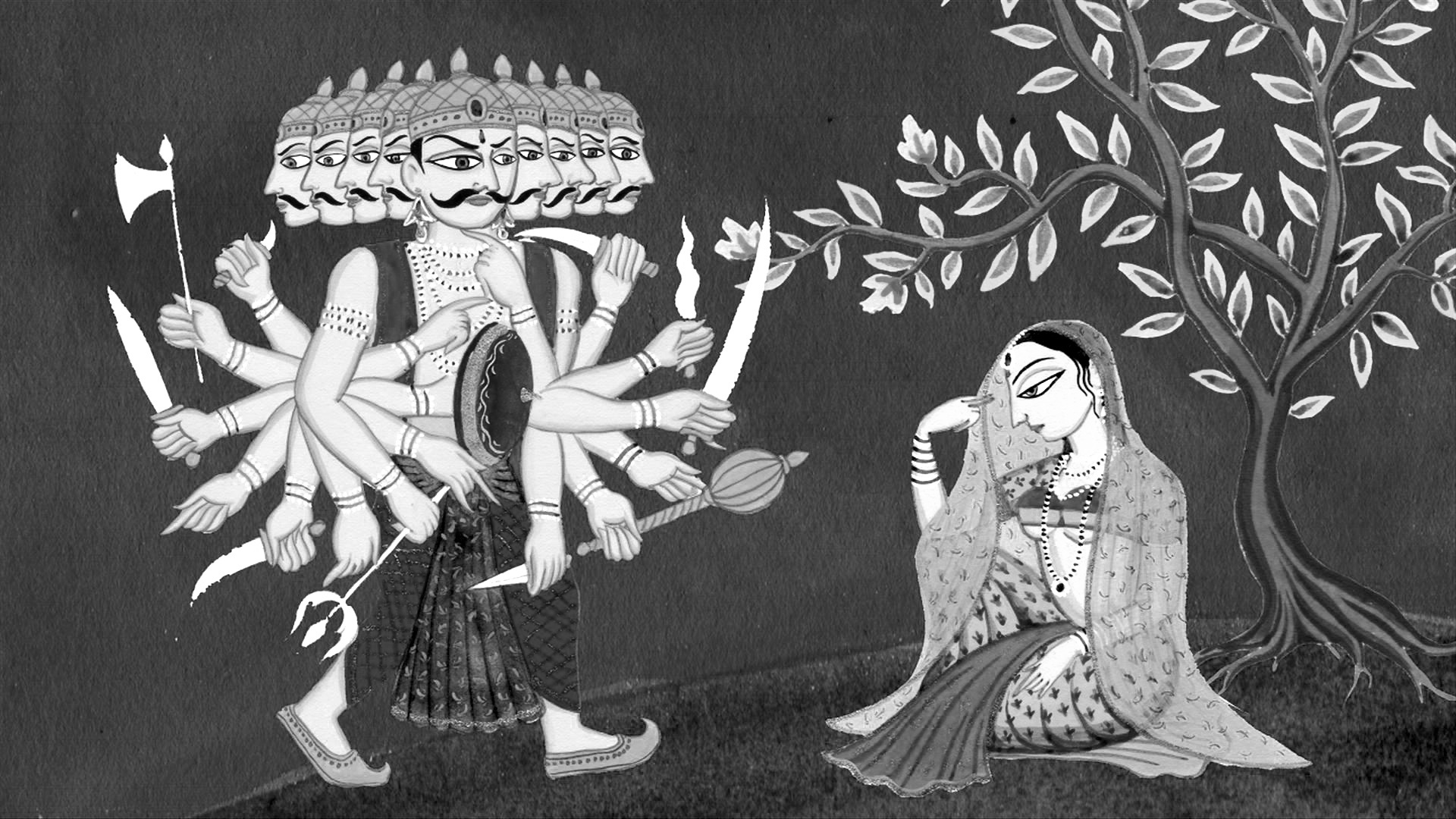
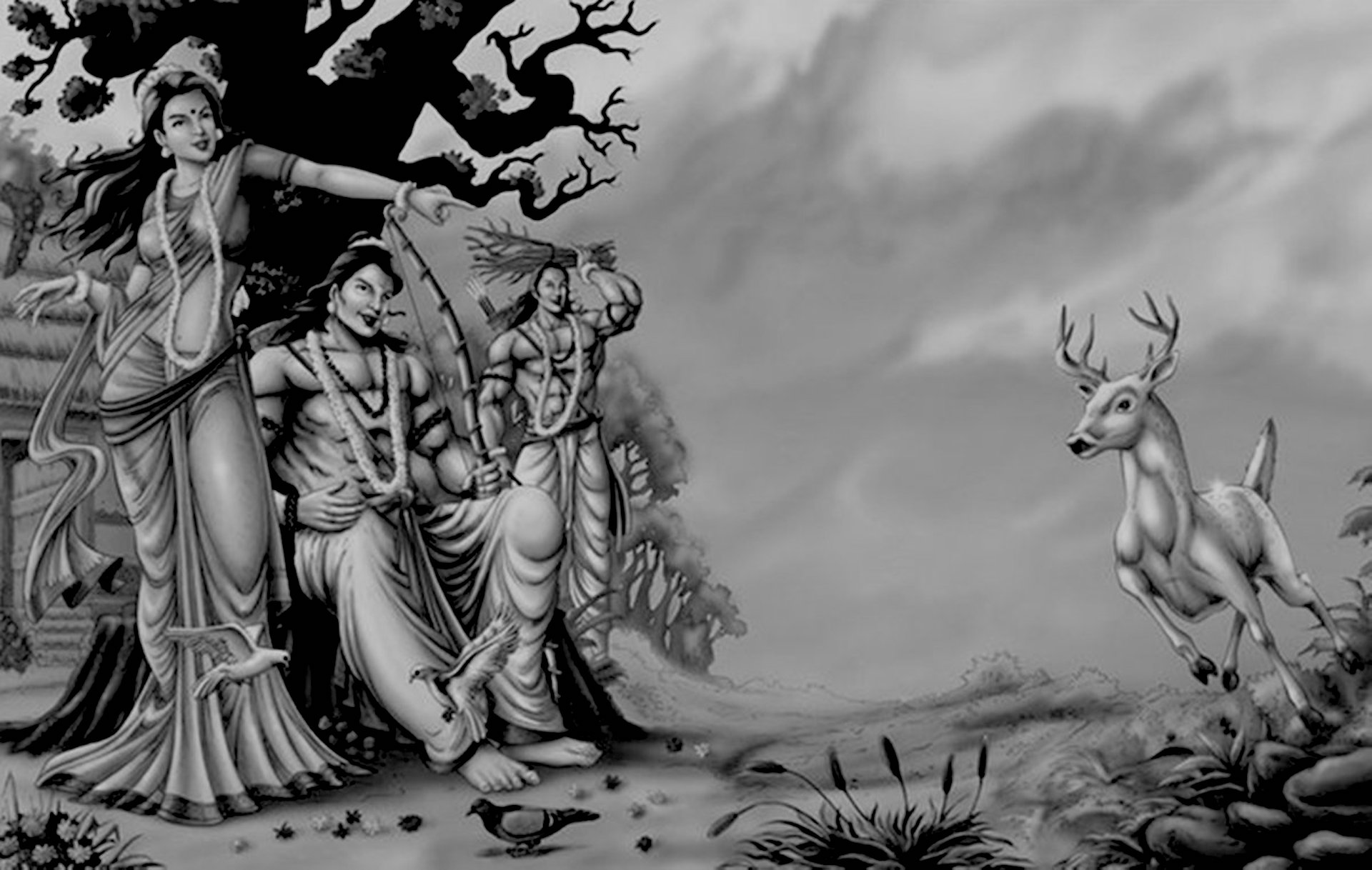
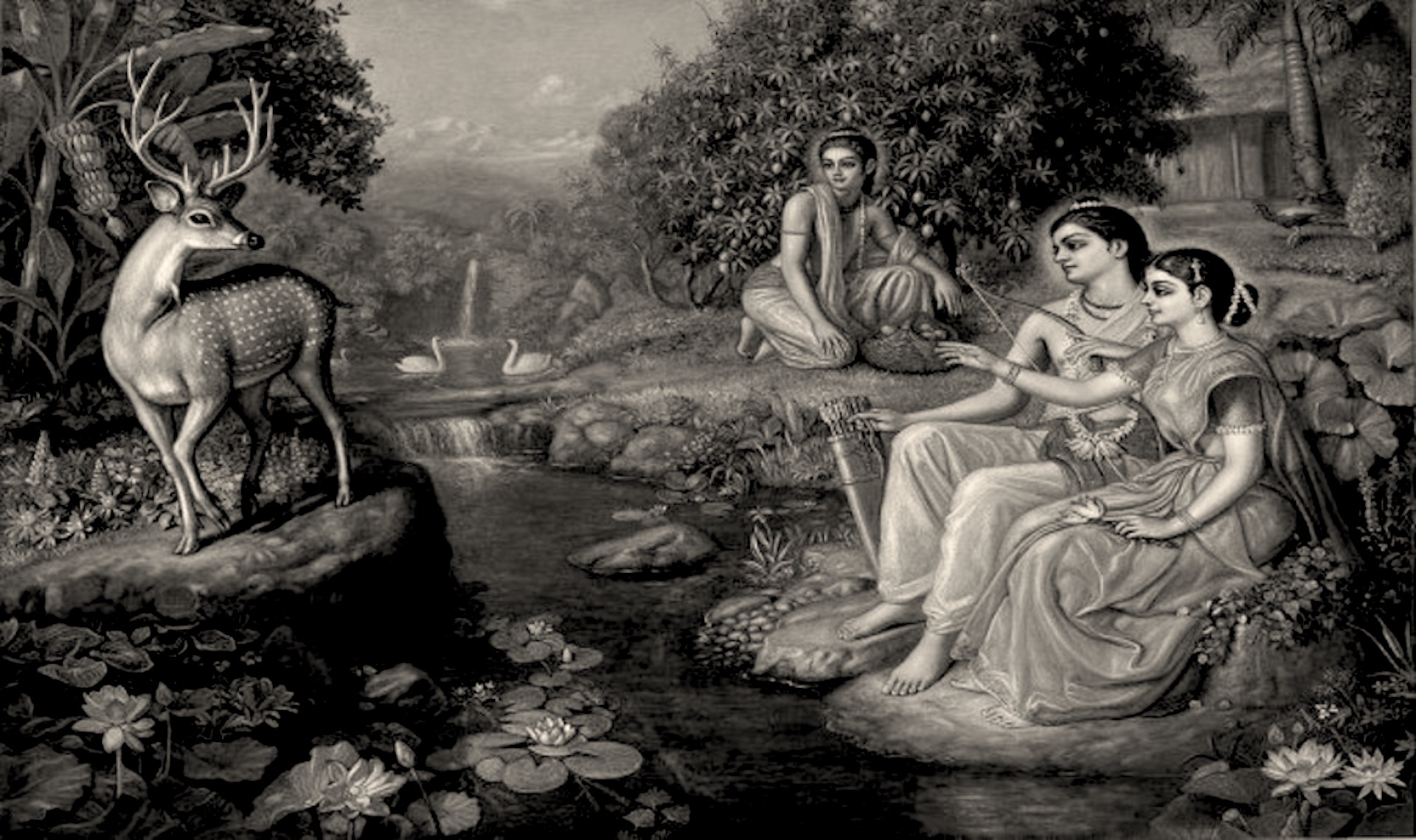
According to Agastya’s instructions, when Sri Rama goes and resides in Panchavati, the major events in the story occur there. Shurpanakha sees Sri Rama, becomes...
āśīrnamaskriyā vastunirdeśo vā || (Dandin: Kavyadarsha) is a famous aphorism. However, this was composed long after Maharshi Valmiki’s period. I simply cannot...
DVG’s Sri Ramaparikshanam has attempted to examine and analyse the various strands of difficult questions related to Dharma by creating imaginary conversations...
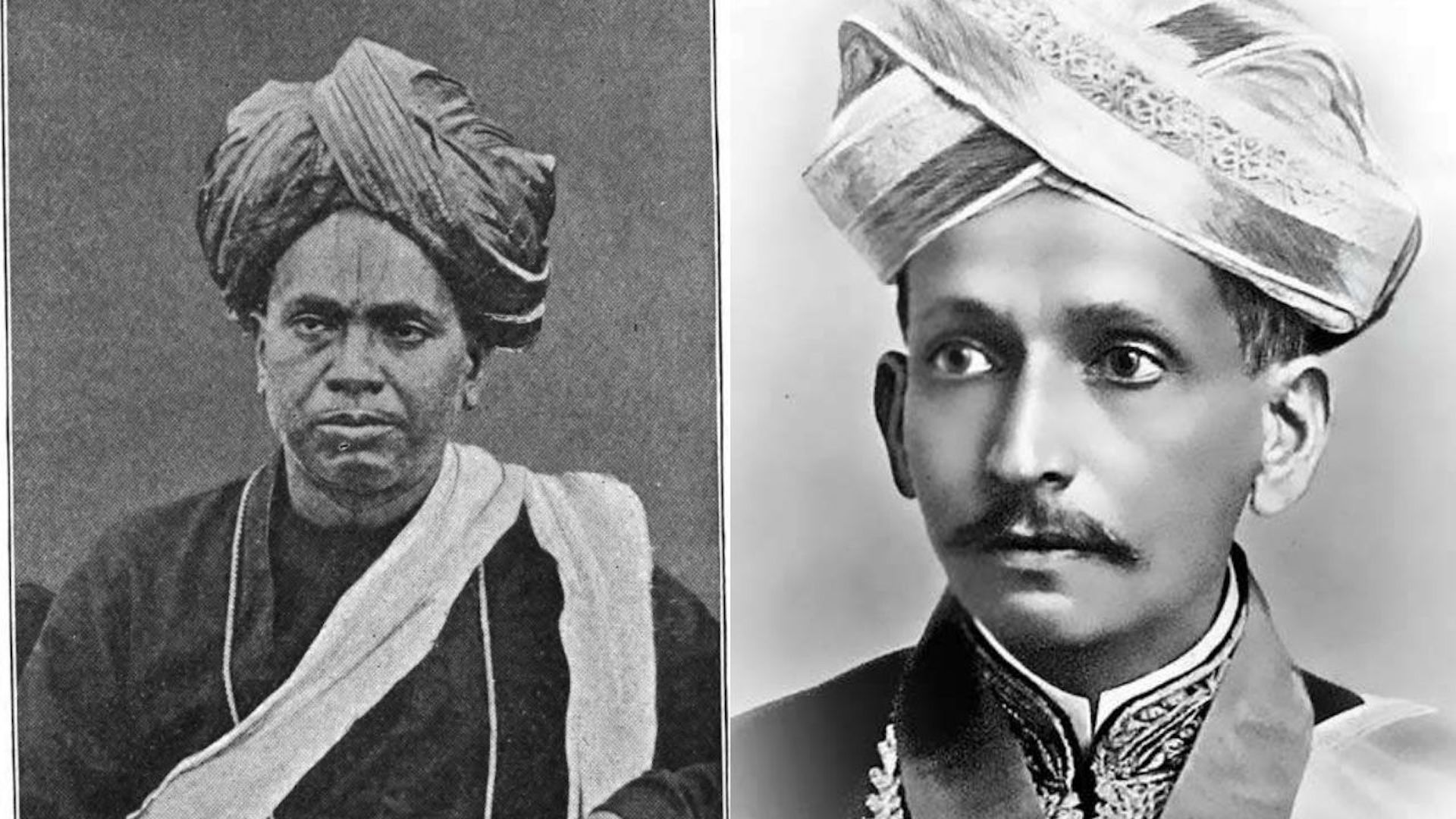
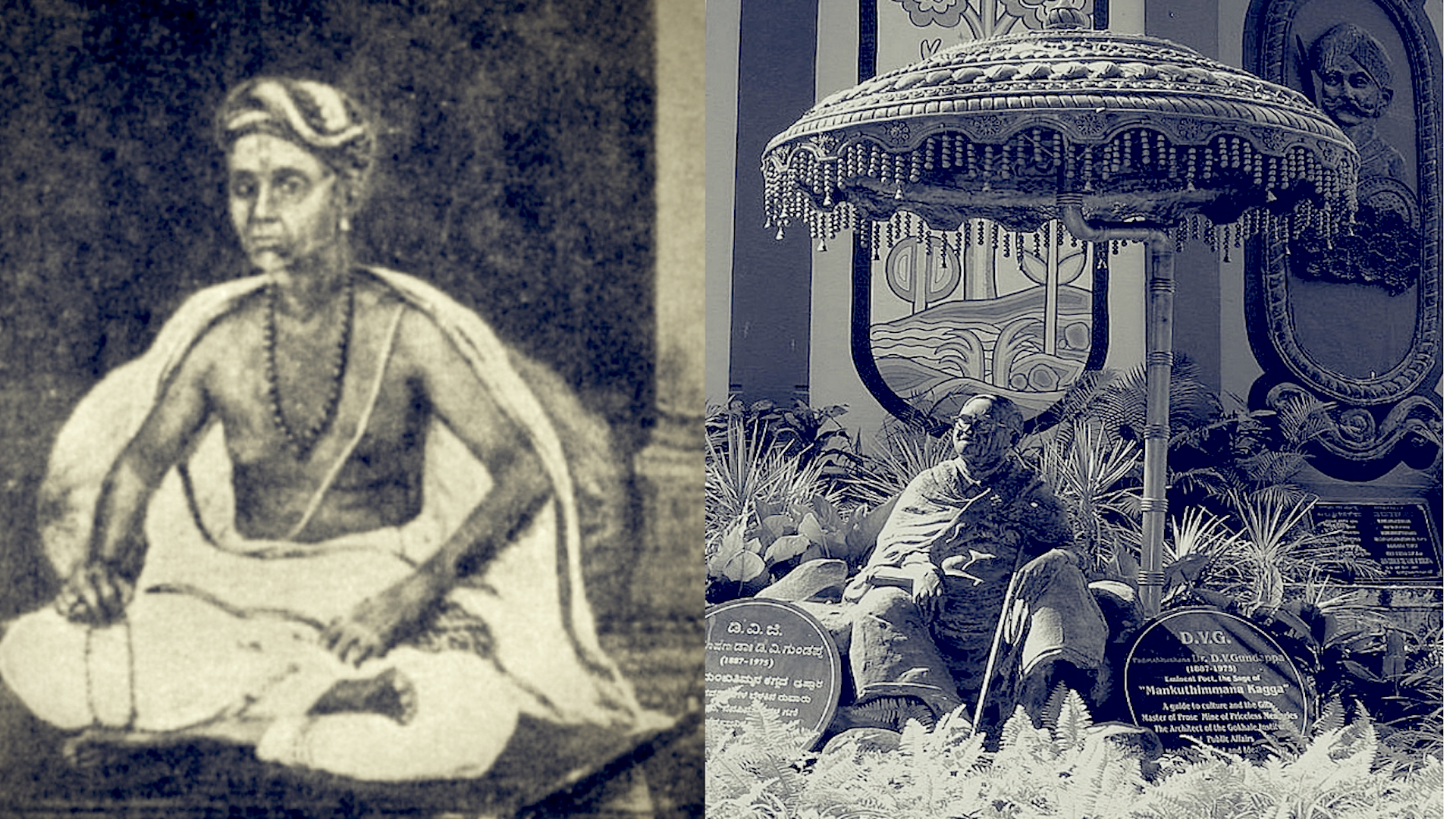
Honours and Felicitations For years on end, DVG kept refusing the requests from the public and government for honouring and felicitating him. Without waiting f...
Deep Bonding with Society The source of inspiration for all of DVG’s life-work was the deep bonding he had forged with society. This bond was not something tha...
The foundational pillar of DVG’s fearless attitude was his characteristic transparency and abstinence from seeking anything. At no point in his life did he use...
There was no dearth of humorous instances during the Sunday study circle. Besides, it was not in DVG’s nature to waste a single opportunity that afforded a humo...
The Mysore People’s Convention that convened in Bangalore in December 1919 under the aegis of the Mysore Representative Assembly was largely the result of DVG’s...
Organizer of Society One of the vows of DVG’s life was to infuse dynamism in society. He made one or the other attempt in this direction for about fifty or six...
When the world-renowned scholar, India-aficionado, and multifaceted expert on various art forms, Ananda Coomaraswamy was asked to deliver a message regarding In...
Public Organisations The public meeting that took place towards the end of 1919 was organized by D.V.G. In the South Indian Princely States Conference held in...
The Rule of the Maharajas The situation in the states ruled by the Maharajas were not really praiseworthy. Bhopal was a Hindu-majority state as long as it was...
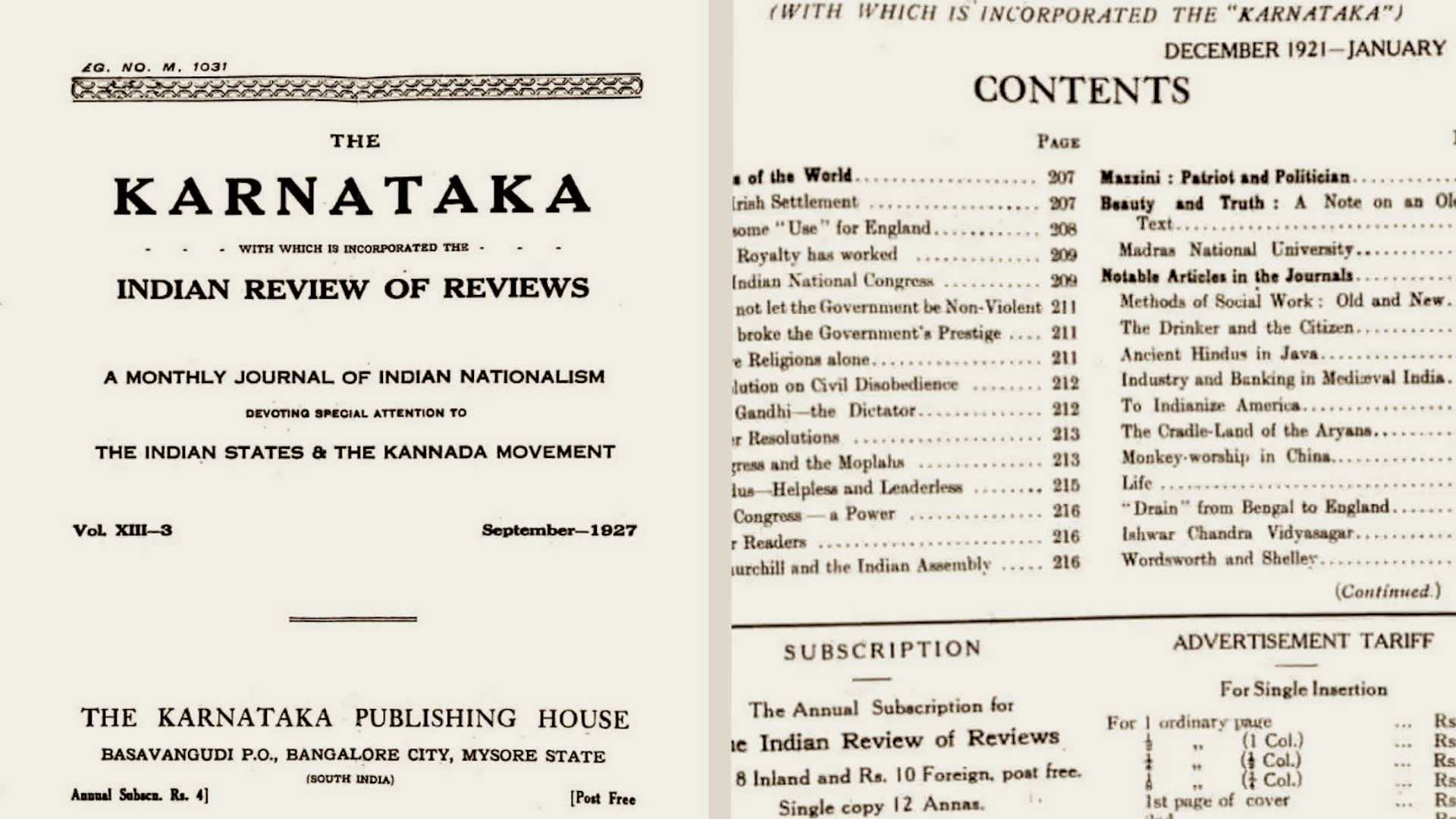
DVG practiced journalism for an unremitting seven decades; from the beginning, he fiercely upheld the nationalistic spirit in both speech and writing. From 1913...
The long years of service that DVG rendered variously as the member of the Municipal Council (1915-16), Legislative Council (1927-40), Mysore University Senate...
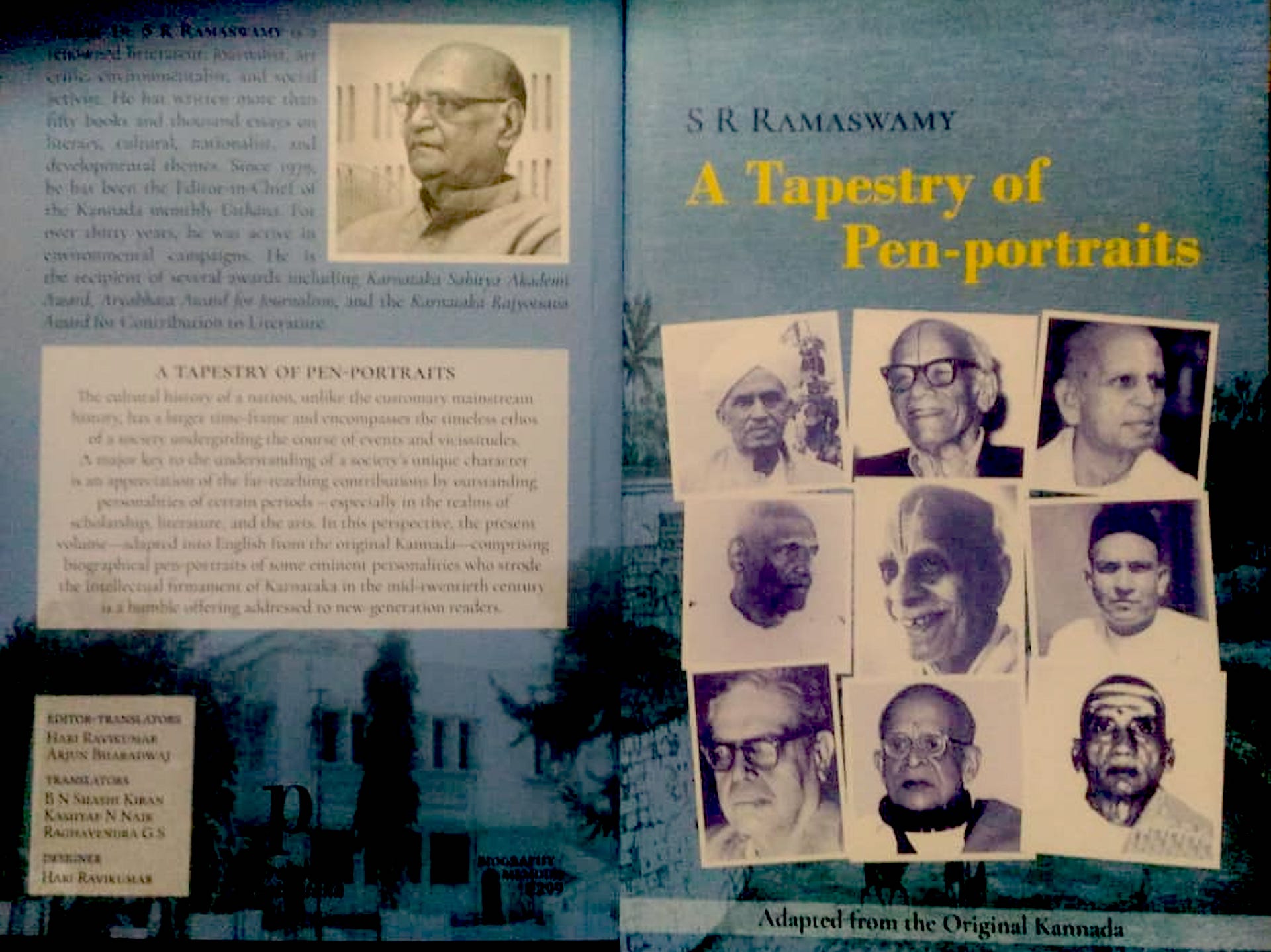
Note: This is the first part of the English translation of a series profiling D.V. Gundappa's life and legacy authored in the original Kannada by Dr. S.R. Ramas...
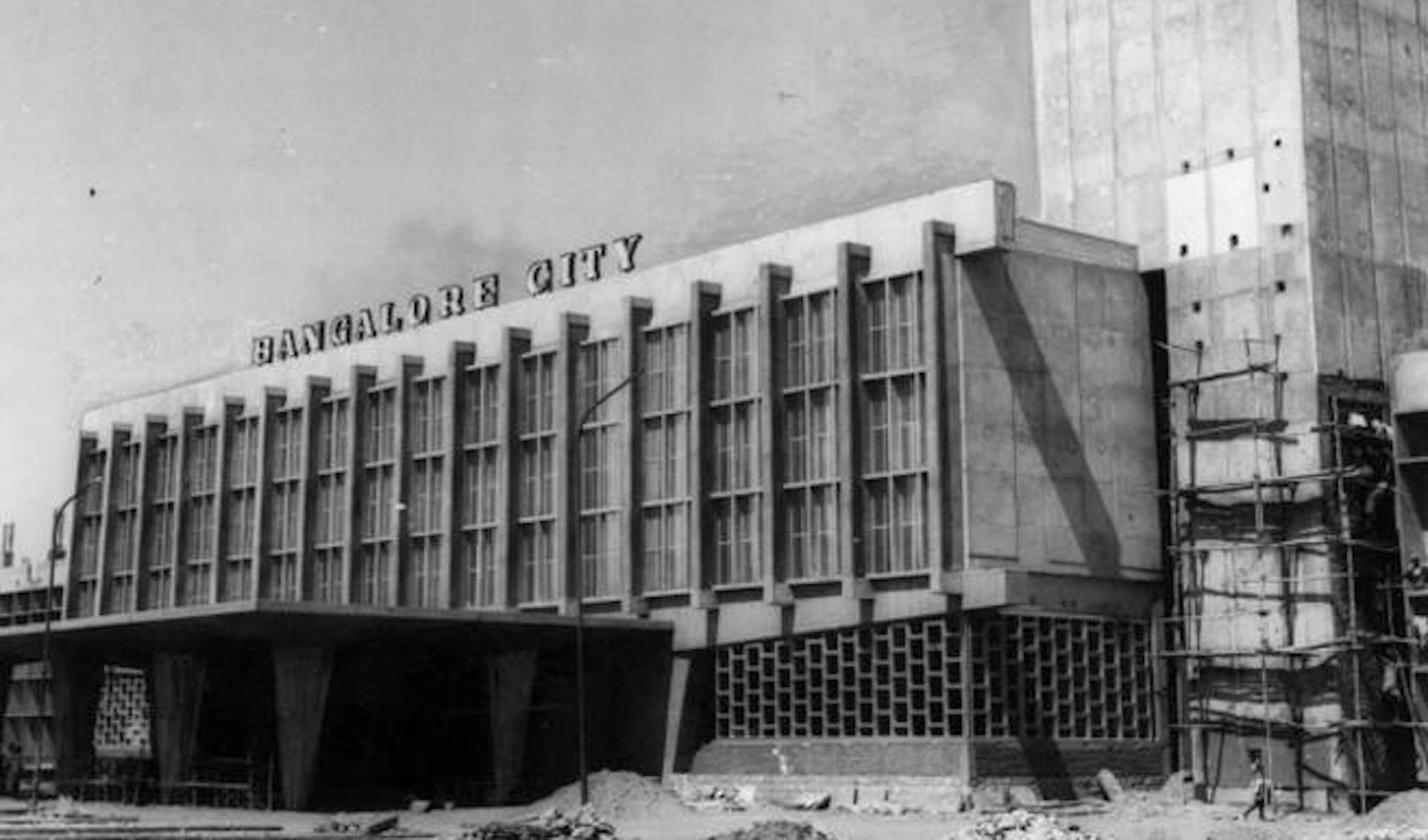
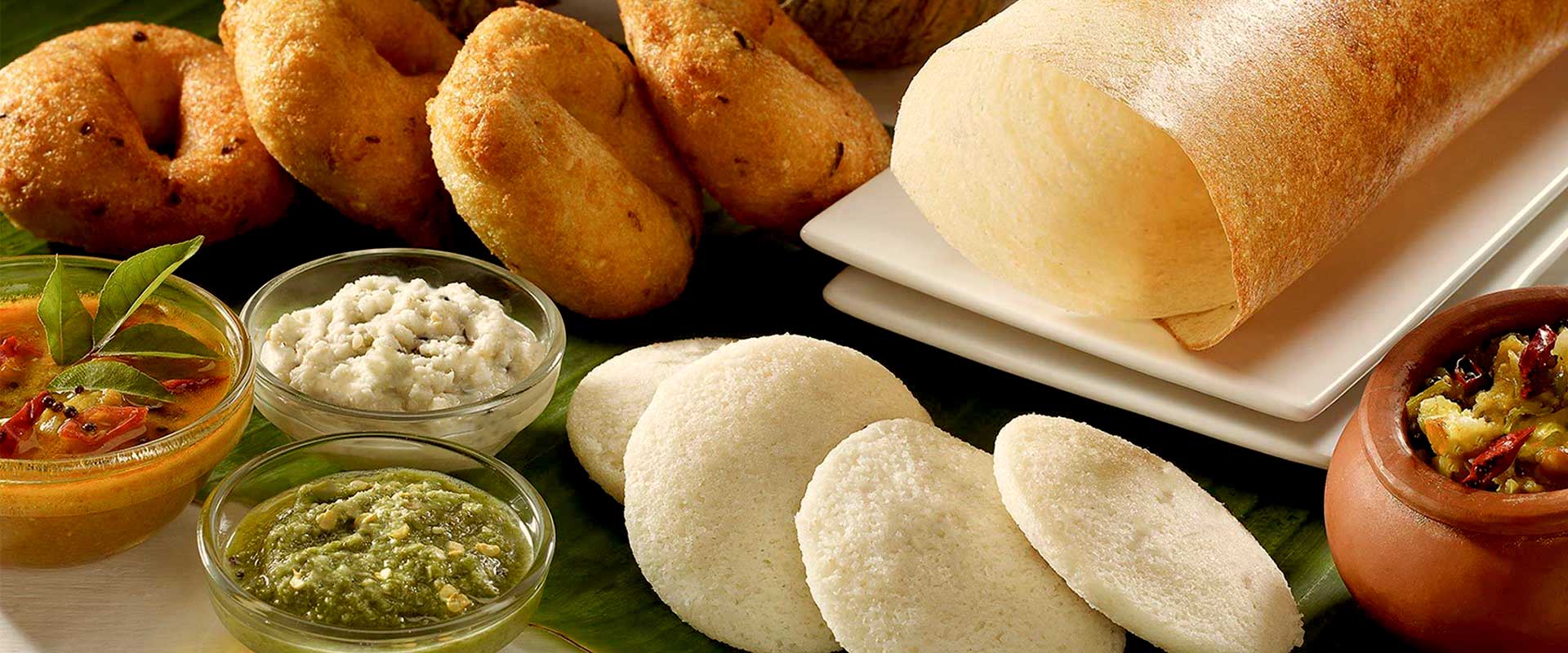
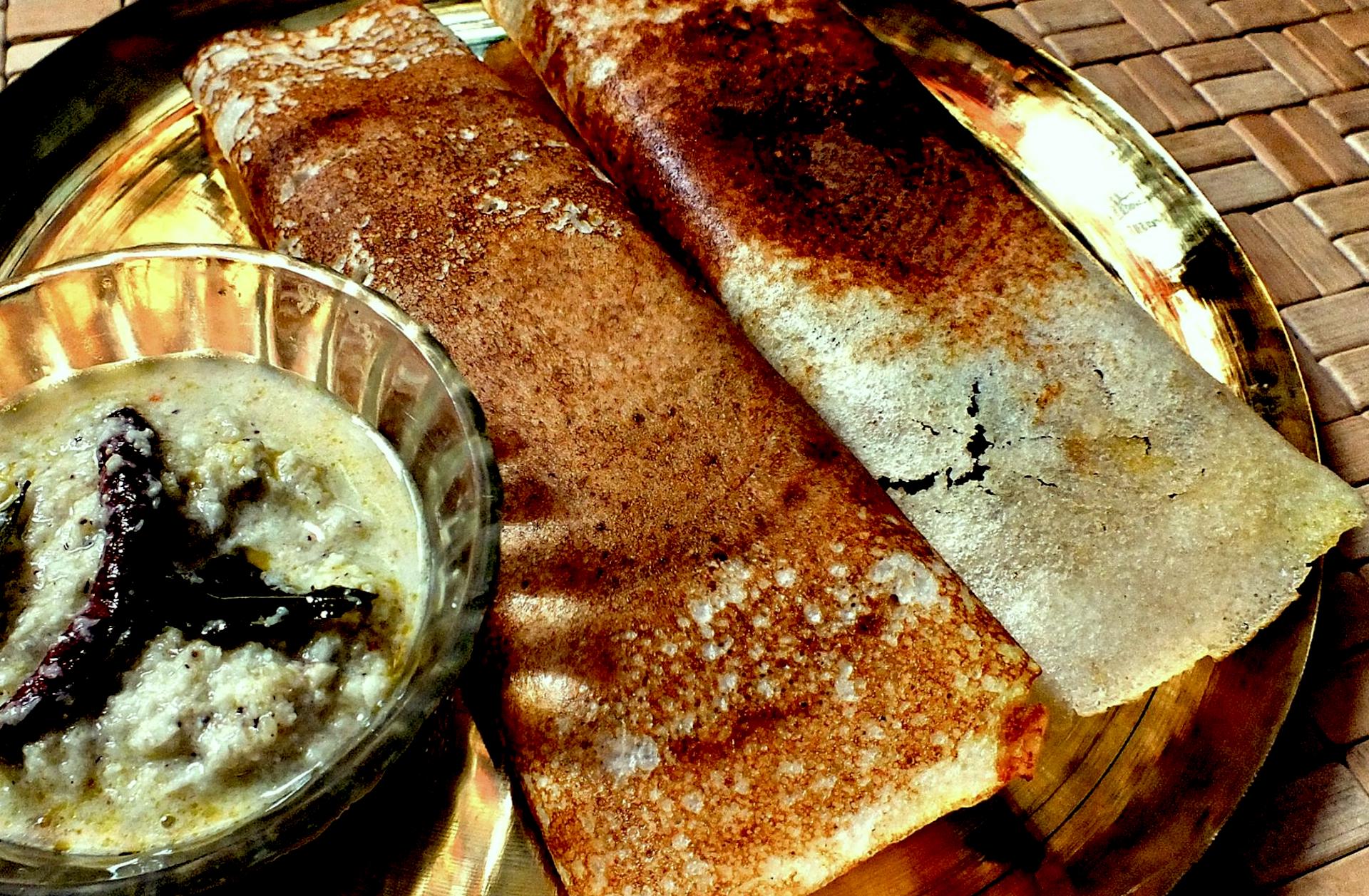
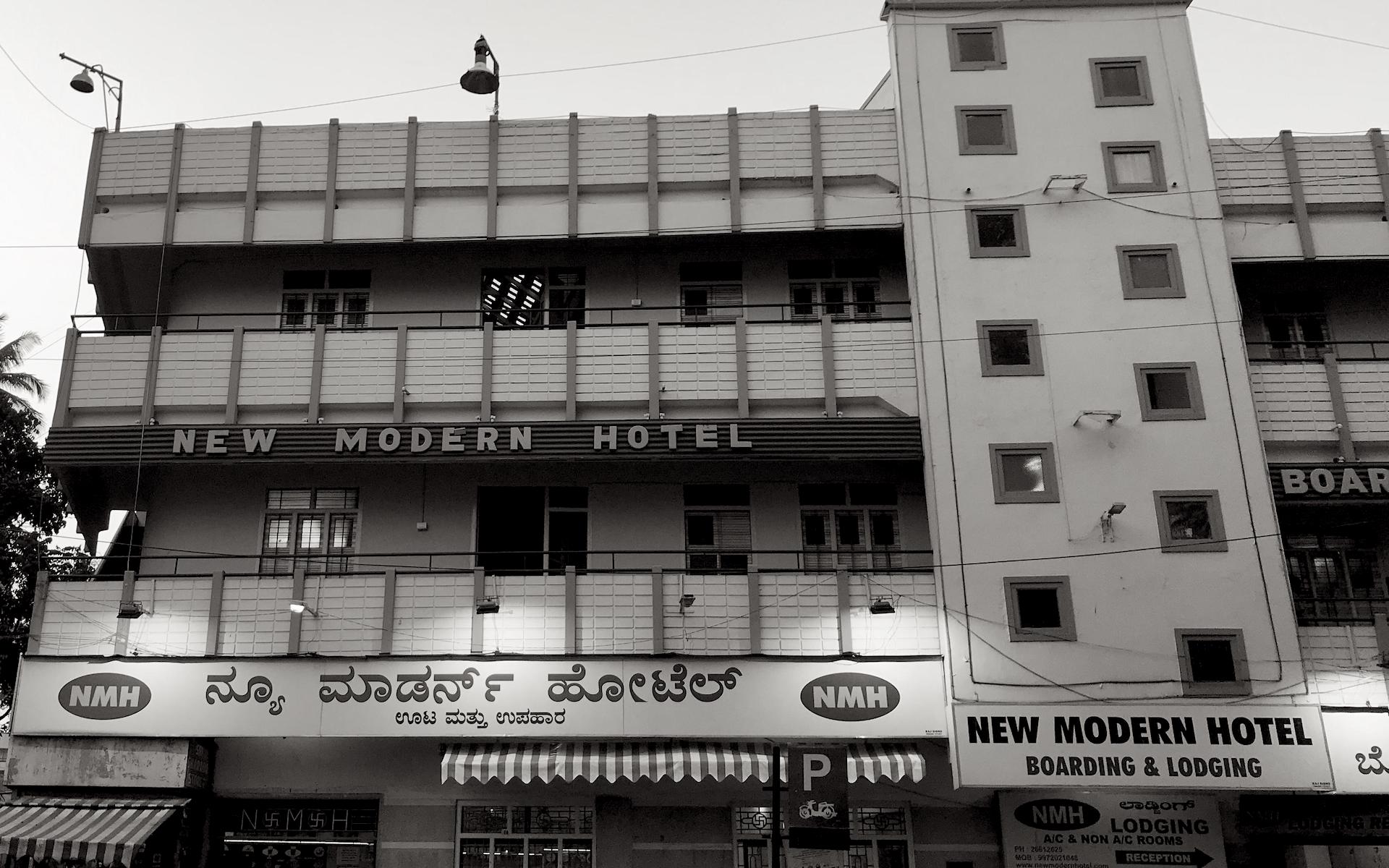
Note: This is the second of a two-part series of an English translation of D.V. Gundappa's essay titled "Bengalurinalli Hotel Udyamada Arambha," the ten...
Note: This is the first of a two-part series of an English translation of D.V. Gundappa's essay titled "Bengalurinalli Hotel Udyamada Arambha," the tenth essay...
It’s true that the Indian tradition of Kshatra has witnessed several ups and downs and hundreds of incidents of defeats and death. In reality, our Rajas and Mah...
Read Part 1: Sri K.T. Appanna and The Hindu Coffee Club Sri S.G. Sastri At times, our Independent Board would carry on its business till 8 PM. On one suc...
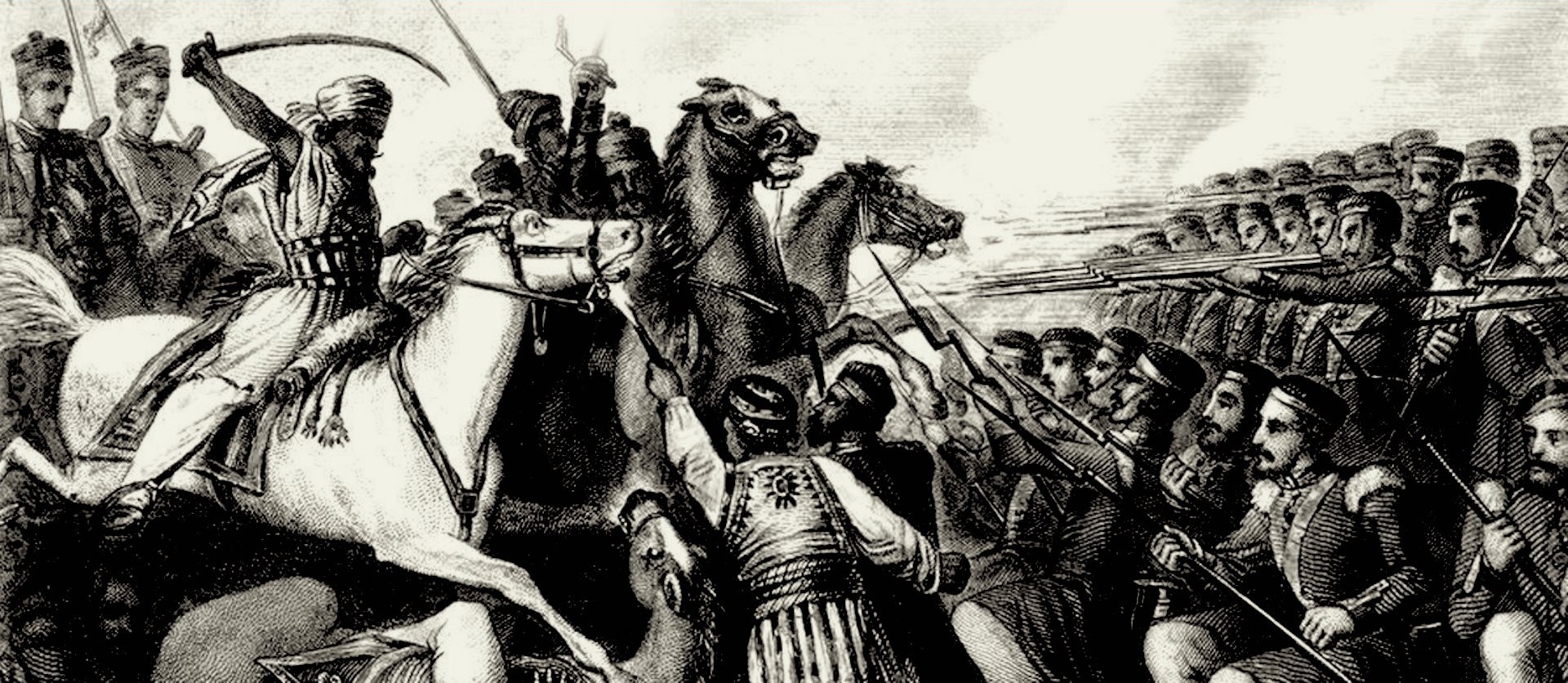
As the last vestige of India’s glorious heritage of Kshatra (or valour), we see the solid resistance of the native Indian army during the First War of Indian In...
Sri K.T. Appanna hailed from the Aruvelu Brahmin sect. He was originally from Kollegal. His father was Sri Tirumalaswamayya working as a First Division Clerk at...
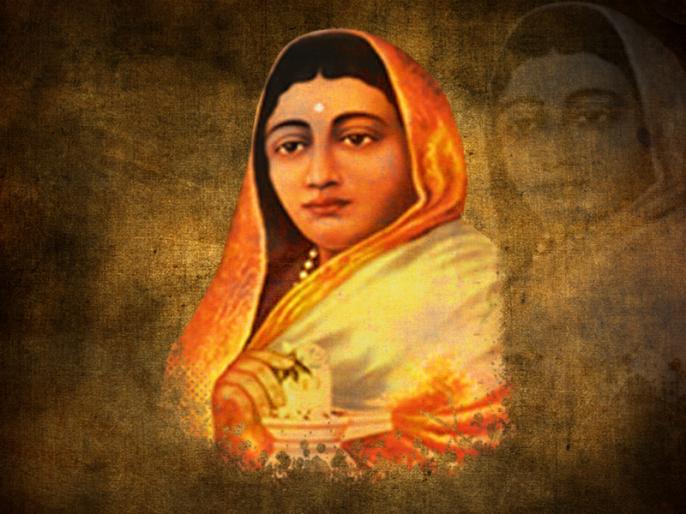
Like Sawai Jai Singh, the other warrior who toiled for the cause of Sanatana Dharma during the period of the downfall of the Mughal Empire was the ideal woman A...
Once when Rabindranath Tagore visited a large library in America, he expressed a desire to see the most prized books which were kept there. The officials there...
I had the acquaintance of Sri Kempe Gowda for a really short time—about two or three hours. Sri Kempe Gowda hailed from the Coimbatore region. There was no one...
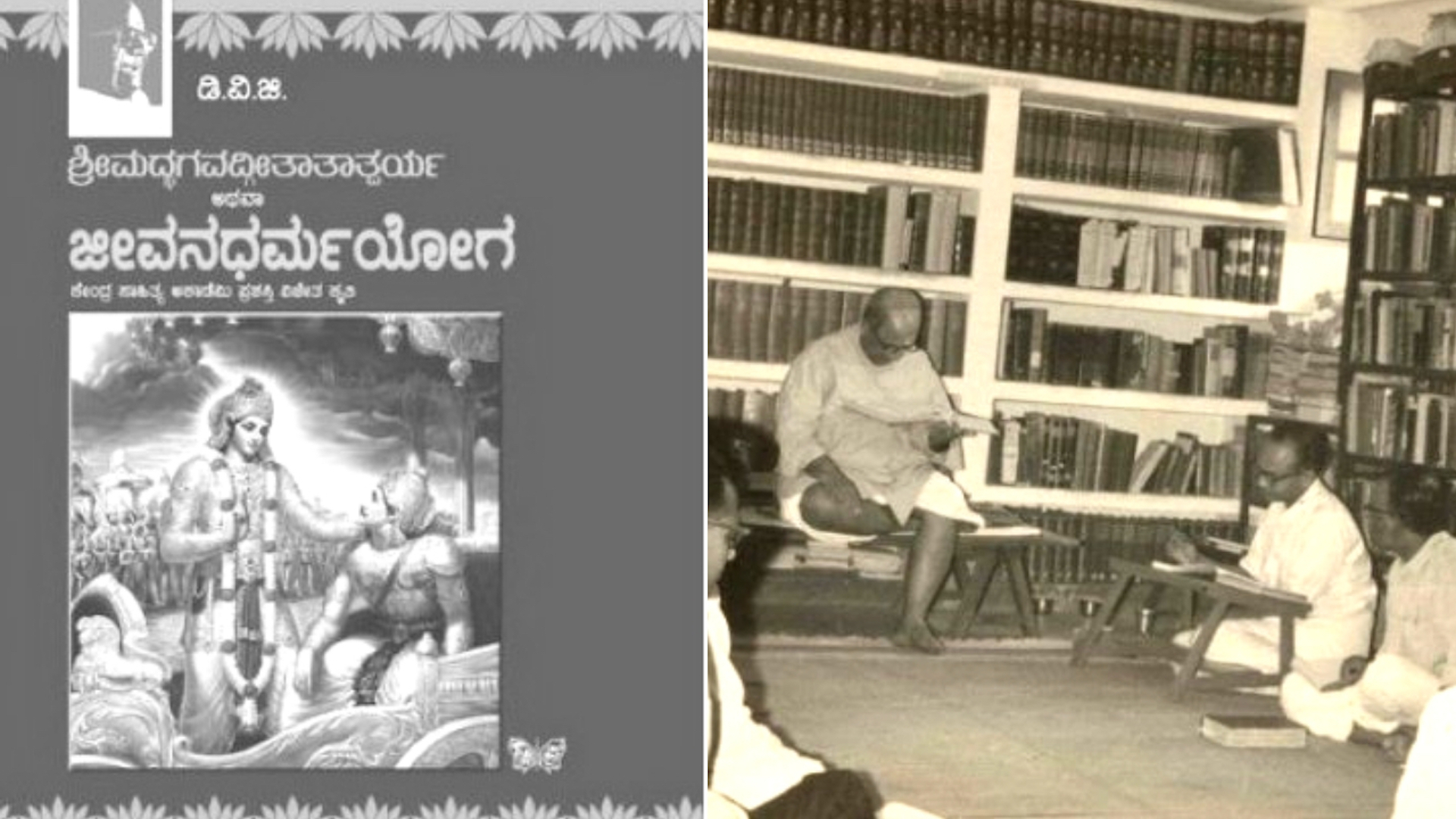
New Dimensions of Meaning The qualities of poetry, song, and sastra are all infused in the Gita. In the view of the Three Acaryas [Adi Sankara, Ramanuja and Ma...
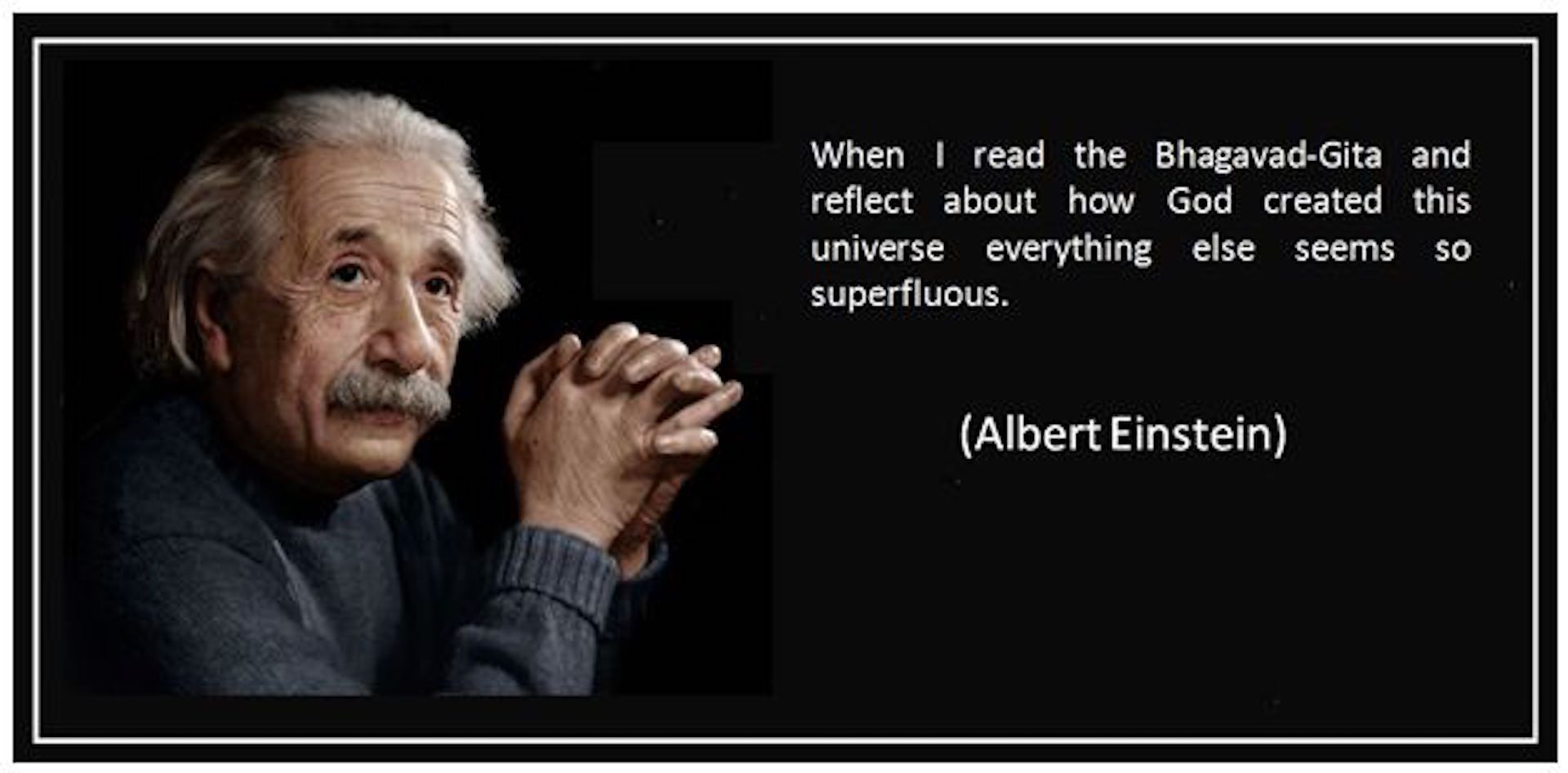
The Bhagavad Gita’s Fame Rests on its Value Over centuries, commentaries on the Bhagavad Gita have been composed in various languages. However, even today, the...
In this background, there were several heroes who strove to alleviate the pain of the Sanatana-Dharmis and protect their honour. Such people are worthy of the h...
Note: This is the English translation of Dr. S.R. Ramaswamy’s Kannada article titled “Giteya ananyate” published in the December 2018 edition of the “Utthana” m...
After the death of Aurangzeb, the Mughal empire was scattered and confused. In fact, this had already started during Aurangzeb's lifetime itself. As a result of...
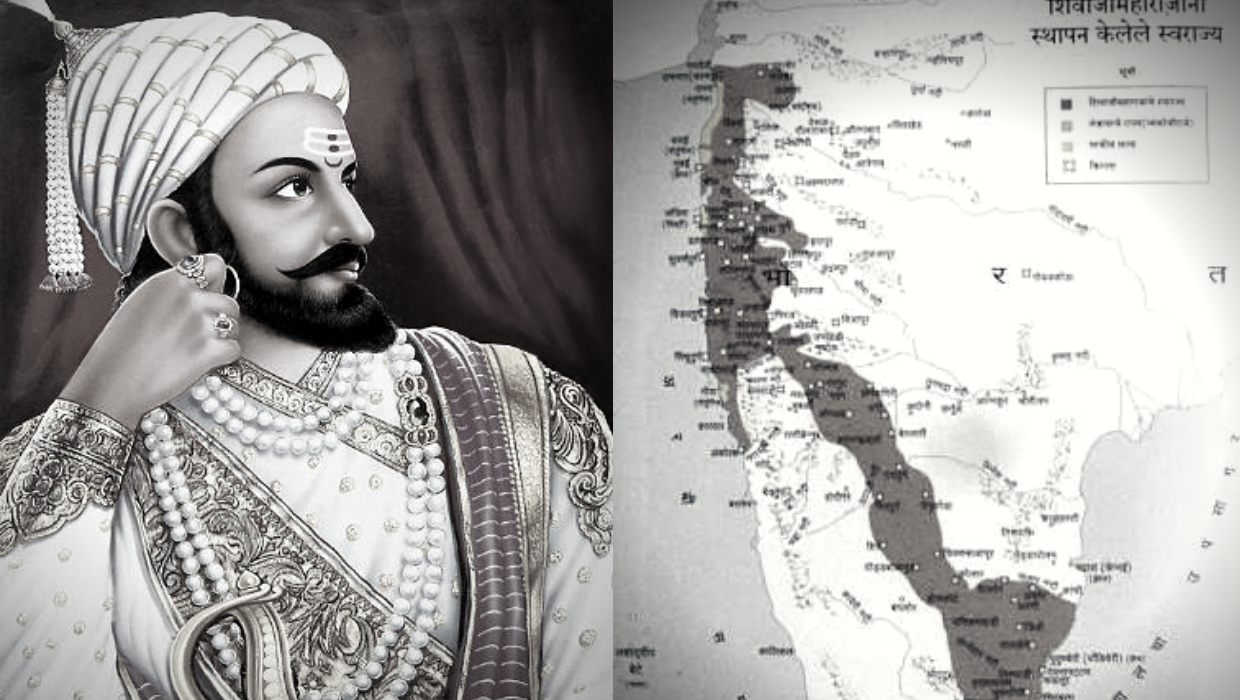
Although Shivaji was born in a Shudra family, his love and respect for Sanatanadharma was immense. In his letters to Aurangzeb, he uses his honorific titles tha...
It is because the fundamental root of Hinduism is Adhyatma (spirituality, self knowledge, study and evolution of oneself) that we have been elaborating all this...
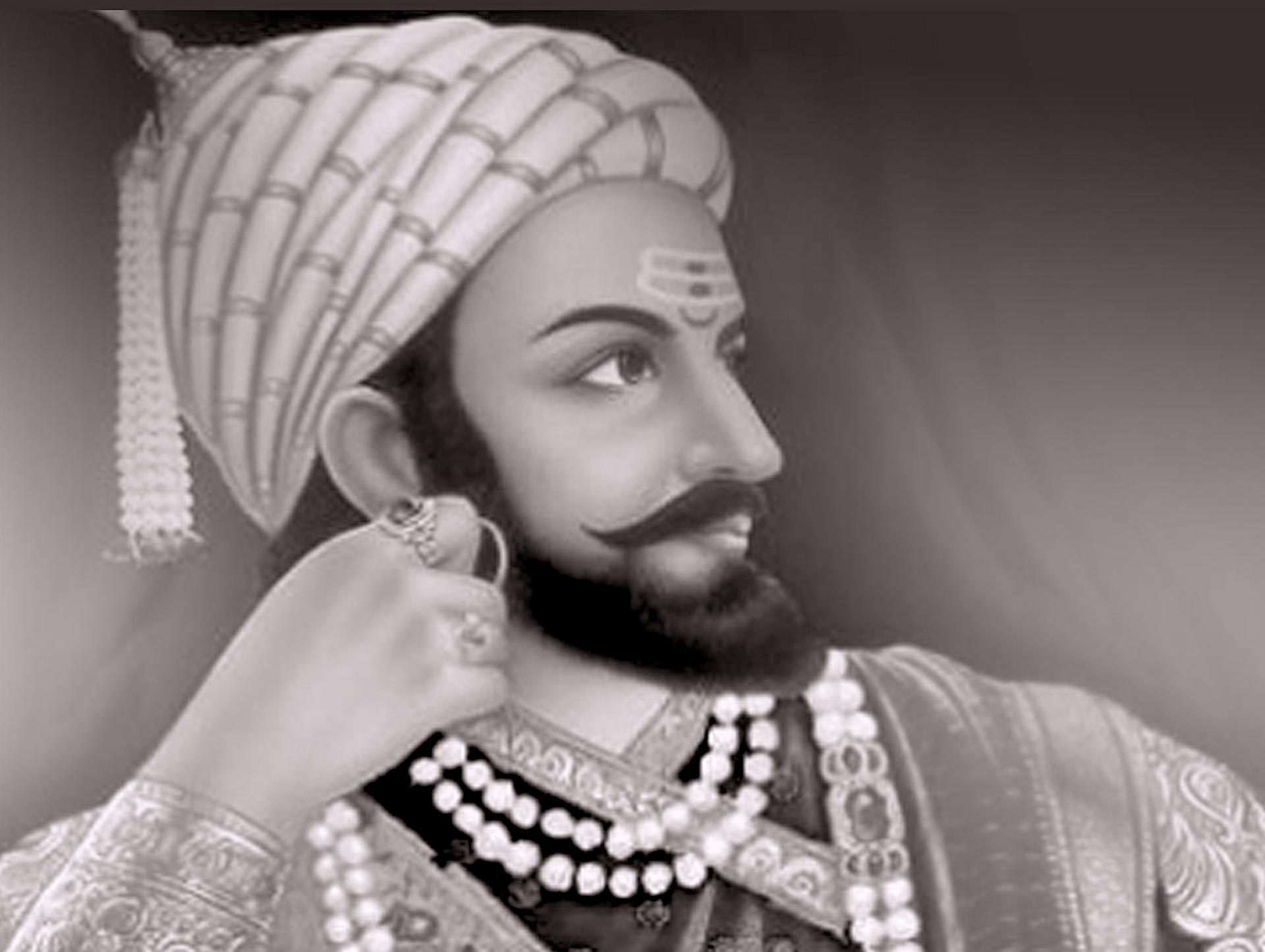
The next great landmark of the tradition of the spirit of Kshatra is available in South India. He is the lodestar of Hindu Dharma, Chhatrapati Shivaji. Shivaji...
In a work that begins in this fashion, Bhagavan Veda Vyasa throws up his hands helplessly in despair in the end, expressing his dejection. The lesson that strik...
Love of Scholarship On another occasion I was walking on the Shankara Matha street from the south of Shankarapuram. An assembly had gathered in the front veran...
As lecturer of Sanskrit Literature at the Central College, Sri Chappalli Visweshwara Sastri earned the gratitude and respect of numerous students. His recitatio...
Tiger’s Mouth Let’s now return to the marriage hall. It was a festival of five or six days. Whether he went to the marriage hall or to the temple, Sri Chappall...
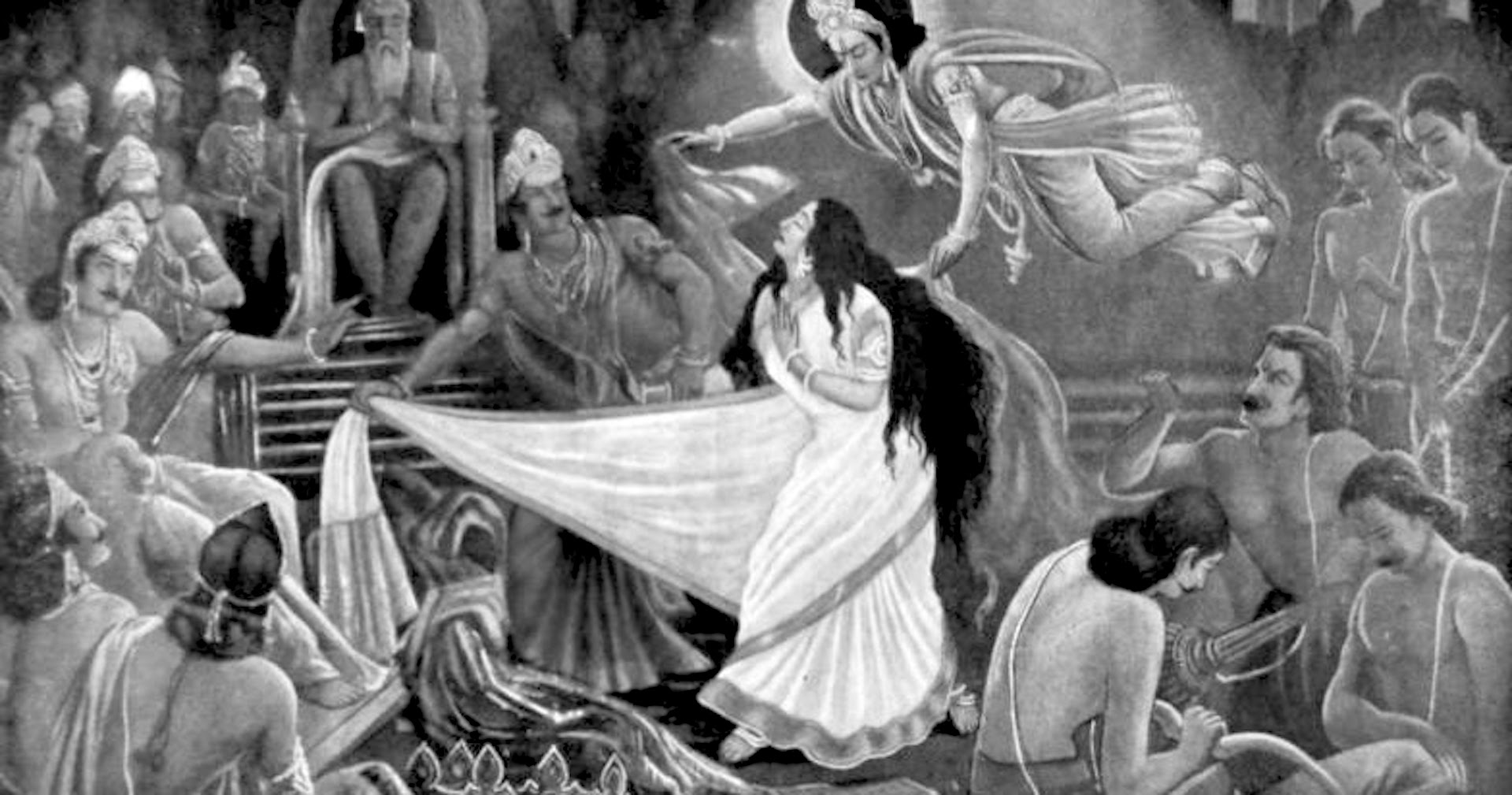
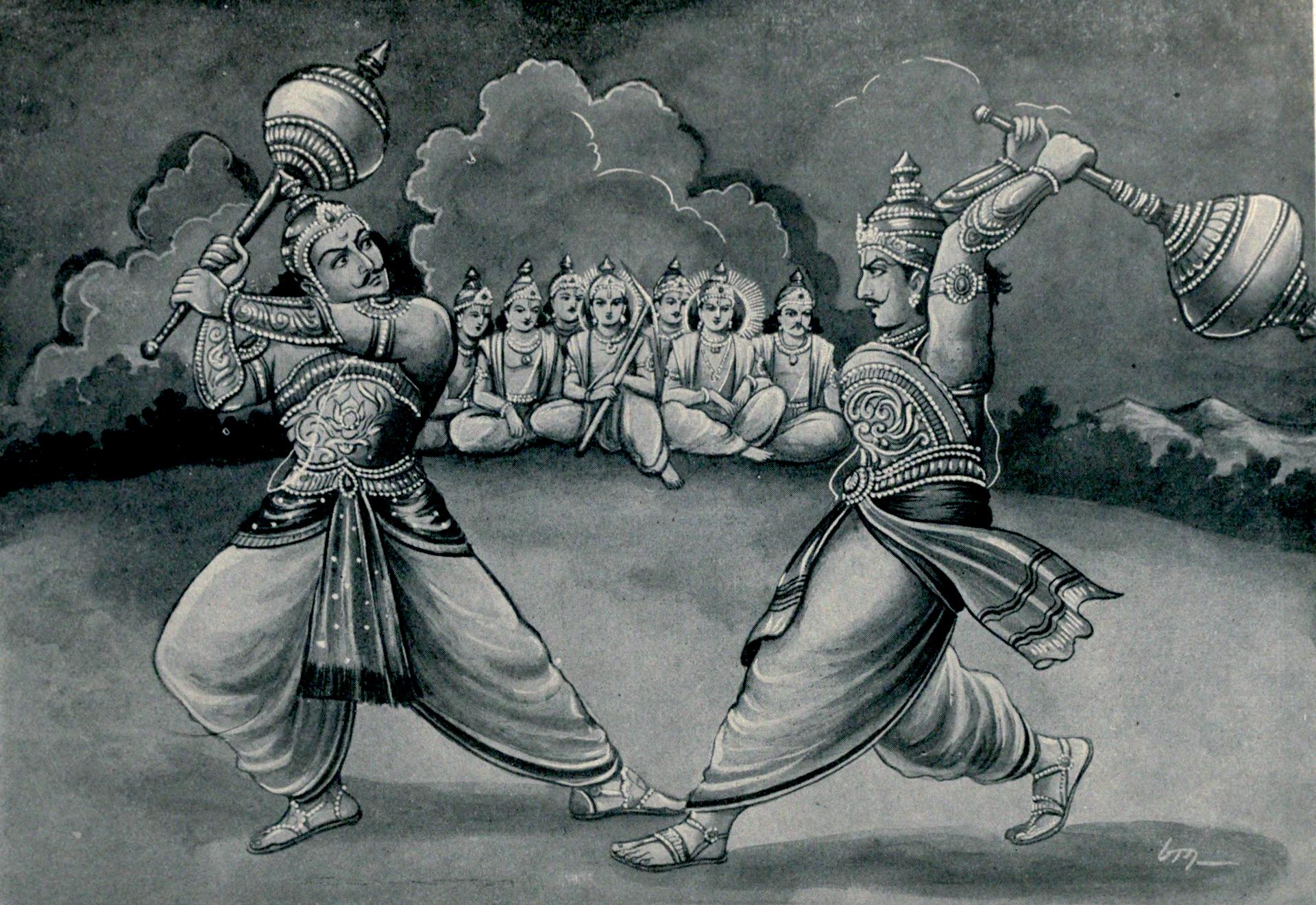
Complexity of Characters This selfsame impulse is visible in the characters of Duryodhana and such others in a tangential fashion. Nobody regards Duryodhana an...
Sometime in 1898-99, my Sanskrit Guru, Sri Kashi Raghavendracharya addressed about four or five of his disciples thus: “Hey! In four or five days from now, Sri...
The Philosophy of Virtue is Worth Pursuing The Mahabharata continues to occupy a preeminent place because it offers the great ideal of the elevation of one’s c...
Characters are Akin to Shadows The principles and tenets symbolized by the Devas and the Asuras in the Vedic lore have been clearly, vividly unraveled in the c...
yadihAsti tadanyatra yannEhAsti na tat kvacit || (Adi Parva: 56:33) That which exists in the Mahabharata exists everywhere in the world. That whic...
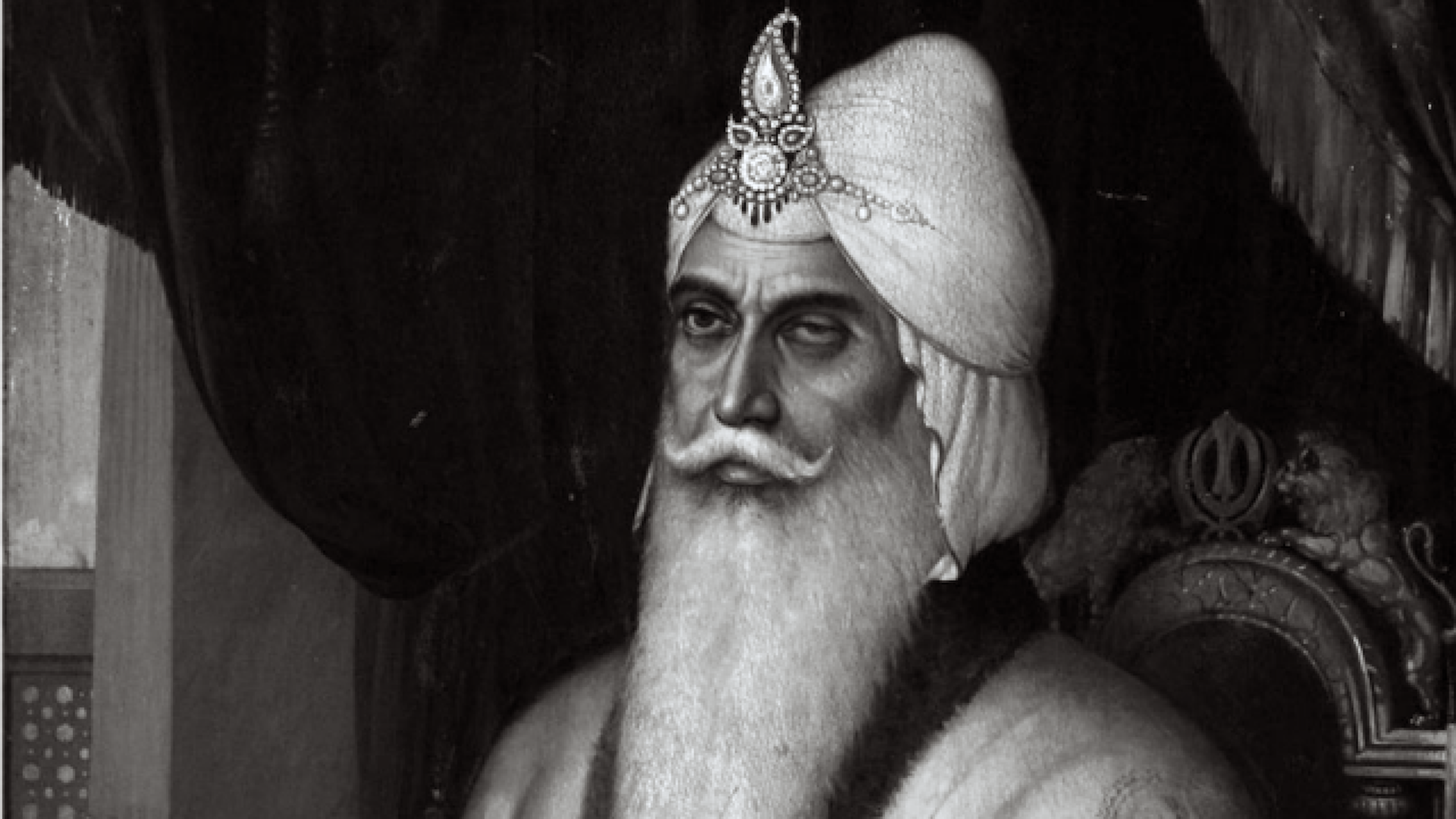
Maharaja Ranjit Singh stands in the forefront of this great Sikh warrior tradition. It was Ranjit Singh who reestablished Sanatana Dharma in the North Western r...
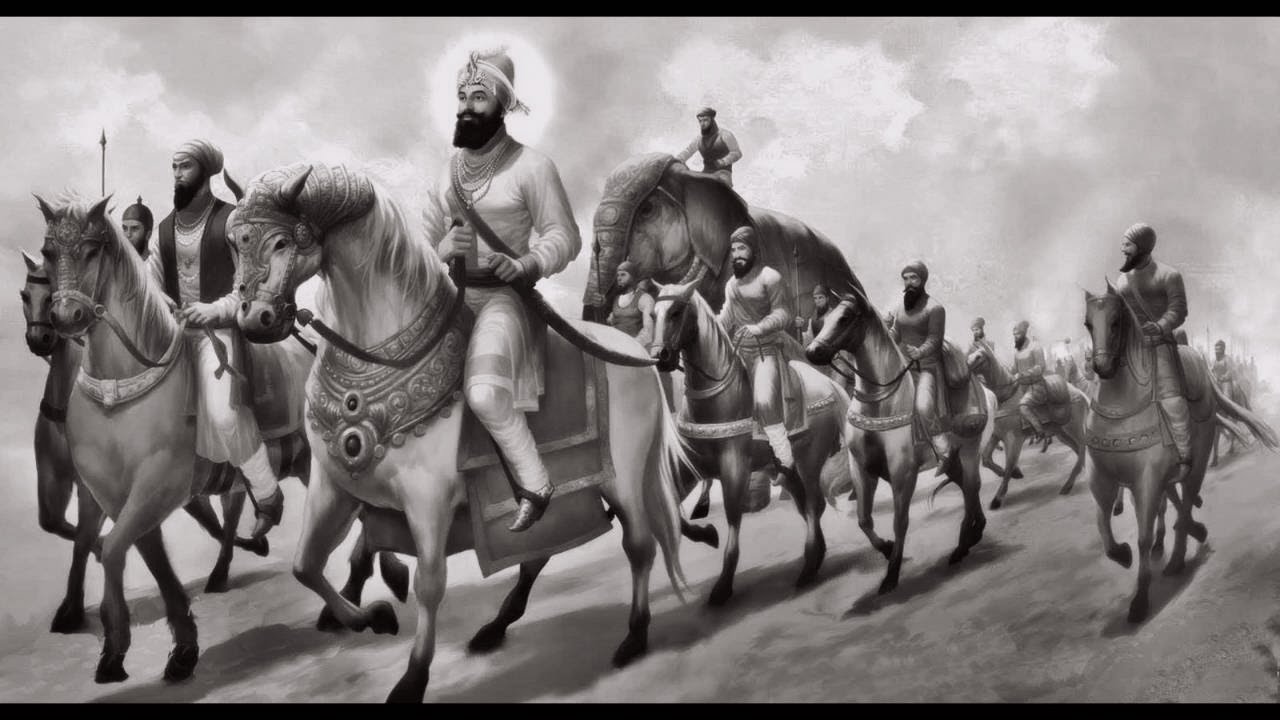
Deeply pained at the persecution and suffering of his children and followers, Gobind Singh decided to form a separate sect in order to fight the Mughals. This w...
Aurangzeb attacked Kashmir and attempted to kill all the Kashmiri Pandits. Struck by the fear of death, they requested the king of Kashmir to surrender the king...
Some historians have expressed a doubt that Maharana Pratap Simha wrote a letter of surrender in his last days. However, this has not been established conclusiv...
Hemachandra Vikramaditya: The Emperor Deprived of Fame In the history of India, there have been a few decisive wars. The Battles of Panipat also form a part of...
Kunigal Sri Rama Sastri[i] had once embarked on a pilgrimage to Rameshwaram. Maharaja Krishnaraja Wodeyar III had made all the necessary arrangements for the sa...
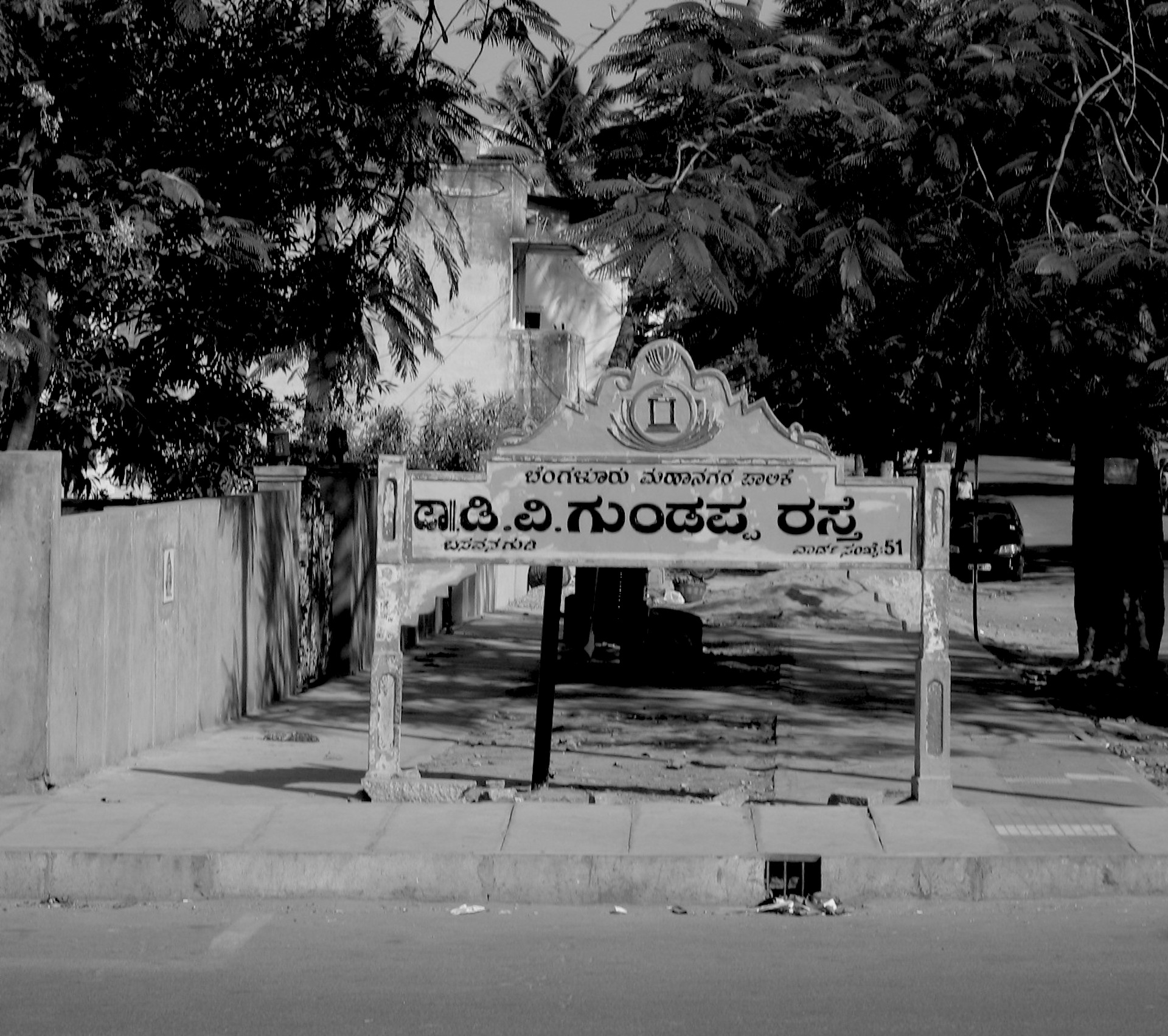
Diwan Gundopanth Road[i] in Bangalore lies to the north of City Market when we traverse from Arcot Srinivasacharlu Road towards Doddapet. The word “Diwan” has b...
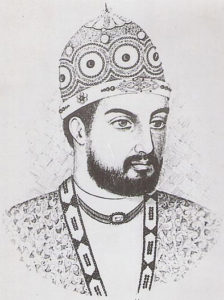
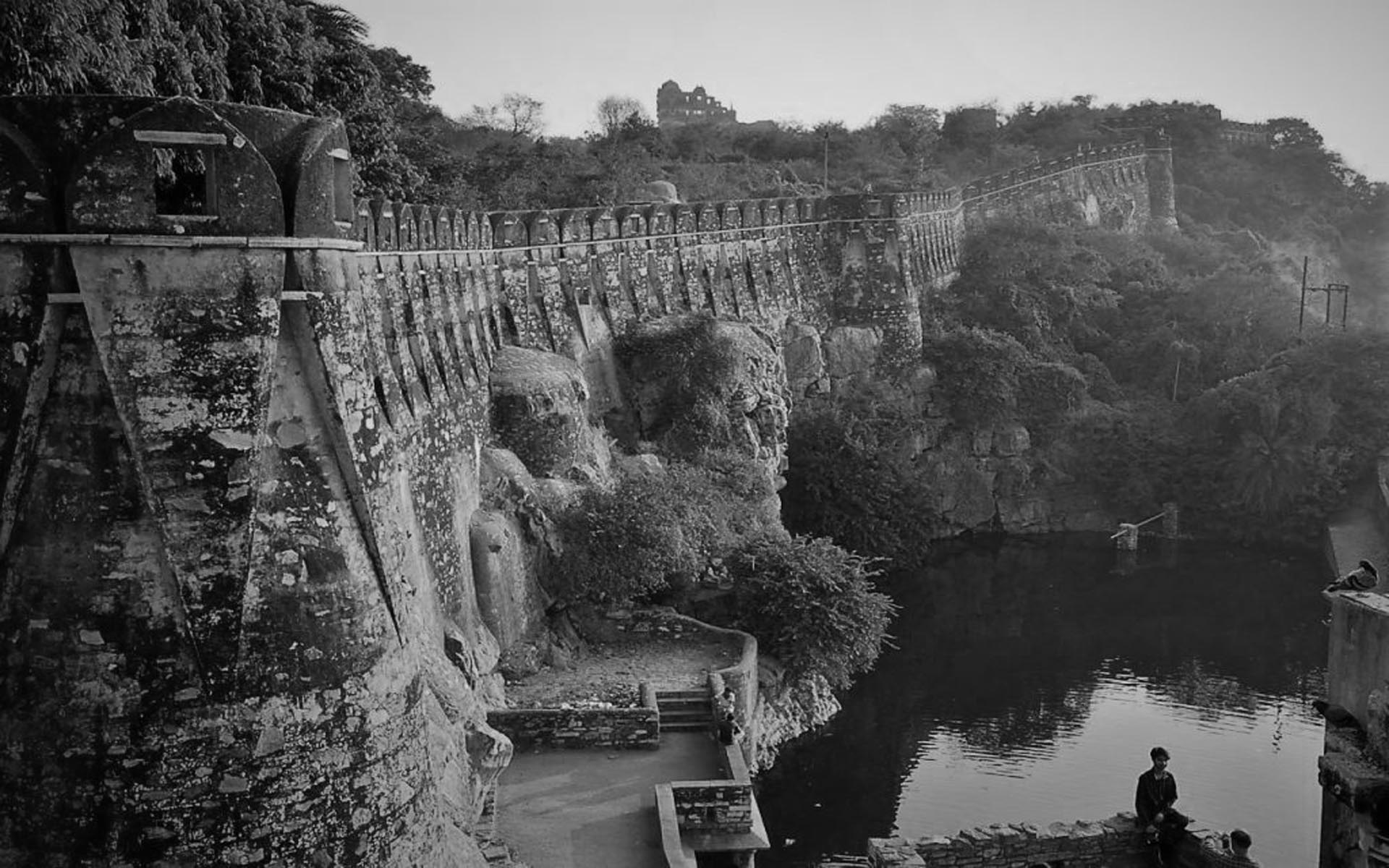
Ala-ud-din Khalji raided Chittorgarh and took its king Raja Ratan Singh as his prisoner. Rani Padmini was the wife of this same Raja Ratan Singh. Khalji pretend...
Among the Sanskrit Vidwans whose patronage I sought, it was Sri Motaganahalli Sankara Sastri who showered me with love and affection. There was no other Vidwan...
When this was the perilous condition of Sanatana Dharma, it was the Rajputs who faced the aggression unleashed by Muslims. The history and contributions of the...
Sri Mahadeva Sastri was the elder brother of Motaganahalli Sri Sankara Sastri. Even he was highly accomplished in music and literature. Every Ekadashi a B...
Malik Kafur came to Devagiri, which was at the forefront of South India. Ramachandra was the king of that region. Initially, all of Malik Kafur's ruthless attac...
Our 'leaders' and 'intellectuals' have turned a blind eye to the rampant whitewashing of the atrocities committed [by the Muslims]. And so, we can observe a few...
A Muslim could silence a Hindu as per whim and hurl abuses on him without any repercussions. And as for a Hindu, he had to quietly swallow all humiliation witho...
Prithviraj was the last Hindu king of Delhi. It was he who originally had the Red Fort built; scholars opine that it changed due to the Islamic invasions. Base...
K M Munshi writes in his preface to the fifth volume of the History and Culture of the Indian People, “The year A.D. 1000 was a fateful year for India. In t...
From here onwards we shall specifically focus on the nature of the barbaric assault on India by the Islamic forces from West Asia and its unfortunate results; i...
Ill-will between the Mathas I’ve already mentioned that there were two Madhva Mathas in Mulabagal. There arose a cause for ill-will between the two. I’ve also...
We have recounted in an earlier episode[i] that the Madhva Brahmanas of Mulabagal depended on the land grants given to them in the ancient times for their livel...
After the demise of Prataparudra, it was the Reddy Kings who faced Muslim invasions in Andhra. Prominent among are Vema Reddy and his younger brother, Malla Red...
Translator’s Note: In this essay, Sri D.V. Gundappa recalls the lives and times of some renowned Vidwans in the Chamarajapet locality in Bangalore. The Vidwans...
Then we notice the ascent of the rule of the Nayakas in Tamil Nadu. This royal branch was a part of the Vijayanagara Empire itself. After the Cholas, the Pandya...
And then Rajendra Chola arrived on the scene. He has been known by such various honorifics as Gangaikonda Chola, Gudigonda Chola, Kadaramgonda Chola and Pandita...
Sri Hariyappacharya Swami was a truly magnanimous person who extended patronage, patience, and friendship towards other sects. He did not prohibit the Sahapankt...
There was a large population of Madhva Brahmanas in Mulabagal. The locality they lived was divided as the Upper and the Lower Agraharas. In total, there were ab...
The name Nrpatunga has a pre-eminent place in the hearts of the Kannada people. He has gained such fame because of the treatise Kavirajamarga, which he composed...
The Anjaneyaswamy Temple of Mulabagal is extremely famous. Folks from the Mysore-Bangalore region who went on a pilgrimage to Tirupati would typically travel vi...
And now we can turn our focus towards the Vijayanagara Empire which was ruled by the four royal dynasties of Sangama, Saluva, Tuluva, and Aravidu. Among these,...
Pre-eminent among the kings of Karnataka is the Kalyani Chalukya emperor, Vikramaditya VI. He was the son of Someshwara I. Fortunately, he had the poet Vidyapat...
My first Sanskrit Guru was Sri Kashi Raghavendracharya. Although there were numerous Sanskrit Vidwans in Mulabagal, there was no formal Sanskrit Patashala (Scho...
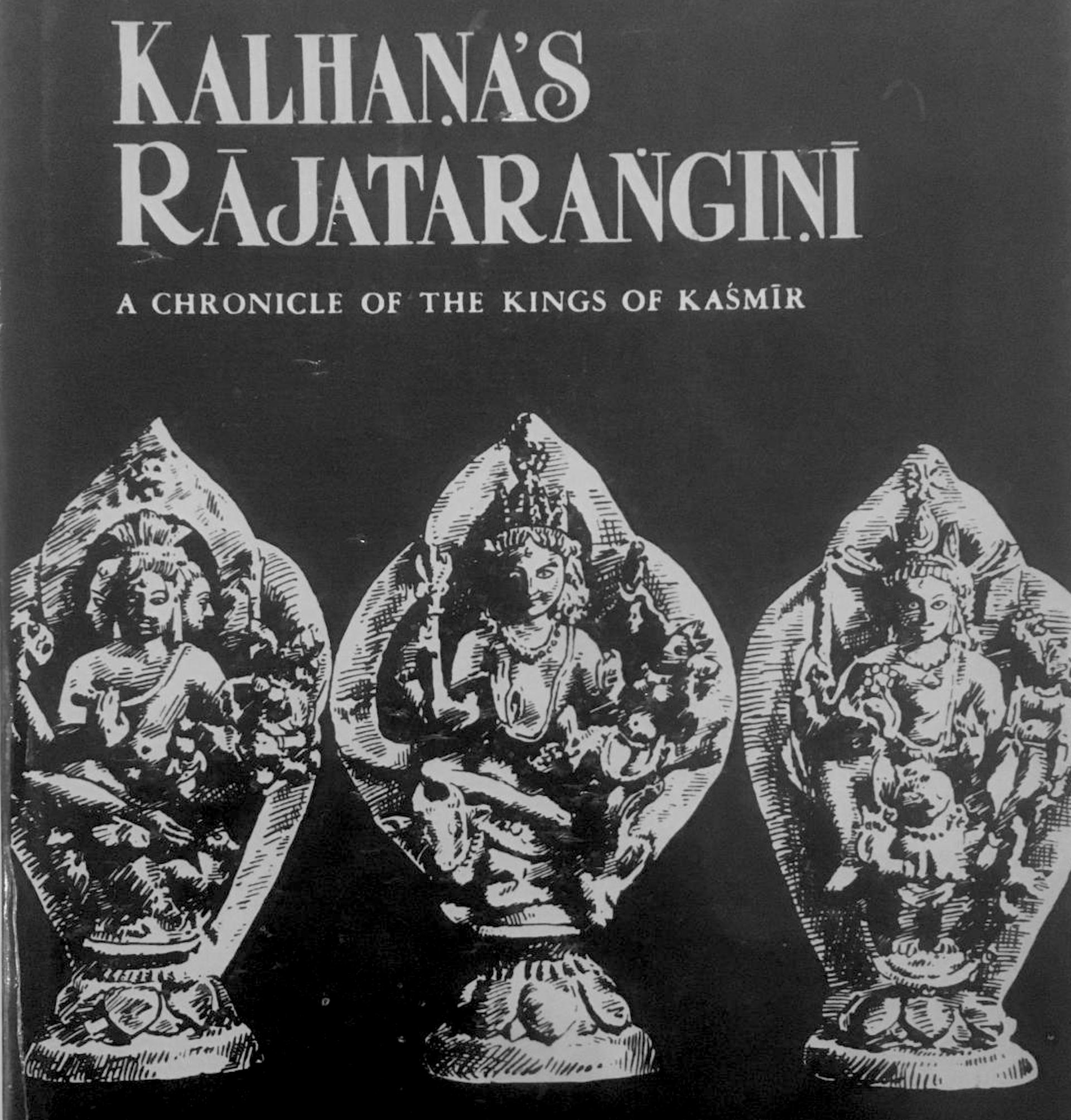
Kalhana in his Rajatarangini (11th Century CE) has written about Chandrapida, the ruler hailing from the Karkota dynasty. He was renowned for delivering justice...
Age of Glory In the recent writings on Indian history, there are several episodes and events that have been given undue respect and importance. Several details...
From what I’ve heard, Sri Vasudeva Sastri hailed from Doddaballapura. His Highness the Maharaja of Mysore bestowed upon him the title of “Vidyanidhi” (literally...
The Shield of the Senas Ramapala was the last of the Pala emperors and he was overthrown by the rise of the Senas, who were kshatriyas from Karnataka. The forem...
This episode of the tradition of Kshatra in India expounds on the blazing trail of glory left behind by the Pala Dynasty ruling primarily from Bengal.
Any Empire that firmly sustains for at least 220-250 years can be called a successful Empire. A protracted and vigorous rule over a geographical spread roughly...
After Krishnadevaraya’s death, Achyutaraya just managed to run the kingdom. He wasn’t particularly competent. And by the time of Ramaraya, the kingdom had compl...
An emperor as powerful as Pulakeshi II had to face numerous struggles during his last days. His brother “Kubja” [Short] Vishnuvardhana would repeatedly rise in...
- 1 - Sri Subbabhatta Mulabagal Sri Subbabhatta hailed from a lineage of Raja Purohitas (Royal Purohitas) and belonged to the Badaganadu subsect. He w...
Sri Chandrashekhara Sastri belonged to the Hulusukamme (or Ulucukamme) Brahmana subsect hailing from Srinivasapura. He arrived in Mulabagal as the Headmaster of...
Badami Chalukyas Another great luminary whom we must consider alongside Harshavardhana is Immadi Pulakeshi (Pulakeshi II). He belongs to the Badami Chalukyas. H...
The fact that Shiladitya Harshavardhana developed greater fondness towards Buddhism in his later years is evident from his own writings. Three Rupakas whose aut...
My Thread Ceremony Sri Venkatarama Bhatta urged my grandfather and my younger grandfather to perform my Thread Ceremony as early as possible. It seems...
In the later part of the Gupta Era, we see the rise of Sthaneshwar, which is on the banks of the Ganga. It lies between Ambala and Delhi, near Kurukshetra. A gr...
Sri Shivashankara Sastri On occasion, Sri Shivashankara Sastri and Pocambhatlu Narasimha Sastri would visit our home to perform Homams and other rituals. I mus...
In this discourse about the tradition of kṣātra in India, at every step, the storyline goes up and down, backwards and forward. It is my desire that a...
Nivrutti Tippa Bhatta Sri Venkatarama Bhatta’s wife, the Revered Mother Akkayyamma hailed from Mudiyanoor, an Agrahara[i] populated by the Vaidika Brahmanas of...
Kumaragupta   Some of the so-called historians in an attempt to tarnish the Gupta Empire have made ridiculous attempts claiming “Kumaragupta had absolutely...
If there’s anything good in my life, Sri Vedamurti Venkatarama Bhatta is one of the people responsible for it. He is akin to my grandfather. Sri Annambhatta an...
An entire galaxy of eminences in Astronomy such as Brahmagupta, Varahamihira, Aryabhata and Bhaskara I belonged to the Gupta Era. A major benefit that ensued as...
A Tragic Episode At the time of my grandfather’s death, Sri Venkatarama Bhatta was among the four or five other people—including my father and younger...
We must observe the magnanimity of the Gupta period. This open-mindedness and magnanimity springs from Sanātana dharma and the people of that era had truly gras...
Ancient Indians travelled widely abroad. They carried out trade with several countries. It was not just the traders and businessmen who travelled widely but peo...
If some amount of inertia has crept into the framework of Sanatana Dharma in our age, the responsibility for reinvigorating it falls squarely on our shoulders....
Several historical evidences including some coins attest that Ramagupta assumed power after the demise of Samudragupta. We also have a play titled Devichandragu...
Now, a tragic episode. Sri Venkatanarana Bhatta’s wife (I think her name is Smt Venkamma. I can’t clearly recollect it now) hit upon a plan that seems bizarre....
Sri Venkatanarana Bhatta hailing from Mulbagal was a relative and a disciple of Sri Venkatarama Bhatta. His speech was affected with mild stammering but that di...
Buddha approved of and loved both the system of republics as well as the system of monarchy. He himself came from a republics establishment; he belonged to the&...
Samudragupta had a wife named Dattadevi. Ramagupta and Chandragupta Vikramaditya were their sons. We are fortunate to know their names and other details fr...
The multi-volume History and Culture of the Indian People, a definitive work authored by numerous scholars, contains the most accurate and clear history of the...
Earlier in this series, I had written about my maternal grandmother Sakamma. Naranappa was her husband. I’m unaware of how he was transferred to the Mulubagil...
The preeminent name among the Gupta Dynasty is Chandragupta I. He was the son of Ghatotkachagupta. He had married Kumāradevī of the Licchavi clan. Subsequently,...
Gupta Age, Indian Classical Age, Kshaatra, Hinduism, Warrior Spirit, Srigupta, Ghatotkachagupta, Vaishya, Gupta Dynasty
Sri Ananta Sastri had distinguished himself as one of the most prominent (Classical) musicians of Bangalore. He possessed an extremely manly voice in both singi...
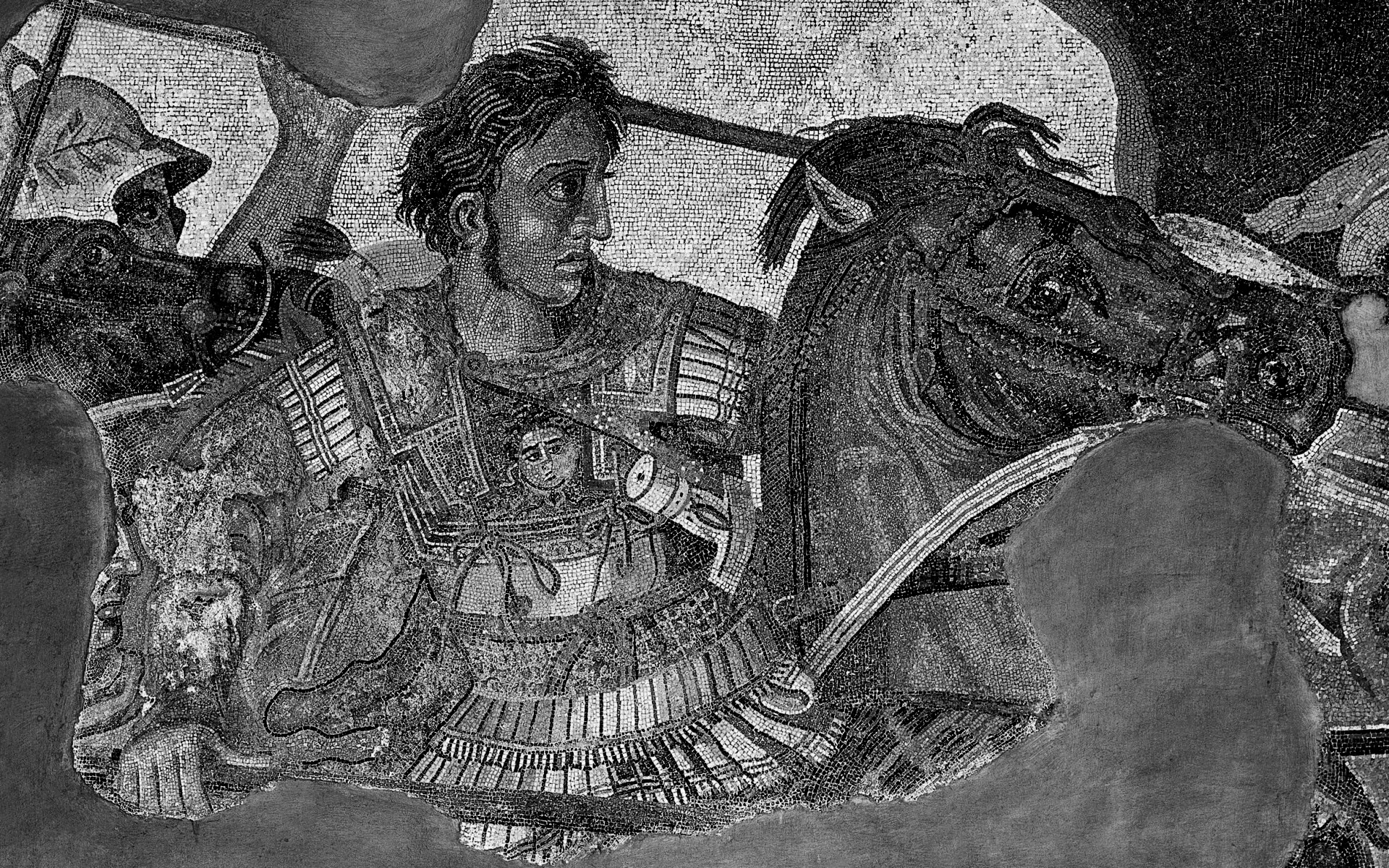
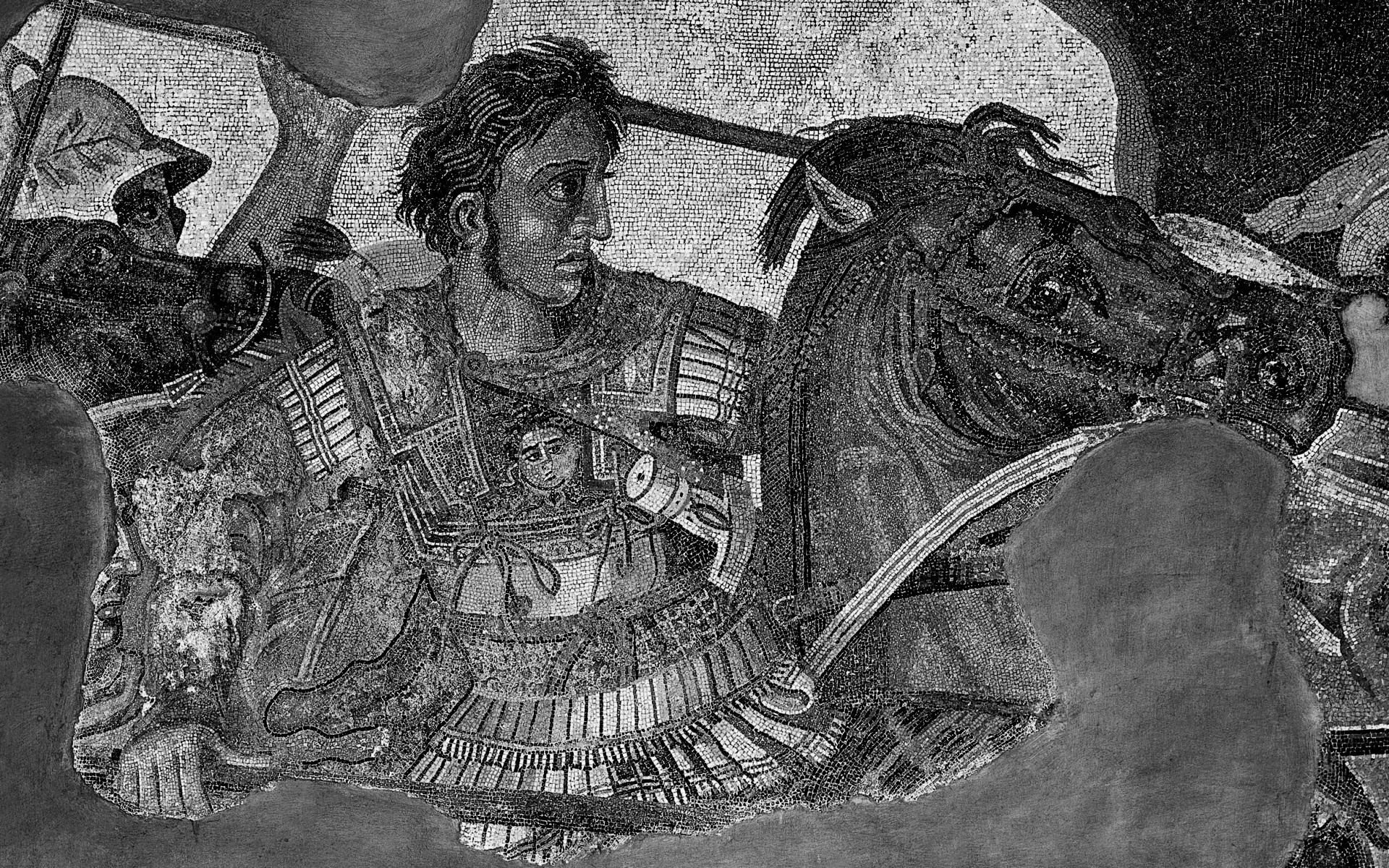
Pushyamitra Shunga tried to liberate Bharata’s lands under Greek occupation. The Greek invasion that began with Alexander continued till the time of Menander. T...
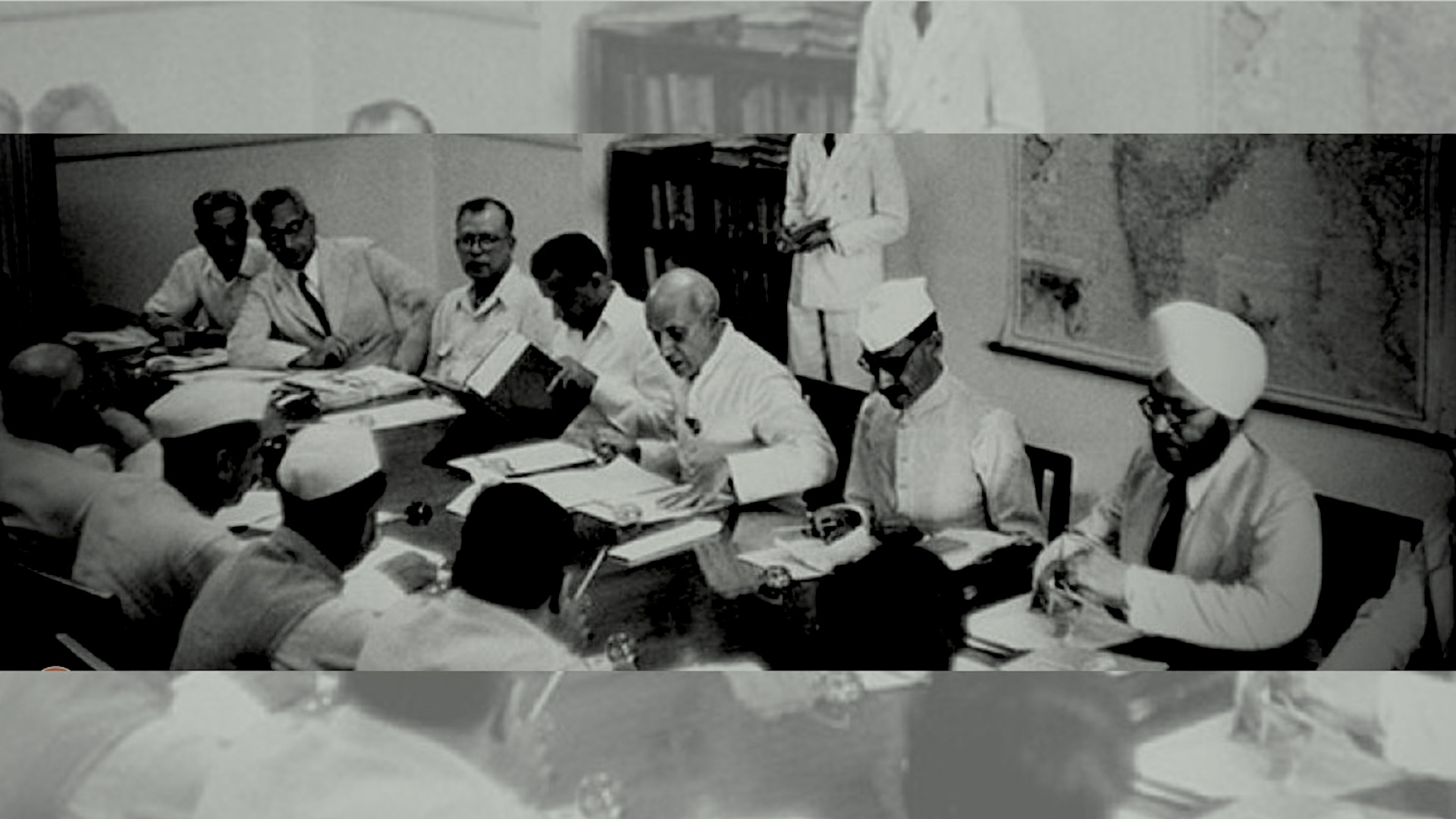
Around 1925-26, I had been to Delhi to undertake a political study--to gain knowledge about the condition, status, and the future of India's Princely States. I...
Marxist-Communist historians claim that because Pushyamitra Shunga was a brāhmaṇa, all events that occurred during his period were merely the revolt of brāhmaṇa...
Among Ashoka’s numerous children, Tivra, Mahendra, Kunala, and Jaluka were prominent. The Vāyu and other Purāṇas contain several details about this. Among them,...
A few Chinese travellers like It-sing have recorded that Ashoka was a saṃnyāsi and a Bauddha bhikkhu. They also state that they have seen a statue in this form....
Dharmaprakasha Sajjan Rao's [i] home named, “Lakshmi Nivasa” is located opposite the North East side of the Venkataramana Swamy Temple at the Bangalor...
There was a gap of about three hundred years between Buddha and Aśoka. Buddha lived in the 6th century BCE. He was born in 560 BCE. He saw the effulgence of kṣā...
Would somebody ask what’s the relationship between national freedom and poetic inspiration? Those who believe that freedom is related to our individual lives mu...
Extracts from the Preface The profiles and lives of all the people portrayed in this volume deserve our respect at all times. My attempt here is to show how th...
All the historians of the world have unanimously hailed Aśoka. That Aśoka was an ideal king has been widely circulated. In ancient times, no other king, in no o...
The personalities of Chanakya and Chandragupta were of similar eminence, similar spirit; the supreme testimony to this fact is that such a large empire was mana...
Traditionalism Sri Virupaksha Shastri would conduct himself like he epitomized the Shraddha or conviction in the Shastras, Karma, and virtue. Puja thrice every...
Felicitation The India Government awarded the Mahamahopadhyaya title to Sri Virupaksha Shastri. Our [Mysore] Maharaja awarded him the Vidyanidhi honorific. An...
Lessons in Brahmasutra Commentary I had requested Sri Shastri to instruct me in [Adi Shankara’s] commentary on the Brahmasutras[i]. Equally, I had requested hi...
Kautilya absorbed the best from the system of republics; he also brought back the ashvamedha conception of an empire. Both these conceptions have their roots in...
Around 1922, Hanagal Virupaksha Shastri was a Vidwan in the Shankara Matha in Bangalore. He taught Advaita Vedanta. Back then his colleague was “Mimamsakanteera...
This is a translation of the article by Dr S. L. Bhyrappa that appeared in a Kannada daily on September 24, 2006. The currently sensational news in Karnataka p...
Bidaram Krishnappa (1 September 1866 to 29 July 1931) In about 1915, I’d been to Mysore on some work. Then the (Mysore) Palace Controller Ballalacar...
It appears that the God Brahma who was so munificent in bestowing the boon of command over language to Venkatarama Shastri indulged in mischief in the matter of...
The big problem with the system of republics is the constant infighting. Since their vision is so narrow, when there is an attack from an external enemy, these...
An essay by Dr. S L Bhyrappa on how the true history of Muslim rule in India was distorted.
A profile of the life of the legendary Vina musician, Vina Sambayya who performed in the court of Krishnadevaraya Wodeyar III of Mysore.
Of late, echoes of a certain something called "Art Therapy" has been resonating throughout our land. More specifically, there has been an increase in the number...
There was a certain amount of misrule and evil during the reign of the Nandas. A powerful force awoke that would destroy all that evil from the past. That was C...
The concluding part of D.V. Gundappa’s profile of Prof. M Hiriyanna renowned for his scholarship, compassion and spotless conduct.
Second part of the profile of Prof. Mysore Hiriyanna, describing the various facets of his personality, his spiritual elevation and generosity.
The Influence of Alexander (continued) When a great emperor decentralizes a vast kingdom, if he doesn’t use his absolute sovereignty to establish friendly relat...
The Magadha Kingdom With this background, when we see the Magadhan kingdom, we find that the Shishunagas ruled there first. Then came the Nandas. The last king...
Now from the Vedas, Itihasas, and Puranas, we come to the era of reality. As such, there is no separate demarcation that separates our ancient texts from histor...
Profile of Prof M. Hiriyanna, the scholar-philosopher extraordinaire.
There are many references to show that women too were endowed with the spirit of kshaatra. For instance, in the Ramayana, we have the Kaikeyi episode. When Dash...
In the Vedas, alternative words for kshatriya are ‘गोप,’ ‘पशुप,’ ‘शर्धा,’ ‘व्रात,’ etc. The word ‘गो’ has ten meanings of which one of them is ‘earth.’ Other me...
In our tradition, of the lineage of seers, the family that stands out is the Bhrguvamsha (or the Bhargavavamsha). Bhargava was one of the leaders of our country...
Awareness of Kshaatra in Kalidasa Arguably the greatest of poets, Kalidasa, shows clearly in the Raghuvamsha how a kingdom should nurture kshaatra and how it sh...
The Mahabharata was also known as Jaya (victory). By using the word ‘जय,’ Vedavyasa speaks of kshaatra and valor. There, both dharma and adharma are permanent,...
When describing Rama, Valmiki says, “कुलोचितमिति क्षात्रं धर्मं स्वं बहुमन्यते” in the beginning of the Ayodhya Kanda (1.16). Rama opined that kshaatra was the...
The maxims that can be gleaned from the Ramayana and Mahabharata are predominantly destruction of the wicked and protection of the righteous. Investigating into...
In both the Vedas and the Puranas we can see a lineage of seers and kings. Again and again we see a reference to the panchajana in the Vedas; it is a reference...
In the dharmashastras, there are sections exclusively dedicated to raja-dharma that are both specific and elaborate. In the smrtis of Manu, Yajnavalkya, Narada...
In the राजनीति (politics) and युद्धनीति (warfare) sections of the Atharva Veda, there is a prayer – “O deities! Ensure that we don’t have any enemies at all...
In the Yajurveda, we see manifestly the greatness accorded to the essence of kshaatra. An important representative of the essence of kshaatra is the ashvam...
The Age of the Vedas: Indra – a great symbol for kshaatra In the Vedas, Indra has been called Purandara. It means that he is the Indra who destroyed the puras...
Since how long has the spirit of strength and courage been in the world? Indeed for thousands of years. In the Upanishads – the preeminent portion of the Vedas...
The Age of the Vedas: Origin of the word ‘kshatriya’ It is said that the word ‘kshatriya’ comes from the root word ‘kshi.’ Even here, opinions differ. In Yaska...
The Age of the Vedas: Introduction According to the Puranas, there are no more kshatriyas left in the world; नन्दान्तं क्षत्रिय कुलं – with the fall of the Nan...
Bangalore Nagarathnamma hailed from Mysore. She is different from Kolar Nagarathnamma. Kolar Nagarathnamma's mother was Nanjundasani, a renowned scholar and ar...