Caturvidhābhinaya in the Kumārasambhava of Kālidāsa - Part 1
The current series of articles attempts to examine the merits and difficulties in bringing Caturvidhābhinaya in classical literature. The epic poems, i.e., the...
Kālidāsa designs his epic poem as though to bring out the philosophical journey first from the wholly material to the absolutely spiritual. The poem then tapers...
The Birth and Growth of Pārvatī In the next segment of the sarga, the nāyikā of the epic, Pārvatī is born and grows up. The poet employs nineteen verses (31 to...
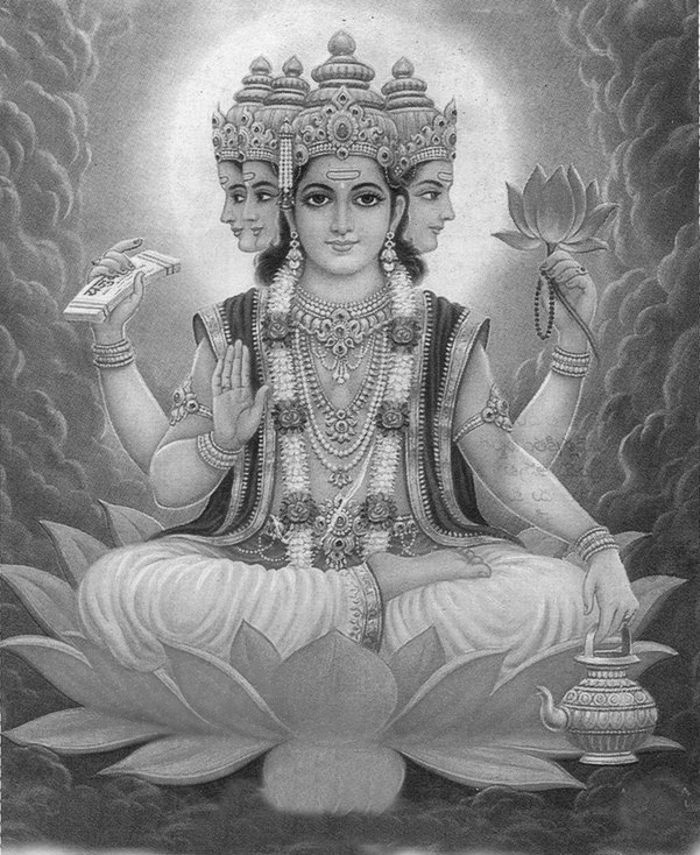
Sagra 2 The second sagra of Kumārasambhava starts with the devas going to Brahmā seeking his help in vanquishing the demon Tārakāsura. In the verse 2.2, the p...
As the devatas had even lost their voice to give words to their trouble, Indra, their leader gets into action; and his action is merely to reverentially pass on...
Manmatha continues to boast of his own skills in the pretext of praising his master: तव प्रसादात्कुसुमायुधोऽपि सहायमेकं मधुमेव लब्ध्वा। कुर्यां हरस्यापि पिनाक...
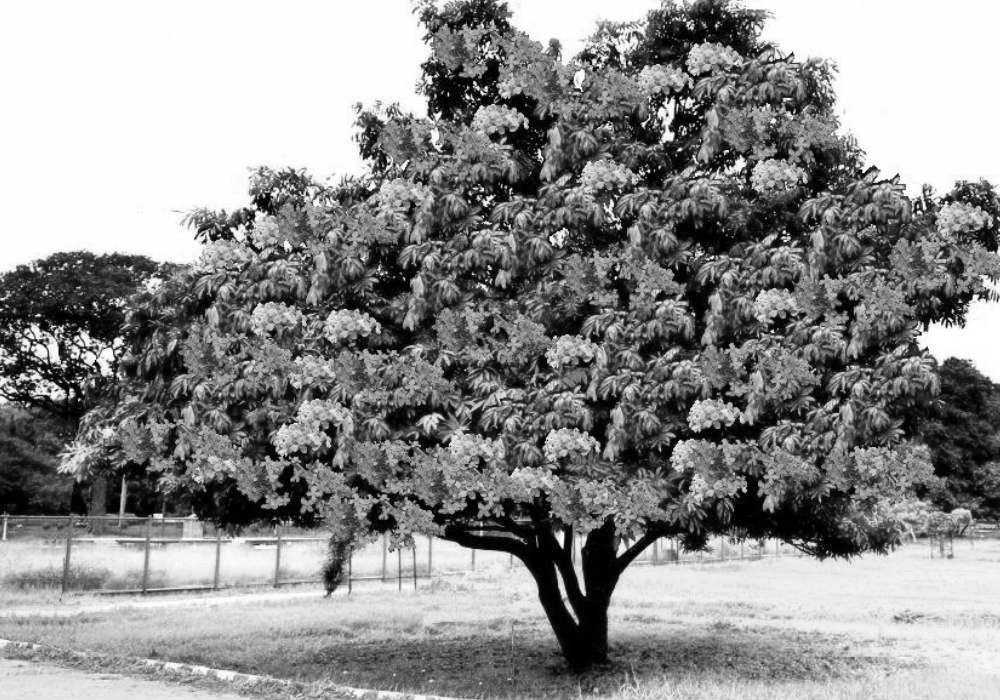
बालेन्दुवक्राण्यविकाशभावाद्बभुः पलाशान्यतिलोहितानि । सद्यो वसन्तेन समागतानां नखक्षतानीव वनस्थलीनाम् ॥ 3.29 The poet continues to paint the āhārya with a...
The next verse in the third sarga of the Kumārasambhavam is yet another instance where the poet takes the opportunity to personify nature and superimpose elemen...
continued from the previous part... Though Manmatha avoided Śiva ’s glance, he has placed himself in a convenient position, such that Śiva was visible to him....