Poets on Poetics: Introduction
Art appreciation begins with learned connoisseurs. Gaining breadth and vision with time, it develops into a well-structured system of aesthetics. Poets and arti...
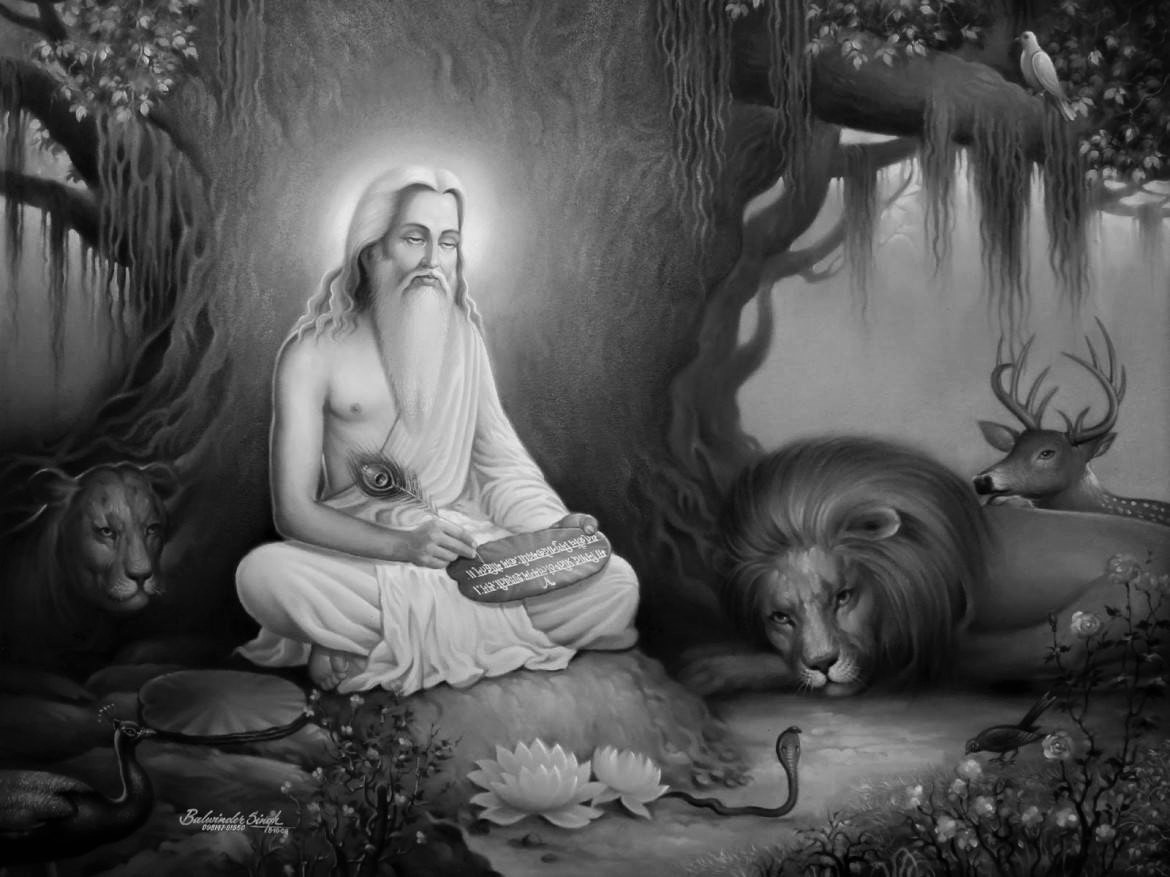
Maharṣi Vālmīki The story narrated in the first four cantos of the Rāmāyaṇa is of great significance to the central concepts of the creative process: poet, poe...
Vālmīki was absorbed in thoughts about his verse when Brahmā visited him: tadgatenaiva manasā vālmīkirdhyānamāsthitaḥ (1.2.28). He was tormented by the impropri...
Rāma savoured the recital amid a large group of literary aficionados: sa cāpi rāmaḥ pariṣadgataḥ (1.4.36). This is arguably the best way to appreciate art becau...
In these verses Vyāsa has succinctly described the central focus of his poem and the nature of its characters. This is the way of great poets: they present the...
In the next verse Vyāsa describes a defining trait of great poets. He intends this as a lodestar of sorts of his work: इतिहासप्रदीपेन मोहावरणघातिना। लोकगर...
At the outset of the Mahābhārata Vyāsa outlines its literary qualities that...
Modern literary theory usually insists that a poet should not come in the way of the natural development of events and characters. If he gets personally involve...
Aśvaghoṣa clearly states that his work is principally a scripture. It is structured as a poem, yes, but that is only a veneer, a convenient pretence. Neverthele...
After introducing the major characters, Śūdraka has gone on to describe the...
Let us have a look at the dialogues before and after this verse. A minor character expresses concern that Kālidāsa might lose face if his play is performed disr...
Unless poetry caters to people with varying tastes, it will not find a strong footing. It naturally follows that the poet should know the ways of the world well...