Shiva-Rama-Krishna: The Three Ideals
In the Indian tradition, the deities Shiva, Rama, and Krishna have been revered by the learned and the lay for millennia. While Rama and Krishna were historical...
Shiva holds the Ḍamaru in one of his hands. This master of laya (dissolution) plays a laya-vadya (percussion instrument). It is said that from the beating of hi...
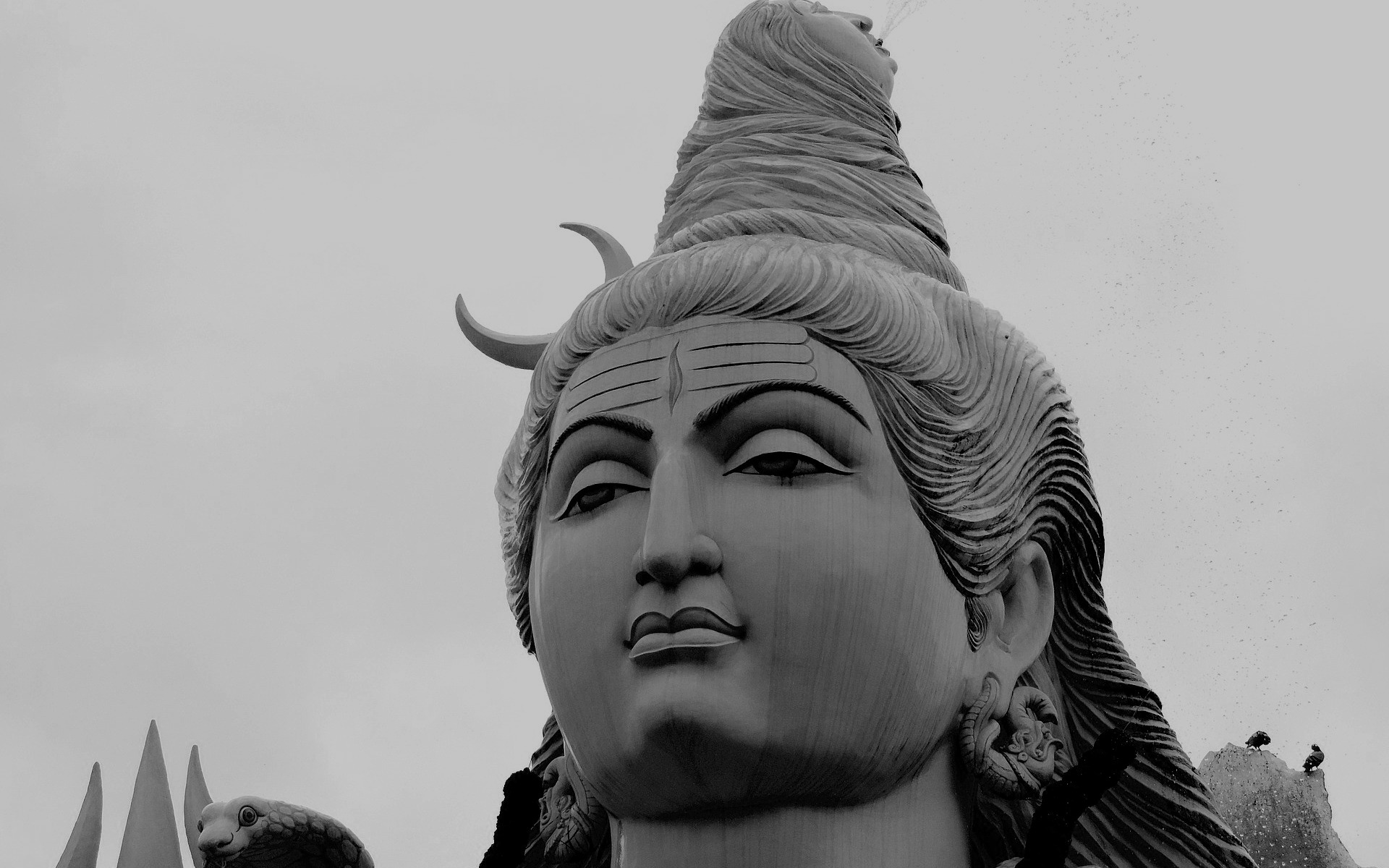
When we discussed about Shiva, a lot of symbols were invoked. Instead of taking Shiva’s form and attributes at face value, we explored the metaphor. The reason...
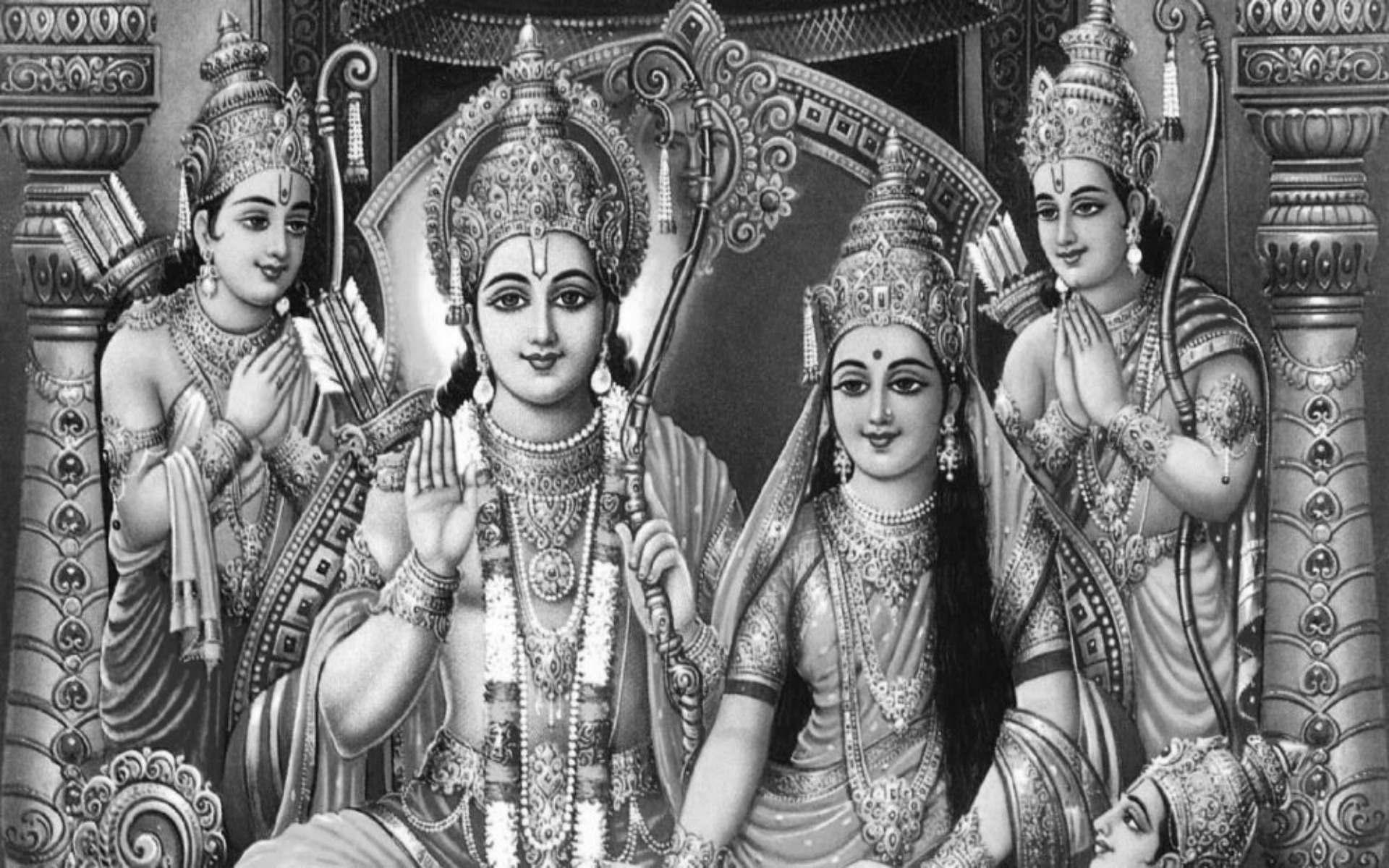
When Dasharatha orders Rama’s banishment, he again rushes to his mother to give her solace. At that moment, Kausalya reminds Rama that the mother is a hundred t...
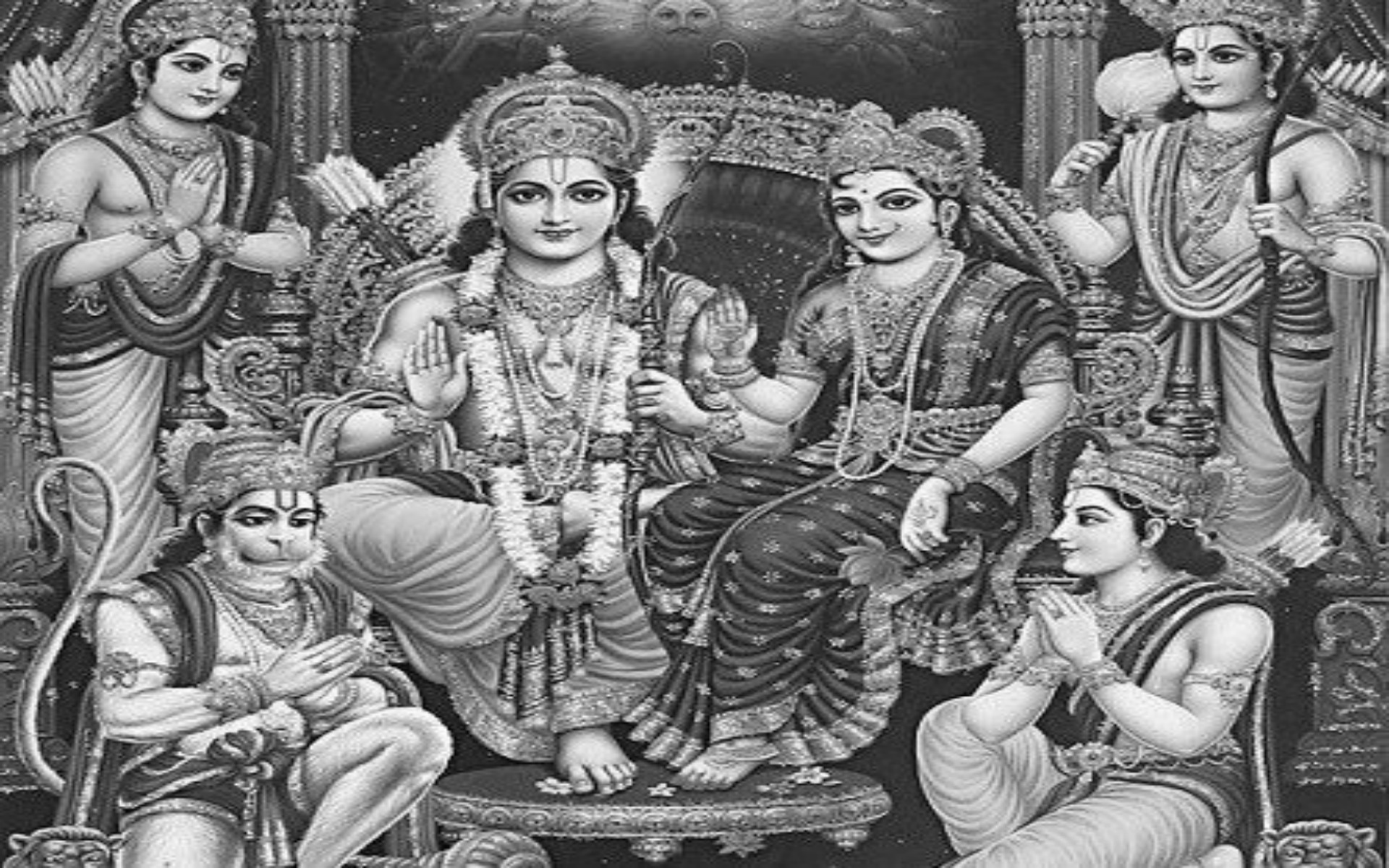
In the Ayodhyakāṇḍa, we see that Rama knew his subjects well and cared about them. He would often meet them and learn of their joys and sorrows. If they were ha...
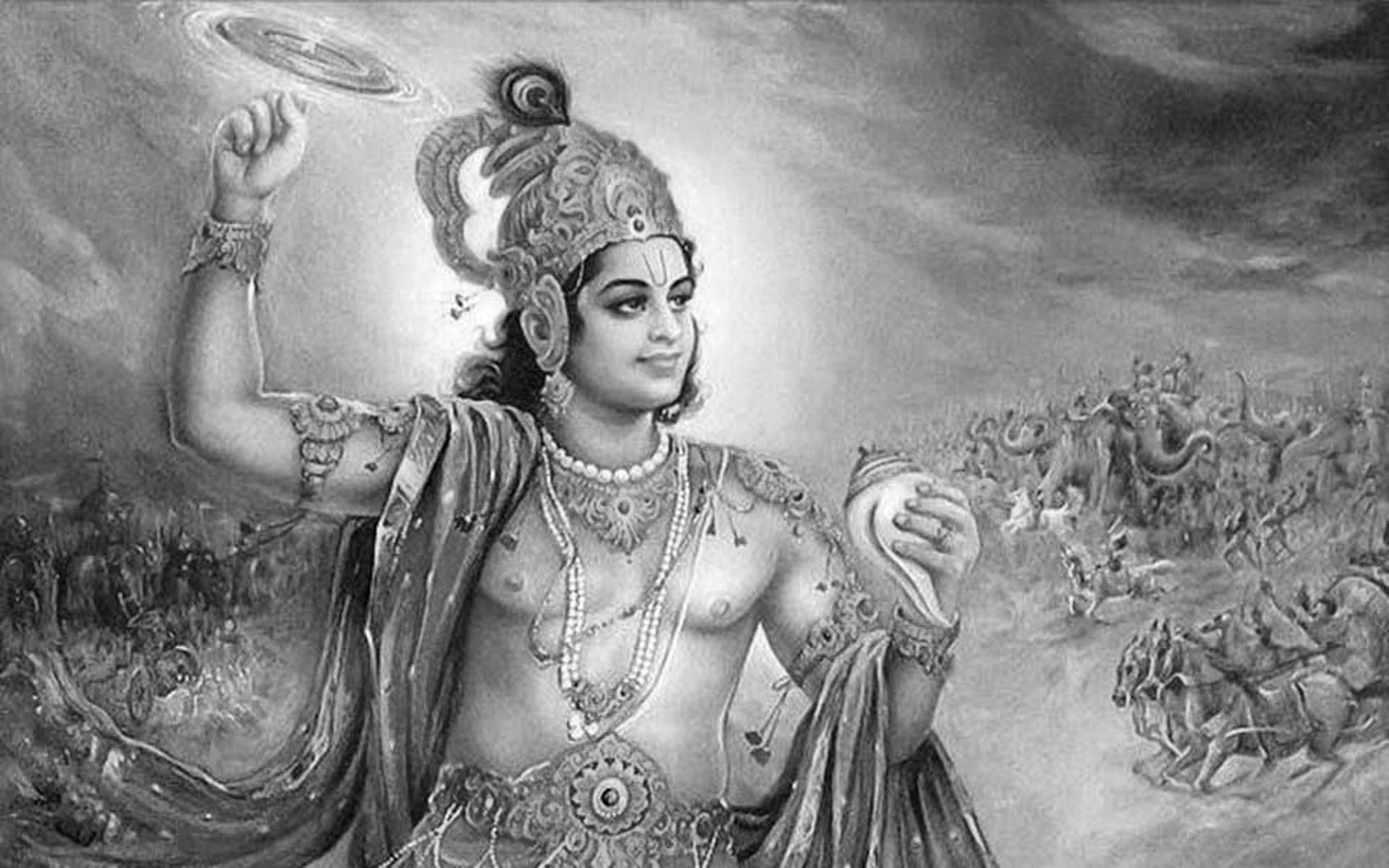
In the previous episodes, we discussed about Shiva being an ideal at the level of the individual and Rama being the family ideal. We will now look at the life o...
Fascinated by the Mahābhārata, Dr. S L Bhyrappa wrote the novel Parva in the 1970s, which narrated the human story of the epic, keeping aside the fantastical el...
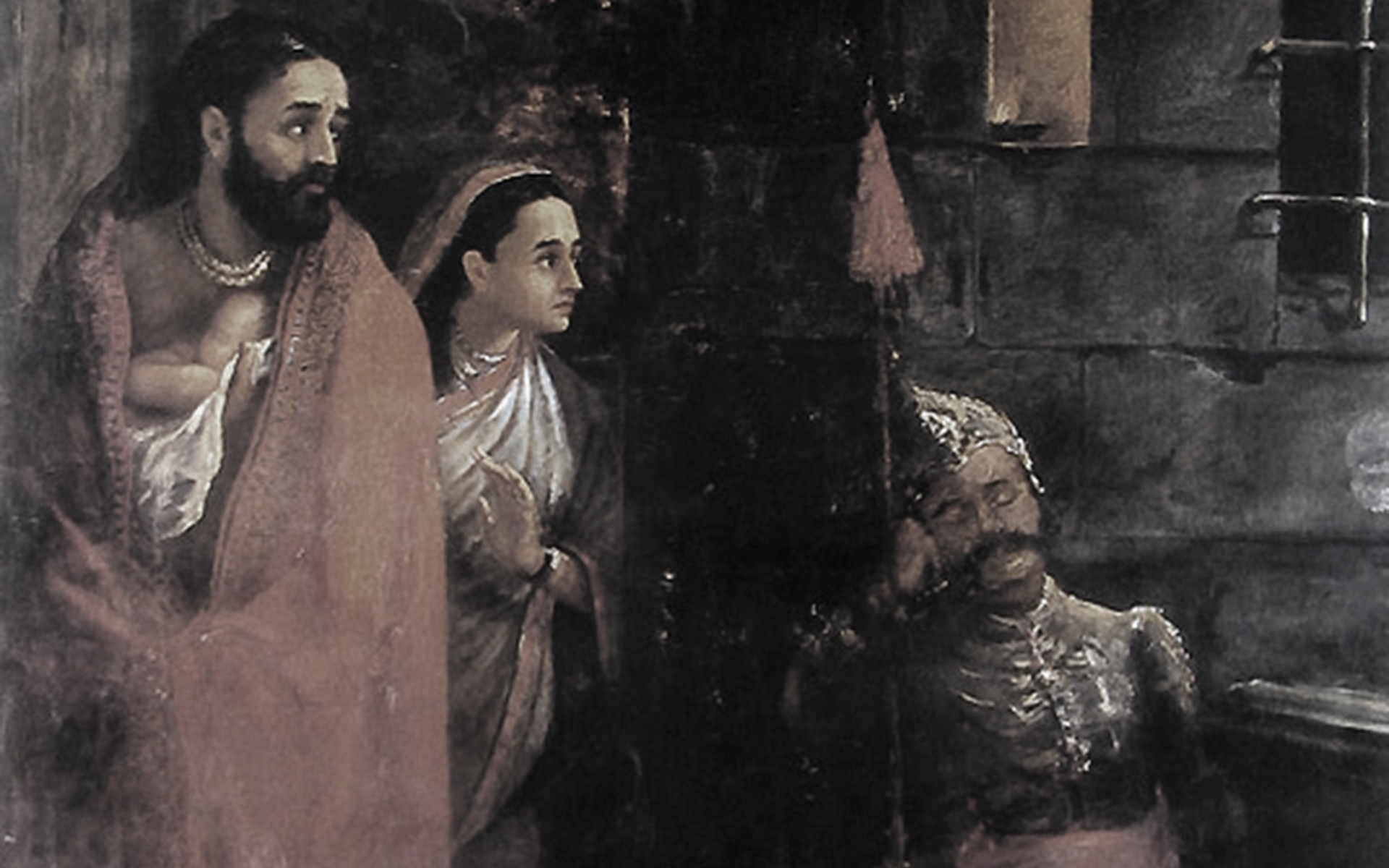
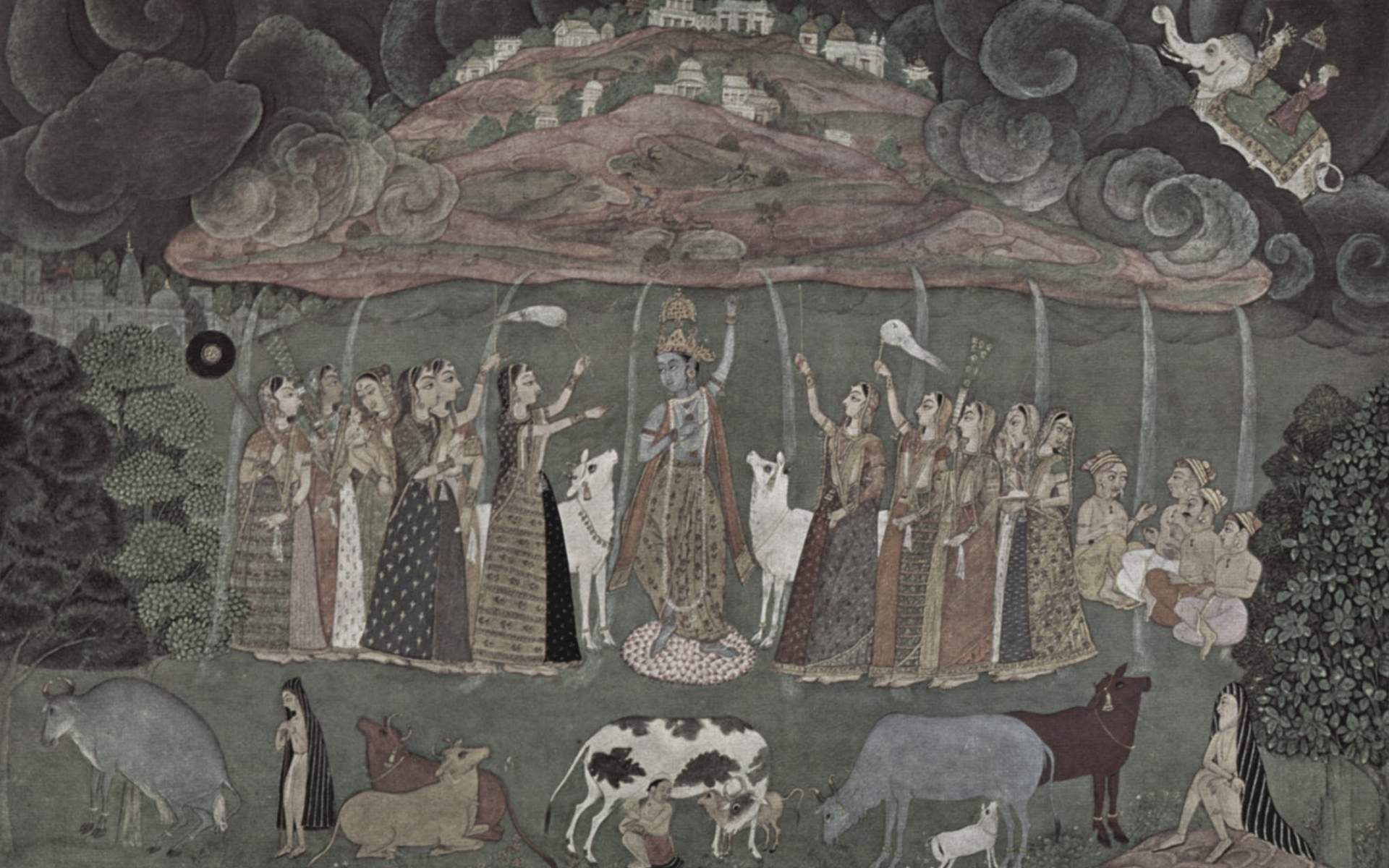
When Akrura comes to Gokula and invites Krishna to participate in the dhanuryāga, he takes leave of his foster-parents Yashoda and Nandagopa, and goes off with...
As individuals, we can be utterly honest and upright. But that will not work at the societal realm. A public figure will have to resort to strategies. We see Kr...
Public life is replete with seeming paradoxes. A person closely involved in the public space cannot be hassled by what other people think about him but if someo...