Philosophy in the Mahābhārata: A Discussion on the Supreme
We have seen earlier that prakṛti undergoes metamorphosis due to the loss of equilibrium of the three guṇas (sattva, rajas, and tamas) and this instability is i...
According to the Gītā, dedicating every activity to the all-pervading brahman or working with divine inspiration is called ‘arcana’ (roughly translated as ‘wors...
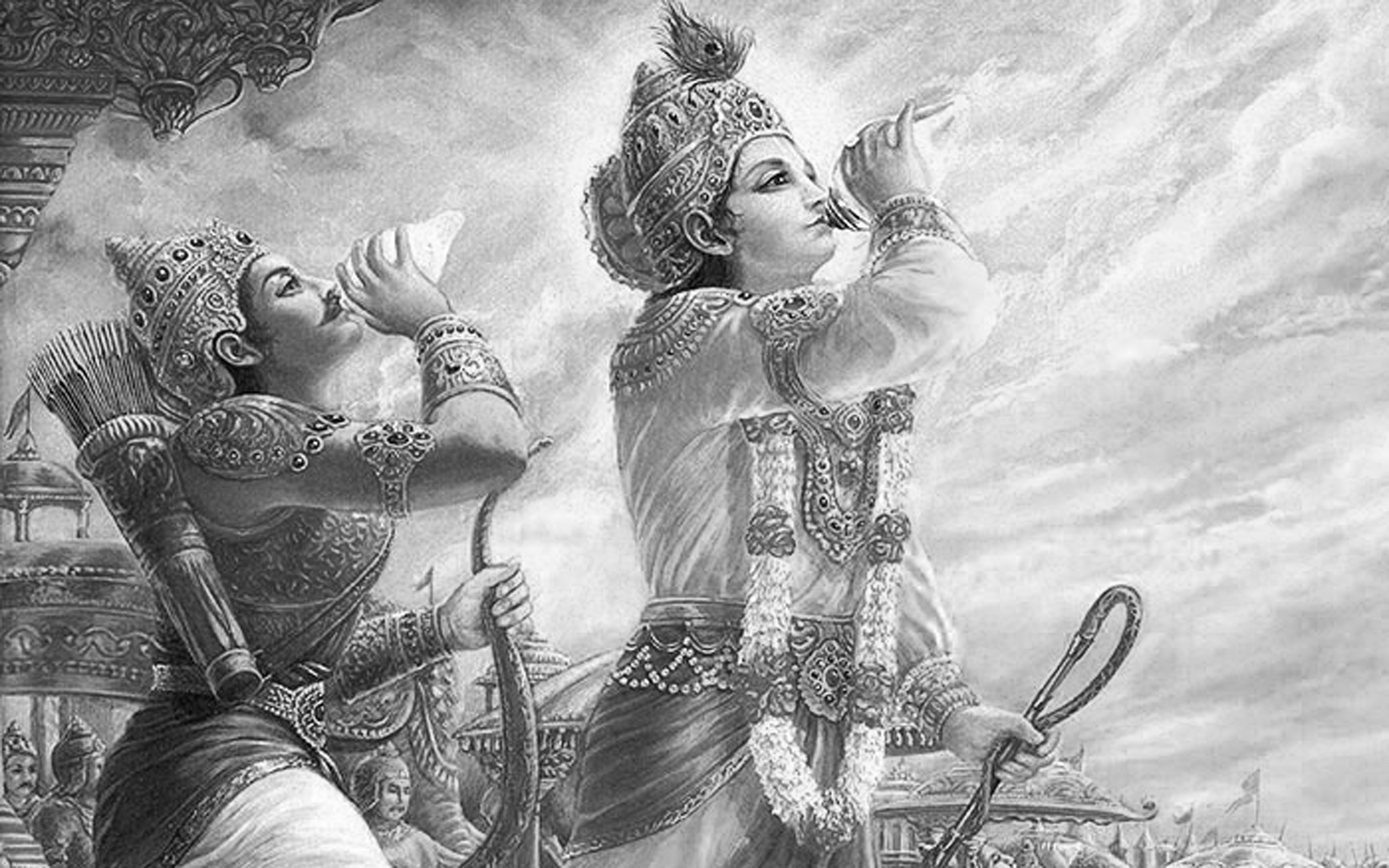
Bhīṣma, Yudhiṣṭhira, and Kṛṣṇa have been portrayed as the noble characters in the Mahābhārata. Among these, Yudhiṣṭhira looks upon Kṛṣṇa as an elder brother and...
Saṃnyāsa, Yajña-dāna-tapas By the time of the Mahābhārata, it seems that several people had given up worldly life and had taken up saṃnyāsa; they pract...
Mahābhārata - Ahiṃsā The trait of sattva does not mean non-activity or lack of valour. The same can be said of ahiṃsā too. We have seen earlier that ahiṃsā is...
The Vagaries of Comforts and Discomforts Why are there difficulties, troubles, sorrows, and atrocities on earth? Nobody desires for these. Everyone wants to be...
There are times when we face difficulties as a result of our own ignorance, indiscretion, dullness of intellect, stupidity, etc., but at other times, we face di...
The word ‘karma’ means ‘activity.’ In a narrower sense, it can also mean the Vedic rituals of yajña and yāga, building of socially useful amenities such as lake...
The primary characteristics of the modern world are material wealth and individual freedom [c. 1950]. Today, an individual desires to be independent as much as...
With this part, we conclude the translation series of the preface to Vacanabhārata. The current article describes the literary approach of AR Krishna Sastri in...