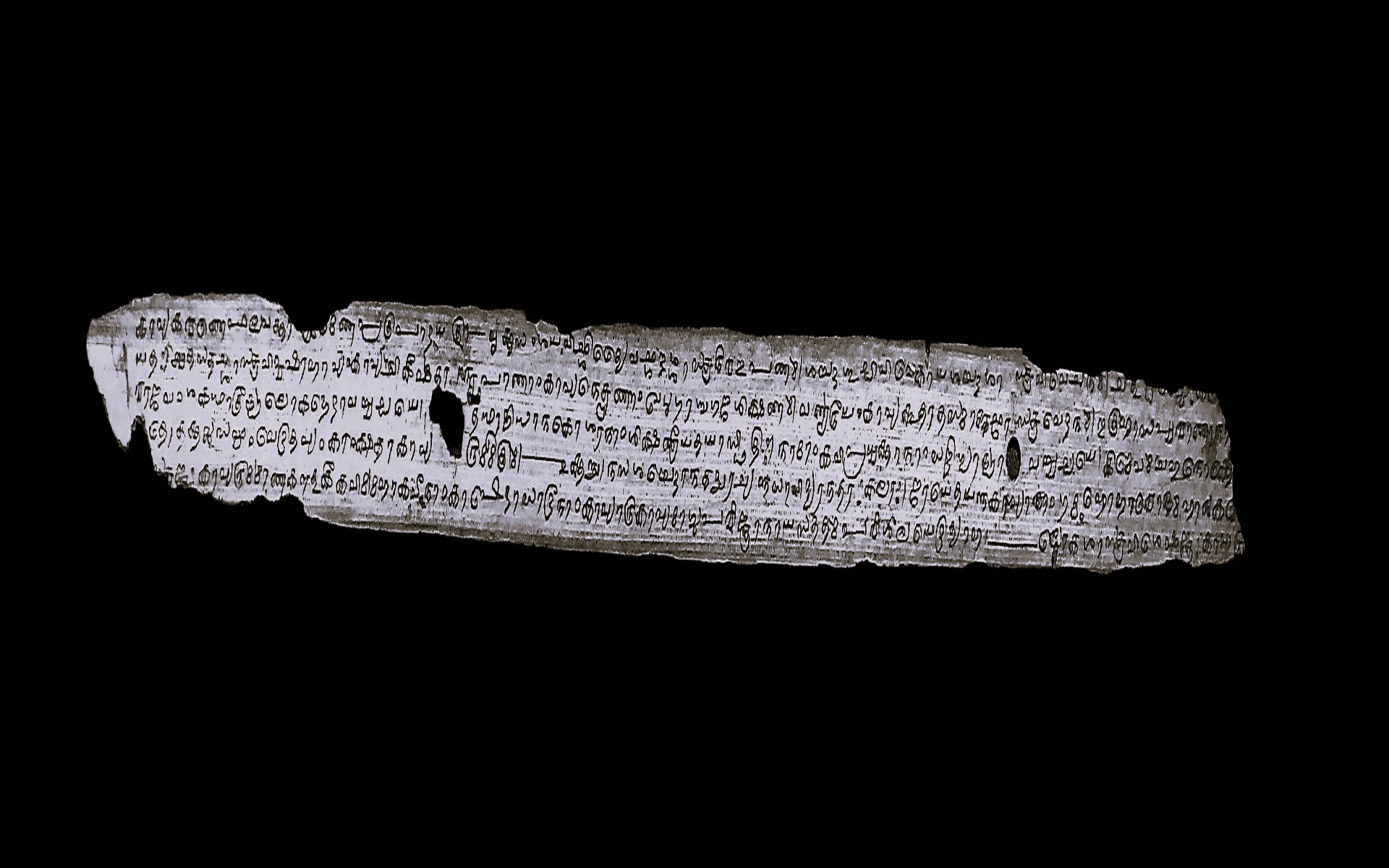
4.7. Illustrative Verses
As we have observed previously, the illustrative verses composed by Bhoganātha are of inestimable value to understand Sāyaṇācārya’s personality, his family life, Saṅgama II’s reign, and the overall socio-cultural milieu of the Vijayanagara period. These verses are primarily poetic compositions, and naturally they are tinged with hyperbole and fancy. The presence of such poetic devices only enhances—never diminishes—the kernel of truth enshrined in these verses, which we are trying to uncover. In this backdrop, let us now sample a few illustrative verses. Translating all these into English would make this already-long Introduction lengthier; so we content ourselves with highlighting specific features of personality, culture and history that these verses describe.
4.7.1. Erudition, Respect for Tradition
Sāyaṇācārya used to perform Vedic yajñas frequently. One of the verses here presents this idea memorably: Invoked often by Sāyaṇācārya in yajñas, Indra, the head of the deities, spent most of his time on earth. This was much to the chagrin of his wife, because he hardly spent any time with her:
श्रीसायणेन सततं सवनक्रियाभि-
राकारिते मखभुजामधिपे स्वकान्ते।
प्राप्तान् दिवं तदहि तान् पुनराहवाय
प्रोत्साहयत्यतिरुषाद्य पुलोमकन्या॥
Sāyaṇācārya had a phenomenal mastery over philosophical texts. Apart from such textual knowledge, he possessed an experiential understanding of ultimate verities. Not only the laity and learned, even ascetics approached him to seek instruction in the higher realms of philosophy. Neither was he a hidebound obscurantist – he enjoyed his share of pleasures enlivened by music and literature:
यं तत्त्वार्थबुभुत्सयैव यतयोऽप्याश्रित्य विज्ञानिनं
वर्तन्ते परमात्मबोधसुखिनः सोऽयं विभुः सायणः।
शान्तः किं प्रतिपाद्यतां प्रियतमासम्भोगलीलापरः
शृङ्गारी किमु कामतः कृतमतिः सङ्गीतसाहित्ययोः॥
Sāyaṇācārya was born into a family of highly accomplished people. Mādhavācārya, his elder brother, was a giant of knowledge and wisdom; Bhoganātha, his younger brother, was a precocious poet who could wield his pen equally well in prose, verse and song. While Mādhavācārya himself was a prolific author, Sāyaṇācārya wrote many treatises under the title ‘Mādhavīya’ in his honour. Following this example, the scholars he had brought together (see section 2.3) submitted some of their works to Sāyaṇācārya. As a result, a huge body of work emerged on various disciplines such as grammar, Purāṇas, health and medicine, philosophy, the arts, and Vedic exegesis. The people who worked with Sāyaṇācārya in writing commentaries on the Vedas were prodigious scholars. They could expound on the meaning of any mantra from any branch of the Veda and clarify the import of any tenet from any branch of philosophy. A couple of verses from the present text paint a vivid picture of the foregoing:
वृत्तिर्धातुपुराणसारपथयोरार्यैः कृता माधवैः
सृष्टान्यर्भकभोगनाथकविना काव्यानि गीतान्यपि।
आयुर्वेदसुधानिधिप्रभृतयो वेदान्तसाराग्रिमाः
कोशाः शास्त्रकलाकदम्बकभृतः कस्यापि सृष्टिक्रमाः॥
गङ्गायां निवसन्ति ये मुनिवराः श्रीसायणार्य प्रभो
तेऽपि त्वत्कसभास्तरैर्विदधते स्पर्धां न पुण्यादिकैः।
एते ते द्विजपुङ्गवास्त्रिचतुरान् वेदान् षडङ्गान्वितान्
व्याख्यातुं प्रभवः पृथक्पृथगितो वेदान्तविद्या अपि॥
4.7.2. Acumen as Minister
Sāyaṇācārya was a minister who could bring fortune to any royal court. He was an intrepid warrior and a master strategist. He knew how to enjoy and when to display restraint. In the rough and tumble of managing a kingdom he adopted moderate and extreme measures as appropriate. He was principled and scrupulous (as the Deva-Guru) but if the opponent resorted to treacherous means, he had no qualms in paying them back in the same coin (as the Asura-Guru). He efficiently managed the affairs of the State all by himself (sacivāyatta-siddhi), and this gave the king, Saṅgama II the leeway for finer pursuits such as the arts and literature. These two together ruled over large swathes of land and reduced other kingdoms to utter insignificance. In political and administrative acumen Sāyaṇācārya was like the famed Cāṇakya. His devotion to the king was so complete that whoever challenged Saṅgama II’s suzerainty earned his ire – they had to either flee to the forest or face him on the battlefield and taste defeat:
लक्ष्मीस्ते मन्त्रशौर्याभ्यामहितेभ्यः समाहृता।
आहृता त्यागभोगाभ्यामद्भुतं सायण प्रभो॥
त्वामेवोपासते सर्वे मन्त्रिणं सायण क्षितौ।
यथा सुमनसः स्वर्गे धिषणं धिषणाधिकम्॥
दैतेयगुरुदेशीयं गुरुदेश्यं च मन्त्रिणा।
गङ्गातनूजकल्पं च ब्रुवते सायणं बुधाः॥
सायणसचिवायत्तं
सङ्गमराजस्य पश्य राज्यमिदम्।
विद्याविनोदरसिकै-
र्विद्वद्भिर्बहुमताभोगम्॥
मन्त्री मायणसायणस्त्रिजगतीमान्यापदानोदयोऽ-
वन्येकाश्रयशून्यवन्यमहिता अन्येऽप्यमी मन्त्रिणः।
स्वेच्छास्वीकृतपूर्वपश्चिमपयोराशिर्नृपः सङ्गमः
फल्गुग्रामटिकापतित्वसुखिनोऽप्यन्ये स्वबुद्ध्या नृपाः॥
कृत्वानन्दमहोदयं कृतधिया येनाधिराज्यं भुवो
दृप्यद्राक्षसशासकेन जनतासौभाग्यमाकल्पितम्।
षट्कर्माभिरताय भद्रमनिशं षाड्गुण्यसंविद्विदे
तस्मै मायणसायणाय भवते श्रीविष्णुगुप्तात्मने॥
भो भोः सायणमन्त्रिशासनमिदं भूमौ समुद्घुष्यतां
ये ये स्वामिनि सङ्गमक्षितिपतौ सेवानभिज्ञा नृपाः।
ते ते कोशमसिं किरीटमथ वा चापं स्वकीयां महीं
बाणान् वा विसृजन्त्वरण्यरणयोरेकं श्रयन्तामिति॥
4.7.3. Fame and Eminence
Sāyaṇācārya’s fame had spread far and wide even during his lifetime. He was a living legend. Among the subjects, mothers prevailed upon their sons to swear allegiance to Sāyaṇācārya alone and nobody else. This was not without benefit – no other minister was so generous with their time, gifts and resources. A verse in this text cleverly remarks: ‘Sāyaṇācārya could give everything away in charity but not his own fame and eminence’ –
कथयामि वः किमपि पुत्रका अहं
क्रियतां विमृश्य तदिदं मनीषया।
यदि सेवितव्यमिति निश्चिता मति-
र्न परं समाश्रयत सायणप्रभोः॥
वत्साः शंसत सायणस्य सविधं हित्वातिदूरं गता-
स्तत्र त्यागदयार्जवैः समुदिता दृष्टाः कति क्ष्माभुजः।
तेभ्यः किन्तु कियच्च रत्नकनकक्षौमादि सम्पादितं
किं वा वारणवाजिचामरसितच्छत्रादिभूमार्जितः॥
श्रीमत्सायण मन्त्रिवर्य भवतस्त्यागाभिमानो वृथा
सर्वस्वं त्यजसीति हन्त सकलैर्लोकैः कथं घुष्यसे।
सर्वस्वं त्यजतस्तवान्वहमिदं येनैधते कोटिश-
स्तत्ते दीर्घतरं तपस्तदुदिता कीर्तिश्च न त्यज्यते॥
References
- A Descriptive Catalogue of the Sanskrit Manuscripts in the Government Oriental Manuscripts Library, Madras (Vol. 22; Ed. Kuppuswami Sastri, S). Madras: Superintendent, Government Press, 1918
- Annual Report of the Mysore Archaeological Department. Mysore, 1908
- Annual Report of the Mysore Archaeological Department. Mysore, 1914–15
- Annual Report of the Mysore Archaeological Department. Mysore: University of Mysore, 1933
- Beginnings of Vijayanagara History. Heras, Henry. Bombay: Indian Historical Research Institute, 1929
- Contribution of Andhra to Sanskrit Literature. Sriramamurti, P. Waltair: Andhra University, 1972
- Descriptive Catalogue of Sanskrit Manuscripts (Vol. VIII; Ed. Malledevaru, H P). Mysore: Oriental Research Institute, 1982
- Early Vijayanagara: Studies in its History and Culture (Proceedings of S. Srikantaya Centenary Seminar; Ed. Dikshit, G S). Bangalore: BMS Memorial Foundation, 1988
- Epigraphia Carnatica (Vol. 6; Ed. Rice, Lewis B). Mysore Archaeological Series, 1901
- Epigraphia Indica (Vol. 3; Ed. Hultzsch, E). Calcutta: Office of the Superintendent of Government Printing, 1979 (Reprint)
- History of Sanskrit Poetics (2 volumes). De, Sushil Kumar. Calcutta: Firma K L Mukhopadhyay, 1960
- History of Sanskrit Poetics. Kane, P V. Delhi: Motilal Banarsidass, 1971
- Jayadāman. Ed. Velankar, H D. Bombay: Haritosha Samiti, 1949
- Karnāṭakadalli Smārta-brāhmaṇaru: Nele-Hinnele (Kannada; Ed. Anantharamu, T R). Bengaluru: Harivu Books, 2023
- Kṛṣṇa-yajurveda-taittirīya-saṃhitā (with Sāyaṇa-bhāṣya). Pune: Ananda Ashram, 1900
- Mādhavīyā Dhātuvṛtti (Ed. Shastri, Dwarikadas). Varanasi: Prachya Bharati Prakashana, 1964
- Mysore Gazetteer (Vol. 2, Part 3; Ed. Rao, Hayavadana C). Delhi: B R Publishing Corporation, 1927–30
- New Catalogus Catalogorum (Vol. 1; Ed. Raghavan, V). University of Madras, 1968
- Pañcadaśī-pravacana (Kannada). Sharma, Ranganatha N. K R Nagar: Vedanta Bharati, 2003
- Parāśarasmṛtiḥ (with Mādhavācārya’s commentary; Ed. Candrakānta Tarkālaṅkāra). Calcutta: The Asiatic Society, 1974
- Puruṣārtha-sudhānidhi (Ed. Chandrasekharan, T). Madras: Government Oriental Manuscripts Library, 1955
- Sayana. Modak, B R. New Delhi: Sahitya Akademi, 1995
- South Indian Inscriptions (Vol. 4; Ed. Sastri, Krishna H). Madras: The Superintendent, Government Press, 1923
- Subhāṣita-sudhānidhi (Ed. Krishnamoorthy, K). Dharwar: Karnatak University, 1968
- Taittirīya-brāhmaṇa (Vol. 3; Ed. Godbole, Shastri Narayana). Pune: Ananda Ashram, 1979
- Uttankita Sanskrit Vidya-Aranya Epigraphs (Vol. 1, Vidyaranya). Bombay: Bharatiya Vidya Bhavan, 1985
- Vibhūti-puruṣa Vidyāraṇya (Kannada). Ganesh, R. Hubli: Sahitya Prakashana, 2011
- Vidyāraṇyara Samakālīnaru (Kannada). Gundappa, D V. Hubli: Sahitya Prakashana, 2023
To be continued.

.jpg)
Comments