Saṃskṛta-nāṭaka - Rājaśekhara (Part 3)
We have been able to lay our hands only on two acts of his other play called Bāla-bhārata or Pracaṇḍa-pāṇḍava; it is hard to say if the poet only wrote so much....
Just like Bhavabhūti, Rājaśekhara too begins his play on the Rāmayana by praying to the Vāg-devatā. In the ten acts of his play, he has covered the story of the...
Bāla-rāmāyaṇa, Bāla-bhārata, Karpūra-mañjarī, Viddha-śāla-bhañjikā, and Kāvya-mīmāṃsā are the works of Rājaśekhara that are available to us today. We learn that...
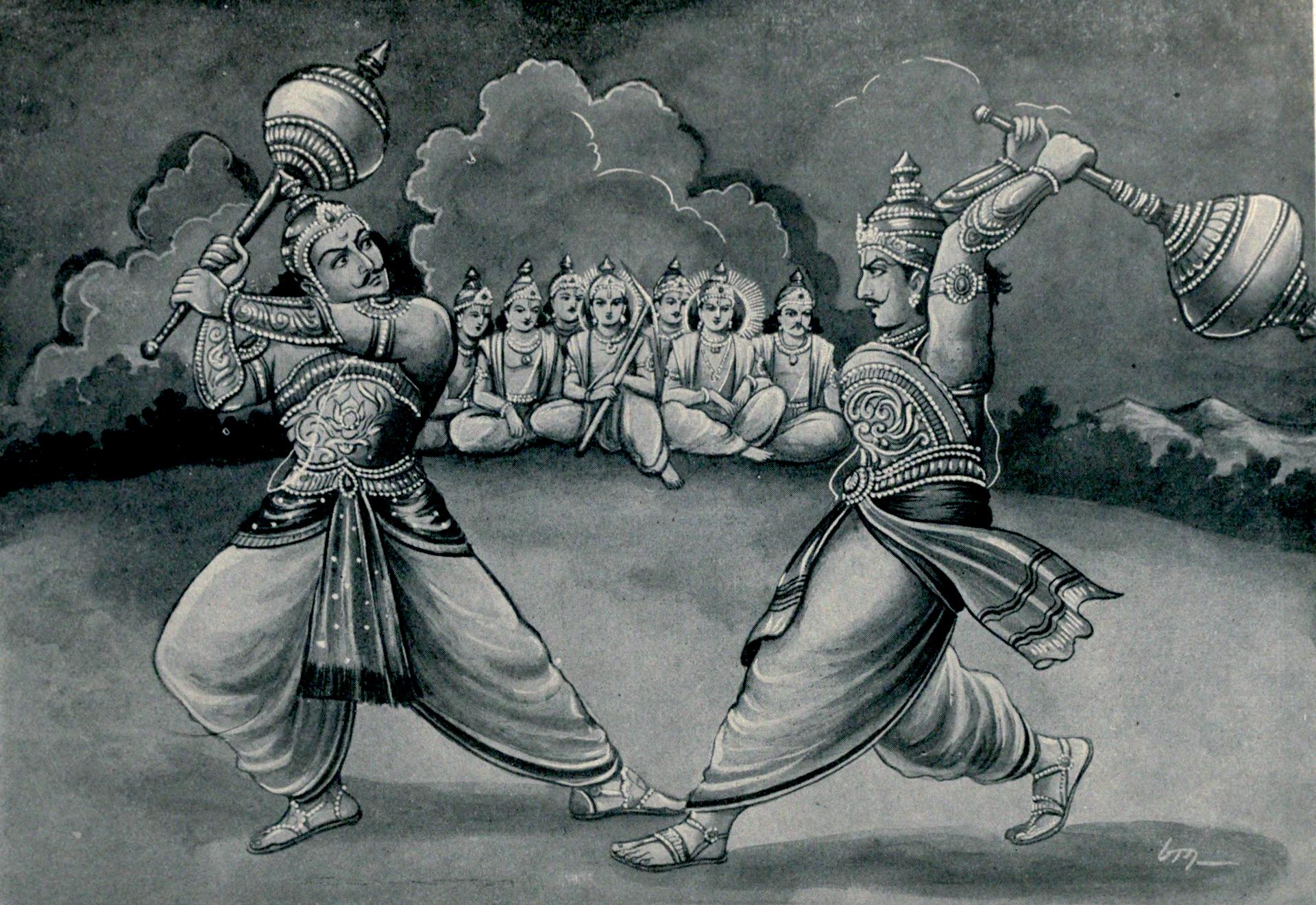
The Veṇī-sāṃhāra is, thus, a play that encompasses the story starting from Kṛṣṇa-sandhāna to Duryodhana-saṃhāra. The poet has displayed great skill in condensin...
It is hard to determine the period and place in which Bhaṭṭa-nārāyaṇa, the author of Veṇī-sāṃhāra lived. Vāmana (4, 3-28), and other aestheticians quote example...
Bhavabhūti has not included a vidūṣaka in any of his plays – the exclusion maybe because Bhavabhūti felt that he is not endowed with lively and sweet emotions,...
Bhavabhūti appears to have been well-versed in various śāstras as well; he is likely to have read the poems and plays that were authored before his time and tho...
The play Mālatīmādhava belongs to the genre of prakaraṇa; the theme and plot of a prakaraṇa is kalpita, i.e., freshly created by the poet-playwright. Thus, the...
The Mālatī-mādhava is a prakaraṇa in ten acts like the Mṛcchakaṭika. The following is the story – There lived a minister by name Bhūrivasu in the kingdom of Pa...
The playwright has displayed his special calibre in compressing the events of an epic into a play, just as he has done in the Mahāvīracarita; in merely a single...
Uttara-kāṇḍa of the Rāmāyaṇa does not mention anything about the battle involving Lava and Kuśa; the Pātāla-khaṇḍa (adhyāyas 1-68) of the Padma-purāṇa speaks ab...
We may safely say that the Uttara-rāma-carita was the final product of Bhavabhūti’s talent; however, we are discussing the play here because its story is a cont...