Saṃskṛta-nāṭaka - Chandas; Theatre Design
Language The Sanskrit theatre employed several kinds of prākṛtas (Prakrits) in addition to saṃskṛta (Sanskrit); this is a special feature of the Sanskrit dram...
Arjun is a writer, translator, engineer, and enjoys composing poems. He is well-versed in Sanskrit, Kannada, English, Greek, and German languages. His research interests lie in comparative aesthetics of classical Greek and Sanskrit literature. He has deep interest in the theatre arts and music. Arjun has (co-) translated the works of AR Krishna Shastri, DV Gundappa, Dr. SL Bhyrappa, Dr. SR Ramaswamy and Shatavadhani Dr. R Ganesh
Language The Sanskrit theatre employed several kinds of prākṛtas (Prakrits) in addition to saṃskṛta (Sanskrit); this is a special feature of the Sanskrit dram...
Artha-prakṛtis Artha-prakṛtis capture the gradual development of the plot. The Nāṭyaśāstra identifies five stages of development, namely bīja (‘the seed’)...
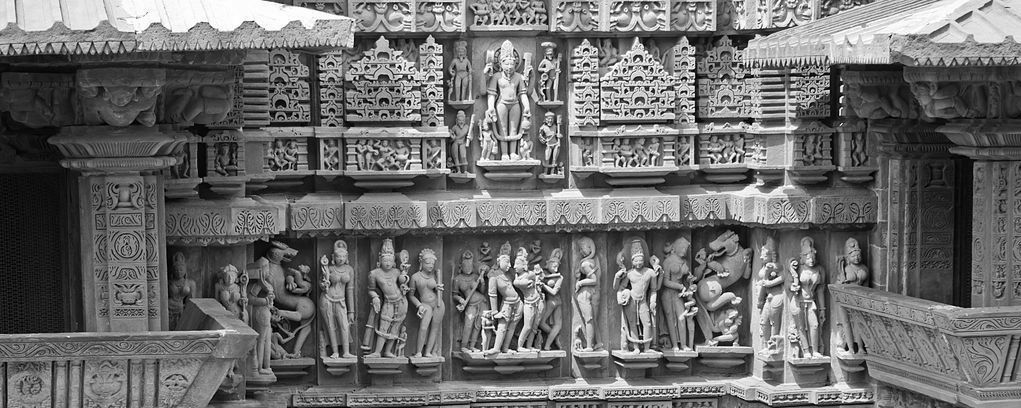
ದೇವಾಲಯಗಳು ಭಾರತೀಯ ಸಂಸ್ಕೃತಿಯ ಕೇಂದ್ರಬಿಂದು ಎಂಬುದು ಸಕಲ ಭಾರತೀಯರೂ ಬಲ್ಲ ತಥ್ಯವೇ ಆಗಿದೆ. ಸುಂದರ ದೇವಾಲಯಗಳ ನಿರ್ಮಾಣವು ಆಡಳಿತ ವರ್ಗದ ದಕ್ಷತೆಯ ಹಾಗೂ ರಾಷ್ಟ್ರದ ಆರ್ಥಿಕ ಸಮೃದ್ಧಿಯ ಸಂಕೇತವೂ...
The literature related to the Great Epic is legion – be it commentary, translation, adaptation, or literary criticism. We give but a tiny sample here—largely En...
For people of the sanātana-dharma, the whole of creation is an embodiment of divinity – the creation is pervaded by its Creator and both are equally divine; the...
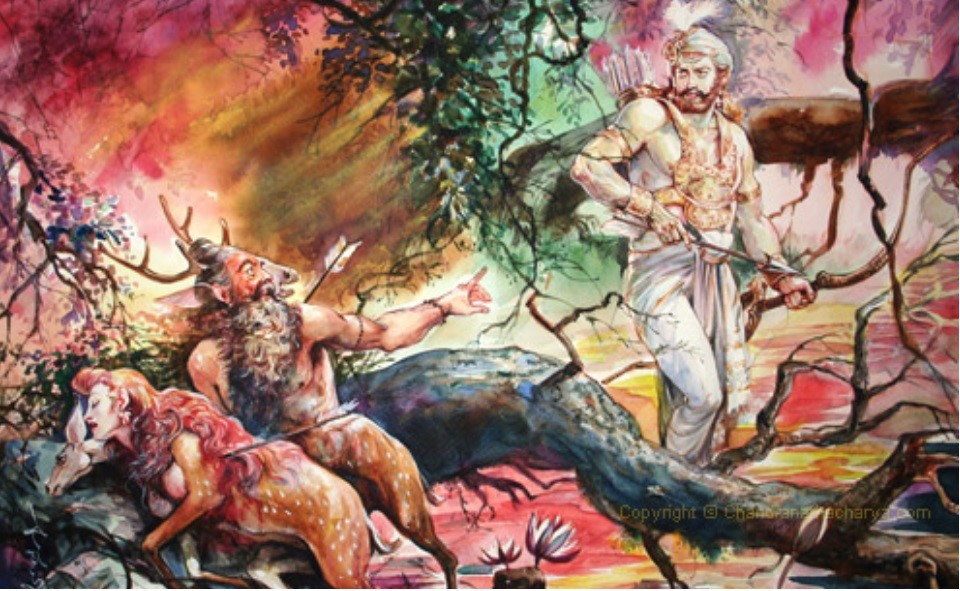
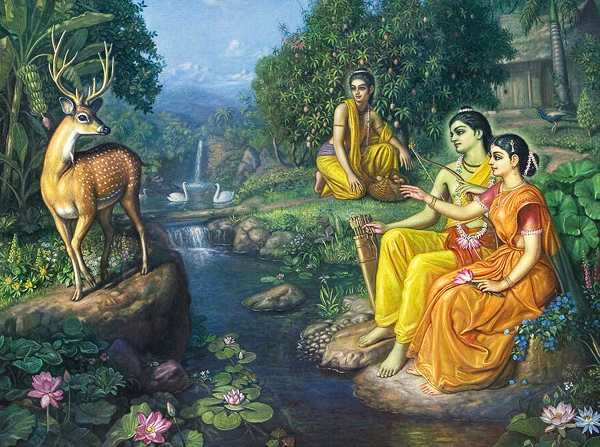
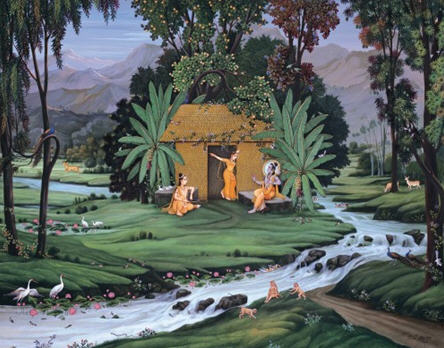
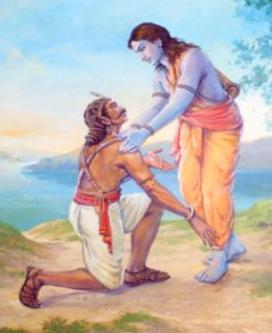
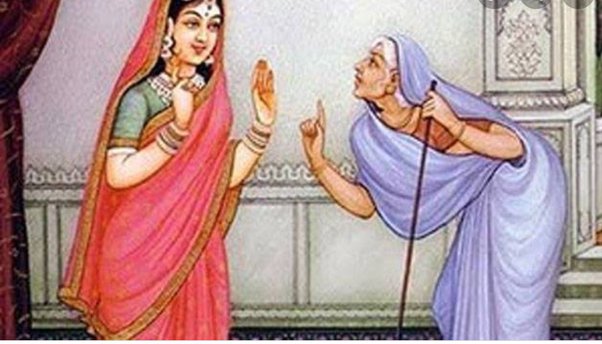
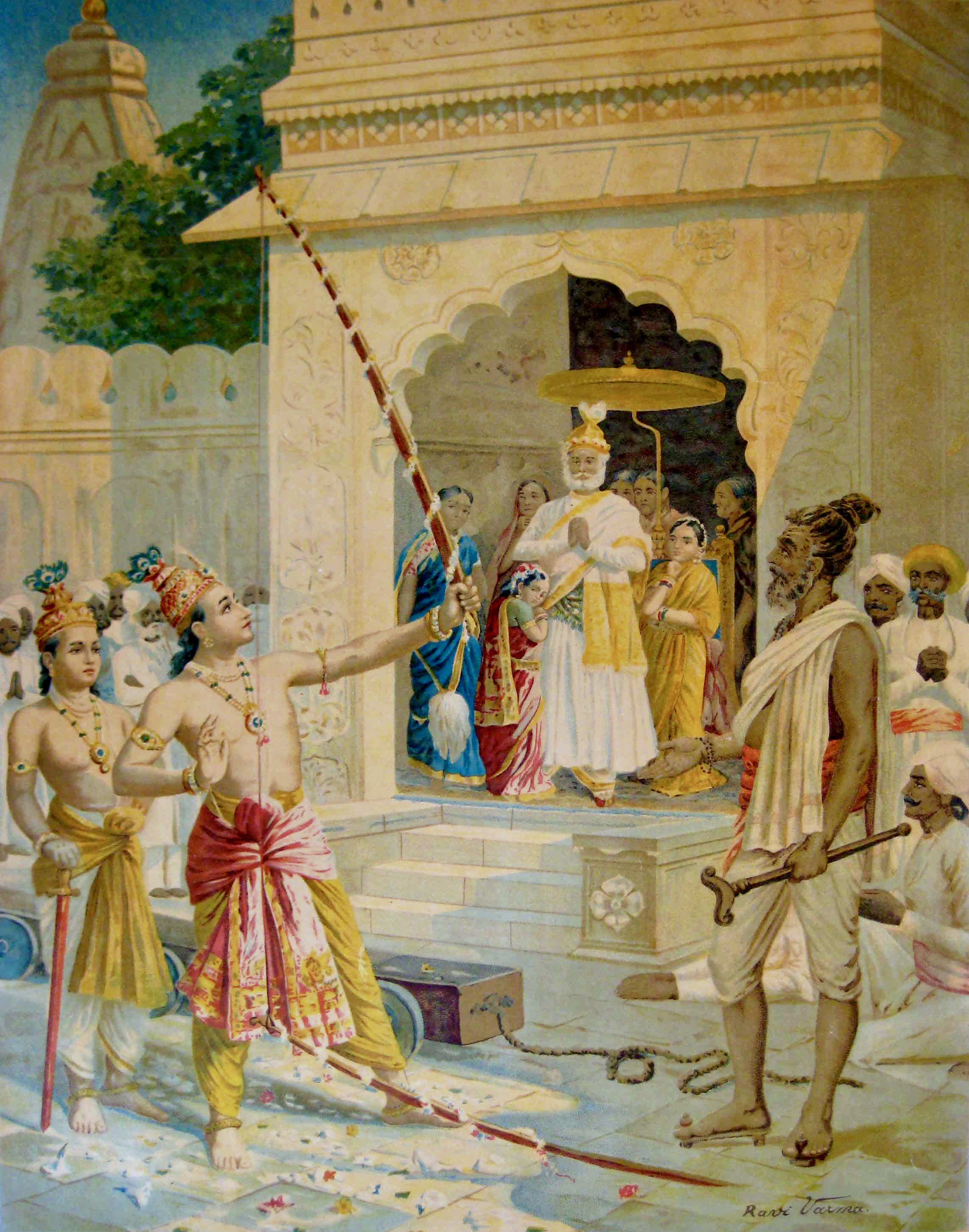
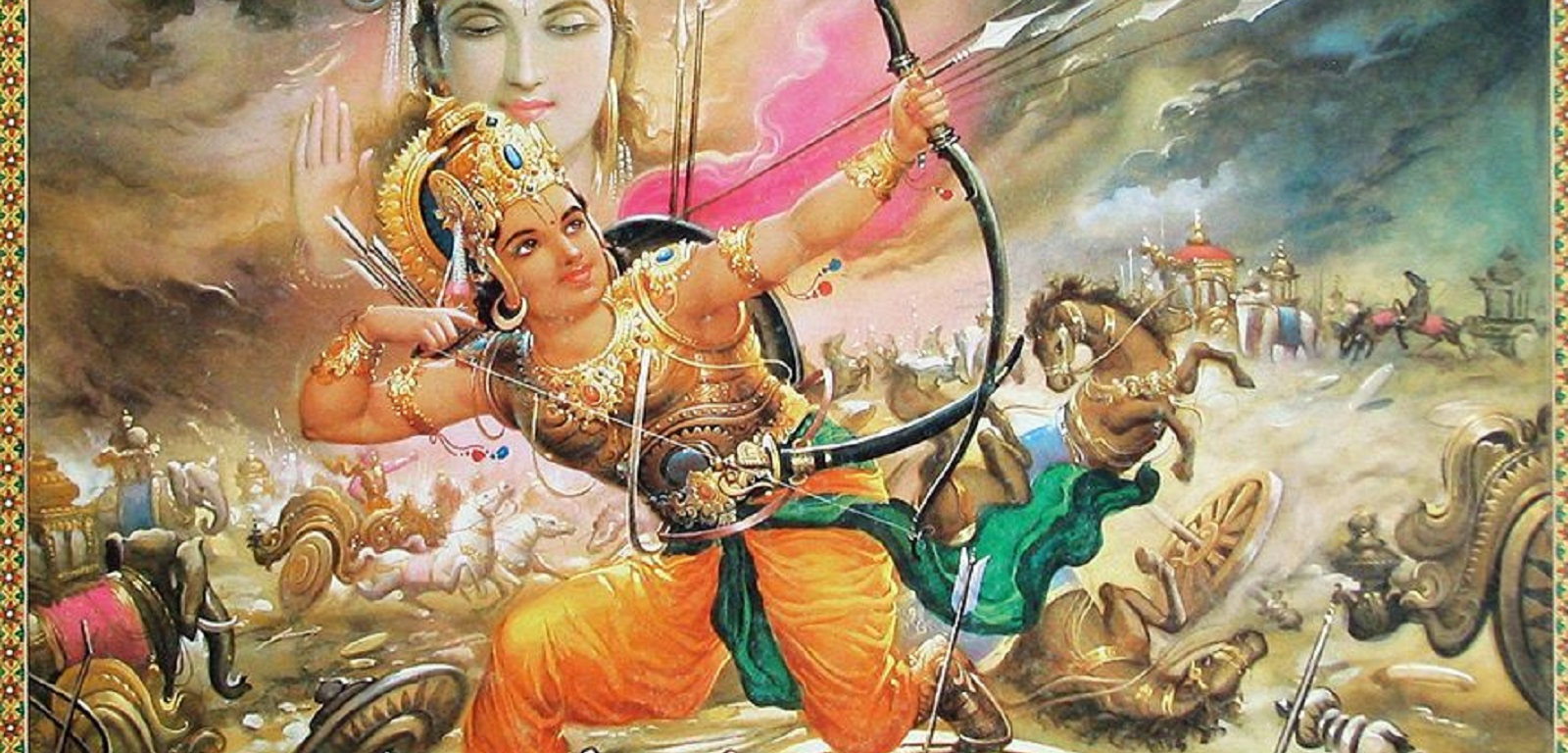
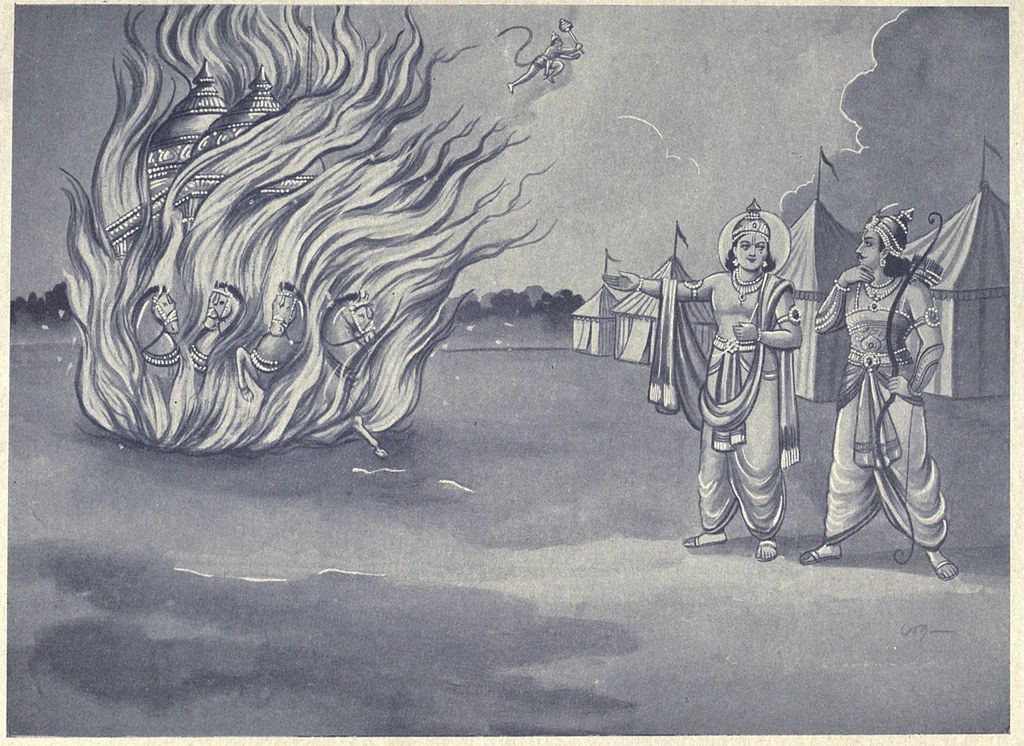
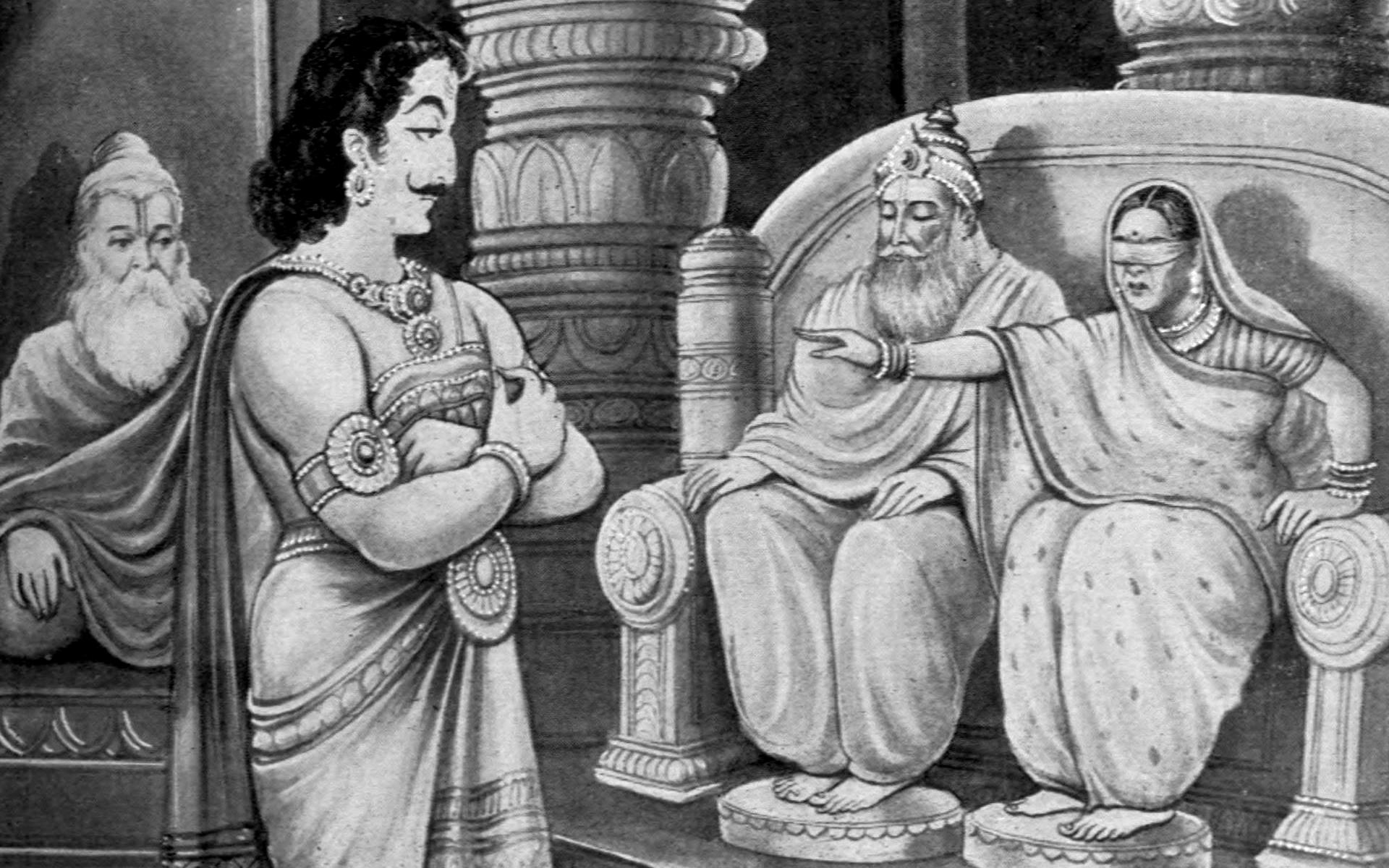
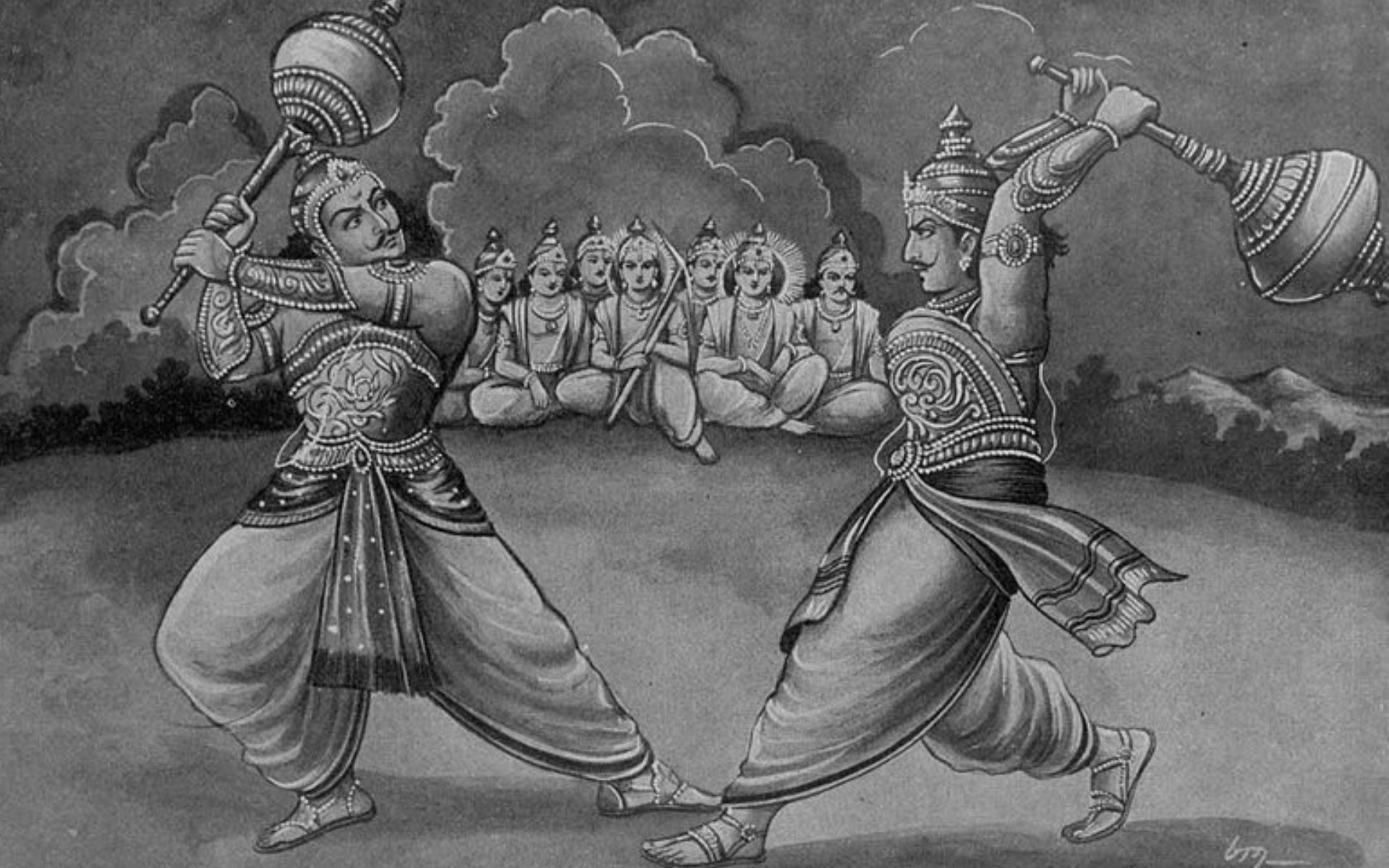
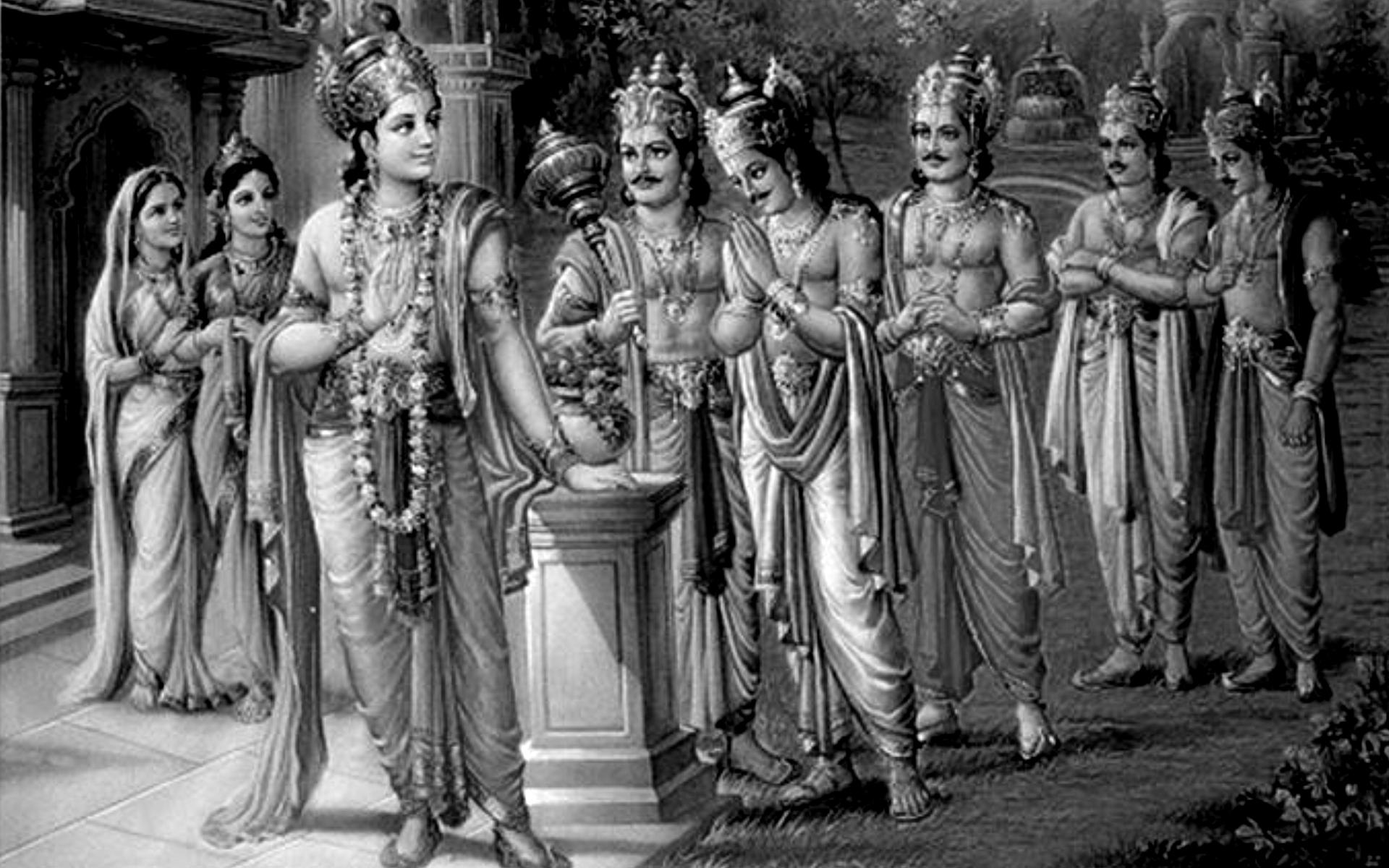
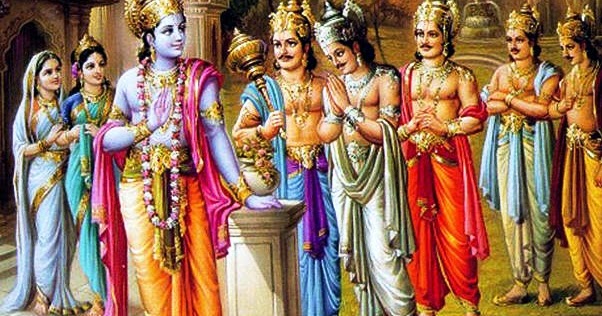
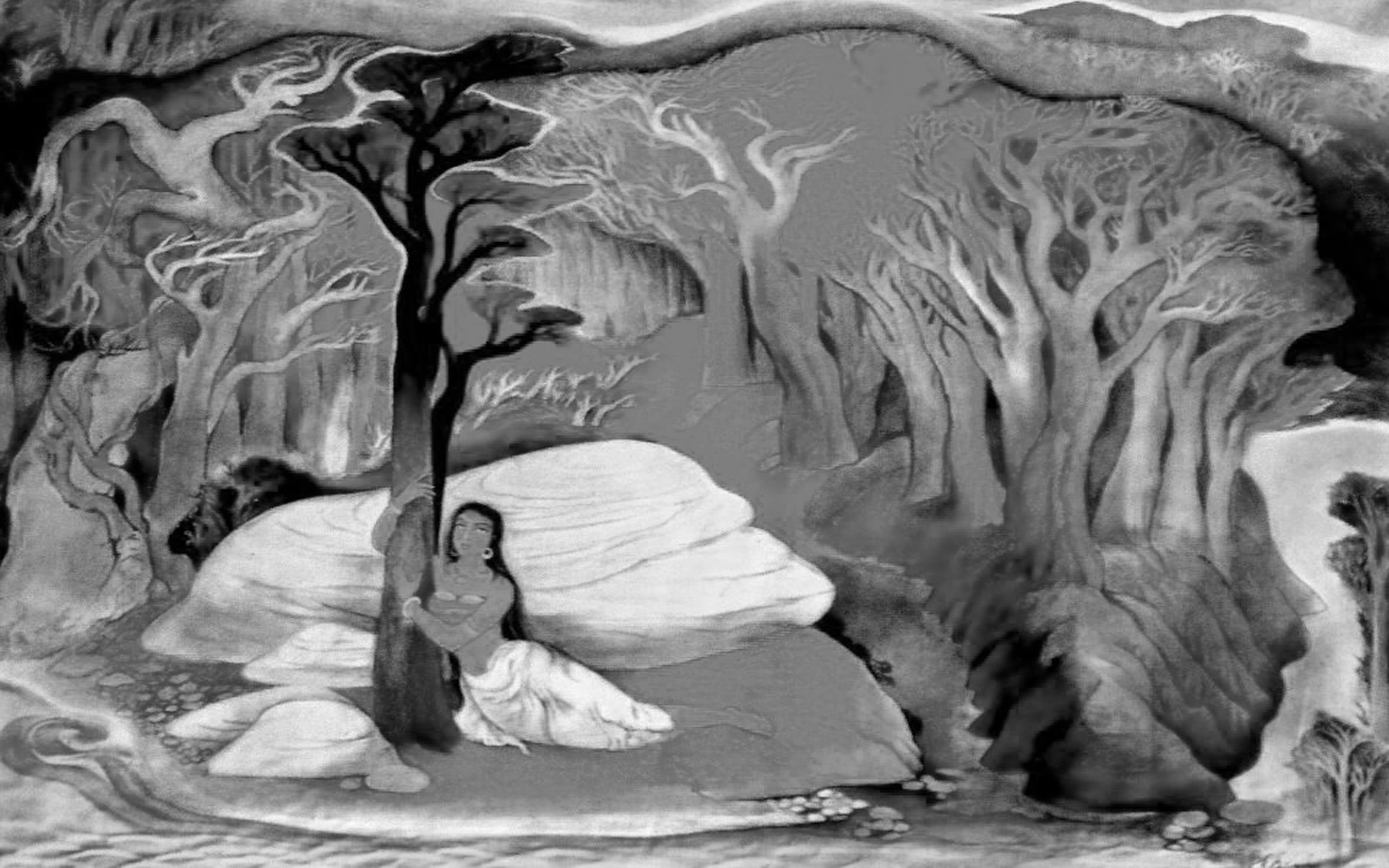
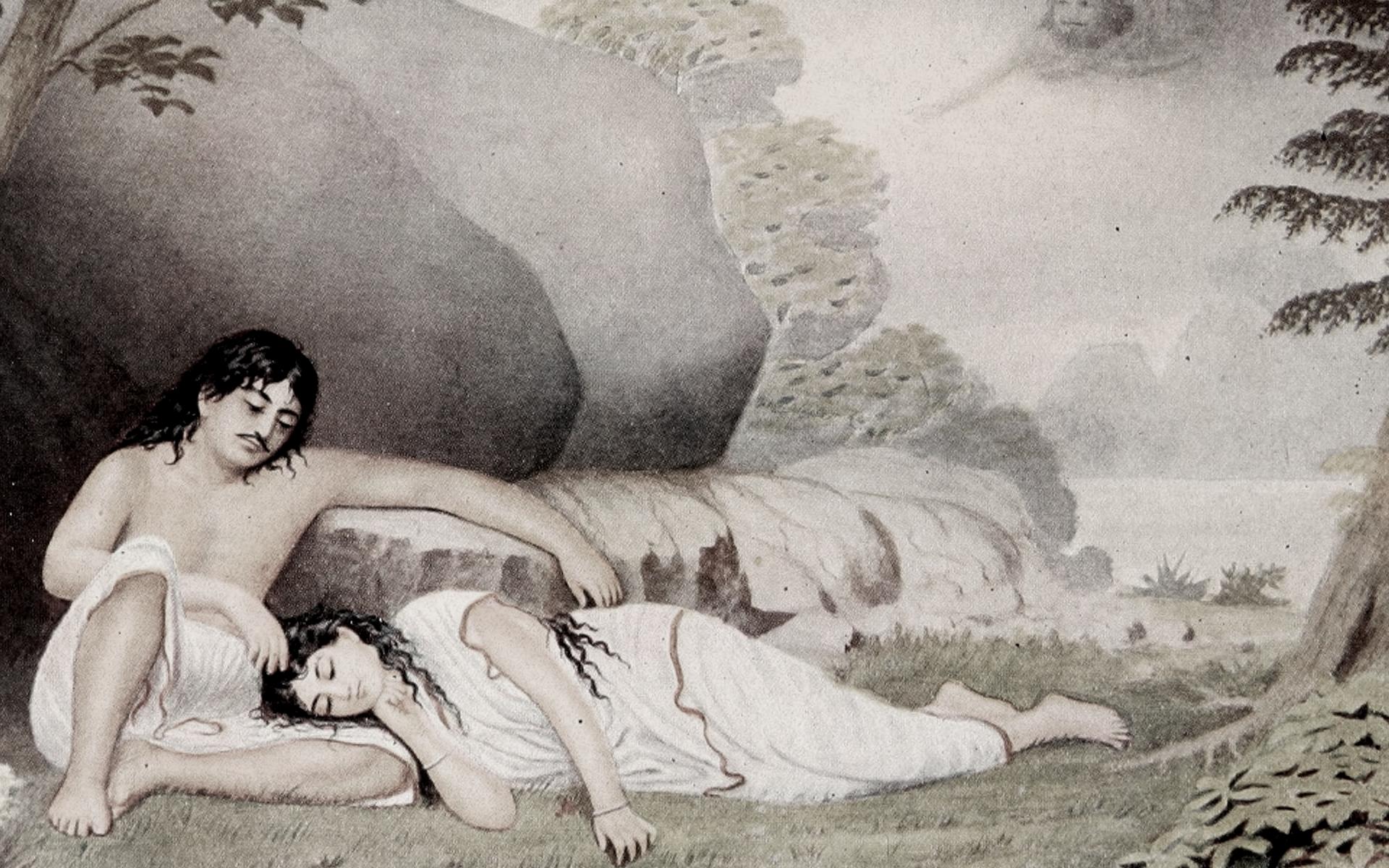
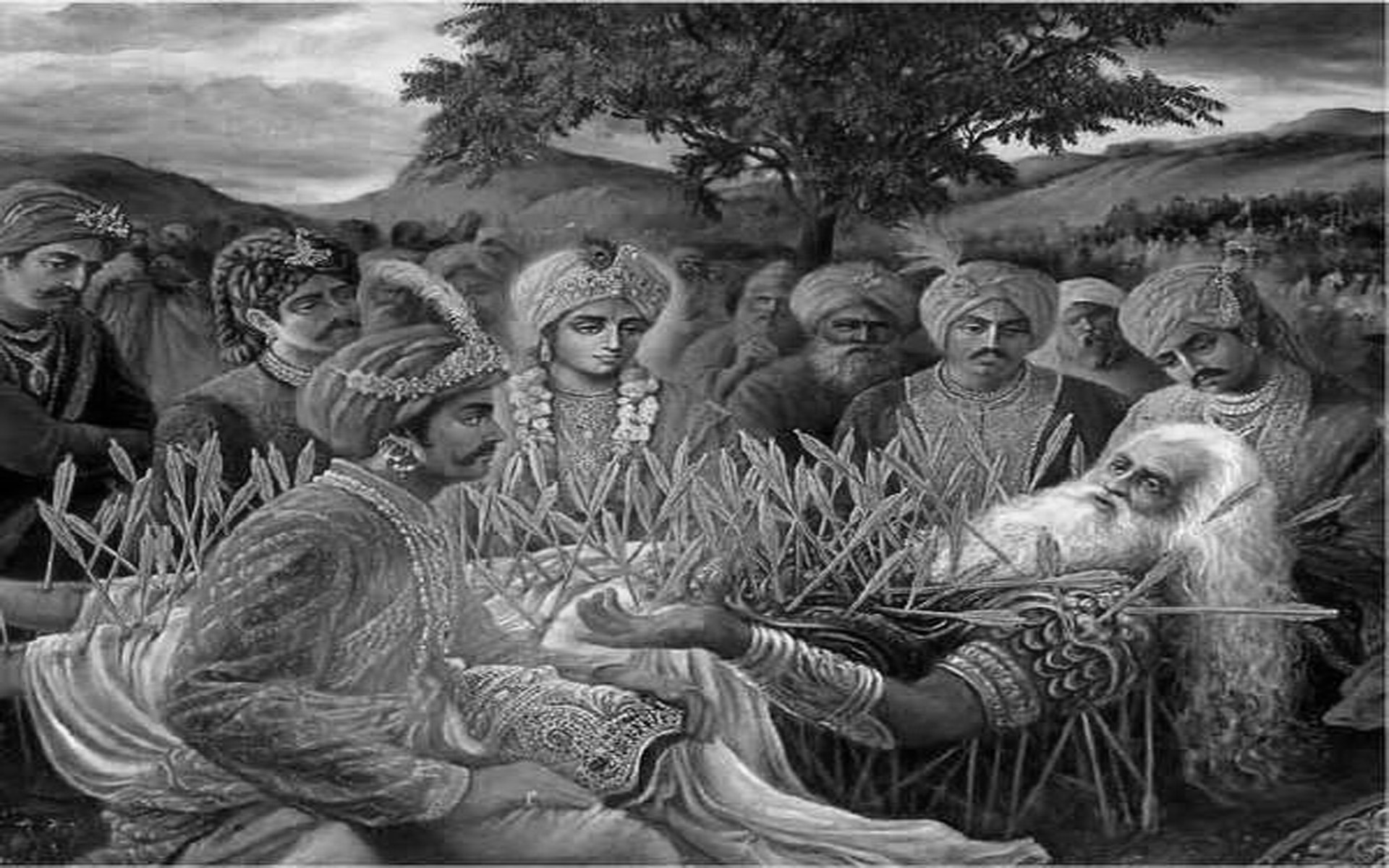
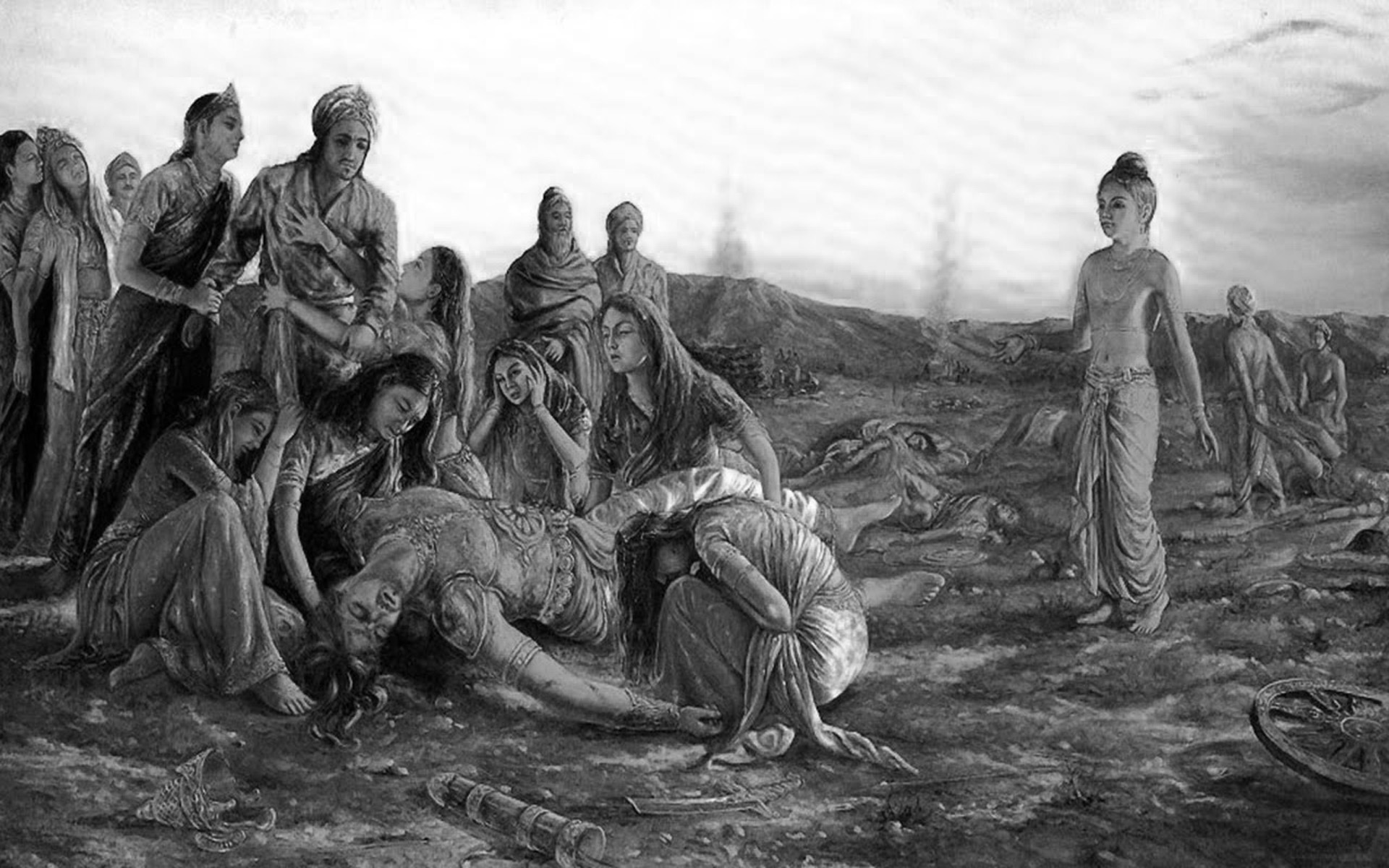
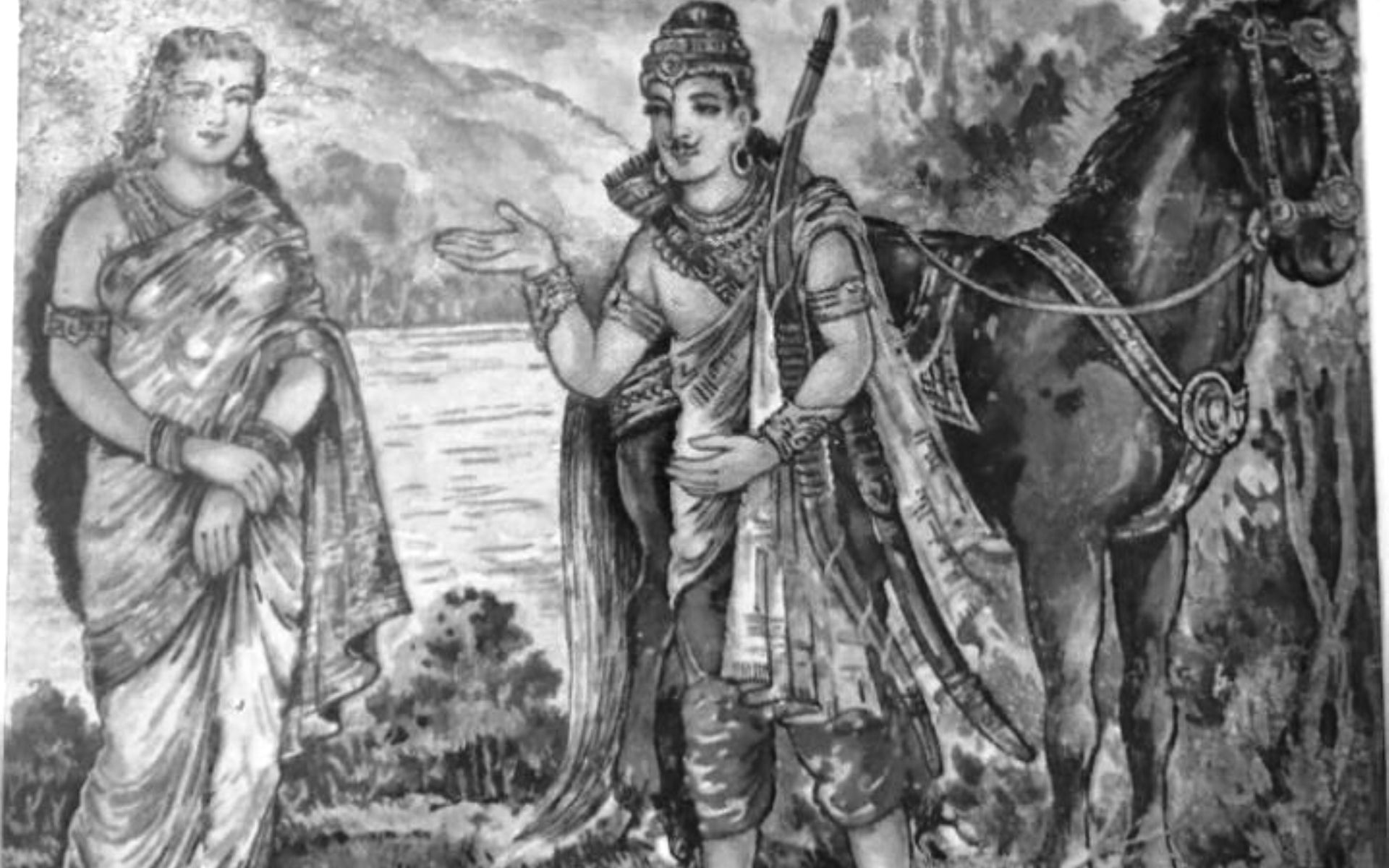
The paintings on epic and purāṇic themes by Sri Chandranath Acharya, an artiste par excellence, represent an optimal blend of the classical Indian flavour with...
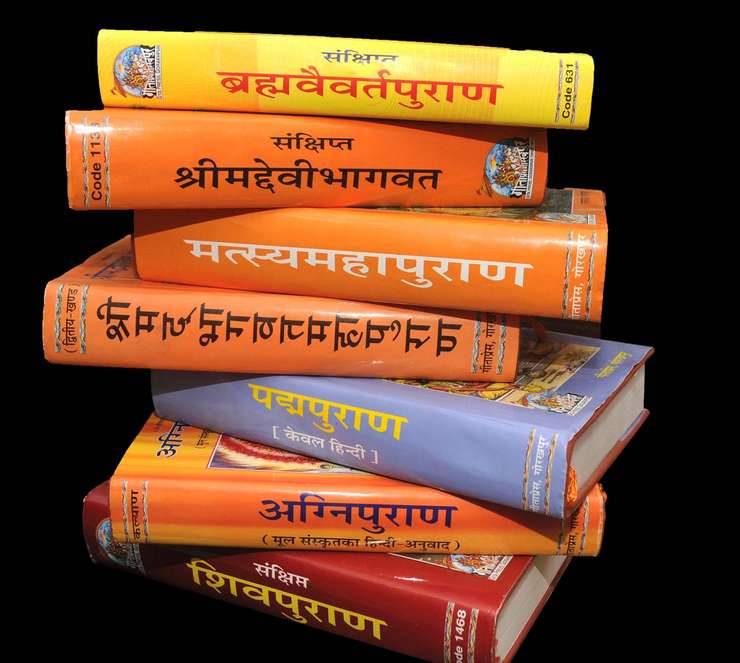
The Purāṇas occupy a high rank amongst India’s literary contribution to the world. In addition to being written lore of the highest magnitude, the Purāṇas have...
ನಾಟ್ಯಶಾಸ್ತ್ರೀಯ ಶುಷ್ಕಾಕ್ಷರಗಳು - ಆಂಗಿಕದಲ್ಲಿ ತಾಳವ್ಯಾಪಾರ ಡಾ।। ಪದ್ಮಾಸುಬ್ರಹ್ಮಣ್ಯಂ ಅವರು ಈಚಿನ ಶತಮಾನಗಳಲ್ಲಿ ಲುಪ್ತಪ್ರಾಯವಾಗಿದ್ದಂತಹ ನಾಟ್ಯಶಾಸ್ತ್ರದಲ್ಲಿ ಉಲ್ಲೇಖಗೊಂಡಿರುವ...
ಭಾರತದ ಅಭಿಜಾತ-ನೃತ್ಯ ಮತ್ತು ನಾಟ್ಯ ಕಲೆಗಳಿಗೆ ಗೀತ-ವಾದ್ಯಗಳು ಅತ್ಯಮೂಲ್ಯವೂ ಅತ್ಯಾವಶ್ಯಕವೂ ಆದ ಆಲಂಬನಗಳಾಗಿವೆ[1]. ಕರ್ಣರಂಜಕವಾದ ಗಾನವಾದನಗಳೊಂದಿಗೆ ಮೂಡಿಬರುವಂತಹ ನೃತ್ಯ-ನಾಟ್ಯಗಳು ಮಾತ್ರವೇ...
continued from the previous part... Though Manmatha avoided Śiva ’s glance, he has placed himself in a convenient position, such that Śiva was visible to him....
The next verse in the third sarga of the Kumārasambhavam is yet another instance where the poet takes the opportunity to personify nature and superimpose elemen...
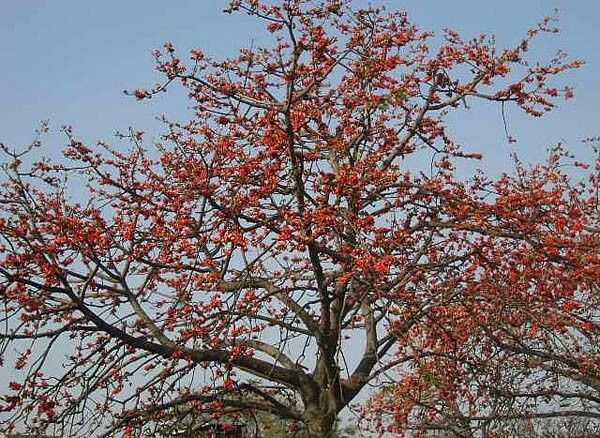
बालेन्दुवक्राण्यविकाशभावाद्बभुः पलाशान्यतिलोहितानि । सद्यो वसन्तेन समागतानां नखक्षतानीव वनस्थलीनाम् ॥ 3.29 The poet continues to paint the āhārya with a...
Manmatha continues to boast of his own skills in the pretext of praising his master: तव प्रसादात्कुसुमायुधोऽपि सहायमेकं मधुमेव लब्ध्वा। कुर्यां हरस्यापि पिनाक...
Indra, who cannot think beyond the obvious and who knows only material luxuries and pleasures of the flesh, jumps to the conclusion that it is only the embodied...
As the devatas had even lost their voice to give words to their trouble, Indra, their leader gets into action; and his action is merely to reverentially pass on...
Sagra 2 The second sagra of Kumārasambhava starts with the devas going to Brahmā seeking his help in vanquishing the demon Tārakāsura. In the verse 2.2, the p...
The Birth and Growth of Pārvatī In the next segment of the sarga, the nāyikā of the epic, Pārvatī is born and grows up. The poet employs nineteen verses (31 to...
Kālidāsa designs his epic poem as though to bring out the philosophical journey first from the wholly material to the absolutely spiritual. The poem then tapers...
The current series of articles attempts to examine the merits and difficulties in bringing Caturvidhābhinaya in classical literature. The epic poems, i.e., the...
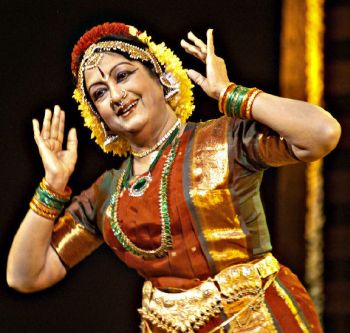
Books written and institutions established by Dr. Padma Subrahmanyam for the promotion of Art and National Integration Padma Surbahmanyam derived her artis...
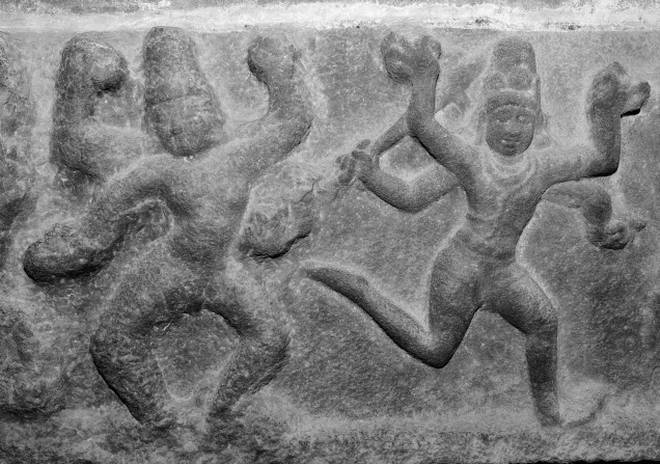
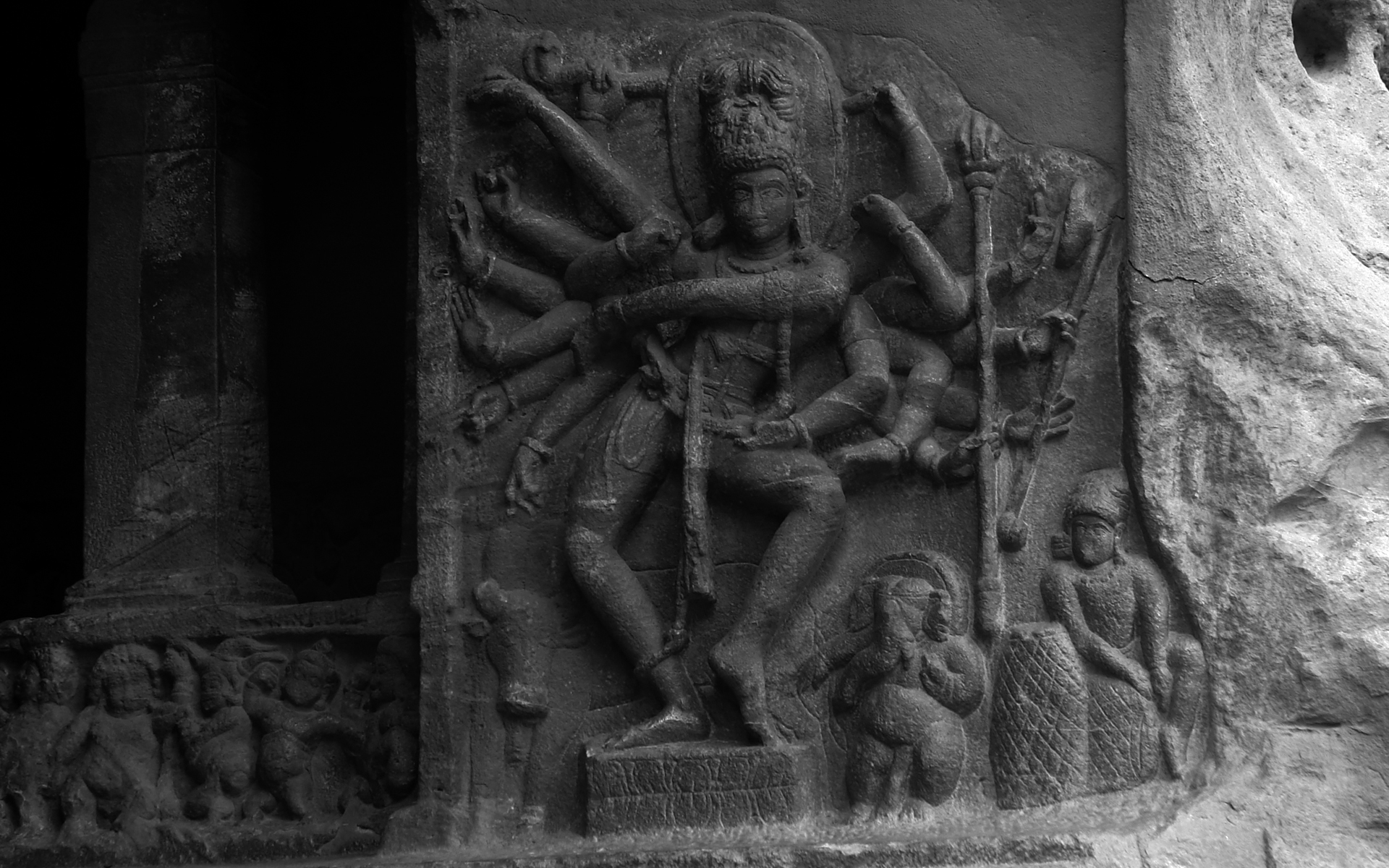
1.Śiva’s form as Naṭarāja We know from the first chapter of the Nāṭyaśāstra (verses 41-45) that according to tradition, Śiva’s cosmic dance inspired Bharata to...
This article is an adapted version of the talk presented by Arjun Bharadwaj at the Swadeshi Indology Conference in December 2017 The following sections...
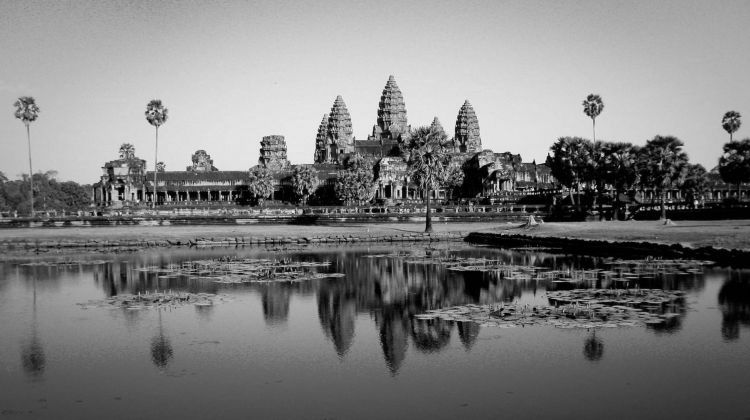
This article is an adapted version of the talk presented by Arjun Bharadwaj at the Swadeshi Indology Conference in December 2017 Abstract The...
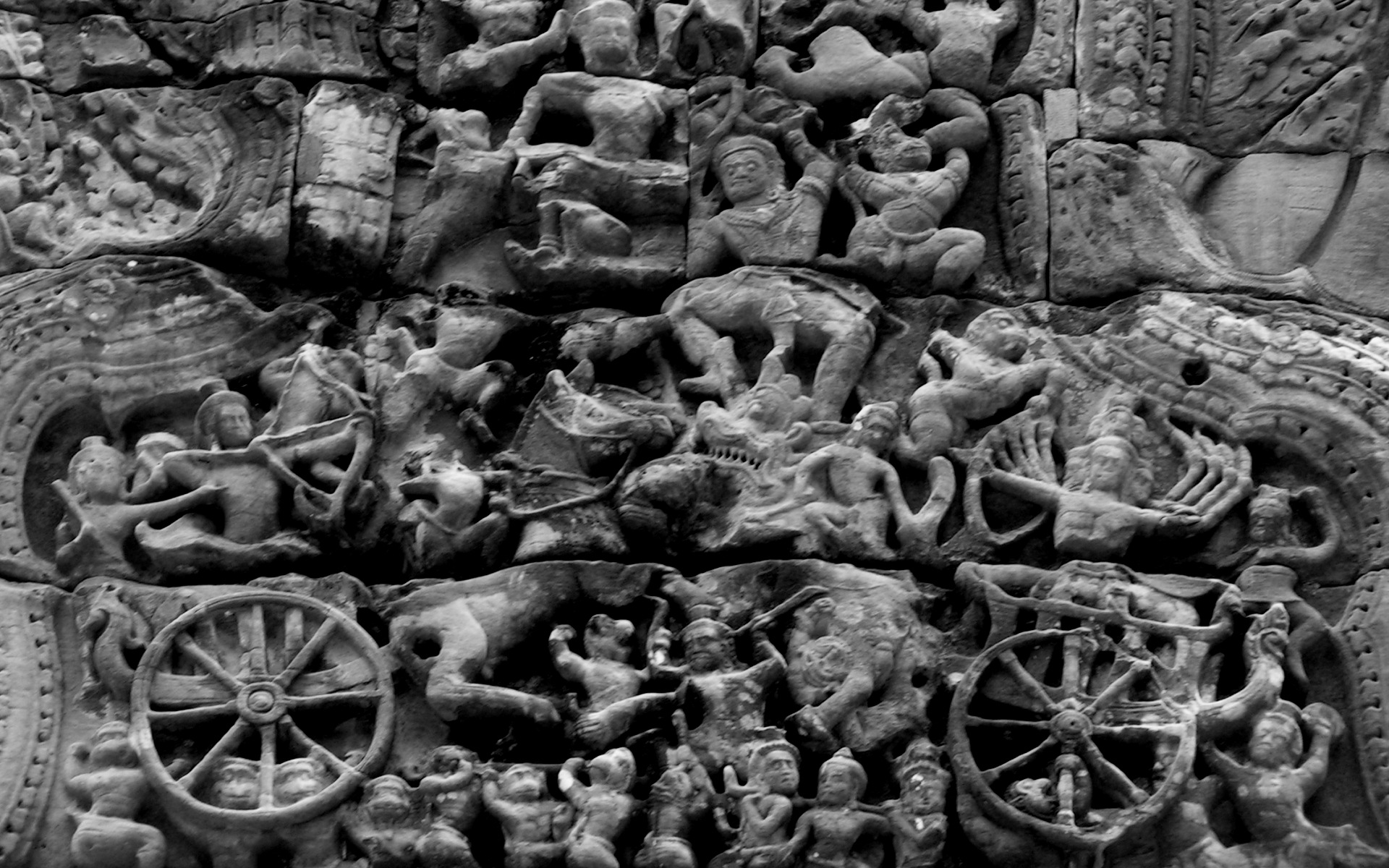
For a person who has lived in the Indian main land and has experienced sanatanic lifestyle to the fullest, a mere visit to the Cambodian monuments will convince...
Prevalence of Dharmaśāstra-Purāṇa–Itihāsa Traditions in Cambodia 7th Century CE There is ample evidence to show that the Hindu colonists in Kambuja set up an...
The current article is an enlarged version of a talk presented by Arjun Bharadwaj on 5th June 2018 at the National Seminar on Dharmashastra - Theory and Practis...
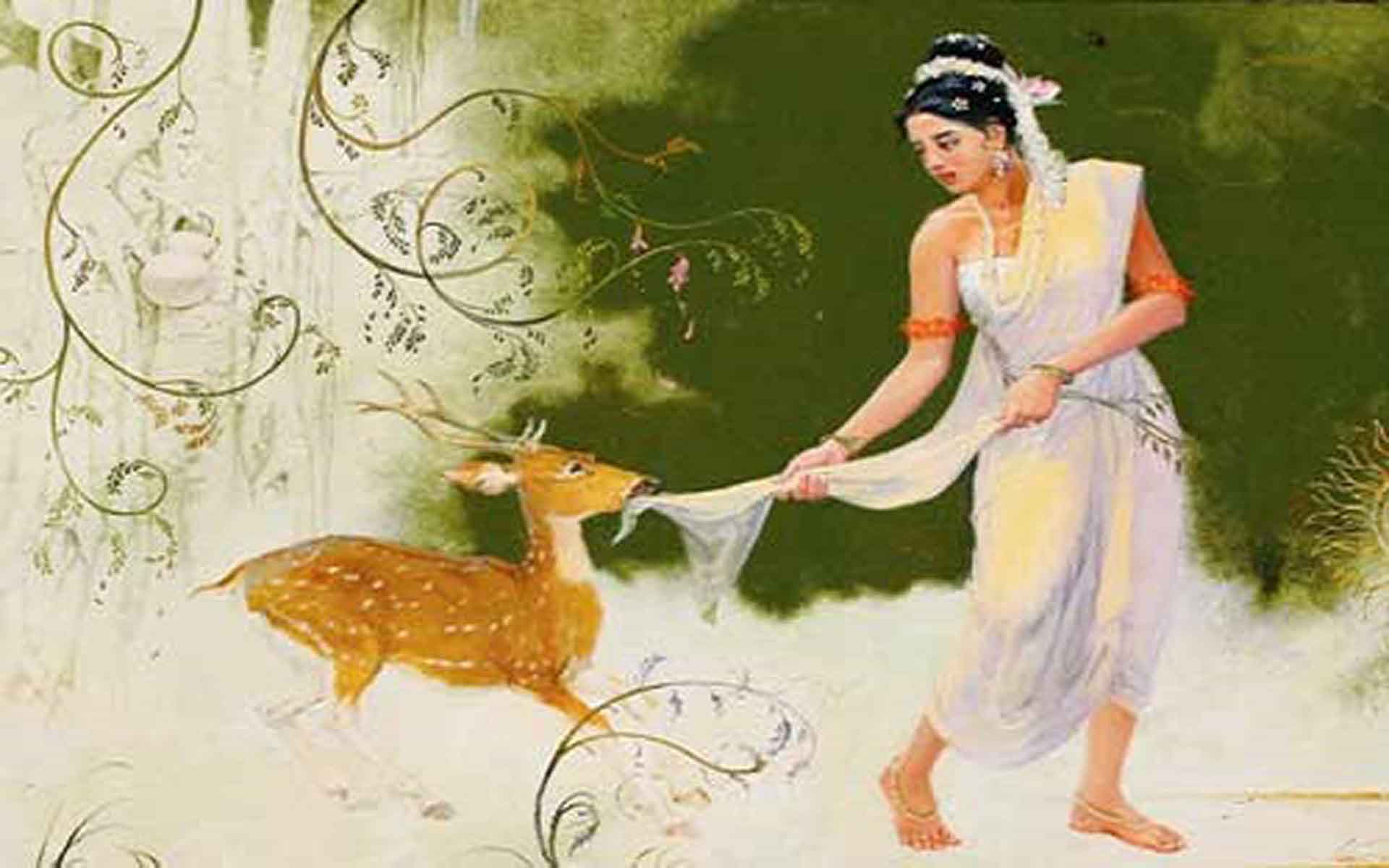
The irrational and the super-natural in the play In Aristotle’s view, there should be nothing irrational (i.e., grossly contrary to what is plausible...
Recognition and reversal (‘Anagnorisis’ and ‘Peripeteia’) The crux of a tragedy lies in recognition and reversal. A simple plot is an action which is continuou...
Plot: Aristotle holds the plot as the primary principle and the soul of tragedy, while character is secondary. Drawing parallels with a painting, he says, if o...
Abstract: The current article attempts to examine where the Indian play Abhijñāna-Śākuntalam, considered to be the best by both the lay and the learned, by ori...
Arthāntaranyāsaḥ uktirarthāntaranyāsasyātsāmānyaviśeṣayoḥ | (C.L. – 119) In Arthāntaranyāsa, a general statement is used to provide a rationale for a specific...
The primary purpose of any work of art is to evoke ‘rasa’, i.e. aesthetic experience in the connoisseur. The experience of rasa is universal and holds true for...
The epics, Iliad and Odyssey of Homer, largely complement each other in terms of what they offer to connoisseurs. Using the terminology of the rasas (flavours o...
The events in the Iliad span only a few weeks in the final year of the war and most of them occur outside the city-walls of Troy. In the Odyssey, the events tak...
Consistency and irony When Odysseus heads towards the city of Ithaca at first in the disguise of a beggar, stray dogs which are unfamiliar with him start barkin...
Excessive greed and curiosity kill! Patroclus, who is moved to pity by the words of Nestor and the sight of the causalities on the side of the Achaeans, makes...
Analysis – Characters and events The epics, Iliad and Odyssey, are placed in the backdrop of war and voyage at sea. Both war and voyage have always posed une...
The current series on the epics of Homer is in six parts. The series contains a brief synopsis of the stories, analysis of the main characters and events, figur...
The current series examines the literary and aesthetic value of the verses of Kṛṣṇakarṇāmṛtam and wherever possible, touches upon their application to music, da...
A paper titled “A Study of the Significance of Travel in Classical Sanskrit Epics with Parallels in Greco-Roman Epics” was presented by Arjun Bharadwaj at the i...
A paper titled “The Perspective of Practical Vedānta in the Works of M. Hiriyanna” was presented by Arjun Bharadwaj at the international conference “New Frontie...
A paper titled "The Perspective of Practical Vedanta in the Works of M. Hiriyanna" was presented by Arjun Bharadwaj at the international conference "New Frontie...
It is usually thought in the world of classical arts, especially in the Carnatic circles in India that a prodigy is born in a family which is rich with a music...
The Nāṭyaśāstra is the world's oldest treatise on performing arts. It is more than 2,500 years old. This encyclopedic work on art by Bharata muni is divide...
Prasanna-rāghava Jayadeva, the author of Candrāloka, has also penned a play called Prasanna-rāghava. The play in seven acts narrates the story of the Rāmāyaṇa...
Āścarya-cūḍāmaṇi Śakti-bhadra, who belongs to the Malabar region, is the author of Āścarya-cūḍāmaṇi. The play in seven acts contains the story of the Rāmāyaṇa,...
The Hanūmannāṭaka, which is also called the Mahānāṭaka narrates the entire story of the Rāmāyaṇa. The play is famous more for its unique structure and less for...
From the Uttara-kāṇḍa of Vālmīki’s Rāmāyaṇa, we learn that Rāma had made up his mind to perform the aśvamedha accompanied by the golden image of Sītā. He does n...
The Kundamālā is a play in six acts based on the Uttara-rāmāyaṇa. The following is the summary – Lakṣmaṇa, as per the command of Rāma, drops off a pregnant Sīt...
In 1923, Mānavalli Rāmakṛṇa-kavi and Rāmanātha-śāstrī compiled and published the play called Kundamālā authored by Diṅnāga. Later, they declared that the name i...
By the beginning of the tenth Century CE and more so in the later years, Sanskrit literature had turned into a barren land. The history of Sanskrit drama that f...
In sum, the subject matter of the play is Advaita-vedānta; the play also has passing references to the other darśanas as well; avaidika matas such as Jaina and...
Kṛṣṇamiśra (11th Century CE) It is likely that Kṛṣṇamiśra, the author of Prabodhacandrodaya lived in the second half of the eleventh century CE. We can say s...
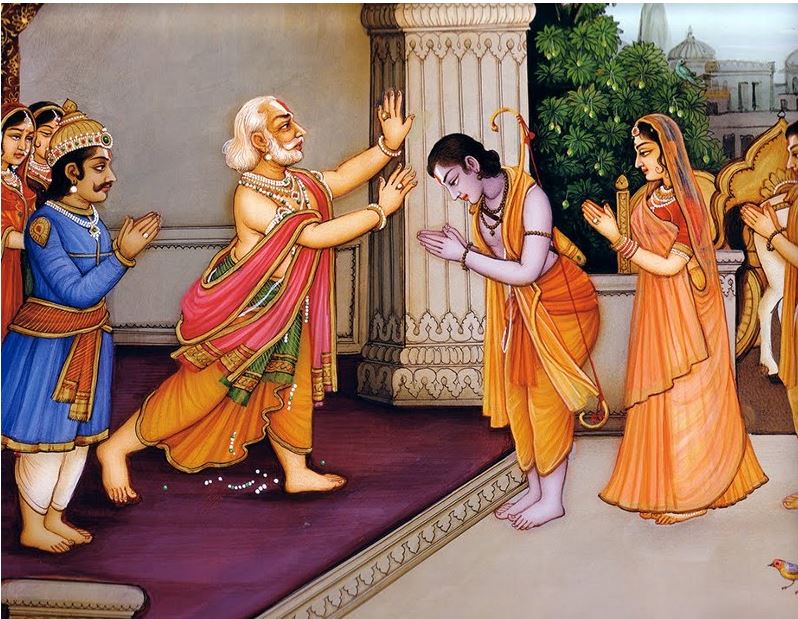
The story of Hariścandra is quite old, and it dates back to the Vedic times; as it won the hearts of the people at large, it gathered more substance with time;...
Kṣemīśvara, also called Kṣemendra, is the author of a play called Caṇḍa-kauśika. The introductory segments of his play reveal to us his place and period to some...
The king finally marries not one, but two women of his antaḥpura with the help of his queen. One of them, as narrated before, was in the disguise of a man and p...
We have been able to lay our hands only on two acts of his other play called Bāla-bhārata or Pracaṇḍa-pāṇḍava; it is hard to say if the poet only wrote so much....
Just like Bhavabhūti, Rājaśekhara too begins his play on the Rāmayana by praying to the Vāg-devatā. In the ten acts of his play, he has covered the story of the...
Bāla-rāmāyaṇa, Bāla-bhārata, Karpūra-mañjarī, Viddha-śāla-bhañjikā, and Kāvya-mīmāṃsā are the works of Rājaśekhara that are available to us today. We learn that...
The Veṇī-sāṃhāra is, thus, a play that encompasses the story starting from Kṛṣṇa-sandhāna to Duryodhana-saṃhāra. The poet has displayed great skill in condensin...
It is hard to determine the period and place in which Bhaṭṭa-nārāyaṇa, the author of Veṇī-sāṃhāra lived. Vāmana (4, 3-28), and other aestheticians quote example...
Bhavabhūti has not included a vidūṣaka in any of his plays – the exclusion maybe because Bhavabhūti felt that he is not endowed with lively and sweet emotions,...
Bhavabhūti appears to have been well-versed in various śāstras as well; he is likely to have read the poems and plays that were authored before his time and tho...
The play Mālatīmādhava belongs to the genre of prakaraṇa; the theme and plot of a prakaraṇa is kalpita, i.e., freshly created by the poet-playwright. Thus, the...
The Mālatī-mādhava is a prakaraṇa in ten acts like the Mṛcchakaṭika. The following is the story – There lived a minister by name Bhūrivasu in the kingdom of Pa...
The playwright has displayed his special calibre in compressing the events of an epic into a play, just as he has done in the Mahāvīracarita; in merely a single...
Uttara-kāṇḍa of the Rāmāyaṇa does not mention anything about the battle involving Lava and Kuśa; the Pātāla-khaṇḍa (adhyāyas 1-68) of the Padma-purāṇa speaks ab...
We may safely say that the Uttara-rāma-carita was the final product of Bhavabhūti’s talent; however, we are discussing the play here because its story is a cont...
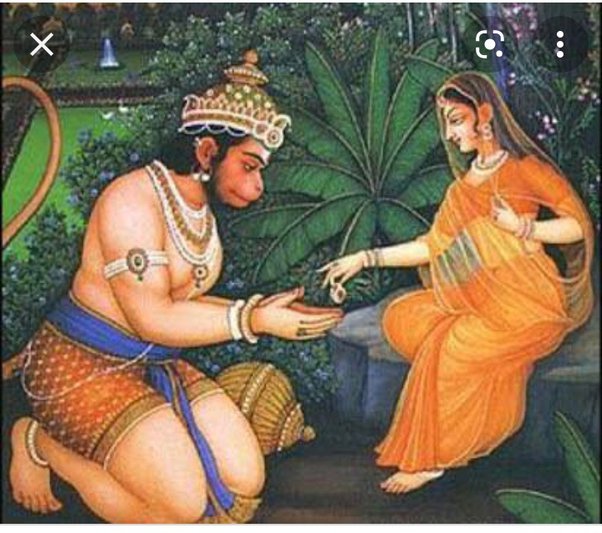
Mālyavanta is distressed that his plans are failing. (The burning of Laṅkā; Akṣakumāra is slain; Hanūmān offers Rāma’s ring as a token of recognition to Sītā);...
One of the manuscripts of the Mālatī-mādhava states that the work was authored by Bhaṭta-kumārila’s student (prose at the end of Act 3); the colophon at the end...
Bhavabhūti is the author of three plays, namely – Mahāvīra-carita, Mālatī-mādhava, and Uttara-rāma-carita. It is quite probable Mahāvīra-carita was the first pl...
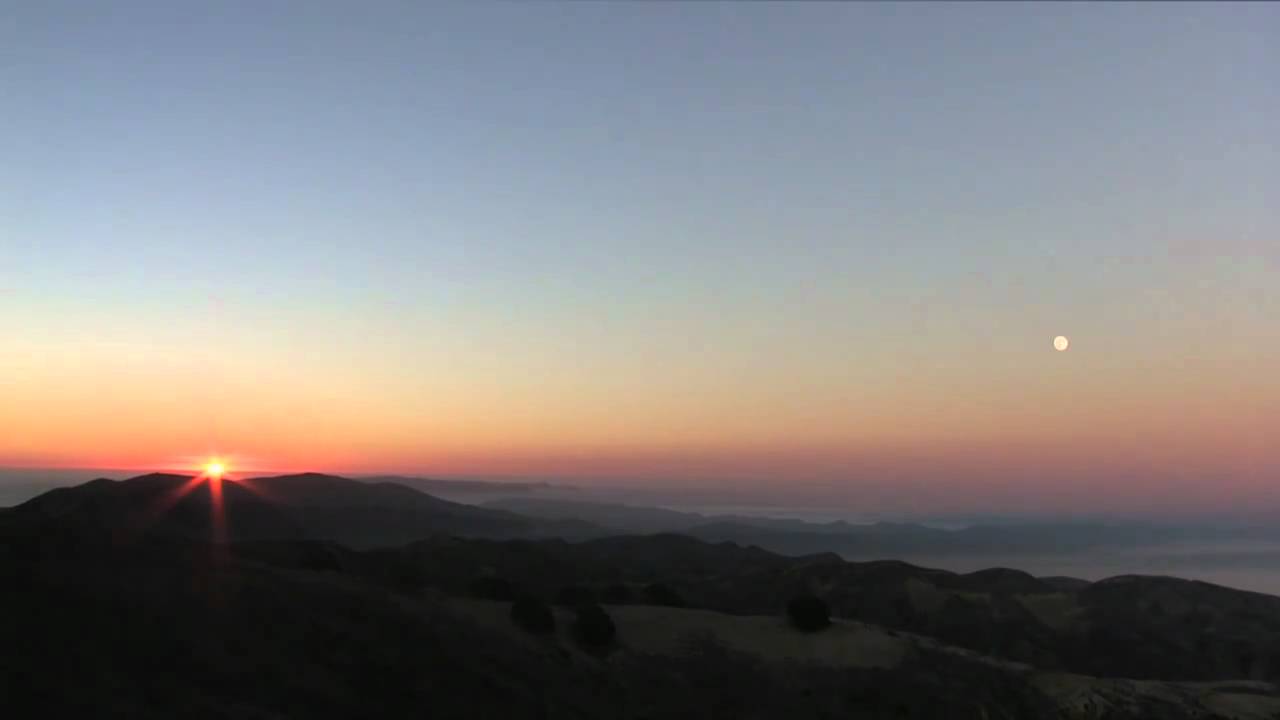
Moonrise किं पद्मस्य रुचिं न हन्ति नयनानन्दं विधत्ते न वा वृद्धिं वा झषकेतनस्य कुरुते नालोकमात्रेण किम् । वक्त्रेन्दौ तव सत्ययं यदपरः शीतांशुरभ्युद्गतो दर्प...
In this way, the poet has pictured dāna-vīra rooted in dayā; śṛṅgāra, hāsya, karuṇa, and adbhuta rasas are secondary in the play. In other words, they become th...
Some wonder why and how Harṣa was inspired to write a story connected with the bodhi-sattva; it is not difficult to surmise a possibility. Though there is some...
There is nothing special in the characterisation in the Ratnāvalī and Priyadarśikā; the characters are well known through the works of Bhāsa and Kālidāsa; their...
Kathā-sarit-sāgara was composed in the eleventh century CE (between 1063 and 1081 CE) based on the Bṛhatkathā, which was in paiśācī prākṛta; the Bṛhatkathā-mañj...
Sāṅkṛtyāyanī had designed a play that showcased the manner in which Vatsa-rāja, who taught music to Vāsavadattā fell in love with her. The play was planned to b...
Jayāpīḍa (around 800 CE) says that Ratnāvalī was authored by the king. Jayadeva (around 11th Century CE) also concurs with this opinion – he says that the play...
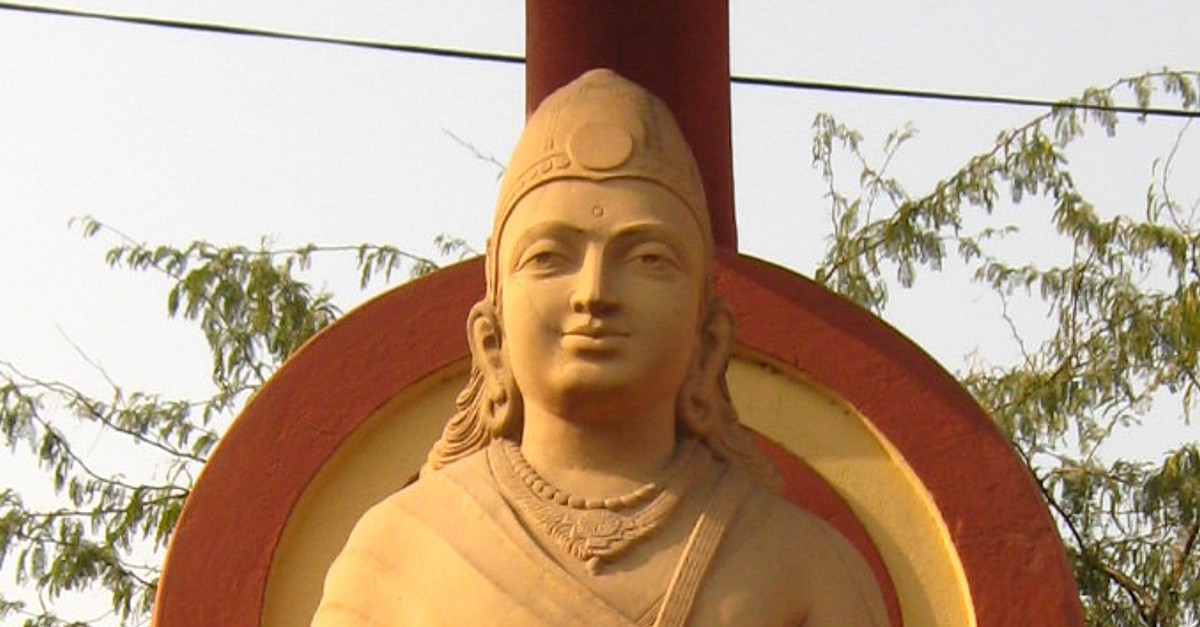
We know the biographical details of only a few kings who ruled ancient India. Other than Candragupta Maurya and Aśoka, the most famous of them, we know ab...
The nature of various characters in the play is clear. In the world of Sanskrit literature, it is rare to find such well-defined characters and sets of events t...
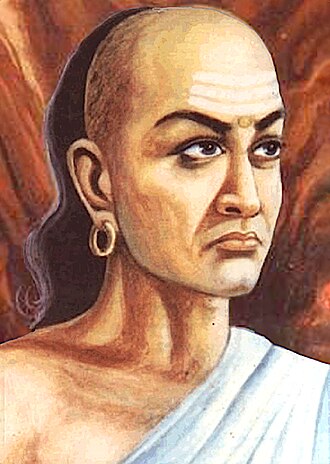
Because he was so smart, Cāṇakya always exercised caution in his actions; he was all eyes at all times; he was able to estimate the enemy’s strategy by merely l...
The Viṣṇu- and the Bhāgavata-purāṇas narrate the story of Candragupta Maurya in brief. However, as Dhanika says, it is quite likely that the seed story of the M...
The following is a summary of the story of the play Mudrārākṣasa – [Upon the elimination of the lineage of the Nandas, Amātya-rākṣasa joins hands with Malayake...
We can gather quite a few biographical details about Viśākhadatta from the prastāvanā of his play Mudrārākṣasa; he was the grandson of Vaṭeśvara-datta and the s...
From the discussion carried out so far, I hope the reader does not come to the conclusion that Kālidāsa is conservative or is always other-worldly in his though...
Unlike in the epic, Duṣyanta in the play, does not seek to marry Śakuntalā in a hurry. Kālidāsa introduces Śakuntalā to Duṣyanta little by little; the poet has...
The playwright has constructed the plot and stitched together incidents to align with the fundamental philosophy of the story and the nature of its characters....
Mālavikā is a princess who was born and brought up in a palace; she is well-versed in dance and music; she was always a part of the life of antaḥpura and looked...
The Śākuntalopākhyāna of the Mahābhārata has taken the form of an impressive nāṭaka in the skilled hands of Kālidāsa’s. The story in the epic is akin to gold or...
By the time of Kālidāsa, the role and characteristic features of the vidūṣaka had taken a concrete form. The vidūṣaka in the Vikramorvaśīyam is endowed with qui...
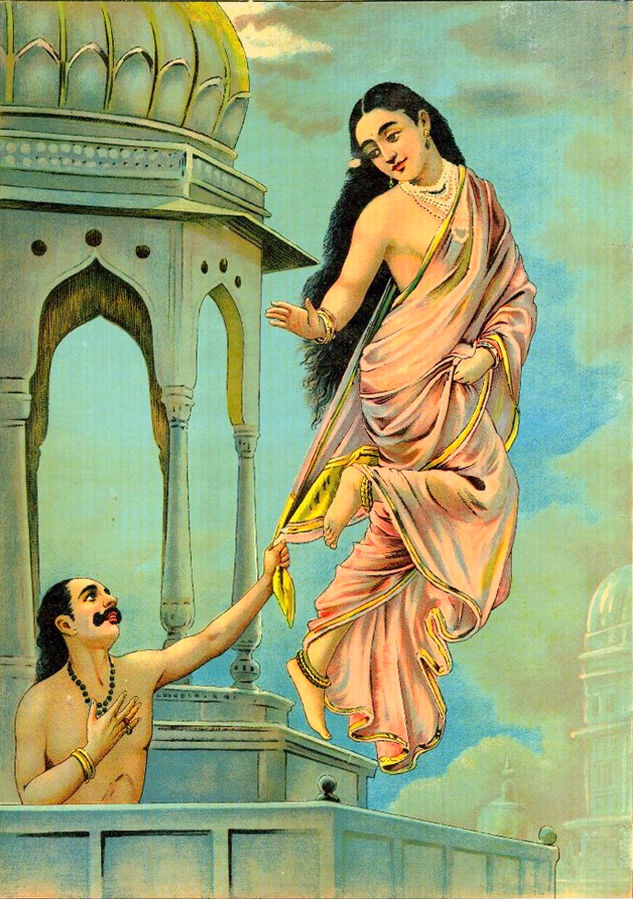
The poet has clearly indicated the difference between the personalities of the queen on the one hand and Urvaśī on the other; their names are suggestive of the...
In the Vikramorvaśīyam, the poet has brought in several elements to amplify vipralambha-śṛṅgāra; as mentioned before, Purūrava gets separated thrice from Urvaśī...
There is quite a lot of difference between the story narrated above and the version that occurs in the Kathāsaritsāgara[1]. According to the Kathāsaritsāgara, P...
Once, when the precious gem was being brought upon a golden plate, an eagle mistook it for a piece of flesh and flew away with it. The king chased behind the bi...
The Vikramorvaśīyam, like the Mālavikāgnimitram consists of five acts. The following the summary of its plot King Purūrava, who was returning after having fini...
Pātra-prāśastya – Excellence of Character Pātra-viśeṣanyastaṃ guṇāntaraṃ vrajati śilpam-ādhātuḥ! Jalam-iva samudra-śuktau muktāphalatāṃ payodasya ॥ Act 1,...
In the characters of Queen Dhāriṇī and Irāvatī, we can see the abhinaya of mature and experienced women; there is a difference of flavour in them. Dhāriṇī is th...
The story so far is a tale of love that takes place in the king’s antaḥpura and the garden. Though there are incidents connected with the politics of the kingdo...
Mālavikāgnimitram is a play in five acts. The following is the summary of the plot – The province of Vidiśā was ruled by a king named Agnimitra; he had two wiv...
Kālidāsa uses astrological terms such as uccha and jāmitra in his works; these are from Greek origin. From this, we can estimate that he did not live before 350...
It is difficult to tell when and where Kālidāsa lived, just as in the case of Bhāsa. Quite an amount of research has taken place on the subject and there have b...
There is another unique feature in the theme of the play Mṛcchakaṭika – it is the story of a brāhmaṇa; Cārudatta is a brāhmaṇa by birth but a trader by professi...
In these literary works, the life of Cārudatta is the central theme; the story of Āryaka is of secondary importance and only serves to bolster the main pl...
... continued from the previous episode... Śarvilaka brings Vasantesenā’s ornaments to Madanikā; she gathers the reality from him and sends the ornaments to Va...
Sten Knonow, however, opines that Śūdraka must have been another name for the king of ābhīras called Śiva-datta and this king is known to have lived in the thir...
It is hard to say when and where Śūdraka was born. The following verses that occur at the beginning of his play, the Mṛcchakaṭika, provide us with some details...
Bhāsa’s plays contain quite a number of novel and fresh ideas and emotions. He also brings in proverbial statements through the dialogues of the characters; the...
We don’t know if there are more plays written by Bhāsa. We have been able to find fourteen now. Many compendiums of poems quote quite a few verses that are supp...
The nature of Duryodhana in Ūru-bhaṅga is different from the manner in which he is portrayed in the plays Dūta-vākya and Dūta-ghaṭotkaca. In the segment of the...
Dūta-vākya continued ... War was inevitable; Bhīṣma sleeps on a bed of arrows; the first ten days of the war was led by Bhīṣma. On the eleventh day, Droṇa was...
Madhyama-vyāyoga, Dūta-vākya, Dūta-ghaṭotkaca, Karṇa-bhāra, and Ūru-bhaṅga are the other plays authored by Bhāsa based on the Mahābhārata. It is hard to say if...
Continued from the previous part ... Virāṭa, Uttara, Pāṇḍavas and Abhimanyu constitute the third group of people. It is almost impossible to undertake an exclu...
The play Pañca-rātra does not contain some of the bitter episodes that are present in the original Mahābhārata; for instance, in Bhāsa’s version, Kīcaka does no...
The Bāla-carita is a play based on the childhood of Bhagavān Śrī-kṛṣṇa. The following is the summary of the plot: Vasudeva crosses the river Yamunā, reaches the...
The play Cārudatta (also called Daridra-cārudatta) is based on stories popular in the folk tradition. The play has a significant place in the history of...
As Svapna-vāsava-dattā is the most famous among Bhāsa’s plays and Pratijñā-yaugandharāyaṇa forms its prequel, we took them up for analysis first. In fact, we sh...
The story that began in Pratijñā-yaugandharāyaṇa continues in the play Svapna-vāsavadatta. Yaugandharāyaṇa and Vāsava-dattā work together in order to get Udayan...
The original work of Bṛhatkathā is not available today. However, we can infer its structure and content based on the Kathā-saritsāgara. The main storyline relat...
In about 1910, when Mahāmahopādhyāya T. Ganapati Shastri was travelling to procure books in the southern regions of Travancore, he happened to lay his h...
11. Saṃlāpaka – A saṃlāpaka has either three or four acts and the nāyaka is a pāṣaṇḍa[1], i.e., a heretic. The play evokes all rasas except for śṛṅgāra and karu...
Upa-rūpakas The Sāhitya-darpaṇa defines eighteen uparūpakas namely, nāṭikā, troṭaka, goṣṭhī, saṭṭaka, nāṭya-rāsaka, prasthāna, ullāpya, kāvya, preṅkhaṇa, rāsak...
Ḍima – A ḍima is based on prakhyāta-vastu, i.e., a popular story. It is filled with supernatural and magical elements; eclipses and wars also come as a part of...
Nāṭaka, prakaraṇa, bhāṇa, prahasana, ḍima, vyāyoga, samavakāra, vīthi, aṅka, and īhāmṛga – these constitute the ten rūpakas, i.e., the ten different genres of S...
Language The Sanskrit theatre employed several kinds of prākṛtas (Prakrits) in addition to saṃskṛta (Sanskrit); this is a special feature of the Sanskrit dram...
Nāyikā The main heroine of the play is called the nāyikā; she, along with the nāyaka, plays the most important role in the drama. The nāyikās are of three ki...
Artha-prakṛtis Artha-prakṛtis capture the gradual development of the plot. The Nāṭyaśāstra identifies five stages of development, namely bīja (‘the seed’)...
Vastu Vastu refers to the story or the plot of a play and is also referred to as itivṛtta. The vastu or itivṛtta is of two kinds – ādhikārika and prāsaṅgika....
Rāma’s messengers quickly conveyed the message to Sage Vālmīki. The maharṣi said, “So be it! A husband is a wife’s divinity. Sītā will act in a way that Rāghava...
Lakṣmaṇa described to Rāma the glory of the aśvamedha and narrated the story of Indra vanquishing Vṛtrāsura. Upon performing the aśvamedha to Bhagavān Viṣṇu, In...
Lakṣmaṇa, whose mind was distressed after dropping off Sītā on the banks of the river Gaṅgā, watched her being taken into the āśrama. He told his counsellor and...
Upon hearing the words of the sage, Rāma said, “There is no match for Hanūmān’s valour, commitment, sincerity, and strength. He found Jānakī in Laṅkā, reduced t...
Even after having been cursed by Anaraṇya, Rāvaṇa continued to torment the worlds. Devarṣi Nārada warned him against it, but the rākṣasa paid no heed to the mun...
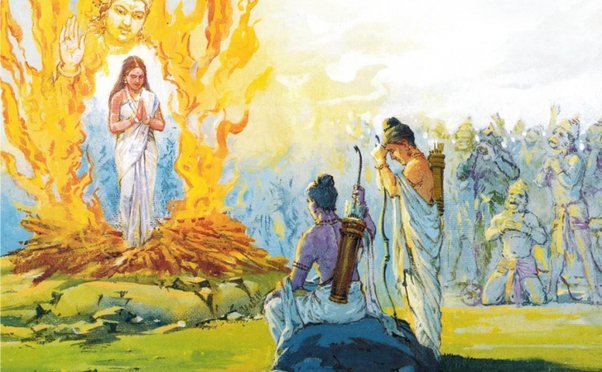
Many ṛṣis from around the world came to congratulate and bless Rāma for his victory against the rākṣasas. The ṛṣis specifically extolled Rāma’s victory over Ind...
Maheśvara was extremely pleased hearing the glorious words of Rāghava. He told Rāma, “Thanks to good fortune, you have vanquished your enemy and regained your b...
Hanūmān told Rāma, “Queen Maithilī, who has been tormented by grief all this while, was overcome with immense joy upon hearing of your victory. She wishes to se...
As the army of the rākṣasas was routed in the war, the wives of the rākṣasas, who were now widowed were grief-stricken. They huddled together and spoke to each...
Indrajit quickly understood Rāma’s strategy. The master of illusions placed before him an illusory Sītā and pretended to kill her before his enemies’ eyes. As a...
Kumbhakarṇa took a massive form as he marched ahead. His eyes were as large as a cartwheel and he looked like a moving mountain. As he came to the battlefield,...
Even as they were watching, there arose a swift wind, hurling water into the ocean, driving away clouds, and seeming to shake the mountains. The wind was being...
Rāma observed many portents and advised Lakṣmaṇa that they must attack Rāvaṇa’s city without delay. He descended from the mountain Suvela and inspected his army...
The spies returned to Laṅkā and informed Rāvaṇa that Rāma and his army had camped in the vicinity of Mount Suvela. Rāvaṇa was displeased that the spies had been...
Upon listening to Hanūmān’s words, Rāma said, “Listen to my view in its entirety. I would, under no circumstance, turn away someone who has come to me seeking f...
Rāma was delighted hearing Hanūmān’s faithful account of the events in Laṅkā. He said, “Hanūmān has executed the tremendous task entrusted to him by his...
The Nature of Sanskrit Drama The word nāṭya originates from the dhātu naṭ, which happens to be a prākṛt form of the dhātu nṛt. Both the root words mean to ‘dan...
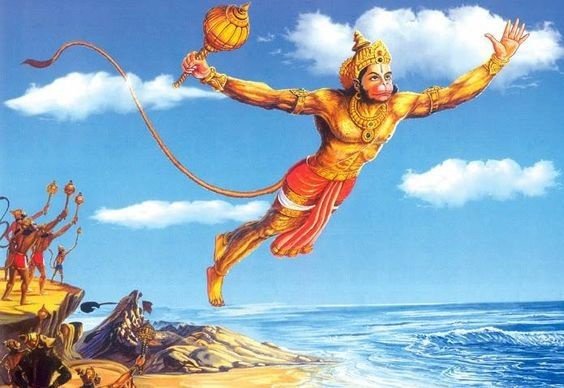
Hanūmān flew through the sky which resembled the ocean in all its features. He entered and reemerged from the mass of clouds and resembled the moon, which is al...
Hanūmān grew in size and set forth from there. But as he left, he thought, I have found her, but there is one thing that remains. Among the four upāyas, sāma in...
Nāṭaka has a special place in the world of Sanskrit literature. Indian aestheticians have always held that nāṭaka occupies the highest rung in the hierarchy of...
Hanūmān, who was hiding behind the branches of the tree, had thus seen and heard everything that had taken place there. He thought, ‘I have found Sītā, but I mu...
Hanūmān looked for Sītā everywhere in the vicinity of the palace. He searched the creeper-covered pavilions, picture galleries, and night rooms, but was unable...
India seems to be the only civilization that has philosophically contemplated upon the nature of Ānanda and realised it to be the ultimate outcome of art. Ānand...
Hanūmān assumed a body of immeasurable size right in front of the vānaras. Pressed down by the huge vānara, the mountain trembled for a moment which caused the...
Hanumān, Aṅgada, Tāra, and other vānaras looked for Sītā in all possible places in the direction indicated by Sugrīva. They searched the caves and thickets of t...
Once the sky was free of clouds, Rāma, who had waited patiently the entire rainy season, was overcome with intense desire to regain the company of Sītā. He look...
Vālī’s wife Tārā heard that her husband had been struck down by an arrow shot by Rāma. She rushed out with her son from her cave-residence. At the sight of Rāma...
Sugrīva was immensely pleased with Rāma’s promise but he wanted to make him understand Vālī’s prowess. He said, “Even before the Sun rises, Vālī traverses from...
Rāma arrived at Lake Pampā that was full of lotus and lilies and was teeming with fish. The mere sight of the lake sent a joyous tremble through his body. But t...
Though Rāghava was the elder of the two, he immediately accepted the advice of Lakṣmaṇa, recognising the essential truth the latter had spoken. Accordingly, the...
As she was being carried away by Rāvaṇa, Sītā was stricken with misery. With her eyes red with anger, she said, “You don’t appear to feel ashamed for performing...
Back in the āśrama, Sītā heard the cry of distress, which sounded just like her husband and with great anxiety she instructed Lakṣmaṇa, “Go and find out what ha...
Rāvaṇa said to the rākṣasa Mārīca, “My dear friend, hear me. I am in immense distress and you are my sole means of solace. You know Janasthāna, where once dwelt...
As Rāma and Lakṣmaṇa sat along with Sītā in leaf hut engrossed in conversation, a rākṣasī named Śūrpaṇakhā, the sister of the ten-headed rākṣasa Rāvaṇa happened...
Many sages gathered around Rāma once Śarabhaṅga had ascended to svarga. They told him their plight of being tormented by rākṣasas along River Pampā, Mandākinī,...
Rāma, Sītā, and Lakṣmaṇa walked ahead and reached Sage Atri’s āśrama. Rāma prostrated before him and the sage received him like a son. He personally provided ho...
With the wives of Daśaratha before him, Sage Vasiṣṭha set out to the spot where Rāma was. Kausalyā saw the bathing place of Rāma and was overcome by sorrow. The...
Bharata, the mothers, and the army reached the vicinity of the Citrakūṭa mountain. Bharata observed, “The trees on the mountains scatter their flowers on the mo...
Phonetic languages have two major purposes – one is related to the realm of emotion (bhāvopayoga[1]) and the other to the material world (bhavopayoga). We do no...
When Bharata did not find his father, he went to his mother Kaikeyī’s home. When he asked about his father, Kaikeyī merely replied, “Your father has taken the p...
The next morning, Rāma awoke Lakṣmaṇa and they set out into the forest. Rāma enjoyed the beauty of nature and pointed it out to Sītā as well. Spellbound with th...
As long as the dust raised by Rāma’s chariot was visible, Daśaratha’s height appeared to be increasing, as he strained to catch a last glimpse of his son. He co...
A brāhmaṇa by name Trijaṭa who belonged to the Gārgya-gotra approached Rāma and told him about his poverty. He had many children and subsisted his family throug...
As he entered his residence, he saw Queen Kausalyā, who was clad in white silk and had spent the night observing a vow. She had performed pūjā to Bhagavān Viṣṇu...
Daśaratha, having ordered the anointing of Rāma, entered his home to convey the happy news to his queen. To his utter dismay, he saw Kaikeyī, dearer to him than...
Upon the behest of the king of Kekaya, his maternal grandfather, Bharata went with his uncle Yudhājit to his kingdom. Śatrughna went along with Bharata and King...
The next morning, Janaka invited Viśvāmitra and the boys to his court. Viśvāmitra requested the king to show the Mighty Bow that he possessed. Janaka th...
After listening to the story of the city of Viśālā, the brothers along with Sage Viśvāmitra received Sumati’s hospitality and spent the night there. The next mo...
As Rāma and Lakṣmaṇa went ahead with the sages, they arrived at the banks of the river Jāhnavī. Upon Rāma’s request, Viśvāmitra started narrating the st...
The next morning, the brothers woke up, bowed down to the confluence of the rivers Sarayū and Jāhnavī and arrived at the region of Maladā and Karūṣā – the regio...
When Viṣṇu was about to take birth as the sons of Daśaratha, Brahmā addressed the devas – “You should create powerful beings to assist Viṣṇu. Beget vānaras who...
Daśaratha did not beget children for a long time and craved to have a successor for his lineage. He decided to perform the Aśvamedha upon the consultation of hi...
Pleased upon hearing the story of Rāma, the sage Vālmikī eulogised Nārada, bid him farewell, and proceeded to the banks of the river Tamasā. Pointing at the cle...
[Starting this Rāmanavami, every Friday, Prekshaa presents a condensed prose rendering of the Vālmīki-rāmāyaṇa based on the critically constituted text. We atte...
Cindu – The word cindu means to jump or to leap; in the Telugu language, the word is also used in the sense of overflowing, springing up and pouring out.&nbs...
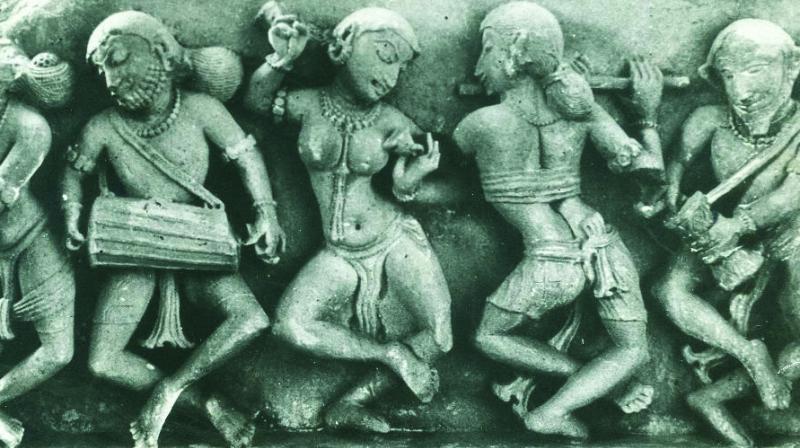
The daśa-rūpakas and many upa-rūpakas need to be staged using mārga-karaṇas, mārga-cārīs, and mārga-sthānakas; these have to come along with nṛtta-hastas as wel...
Chalika, cillī, cillikā, cillī-karma, or cillī-mārga – Abhinava-gupta defines this as a kind of upa-rūpaka rooted in śuddha-nṛtta – pure, non-representational d...
Upa-rūpakas (Continued) 10. Rāsa – Like goṣṭhi and hallīsaka, rāsa is a kind of Śrī-kṛṣṇā-līlā-nṛtya – a form of dance associated with the divine exuberance of...
Upa-rūpakas (Continued) 3. Prasthāna – the emotional states of apsaraḥ-strī or a proṣitapatikā are presented in a prasthāna. The story captures the pangs of se...
Prahasana[1], vīthī, and bhāṇa tickle the insides of the connoisseurs in different ways. Vīthī portrays the commotion, transactions, and humour that take place...
Let us look at the Indian theatrical tradition with the above perspective in mind; it will help us gain new and novel insights. Daśa-rūpakas[1] Sage Bharata h...
Bharata, through the words of Brahmā, defines nāṭya thus – trailokyasyāsya sarvasya nāṭyaṃ bhāvānukīrtanam. Nāṭya or theatrical presentation is an artistic acti...
• Just as a person has a mother tongue that lends itself for his natural expression, a certain pitch is natural for a singer. This sahaja-śruti, i.e., natural p...
Yakṣagāna artistes should bring in newer maṭṭus and saṅgatis that can cater to all different emotions[1]; to do so, they must take refuge in the classical rāgas...
The music scene in India has undergone quite some changes since the introduction of microphones and loudspeakers. In the pre-technological era, it was natural f...
Let us examine the qualities that the extempore delivery of dialogues on the stage should ideally possess. Adherence to śruti, though important, is not the only...
Vācika Mātu and dhātu are the two aspects of vācikābhinaya. They can be loosely translated as lyrics and music, respectively. Gadya, padya, and gīta (pada) are...
I hereby list a few suggestions for Yakṣagāna artistes, especially to enrich their āṅgikābhinaya and realise its value. • It is important to ensure that the st...
Usage of coloured screens in the background and bringing in sceneries on the stage prove to be obstacles in evoking Rasa. Similarly, tying banners or displaying...
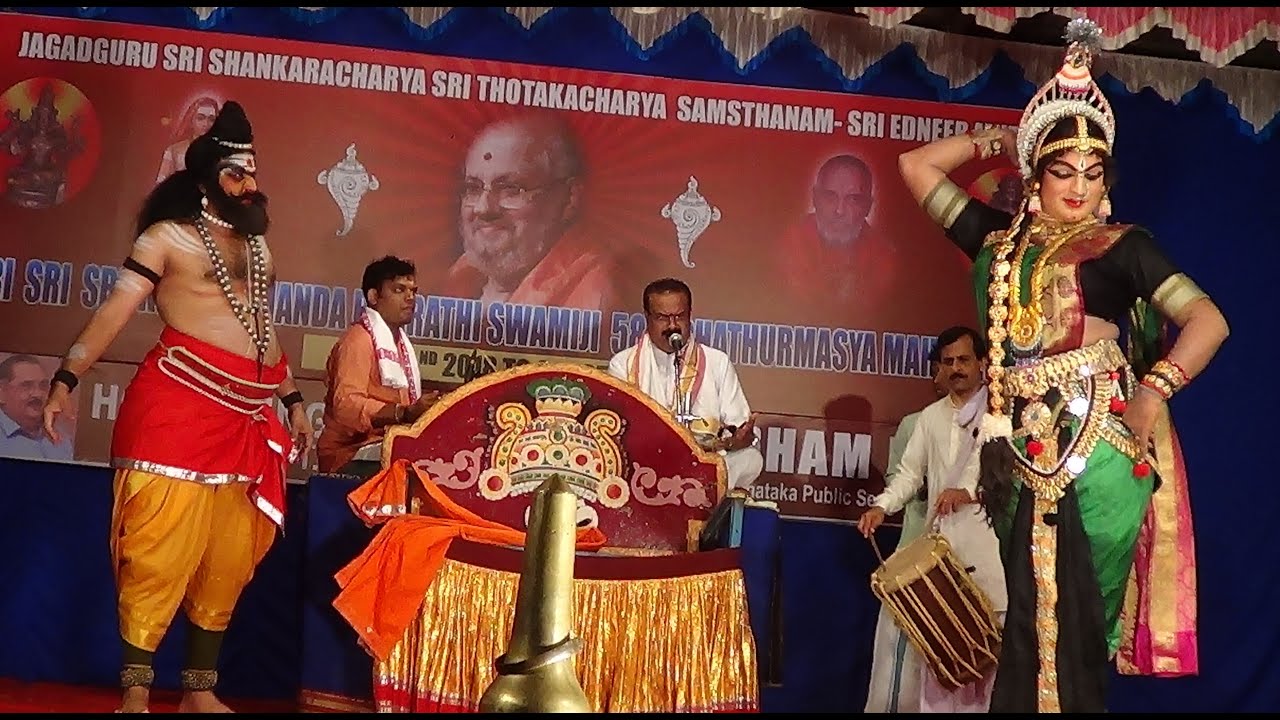
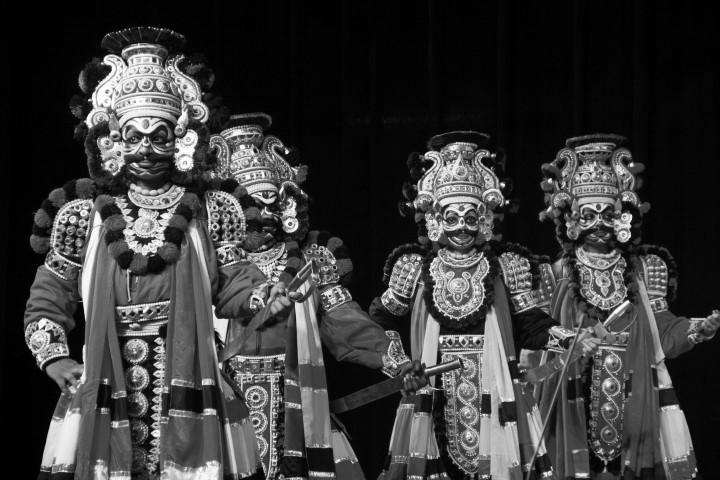
We will need to take stock of the experiments that have taken place with costumes of Yakṣagāna, especially in introducing new characters. Noteworthy attempts ha...
To summarize, it would not be wrong to say that Yakṣagāna has its own costume that is self-complete and beautiful. The puṇḍu-veṣa (kedagè-mundalè) of Baḍagutiṭṭ...
For the sustenance and growth of any form of art, novelty and constant practice are essential. They are required both at the level of the individual and the soc...
The Nāṭyaśāstra classifies raṅga-prayoga (theatrical performances) into two kinds, based on the place where it is staged – bāhya (outdoors) and ābhyantara (indo...
A theatrical performance that is rich in prose-like spoken language, employs gesture language that isn’t stylized and has āṅgika that largely divorced from pure...
All of us will have witnessed different forms of classical theatre art in India. It is not difficult to estimate their mutual concordance and inter-connectednes...
The aesthetics of group dance is compromised because choreographers fail to keep track of the changes that a solo performing art needs to undergo in the process...
We will need to search for an object at the place where we have lost it – this is inevitable and also expected. We can examine this from the perspective of musi...
We often wonder what the state of classical art in the modern world will be, especially when we have several media that can entertain us. Various modes of enter...
Yakṣa-navodaya is an attempt at aesthetically stitching together the compositions of a few Navodaya poets of Kannada. The compositions chosen are ene śuka-bhāṣi...
A Summary of our Productions The following is an overview of our productions. Bhāminī was our first production and I conceived it based on the concept of the...
The interpretation and elaboration that Mantap does for the line raṅganyātakè bārano is extraordinary. He shows several different emotions of the gopikā as he e...
We have hitherto discussed about āhārya, āṅgika, and vācika. The next aspect to discuss is sāttvikābhinaya – the most difficult aspect to teach and to express i...
We used the traditional accompaniments of Yakṣagāna, namely caṇḍè and maddalè. To enhance the melody, however, we included flute and violin as accompaniments. F...
Now, moving on to bhāgavatikè. As mentioned earlier, vācikābhinaya of Yakṣagāna is of three kinds and that rendered by the bhāgavata is a major component. Ther...
It was a common scenario for conservative-minded audience of traditional Yakṣagāna to brush aside our presentations as falling into the Bharatanāṭya genre. They...
There were quite a few questions and uncertainties that bothered Mantap. Who do we converse with, when there are no puruṣa-veṣas on the stage? There is no other...
Traditional forms of dance that have their roots in the upa-rūpakas are today called śāstrīya-nṛtya. There are several regional forms of śāstrīya-nṛtya (classic...
Introduction It is natural for artistes to try their hand at bringing novelty to their art. It is rather common to see new experiments and novel presentations...
An interesting feature of Yakṣagāna is that movements are adapted as per the bhūmikā, i.e., character. The hèjjès, sthānakas, and hastas are a function of the n...
The word abhinaya means to take things closer[1]. The word can also mean good character and making things one’s own. Abhinaya can be divided into four kin...
Most people are under the impression that the term Yakṣagāna is only a reference to the particular form of theatre art that is found in the Karāvaḻi-Malènāḍu re...
Another dimension that dance research can explore is to understand and analyse the correlation between music and dance. Music is essential for the successful st...
Today, physiology has developed as an independent branch of study. We must take its help in our analysis of movement vocabulary. Physiology can help us understa...
There are many dimensions that research in classical Indian dance can explore and many paths it can choose to tread. This is, in fact, true from a global perspe...
V Si. and Shastry always got their writings reviewed by the other. They would exchange ideas and opinions, mainly for their own clarity. Those were the years of...
Expertise in Gamaka Subrahmanya Shastry’s skill at gamaka was one of the many things that brought him a lot of fame. He had a keen ear for music from a very yo...
Personality Subrahmanya Shastry had a tall, sturdy, and handsome figure. He was radiant and could attract the onlooker’s attention even when he was in the mid...
The Kannada literary world was familiar with two works of the poet Janna[1], namely - Anantanātha-purāṇa and Yaśodhara-carita. Shastry published yet another wor...
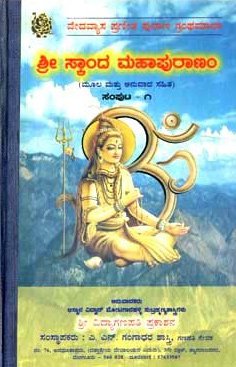
Subrahmanya Shastry seemed to have had quite a long relationship with the Skānda-mahā-purāṇa. This was probably the earliest of the works he had taken up. He ha...
On 29th August 1959, Dr. Sarvepalli Radhakrishnan visited Mysore to inaugurate the All India Conference on Philosophy. Subrahmanya Shastry wrote the following v...
Childhood and Education Subrahmanya Shastry lost his father when he was just about seven or eight years old (c. 1913). He received his early lessons in the Sa...
Introduction It must probably have been the mid-1950s. There was a public event at the National High School, Bangalore. A.N. Krishna Rao was presiding over the...
Generosity of Personality Masti was not particularly affluent. His earnings were not much compared to what government officials earn today. He felt that whatev...
Masti’s life was extremely organized; his work was meticulous, immaculate, and accurate; he kept a track of all his activities and an account of all his expense...
Poetry in Hosagannaḍa Masti, who was inspired by the Hoysaḷa sculptures, wrote his early poems in Hosagannaḍa. Upon seeing this, T S Venkannayya remarked, “It...
‘Respected Guest’ The early life of Masti was filled with poverty and travails. His fight with penury, his days of vārānna[1], and other biographical details a...
Masti Venkatesha Iyengar can be called the ‘Dewan’ of modern Kannada literature. Masti, who gained appreciation having served various governmental departments w...
Engagement with Different Schools of Philosophy Rao’s writings on different schools of Indian philosophy are immensely valuable and provide a lot of clarity to...
Concern for the Society Even a bird’s eye view of Ramachandra Rao’s literary contribution reveals that his mind always traversed the path of the highest peaks...
Adherence to the Tattva – Fundamental Philosophy The alepayoga[1] that the Bhagavad-gītā talks about was not just a topic that Rao preached. He had put it in t...
Studies and Teaching Ramachandra Rao’s father taught him Sanskrit grammar and also works of poetry such as the Raghuvaṃśa of Kālidāsa. He learnt the recitatio...
Bhāmaha writes the following in his Kāvyālaṅkāra “upeyuṣāmapi divaṃ sannibandhavidhāyinām| āsta eva nirātaṅkaṃ kāntaṃ kāvyamayaṃ vapuḥ ||” “Many people...
Sincerity to Values There are several institutions, which received Sharma’s ‘dohada’ (instigation for healthy growth) – Rashtrotthana Parishat, Kannada Sahitya...
A Heart for the Welfare of the Society There is absolutely no doubt that Sharma was always loyal to the tradition. There are some typical ‘norms’ connected wit...
DVG Ārādhaka (A Worshipper of DVG) The respect that Sharma had developed for DVG and the love and affection the latter displayed towards him are über-worldly....
Elucidation of the Beauty of the Śāstras Sharma has helped us not only by unknotting difficult minutiae of vyākaraṇa, sāhitya, and vedānta śāstras but also by...
Feeling of Oneness Sharma took interest in getting to know the progress in the life and career of the students who had graduated from the college with a vidvat...
Sense of Humour Most of the time, Ranganatha Sharma’s mind was engaged in unknotting tough problems posed by the śāstras. But a sense of humour is something th...
Dispassion and Generosity Sharma never sought publicity. He became totally dispassionate about the job he had taken up once it was complete. He authored a coup...
Mahāmahopādhyāya Vidvān N. Ranganatha Sharma (1916-2014), who lived amongst us until recently was known for his thoroughness in traditional knowledge and clarit...
A Worshipper of Sweetness V Si. had great respect for life. He wanted to find grace in life and in literature. He picked out graceful and sweet elements from w...
An Upper Bound for the Number of People in the Family It is not possible for anyone to argue that a joint family should remain intact for eternity. Division at...
Undivided Family Whenever I think of the lives of our ancestors, a kind of anxiety envelopes me. Is there any future for joint family system in our country? Is...
Oratory Skills One can hardly forget V Si.’s extraordinary oratory skills. It was a celebration just to listen to him speak – he was fluent in giving lectures...
The Vampire of Doubts V Si. had doubts at every step. “If I put it this way, this question crops up. If I say it that way, another question arises!” – This kin...
V Si.’s World of Riches H V R Iyengar, the Governor of the Reserve Bank of India had immense respect for V Si. ‘Fate has not dealt too kindly with V Sitaramaia...
A Touchstone Though we have a great deal of material connected with dharma, it is not easy to decide what constitutes dharma and what would be adharma when fac...
Sustainability Competence[1] It is well-known that the word ‘dharma,’ which has gained currency over the millennia has various shades of meaning that are diffe...
V Si.'s Skill at Teaching and Affection for Students Irrespective of the weather conditions and his own state of health, V Si. never missed a class. He always...
Equal to the Gāyatrī-mantra Vyāsa gives the Bhārata-Sāvitrī clarion call in the concluding portion of the Mahābhārata. Just as the essence of all the Vedas ass...
At the Sarada Vilas School, Mysore Students today might find it difficult to believe the state of Sarada Vilas School when V Si. joined as a teacher, in his fi...
The greatest and most expansive epic in the world, the Mahābhārata, is a unique Itihāsa treatise that captures all the prominent events of the Dvāpara-yuga[1]....
Heavenly Friendship Masti, Bendre, Gokak, Panje Mangesha Rao, Shivarama Karanth, Rallapalli Anantakrishna Sharma, Adya Rangacharya, K V Iyer, Ka Vem Raghavacha...
A Blossomed Heart I had the privilege of knowing V Si from intimate quarters for about twenty-five years and I have been the recipient of the extraordinary lov...
‘Hṛdayavanta’—a person of good heart, one with refined taste—is perhaps the best way one can capture the personality of V Sitaramaiah (V Si) in a single word. I...
One must be familiar with the language of the song for which the choreography of abhinaya is done, at least to the extent that the different shades of meaning a...
The following is a translation of an extract from DVG’s lecture which was telecast on 22-9-1956 in the Bengaluru ‘Akashavani’. The transcript of this lecture co...
.... continued from Part 24 of the article "Let me now move on to the second aspect connected with the issue. From what I gather from the śāstras, it is only a...
Our Visit to Sringeri Sri Chandrashekhara Bharati was the presiding Jagadguru during our visit to Sringeri back then. About a couple of weeks before Sastri’s v...
Acharya’s Singing After a few months (since our stay at the Vasanta Mahal), Vidvān Mysore Vasudevacharya’s vocal concert was organised at the reseidence of Dr....
Yayāti was the tenth in the line of descendants from Dakṣa-prajāpati; his son was Pūru. Further in his lineage Duṣyanta was born. The preceptor of the Asuras,...
Duṣyanta – “Listening to the story you just narrated confirms that you indeed are a princess from a royal lineage. Please be my wife! Tell me what you desire to...
There lived a king named Duṣyanta who belonged to the lineage of Puru. He was valorous and was ruling over the earth in a dhārmic manner. There was no varṇa-saṅ...
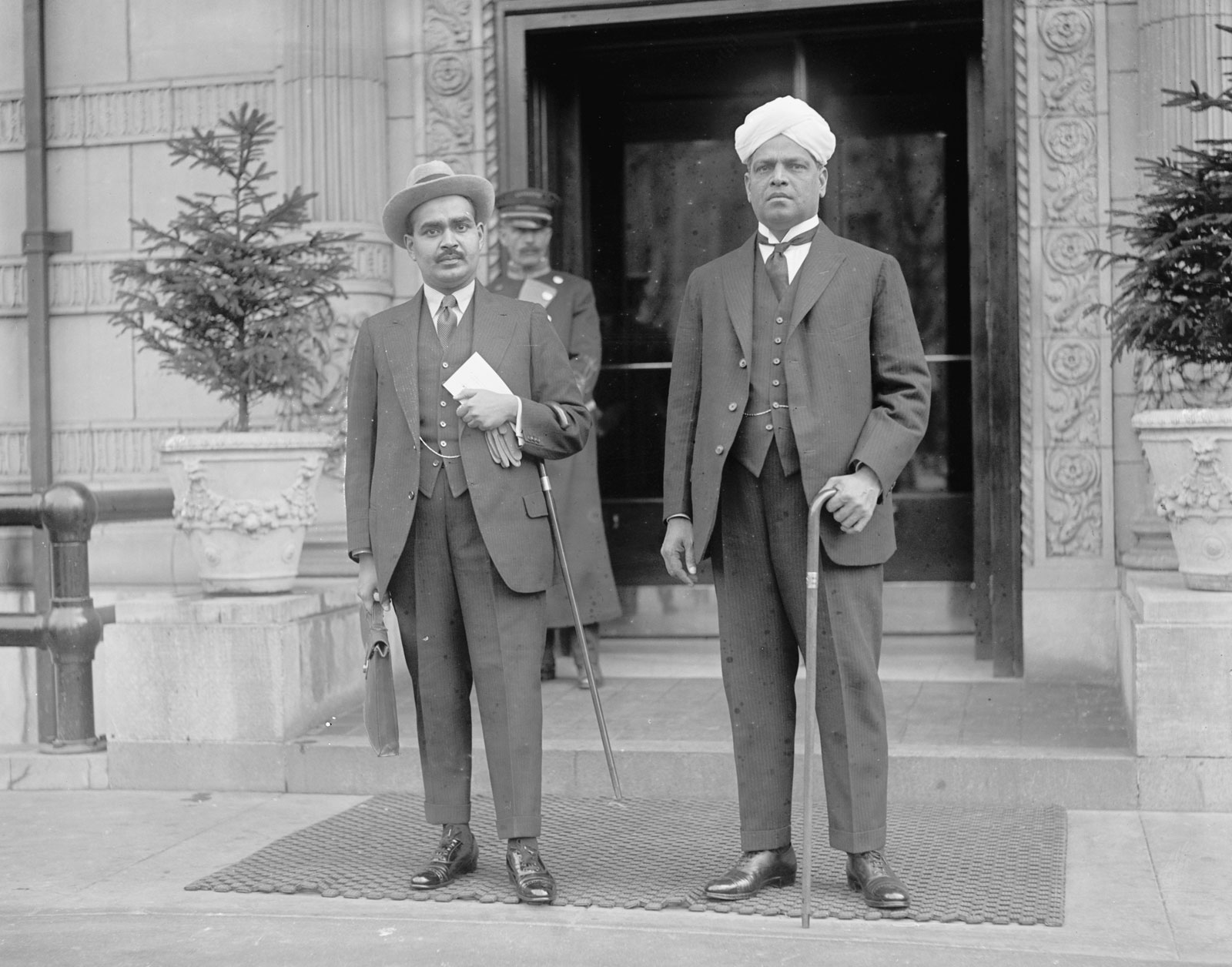
An Experience at the Vasanta Mahal On the evening of Deepavali in 1923, we, i.e., Sastri and his friends, reached Mysore. As per the directions of Sir Mirza Is...
As Yudhiṣṭhira went ahead, he first saw Duryodhana. He was sitting amidst the Devatās, glimmering with the wealth of courage, seated on a throne that was resple...
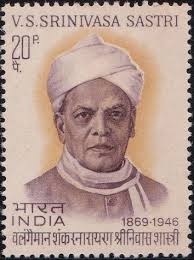
Benevolence Srinivasa Sastri possessed several characteristic traits that won people’s heart and gained him their appreciation. Scholarship, oratory skills, bo...
After Yudhiṣṭhira heard the tragic tale of the Yādavas from Arjuna, he felt like renouncing everything and setting out on a long voyage. He looked at Arjuna and...
Meeting Once Again! That summer, Srinivasa Sastri had taken residence in a house named Seetaalaya in the B.P. Wadia Road in Basavanagudi. Sastri’s sixty-first...
Thirty-six years after the Mahābhārata War transpired, yet another catastrophe struck. Once, the three mahaṛṣis – Viśvāmitra, Kaṇva, and Nārada – came to Dvārak...
Dhṛtarāṣṭra asked Vidura and Gāndhārī to advise Kuntī to go back with her children. He said that she can perform tapas in the kingdom and she had served them ve...
My Request Back in 1929, the government led by Sir Mirza Ismail constituted an advisory committee that was to give suggestions for bettering the political syst...
Upon hearing Dharmarāja's request, asking them to stay back in the kingdom, Dhṛtarāṣṭra replied – “Son, my heart has turned towards tapas. It has come down to u...
Edwin Montagu In matters connected with politics and the social relationships, Sastri wanted to make sure that his speech was clear, credible and did not lead...
The Pāṇḍavas after winning over their enemies, were ruling the vast kingdom under the guidance of Dhṛtarāṣṭra. Sañjaya, Yuyutsu and Vidura were taking care of t...
‘Nourishing the Body’ Every morning during the days when we were working on Gokhale’s biography, we went for a walk. Once we returned, we would sit to work wit...
Dharmarāja went to the Himalayas with his younger bothers and gathered the ingredients required for the Aśvamedha-yāga. He also found large quantities of wealth...
‘Kamala Lectures’ In 1926, the Culcutta University invited Srinivasa Sastri to deliver talks as a part of the Kamala Lectures series. The word ‘Kamala’ that ap...
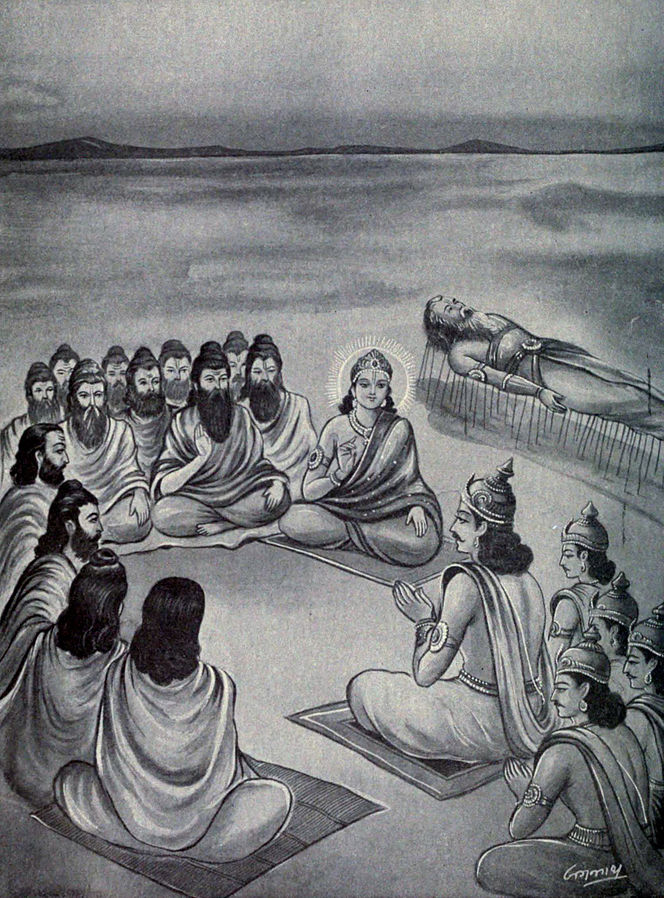
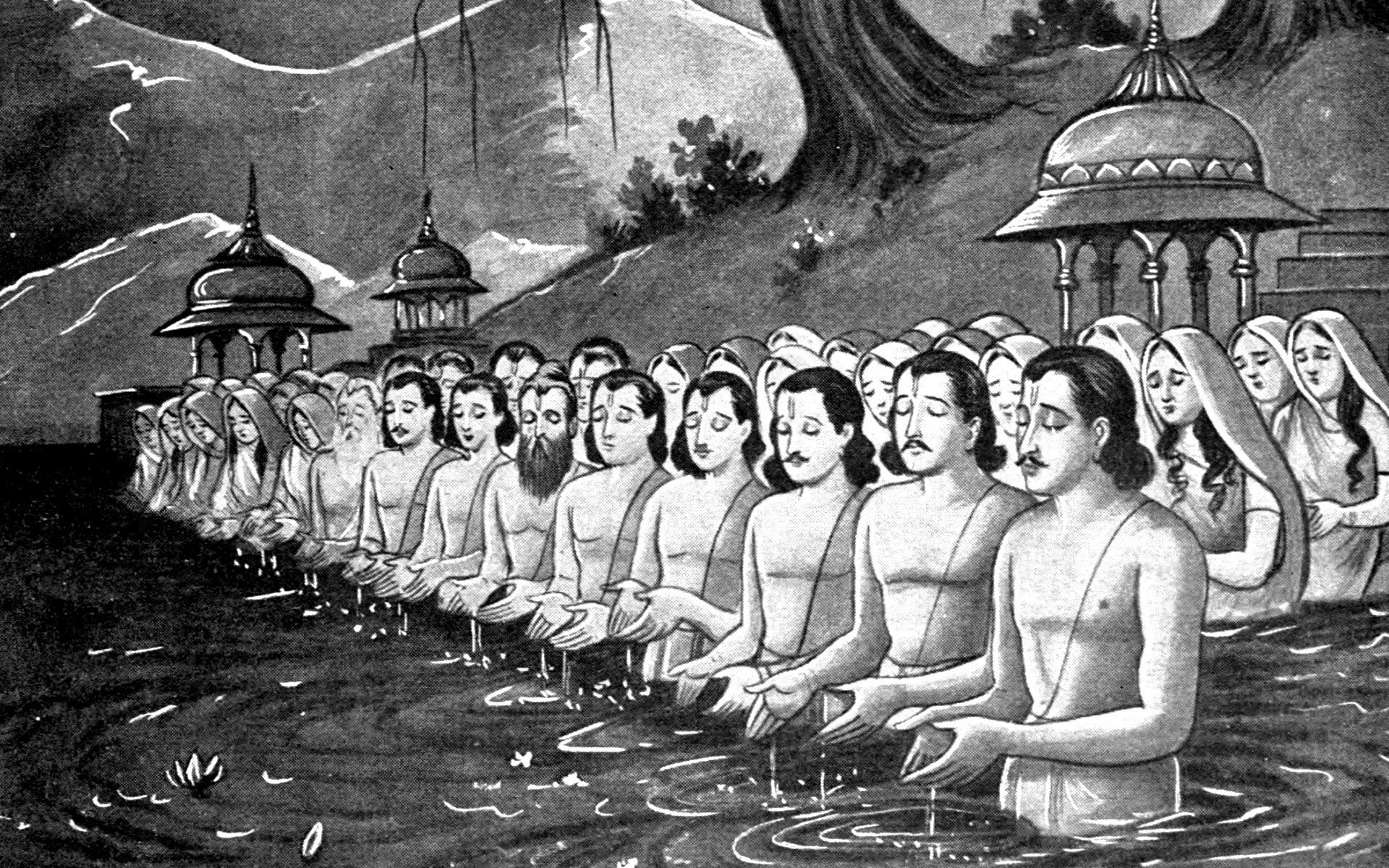
Dharmarāja offered tarpaṇa to Bhīṣma and as he neared the shores of Ganga, he collapsed out of sorrow. Dhṛtarāṣṭra, Kṛṣṇa, Vyāsa and everyone else present there...
Rajaji’s words of advice It is a well known fact that at the end of the World War II, world leaders such as Churchill, Roosevelt, Clemenso and others put their...
Yudhiṣṭhira said, “However competent one might be, if destiny doesn’t smile on him, he will not earn any wealth. Even a helpless chap or a child, if favoured by...
My Suggestions Once, there was a certain shortcoming in the functioning of the Servants of India Society. Sastri was the head of the organization. The English...
Although Bhīṣma spoke many such words of peace and solace, Dharmarāja’s heart would not find peace; he would not be consoled. He lamented with the words – “Havi...
Meeting Venkatakrishnayya Each time Sastri was in Mysore, he first visited M. Venkatakrishnayya at his house. He always informed Venkatakrishnayya well in adva...
Yudhiṣṭhira – Are there any instances in the past when a king attained siddhi, the ultimate accomplishment, even as he was a householder? And if so, what is the...
Yudhiṣṭhira asked, “How did this universe, with animate and inanimate, get created? When it dissolves, where does it go?” Bhīṣma (Relating the discussion betwe...
Meetings and Hospitality Every evening about seven to eight of us met at Srinivasa Sastri's house in Bangalore. Dr. B K Narayana Rao, M S Ramachandra Rao, N N...
In the past, Kāśyapa, the son of a certain riṣi was run over by a chariot that belonged to a vaiśya. The chariot hit him and Kāśyapa fell down. He was greatly p...
Tradition and Contemporary Science Though Srinivasa Sastri had great respect for our śāstra-s and tradition, people who knew him thought that he had some disda...
Yudhiṣṭhira: As time passes by and all creatures are taken to the abode of death, which is the conduct that leads to śreyas (goodness)? Bhīṣma: (What Mādhavī t...
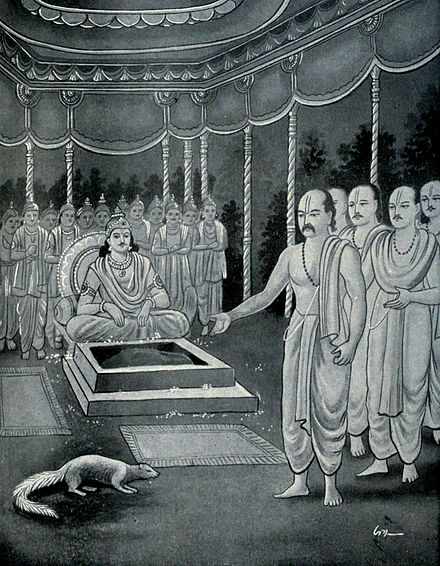
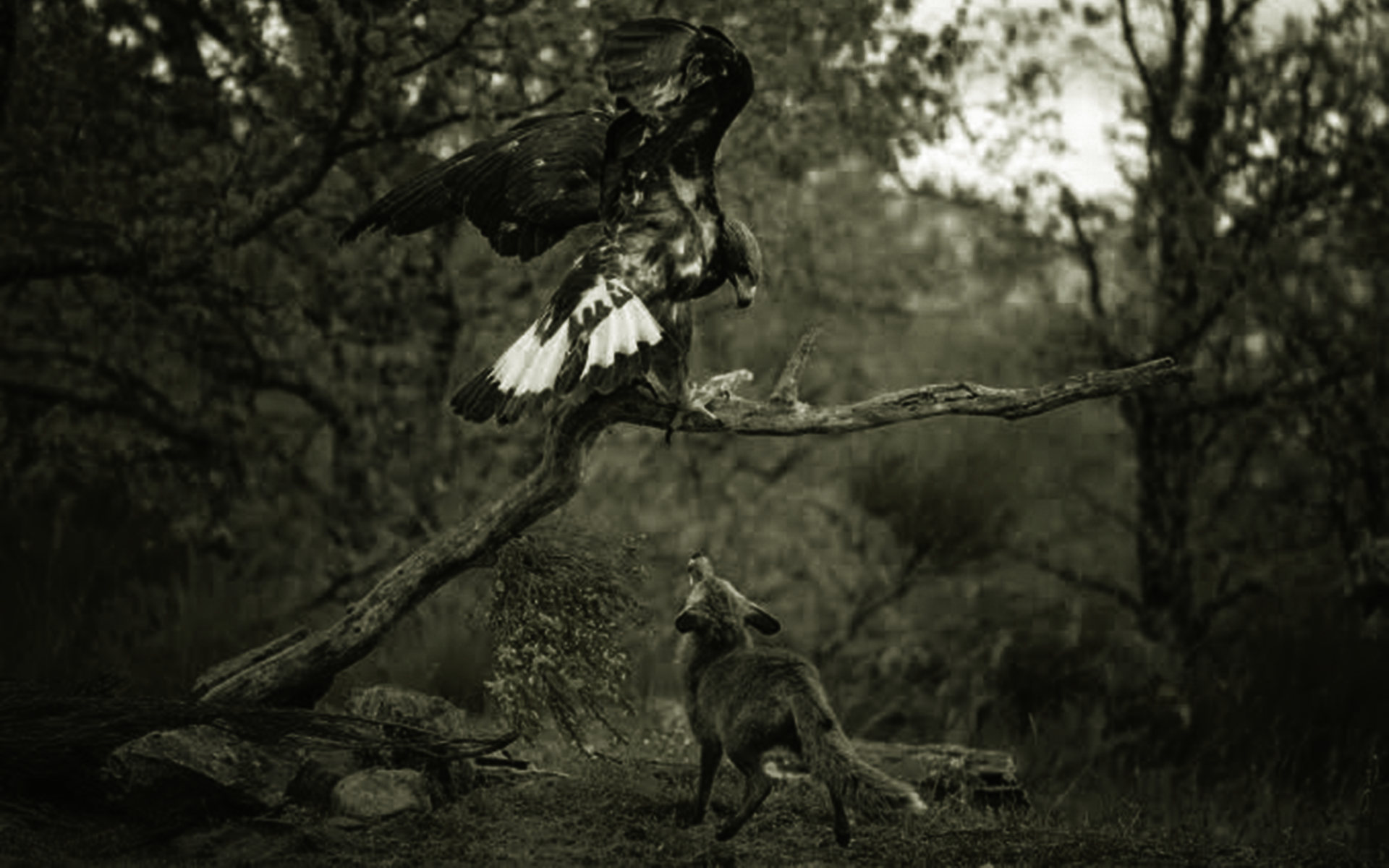
The fox said, “A golden child! Listening to the words of this eagle, you’re on the verge of leaving this boy here and going away! Will love and sorrow go away j...
During times of adversity, if one doesn’t despair and stands firm with determination – and added to that if he received divine grace, the adversity soon passes...
A Request Once when Srinivasa Sastri was serving as the Vice Chancellor of the Annamalai University, he visited Bangalore to spend his summer in the city. Dr....
I will narrate another story to demonstrate how an enemy should never be trusted even if he appears to be soft and is gentle in his speech. There lived a king b...
Reiteration Though Srinivasa Sastri often claimed it as an excuse, he did not lack knowledge about the Rāmāyaṇa at all. He went through the original Rāmāyaṇa i...
It is good character that is more important than physical strength. Noble character leads to honesty, dhārmic outlook, strength and wealth. In the past, Prahlād...
Passion for Rāmāyaṇa I have mentioned earlier that VS Srinivasa Sastri’s love and devotion for the Rāmāyaṇa was something he inherited from his forefathe...
In the activities related to the protection of his people, a king must only take help from people who are courageous, devoted, loyal, respected, hailing from a...
“No Anger, please” Sastri was an advocate of patience and humility. He was, at times, ridiculed by his own friends because of the great emphasis he laid on the...
Bhīṣma began his instruction to Yudhiṣṭhira on rāja-dharma (the art and science of governance). First of all, a king has to be devoted to the deities and to br...
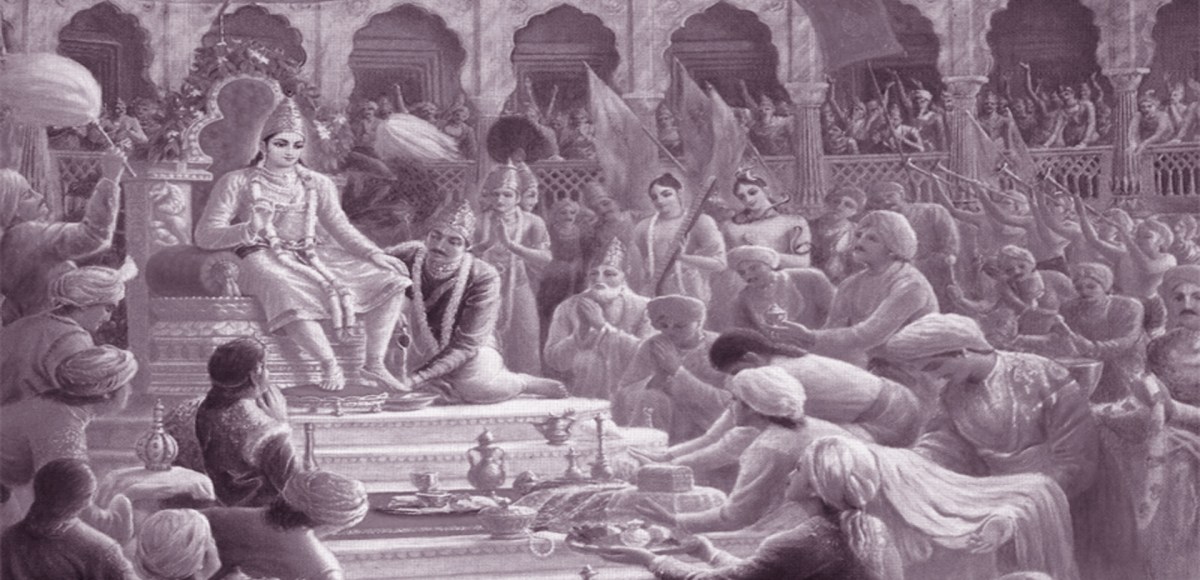
On a chosen day, Dharmarāja sat on a new chariot drawn by sixteen white steeds. Bhīma was the charioteer; Arjuna held a white umbrella; Nakula and Sahadeva fann...
ŚĀNTI-PARVA After offering the jala-tarpaṇa and other funeral rites to their departed relatives, Dharmarāja, Dhṛtarāṣṭra, and the rest of the Pāṇḍavas and Kaur...
Beauty in his Words Even if a minor grammatical mistake in the English language fell on Sastri’s ears, he would react as though he was gravely wounded on his b...
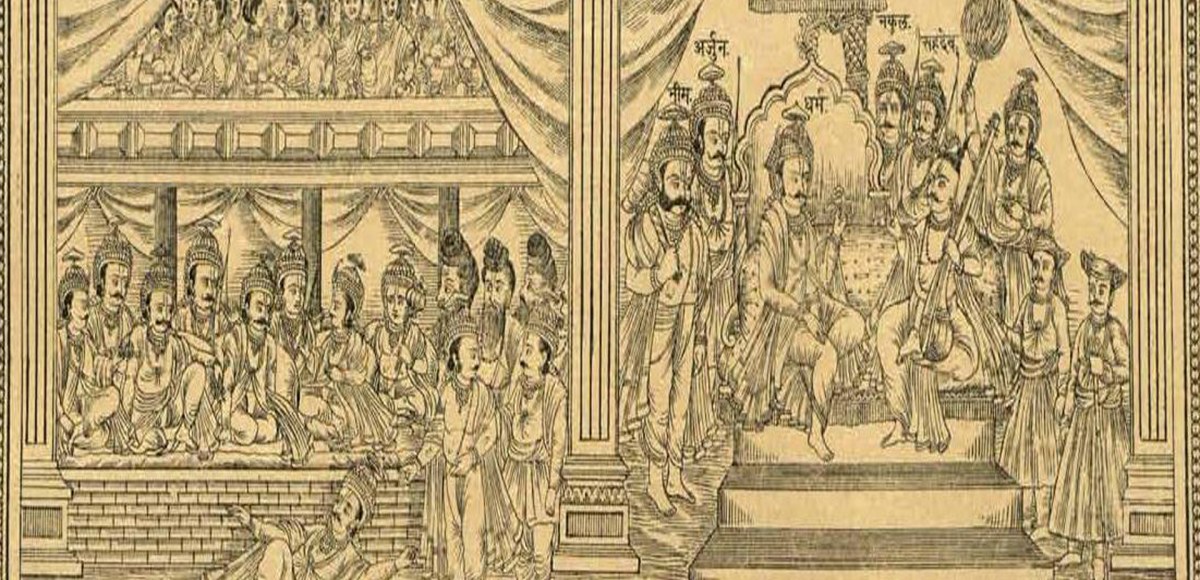
Dharmarāja walked past all the women who were shouting at him, went to the old king Dhṛtarāṣṭra, and bowed down to him. The others too called out their own name...
The Tradition of Smārta-bhāgavata-s It is easy to infer from his name that Sastri belonged to a family of Vaidikas. He beloned to a sub-community called the ‘v...
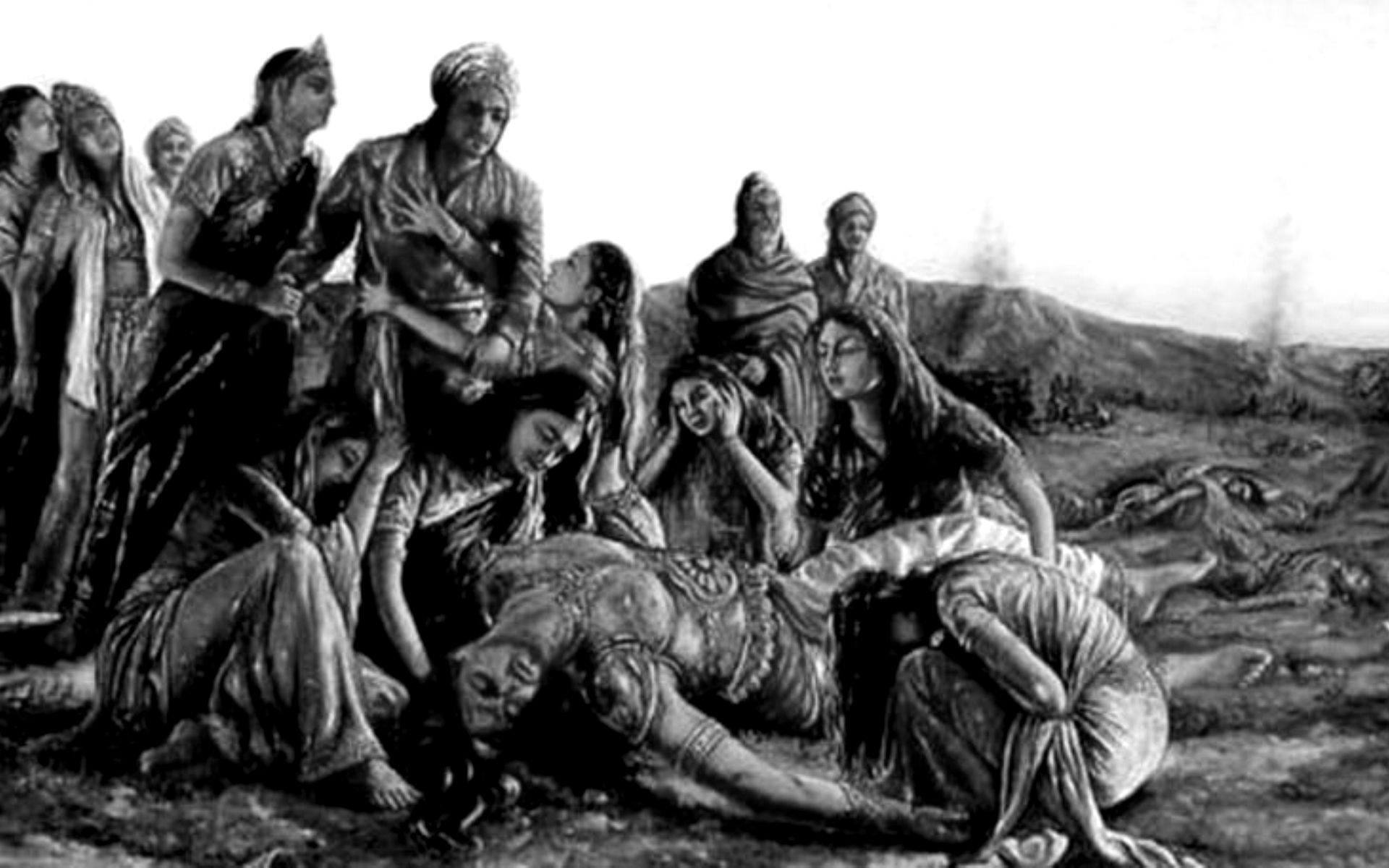
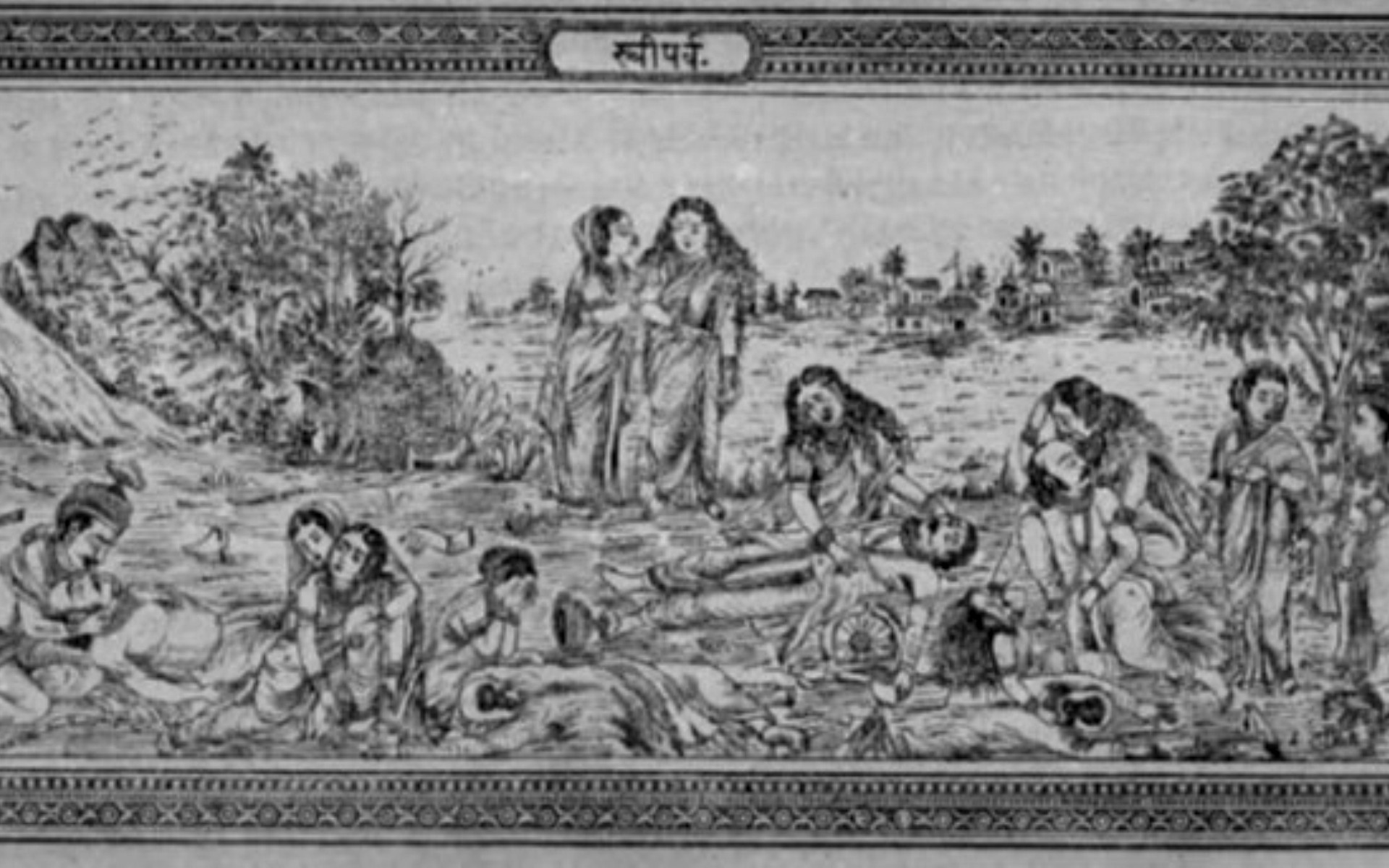
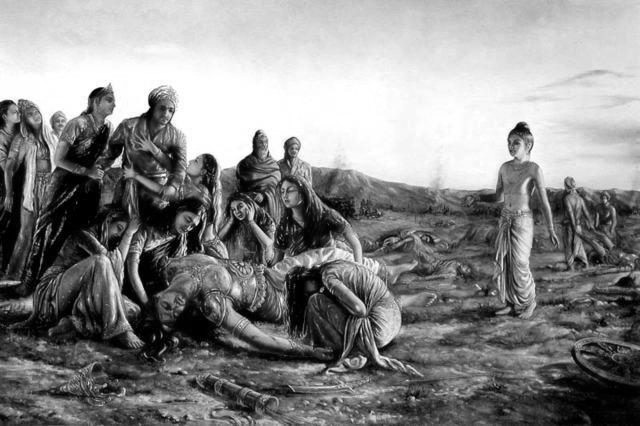
STRĪ-PARVA Starting from the first day of the war, Sañjaya went to the battlefield from the capital city every day and reported the day’s events to Dhṛtarāṣṭra...
Daily Routine V.S. Srinivasa Sastri's daily routine in Bangalore was as follows: He got up before 7 in the morning and visited Lal Bagh. He would sit on the sh...
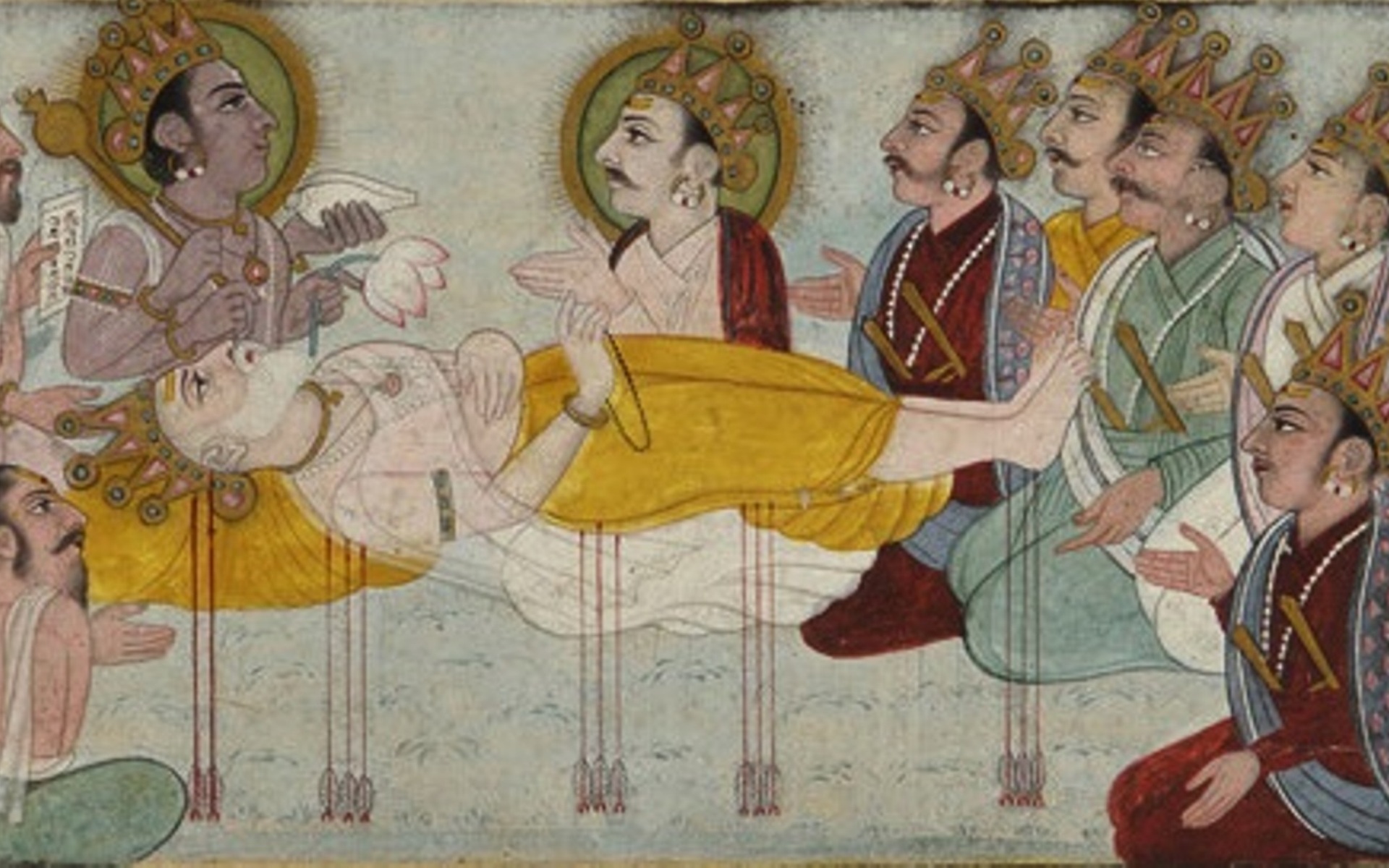
Duryodhana was alive catching on to his last few breaths. He had trouble breathing and was being eaten alive by foxes, wolves and other wild animals. He was try...
The Lecture at Shankara Mutt Srinivasa Sastri visited Bangalore in about 1909-10 for publicizing the activities of the Servants of India Society. I remember hi...
SAUPTIKA-PARVA Aśvatthāmā, Kṛpa and Kṛtavarma left Duryodhana and by sunset reached a forest in the vicinity. They fed their horses with water, gulped down sip...
It is very hard for me to write about V.S.Srinivasa Sastri or to get anything written about him. It is a challenging task to decide where to start and where to...
Everyone present there congratulated Bhīmasena. He bowed down before his elder brother and said, “Now the entire world is yours, free of all obstacles. The main...
The Exuberant Play of Upamās (Part 2) In the thirteenth chapter, while explaining the word ‘adambhitva’ (freedom from hypocrisy, sincerity), he says even when...
Just like Yudhiṣṭhira, the other Pāṇḍavas too spoke provocative words. Listening to their humiliating words, Duryodhana decided to fight the battle and said, “Y...
Bhakti-Vairāgya (Devotion-Detachment) Jñāneśvara’s school of philosophy broadly aligns with Advaita-vedānta; even so, it is not possible to pigeonhole his idea...
ŚALYA-PARVA After Karṇa’s death, Kṛpācārya suggested to Duryodhana that they could enter a treaty of peace with the Pāṇḍavas. Duryodhana, however, refused to d...
Jñāneśvarī – Unsullied by Time[1] Bahiṇā-bāi, the poetess rich in experiential wisdom, has rightly said that the founda...
On the way to the battleground, Arjuna was profusely sweating all over. He was anxious about the outcome of the day’s war. Looking at his perplexity, Kṛṣṇa said...
Widespread Influence Deeply influenced by the Bhagavad-gītā, the American philosopher Ralph Waldo Emerson kept aside much of the Christian doctrine not...
KARṆA-PARVA After the death of Droṇa, on the fifteenth day of the Kurukṣetra war, Duryodhana retired to his camp and discussed the further course of action wit...
Adherence to Sahaja-karma It is evident that the central teaching of the Gītā is the performance of sva-dharma. The Gītā also speaks about the varṇa system, wh...
The fourteenth day of the war began with Droṇa arranging the Kaurava army in the śakaṭa-vyūha formation within which he arranged the army in the padma-vyūha and...
A popular dhyāna-śloka (benedictory verse) for the Bhagavad-gītā is as follows: bhīṣma-droṇa-taṭā jayadratha-jalā gāndhāra-nīlotpalā śalya-grāhavatī kṛpeṇa va...
The next morning Duryodhana told Droṇa, “Ācārya, although Yudhiṣṭhira came as close as the eyes could see, you failed to capture him. Therefore it appears like...
Vyāsa is said to have presented to Brahmā the topics discussed in the Mahābhārata thus – “In this work there are several secrets of the Vedas; my definitive sid...
DROṆA-PARVA नारायणं नमस्कृत्य नरञ्चैव नरोत्तमम् । देवीं सरस्वतीं व्यासं ततो जयमुदीरयेत् ॥ Having saluted Nārāyaṇa, the human and the divine;...
Just because the Mahābhārata was narrated in the period of King Janamejaya it doesn’t make it an ancient tale; it is fresh even today and it will forever be new...
The next morning, i.e. on the tenth day of battle, the Pāṇḍavas had created a battle formation with Śikhaṇḍi leading it. To his left and right stood Bhīma and A...
Basavanagudi Club I've mentioned earlier that Venkatanaranappa was unassuming, disciplined, honest, dispassionate, and hard-working. There were, however, a cou...
The story of the Mahābhārata is gigantic. It is thus divided into eighteen parvas. These divisions are called kāṇḍas in the Rāmāyaṇa. What is termed as ‘sandhi’...
On the fourth day of the war, Bhīmasena totally destroyed Duryodhana’s elephant division and killed eight of the Kaurava brothers including Jalasandha and Suṣeṇ...
Editing Texts Bellave Venkatanaranappa was overly enthusiastic about impossible tasks. One such task that he always thought of undertaking was ironing out the...
The culture of Greater India has its roots in śruti, smṛti, itihāsa, and purāṇa. Śruti means ‘Vedas.’ The Upaniṣads, which form a part of the Vedas, are the bas...
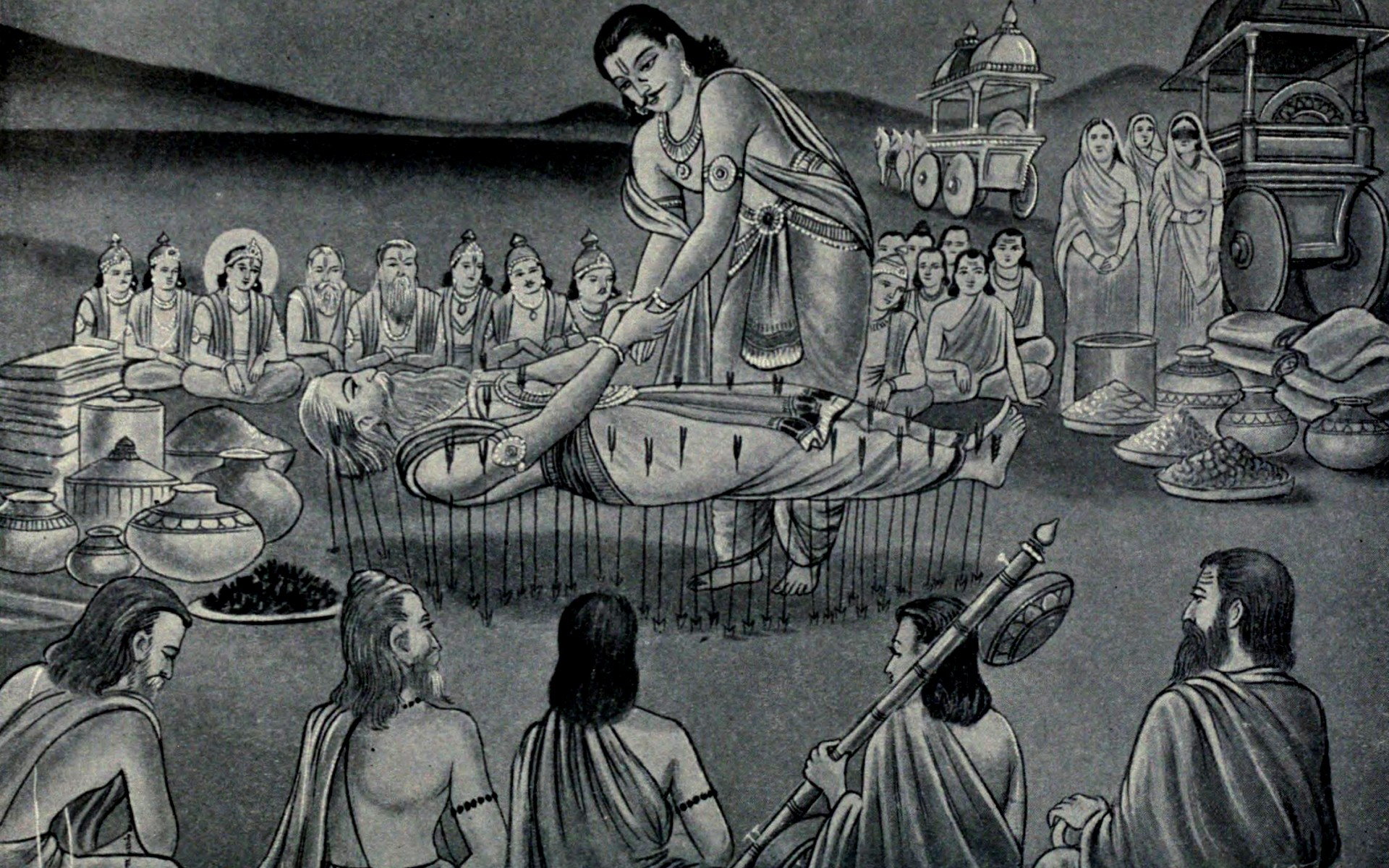
Yudhiṣṭhira made his way into the enemy ranks and walked straight to Bhīṣma. He bowed down to the grandsire, touched his feet, and said with great humility, “Gr...
Subbarayappa I would like to make a special mention of two of members of our (English-Kannada Dictionary) Committee – D C Subbarayappa and B Puttayya. The...
BHĪṢMA-PARVA नारायणं नमस्कृत्य नरञ्चैव नरोत्तमम् । देवीं सरस्वतीं व्यासं ततो जयमुदीरयेत् ॥ Having saluted Nārāyaṇa, the human and the divine;...
Visvesvaraya’s Library By the time (Sir M.) Visvesvaraya rose up to become a diwan, his acquaintance with Venkatanarappa had grown stronger. Visvesvaraya reque...
Kṛṣṇa reached Upaplavya, met the Pāṇḍavas and narrated everything that transpired in Hastināpura. He finished by saying these words – “Though Bhīṣma, Droṇa, Vid...
“Vijñāna” (ವಿಜ್ಞಾನ) - A Science Monthly Venkatanaranappa was always keen on the propagation of science (and scientific thought) among the masses. For his ideas...
Kṛṣṇa paid his salutations to Kuntī and informed her of everything that transpired in the Kuru court. “I’ll take leave of you, dear aunt. I need to get back to...
Commitment and Attention to Detail Venkatanaranappa always considered the Mallikarjuna temple as an extension of his residence. He visited the temple at least...
As he heard Kṛṣṇa’s words, Duryodhana turned towards him and snapped. “Kṛṣṇa! You should think about this once more thoroughly and then speak to us. You have cr...
Self-help We were to start working for the Kannaḍa Sāhitya Sammeḻana (Kannada Literary Conference), which was to take place in Davanagere. The Chair of th...
The next morning, Kṛṣṇa woke up and got ready to leave. Duryodhana and Śakuni came to Vidura’s house and informed Kṛṣṇa that Dhṛtarāṣṭra had arrived at the roya...
Debates on Beauty The members of the Mythic Society Bangalore, once decided to go on a study tour of the historical sites of Hampi. The team comprised of Fr. T...
The next day, Kṛṣṇa left from Vṛkasthaḻa and headed towards Hastināpura. Bhīṣma, Droṇa and other older Kauravas received him on the way. The entire city was dec...
Elimination of Corruption Venkatanaranappa actively pursued several endeavors for the well-being of the people and the society. There were co-operative societi...
Draupadī was pained listening to the coward speech of Dharmarāja, to which he had given a dhārmic garb. She was also annoyed looking at Bhīma who seemed to have...
Culinary skills Venkatanaranappa was our chief by default in all our endeavours. He led our tours and cooked our meals. In those days, several places lacked ele...
Bhīmasena said, “I suggest you speak to the Kauravas and try to ensure peace between us. Don’t scare them with the prospect of a war even as you start speaking!...
Committment When in college, if Venakatanaranappa had to quickly answer nature’s call, he would carry a small bottle full of water. Students who had observed h...
The night was spent in their conversation. The next morning the Kauravas and their nobles assembled in the king’s court, curious to hear the message Sañjaya had...
A Conspiracy There was a conspiracy against Venkatanaranappa when he was serving as the Physics lecturer at the Central College. Venakatanarappa’s pro...
Vidura first elucidated upon the qualities of a scholar and the differences between the wise and the foolish. A wise man always does what is good for himself...
Career as a Teacher John Cook, who was impressed with Venkatanaranappa’s dedication to studies and his ethical outlook, appointed him as a lecturer soo...
Accordingly, Sañjaya went to Upaplavya to meet the Pāṇḍavas. He was welcomed with great respect and was treated with dignity. He inquired about their well-being...
For an institution to survive for long and to find fulfilment in executing its objectives, it needs a dedicated set of active workers. At least one person will...
In another part of the country, Śalya, the king of Madra, was on his way along with army and his sons, who were both mahārathas. He was acting as per the wishes...
UDYOGA-PARVA After Abhimanyu’s wedding, the kings who were on the side of the Pāṇḍavas assembled in Virāṭa’s court. Among those who had gathered were the Pāṇḍa...
Three days after these happenings, the five Pāṇḍavas had their bath, wore fine white-coloured clothes, adorned themselves, proceeded to Virāṭa’s sabhā with Yudh...
Prince Uttara, adorned with garlands and fragrant perfumes, came in a procession on the royal path; he greeted the citizens of the city and the married woman, r...
With great delight Arjuna looked at the Kaurava heroes retreating; he bowed his head down and offered his greetings to Grandfather Bhīṣma and Ācārya Droṇa and r...
Balakrishna Rao Shankaranarayana Rao’s name brings to mind a close associate of his, namely S.R Balakrishna Rao. Their friendship and affection for each other...
After this Arjuna told Uttara to take his chariot to where Droṇa was standing; offering his salutations to Droṇa, he said in a serene voice, “Ācārya, we took up...
K Shankaranarayana Rao, an epitome of positive values, is one of my favourite people. I first met him when he was an advocate in Shivamogga. He was not only an...
Aśvatthāma said, “O Karṇa! We have not yet won the cows that we’ve captured, we’ve not crossed the borders, we haven’t returned to Hastināpura; and you’ve alrea...
Thoughts on Politics Shivaswami Iyer sided with the Moderates in politics. This party was known as the ‘Liberals’. He did not like the extremists and did not a...
Upon hearing these despondent words of Droṇa, Duryodhana addressed Bhīṣma, Droṇa, and Kṛpa: “Karṇa and I have said this several times in the past; yet I repeat...
My Introduction When this incident occurred, I was not yet formally acquainted with Shivaswami Iyer. I am speaking of a story that is 45 years old now. Shivasw...
Arjuna ran behind Uttara for less than a hundred steps before he caught the young man’s tuft of hair, bringing him to a halt. Uttara began whining like a person...
Aristocracy PS Shivaswami Iyer's lifestyle and eating habits were largely aristocratic. He wanted to have a big house. It was not to have thresholds. The house...
While at one end, Virāṭa was in the process of releasing the cows captured by Suśarma, at the other end of the kingdom, Duryodhana—accompanied by Bhīṣma, Droṇa,...
Dharma-dhvaja I recall an incident when Shivaswami Iyer once poked fun at a group of people, calling them ‘Dharma-dhvajas.’ This was during one of his lectures...
Back at Hastināpura, the spies that Duryodhana had set out in search of the Pāṇḍavas returned to the capital and reported to their king. “We thoroughly searched...
Shivaswami Iyer was a Sanskrit scholar. V Krishnaswami Iyer was his friend, colleague, and sometimes an opponent in his profession as a lawyer. Krishnaswami Iye...
Draupadī told Bhīma, “I cried out loud, pouring out my miseries, for I could not control my sorrow; not with a desire to criticize the Mahārāja. Let bygones be...
During 1934-35, during Sir Mirza Ismail's term as the Diwan of Mysore, there were many prominent men from Madras who would come to Bangalore to spend their summ...
Draupadī told Bhīma, “What is that which ails the wife of Yudhiṣṭhira? Knowing only too well all my sorrows, why do you ask me again? That Prātikāmi addressed m...
I will now talk about a small organization that lived only for a few years starting from about 1916-17. I also happened to be a member of the organisation. The...
Kīcaka’s joy knew no bounds when he saw Sairandhrī. He felt like a person who had found a boat just by chance when he badly wanted to cross a lake. He said, “Sa...
Sahadeva entered Virāṭa’s court in the guise of a cowherd. “O king! I tended the cows of the Pāṇḍavas. I don’t know where they are now. I’ve come looking for em...
VIRĀṬA-PARVA The Pāṇḍavas spent twelve years in the forest in this manner. One day, Dharmarāja called his brothers and said, “It has been twelve years since we...
Prabuddha Karnataka Krishnasastri took up the sole responsibility of taking care of the Karnataka Sangha, its activities, and also as the chief editor...
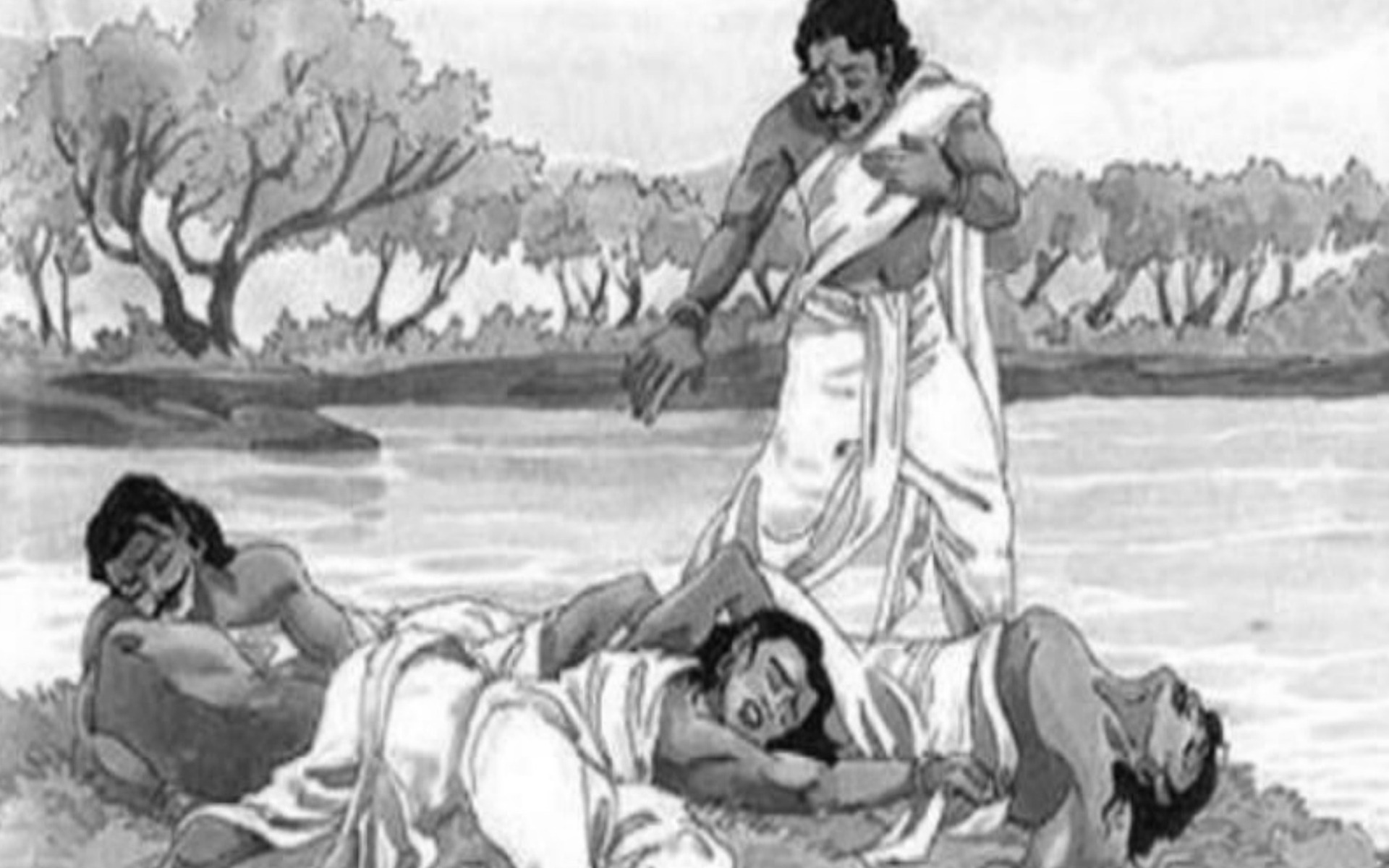
Yudhiṣṭhira told the Yakṣa, “O revered one! I do not desire that which belongs to you; the noble ones do not appreciate such behaviour. I shouldn’t indulge in s...
AR Krishnasastri (popularly written as A R Krishna Shastry) was a scholar by his very birth. His father, Ambale Ramakrishna Shastry was the head professor of Gr...
Upon listening to the story of Sāvitrī, Yudhiṣṭhira experienced a great deal of relief; he did not allow any more worries to plague his heart, and after spendin...
After Yama left, Sāvitrī returned to the place where her husband’s lifeless body lay. She placed his head on her lap once again and Satyavān slowly came back to...
The couple gathered fruits and put them together in a bundle. As Satyavān was working on the logs, his body began sweating all over. He had a tremendous headach...
In the kingdom of Madra, there lived a king named Aśvapati who always abided by dharma and truth and was loved by everyone. He did not have any children even th...
Just as Śani approaches Rohiṇī for pleasure, Rāvaṇa decked himself up in expensive clothes and ornaments and went to Sītā. He described his achievements and wea...
Several people have the tendency to find parallels between Bhūtārādhana and Yakṣagāna. They classify Bhūtārādhana as ‘folk’ (Jānapadīya) and as a corollary, con...
Worried that the citizens of Ayodhya may yet again come to the forest, Rāma left the great forest, went to the banks of the beautiful Godāvarī river, and began...
There was a great king named Aja in the Ikṣvāku dynasty. Daśaratha was his son. He had four sons who were all experts in dharma – Rāma, Lakṣmaṇa, Bharata, and Ś...
In his insightful essay titled ‘Uparūpakas and Nāṭyaprabandhas’, Dr. V Raghavan classifies these (i.e., the lyrics/ scripts used for different theatrical/ Yakṣa...
Sometime after this episode[1], Duryodhana felt that he too should perform a grand yajña like Dharmarāja. Upon learning of this, Karṇa said, “Indeed! This can t...
The word ‘Śāstra’ refers to a well-structured presentation with novel insights (Śaṃsana Śāsana-prajñā). Anything that has these characteristics can be said to b...
The entourage[1] that left from Hastināpura to Dvaitavana camped at a place near the villages of the cowherds. They set their tents up making sure that there wa...
The terms ‘mārga’ and ‘deśī’ which have been in use for thousands of years in our tradition are today translated as ‘Classical’ and ‘Folk’ respectively, terms w...
The sage Mārkaṇḍeya narrated several traditional stories to the Pāṇḍavas during their stay in Dvaitavana. The story of Dharma-vyādha is one among those. There...
The Muzrai Amendment In 1891, the government decided that a separate body needed to be established for regulating the activities of the Muzrai institutions, na...
Sometime around 1910, my article in English about Diwan Rangacharlu’s governance was published in Indian Review, a Madras-based monthly. With that, I not only r...
One day, the northeast winds brought along with a divine Saugandhika flower.[1] Deeming this to be an auspicious omen, Draupadī picked up the flower, went to Bh...
The Pāṇḍavas longed for the company of Arjuna and were getting bored without him[1]; they set out on a tīrthayātra (pilgrimage) with the intention of acquiring...
It is interesting to note that the Indian writers on the Kāma-śāstra classified the heroines as Padminī, Cittinī, Hastinī and Śaṅkinī, primarily based on their...
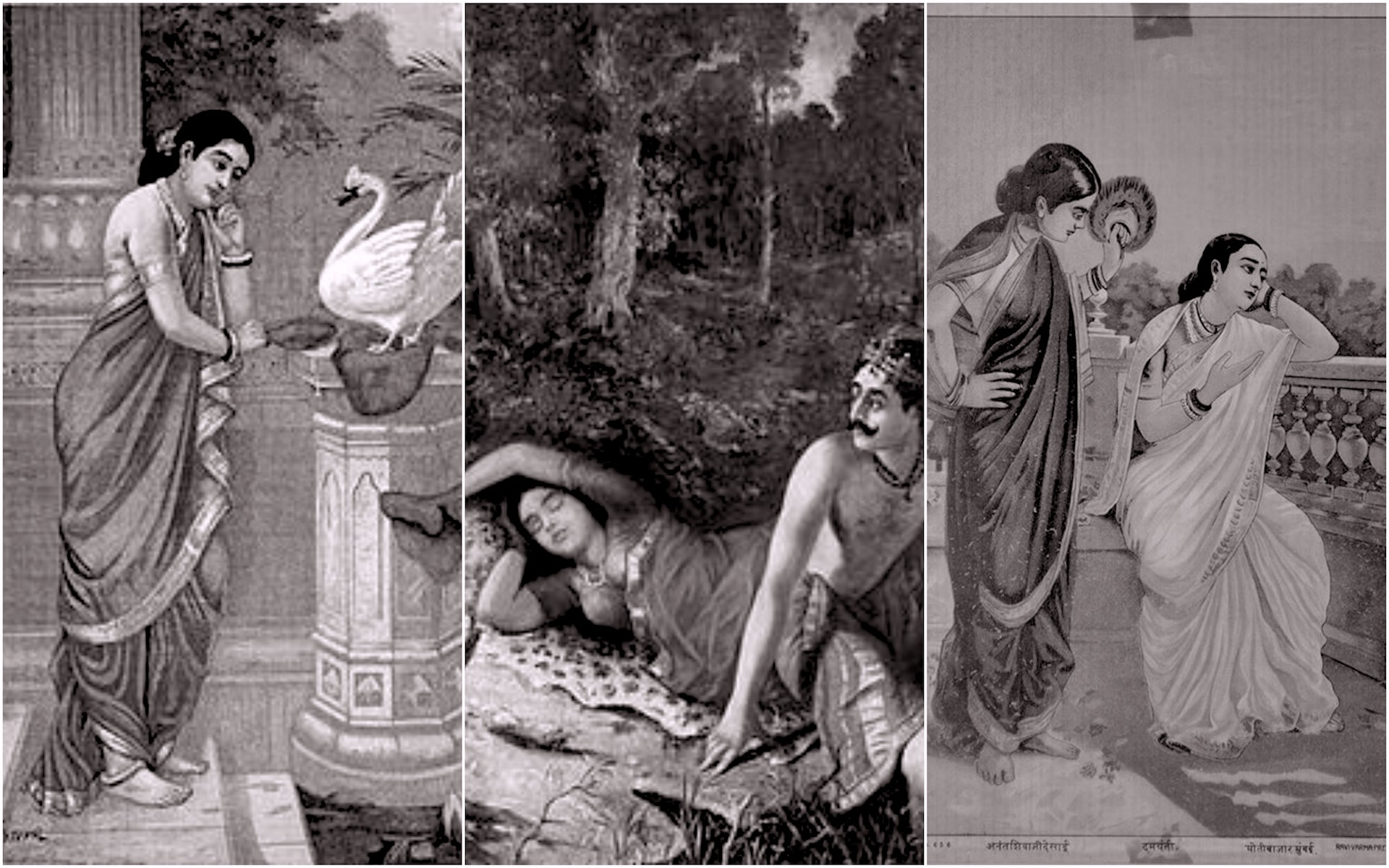
Keśinī met Bāhuka and asked him when they had started for Vidarbha, how long they had travelled and what the purpose of their visit was. He told her that they h...
The brāhmaṇas left in search of Naḻa, as per the words of Damayantī. Several days later, a brāhmaṇa named Parṇāda came back and said to Damayantī, “Mother! As p...
Let us first consider the different categories of heroes (nāyakas). While it is the male that has all the charm in the animal world, it is quite the opposite in...
Among the four vṛttis that Bharata describes in his Nāṭyaśāstra (namely, the sāttvikī, kaiśikī, ārabhaṭī and bhāratī), kaiśikī renders itself the best for the p...
The World of Aesthetics – its Heroes and Heroines It is a well-known fact, attested by the experience of conscious connoisseurs that Śṛṅgāra (love) is the swee...
Thereafter Damayantī continued walking in the dense forest. After crossing several hills, mountains, and rivers she finally came across a walking trail. She beg...
Kali had to wait for a whole twelve years until he could find a flaw in Naḻa. He went to Naḻa’s friend Puṣkara, instigated him to invite Naḻa to play a game of...
There lived a king named Naḻa in the province of Niṣadha. He was strong, virtuous, handsome, and was considered foremost among the kings. The province of Vidarb...
Arjuna stood there and undertook a terrible penance, subsisting entirely on fruits and leaves. Aggrieved by this, all the great seers in that region went to mee...
Draupadī said, “I am not denigrating dharma nor am I criticizing the Supreme; I'm just lamenting about my difficulties. The fruit of the action manifests itself...
Kirmīra was an asura endowed with magical powers who inhabited the Kāmyaka forest. He was a brother of Bakāsura and a friend of Hiḍimba; Bhīma killed him. When...
ARAṆYA-PARVA After the Pāṇḍavas lost the game of dice, they took their weapons and set out along with Draupadī in a northern direction, leaving Hastinagara beh...
Śakuni said, “King Yudhiṣṭhira! Dhṛtarāṣṭra has arranged for the return of all your wealth; what he’s done is right. I’ve now suggested a condition that’s great...
Duryodhana began taunting Dharmarāja who had remained silent all this while. He said, “O great king! Bhīma, Arjuna, and the twins are your followers. They liste...
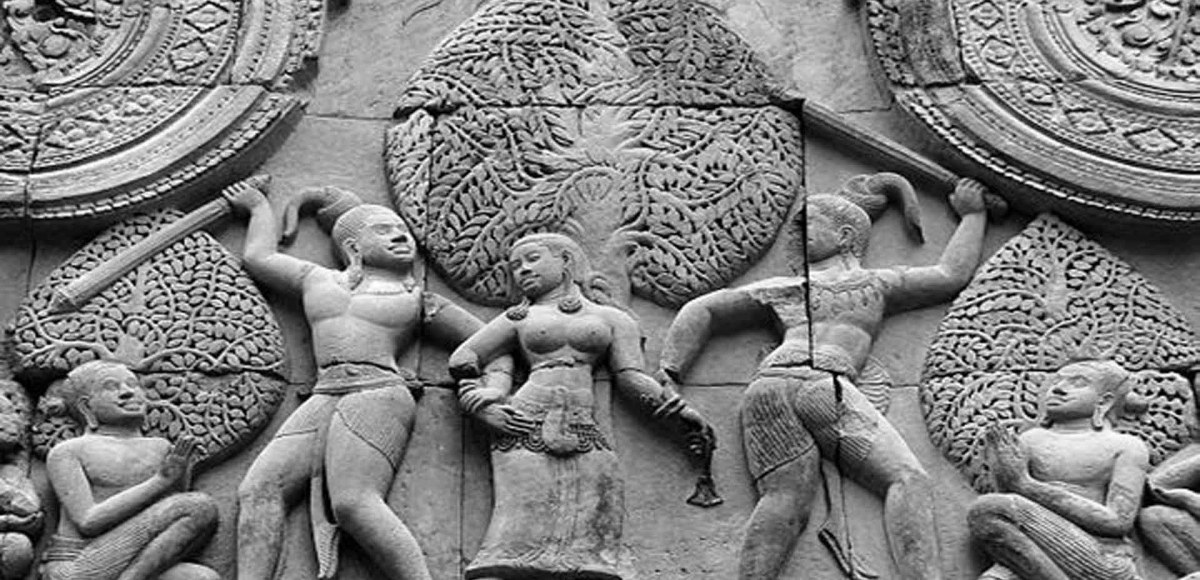
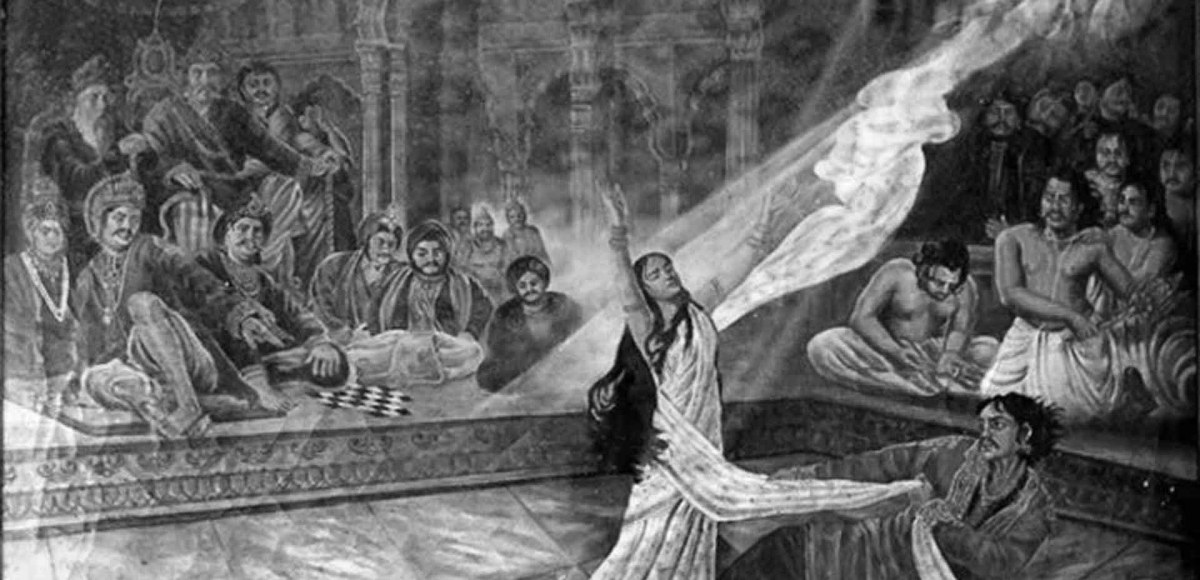
Duśśāsana pulled Draupadī’s garment and taunted her in vulgar language, even as she lamented, looking helplessly at the pale faces of her husbands. Her garment...
Vidura’s advice fell on deaf ears. Śakuni said to Dharmarāja, “Yudhiṣṭhira, you’ve lost a lot of wealth. Tell us if there is something you haven’t yet lost!” Y...
Yudhiṣṭhira welcomed Vidura with great joy at Khāṇḍavaprastha. He enquired after the wellbeing of Dhṛtarāṣṭra and his sons. Observing that Vidura’s face l...
Thus, all the impediments that had come in the way of performing the Rājasūya-yāga were removed; Yudhiṣṭhira completed the yāga successfully under the protectio...
With the killing of Jarāsandha, the greatest obstacle for the Rājāsūyayāga was removed. But Yudhiṣṭhira still needed to subdue the other kings or have a treaty...
SABHĀ-PARVA Maya was a sculptor of the rākṣasas. He was one of the few who remained alive without getting charred to death when the Khāṇḍava forest burned; out...
In the north, Arjuna went to Gaṅgādvāra, the Agastyavaṭa in the Himalayan region, Vasiṣṭha mountain, Hiraṇyabindu, and other pilgrimage centres; in the east, he...
Vidura said, “Dear king! Friends must indeed say only that which brings welfare; words that are disagreeable don’t fall on your ears; Bhīṣma and Droṇa have spok...
Duryodhana’s spies brought news that Draupadī was married off to the Pāṇḍavas; the archer who bent the bow, strung it, and shot the target was none other than A...
Drupada heard the words of Dharmarāja sent through the purohita and was yet unable to determine the clan and the family lineage of the groom; so he thought of a...
As the celebration of the svayaṃvara started, the crowd at the venue kept growing; actors and dancers entertained them and were rewarded with precious...
[The following sub-stories appear in the Ādi Parva of the Mahābhārata, Adhyāyas 158–74] The brave Pāṇḍavas travelled day and night and arrived at a holy place c...
In the meantime, the other Pāṇḍavas returned home after their daily round of seeking alms. Looking at Bhīma’s face, Yudhiṣṭhira guessed that there must be somet...
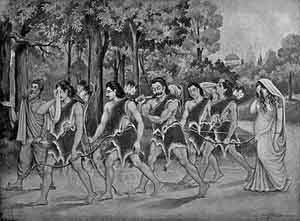
The Pāṇḍavas wandered from one forest to another for several days.[1] [Starting from Vāraṇāvata, they travelled through the provinces of Matsya, Trigarta, Pāñc...
After their escape from Vāraṇāvata, the Pāṇḍavas went southward, moving quickly in the light of the stars, and reached a dense forest. By this time, all of them...
After Dhṛtarāṣṭra spoke to Yudhiṣṭhira [regarding the trip to Vāraṇāvata], Duryodhana was delighted and summoned Purocana to meet him in private. Duryodhana hel...
At the fag-end of the tournament, when they heard the tumultuous sound at the gates, filled with wonder the spectators asked, “Have the mountains crumbled?” “Ha...
There lived a teacher by name Kṛpācārya[1] who taught archery to the kings of the Vṛṣṇi clan and other kṣatriya clans. The Kauravas and Pāṇḍavas were his discip...
Back at Hastināpura, Gāndhārī too was pregnant; even as she was carrying, she heard that Kuntī had given birth to Yudhiṣṭhira. She hadn’t given birth even after...
The two children who were born to Satyavatī passed away at a young age. Satyavatī was saddened, thinking about her responsibility towards the lineage of her par...
ĀDI-PARVA नारायणं नमस्कृत्य नरञ्चैव नरोत्तमम् । देवीं सरस्वतीं व्यासं ततो जयमुदीरयेत् ॥ Having saluted Nārāyaṇa, the human and the divine; Sarasvatī...
With this part, we conclude the translation series of the preface to Vacanabhārata. The current article describes the literary approach of AR Krishna Sastri in...
The primary characteristics of the modern world are material wealth and individual freedom [c. 1950]. Today, an individual desires to be independent as much as...
The word ‘karma’ means ‘activity.’ In a narrower sense, it can also mean the Vedic rituals of yajña and yāga, building of socially useful amenities such as lake...
There are times when we face difficulties as a result of our own ignorance, indiscretion, dullness of intellect, stupidity, etc., but at other times, we face di...
The Vagaries of Comforts and Discomforts Why are there difficulties, troubles, sorrows, and atrocities on earth? Nobody desires for these. Everyone wants to be...
Mahābhārata - Ahiṃsā The trait of sattva does not mean non-activity or lack of valour. The same can be said of ahiṃsā too. We have seen earlier that ahiṃsā is...
Saṃnyāsa, Yajña-dāna-tapas By the time of the Mahābhārata, it seems that several people had given up worldly life and had taken up saṃnyāsa; they pract...
Bhīṣma, Yudhiṣṭhira, and Kṛṣṇa have been portrayed as the noble characters in the Mahābhārata. Among these, Yudhiṣṭhira looks upon Kṛṣṇa as an elder brother and...
According to the Gītā, dedicating every activity to the all-pervading brahman or working with divine inspiration is called ‘arcana’ (roughly translated as ‘wors...
We have seen earlier that prakṛti undergoes metamorphosis due to the loss of equilibrium of the three guṇas (sattva, rajas, and tamas) and this instability is i...
The word ‘yoga’ has several meanings. In the Bhagavad-Gītā (2.48,50; 5.1,5,7), yoga is used in the sense of karma (activity) or karma-yoga (activity without sel...
Philosophy in the Mahābhārata : Sāṅkhya A few things must be mentioned before entering into this discussion. As stated earlier, the extant Mahābhārata was comp...
Half of the extant Mahābhārata is dedicated to dharma and ethics. In the other half, the main story and the upākhyānas are present. Even if we consider the latt...
Dharma and Nīti (ethics) in the Mahābhārata Dharma is that which sustains and supports the world; that which upholds; that which nourishes and protects from de...
The Timeline of the Composition of Mahābhārata For over a century, scholars from Germany, France, England, and India have extensively studied the Mahābhārata a...
Adhyāyas 62-88 – Śakuntalopākhyānam, Vaṃśanukrama, Yayātyupākhyānam (Śakuntalā’s story, details of the lineage and Yayāti’s story) In these adh...
The fifty-seventh adhyāya of the Ādi-parva starts with the story of King Uparicara. Some scholars opine that this is the real beginning of the Bhārata epic...
Adhyāyas 54-61 : Ādivaṃśāvataraṇa -parva The ādivaṃśāvataraṇa-(upa-) parva spans eight adhyāyas – from the fifty fourth to the sixty first. In the beginning of...
Adhyāyas 4-12. Pauloma-parva The adhyāyas from 4 to 12 form the Pauloma-parva. Just like the anukramaṇikā (prologue), this section starts with a prose passage....
The third adhyāya of the Ādi-parva contains the ‘Pauṣya’(upa)parva. The Sūta, Ugraśrava tells the story of Uttaṅka. After completing his studies, Uttaṅka sets o...
Adhyāya 2. Parvasaṅgraha-parva The second adhyāya contains the Parvasaṅgraha section. This contains information such as the...
This Vyāsa-pūrṇimā, Prekshaa is delighted to present a translation of the masterly introductory essay of A R Krishna Sastri to his magnum opus, the Vacana-...
Let us focus on shrngaaraabhinaya (expression of shrngaara – love) that is based on graceful dance (laasya). Like mentioned in the previous article, delineation...
Art scholars say that the two seemingly different modes of dance known as ‘maarga’ and ‘deshi’ are essentially the same. ‘Maarga’ is the realization of dance an...
It is indeed a difficult task to accommodate modern themes within and to communicate them effectively the classical framework of dance. It is for this reason...
We had an overview of Bharata Muni’s Naatyashaastra in the previous article. We picked only one shloka from the 6000 that Bharata has written and analyzed its m...
We shall have a look at Indian dance from the perspective of shaastra and heritage (sampradaaya). Indian dance, just like other art forms and knowledge systems...
Shaastra is inevitable for the learning of any art form. However, it is also true that it is almost impossible to ‘teach’ an art. Any learning that can develop...
Change is of two kinds – external and internal. Only when there is a harmonious balance between external and internal changes, activities associated with it can...
The word ‘Shaastra’ means ‘to rule’ or ‘to govern’ and is derived from the root ‘शासु-अनुशिष्टौ’. ‘To govern’ means to protect like a king, and to keep everythi...
Vaachikaabhinaya (vocal communication – through words) is of two kinds – songs/ poems set to a rhythmic cycle (taala) and prose. Kuchupudi, Bhagavatamela and Ka...
Let us look at Yakshagana and its allied art-forms from the point of view of angikaabhinaya (communication through the body and gesture language). Kuchupudi and...
Yakshagana is a term, which although collectively applies to regional performing arts of Karnataka and Andhra, in the recent years, it has been used synonymousl...
Art and its purpose In the words of Prof M. Hiriyanna, the purpose of art is to transcend all other purposes. ‘Ananda’ or ‘Enjoyment’, is both the process and p...
(.. continued) Battle-field has not only inspired dance, but also music and literature in India. The gamakas (embellishments in music), rhythmic patterns, the n...
For the primitive man, who led his life like an animal, hunting was the primary means of livelihood. The current article examines the process by which a rustic...
Of late in classical dance performances, the proportion of nrutta, which lacks creative interpretation and expression, is on the rise. At the same time, rasabhi...