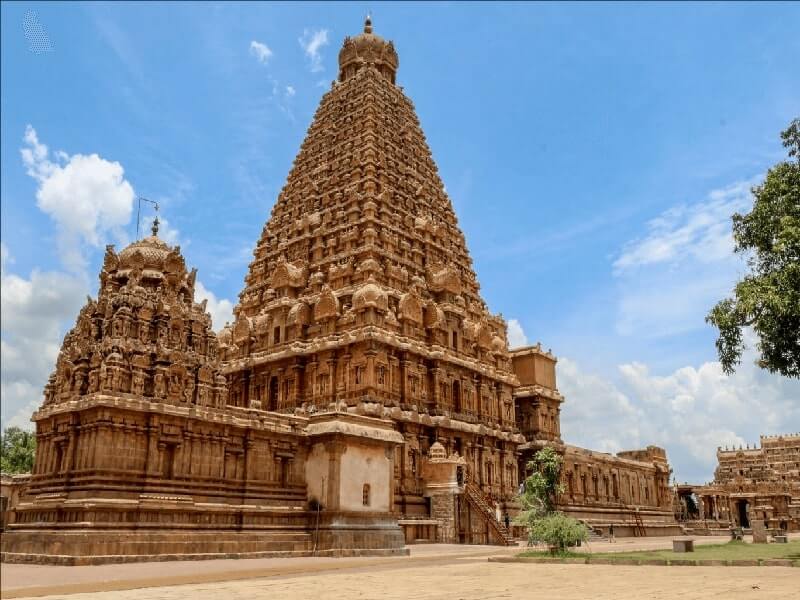
The Sanātana-Devālaya Booklist - On Indian Temples
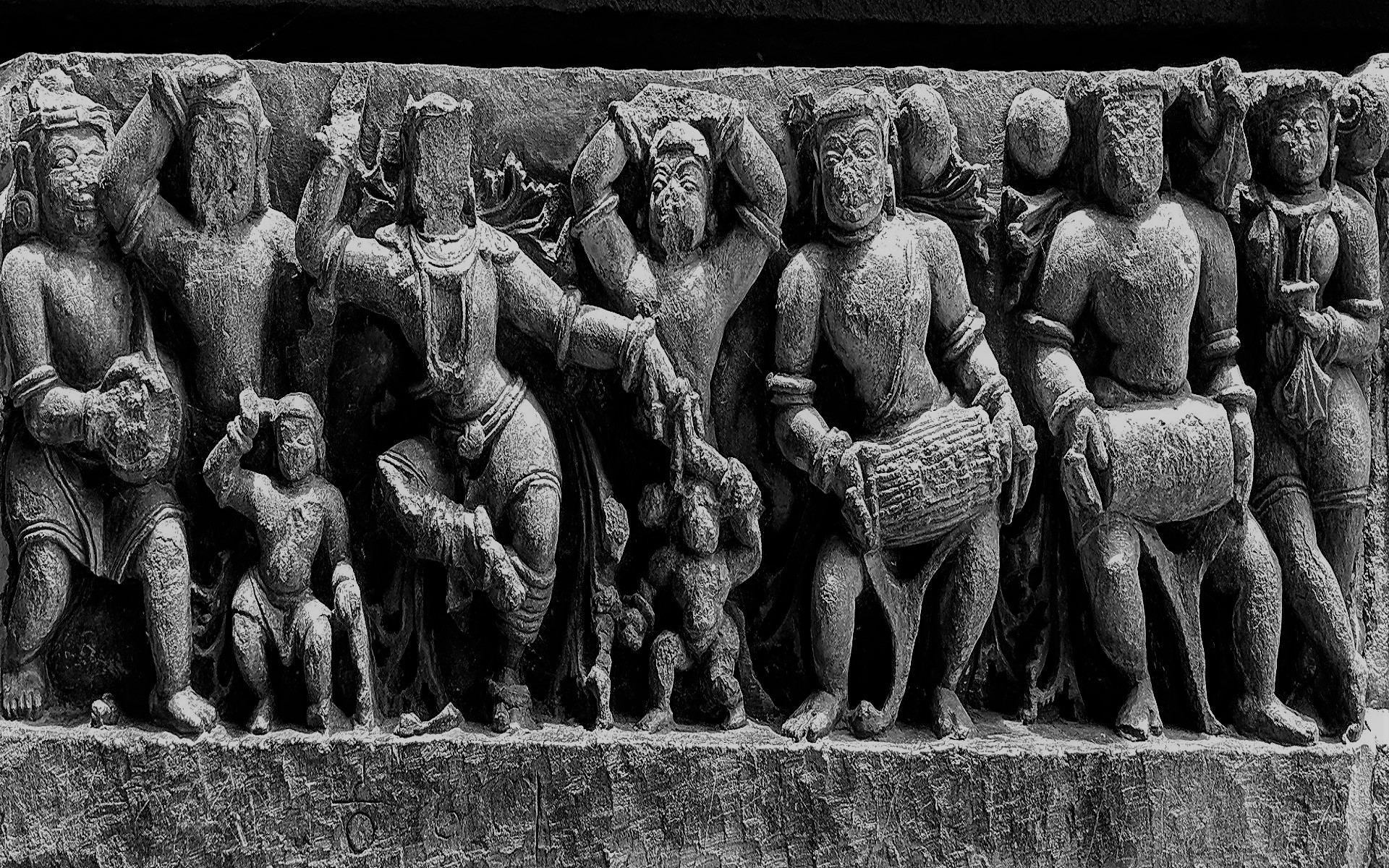
For people of the sanātana-dharma, the whole of creation is an embodiment of divinity – the creation is pervaded by its Creator and both are equally divine; the...
We often wonder what the state of classical art in the modern world will be, especially when we have several media that can entertain us. Various modes of enter...
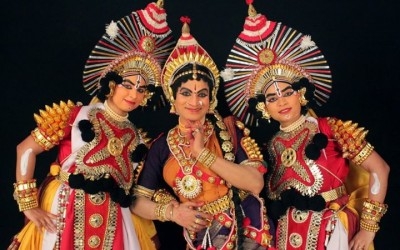
Yakṣa-navodaya is an attempt at aesthetically stitching together the compositions of a few Navodaya poets of Kannada. The compositions chosen are ene śuka-bhāṣi...
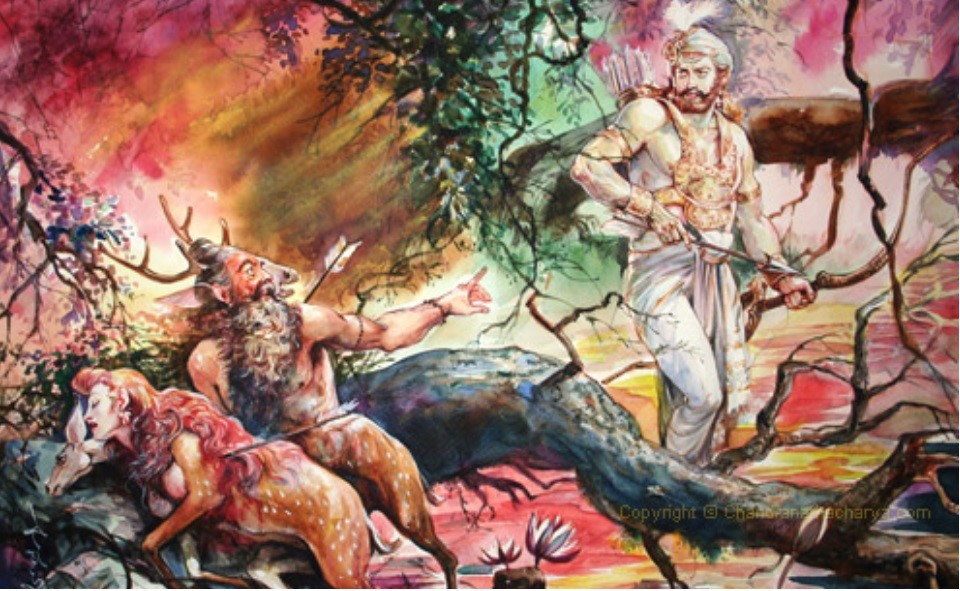
The paintings on epic and purāṇic themes by Sri Chandranath Acharya, an artiste par excellence, represent an optimal blend of the classical Indian flavour with...
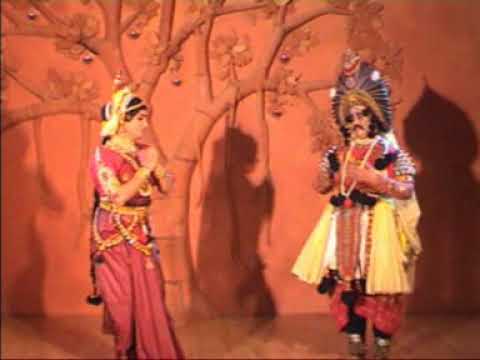
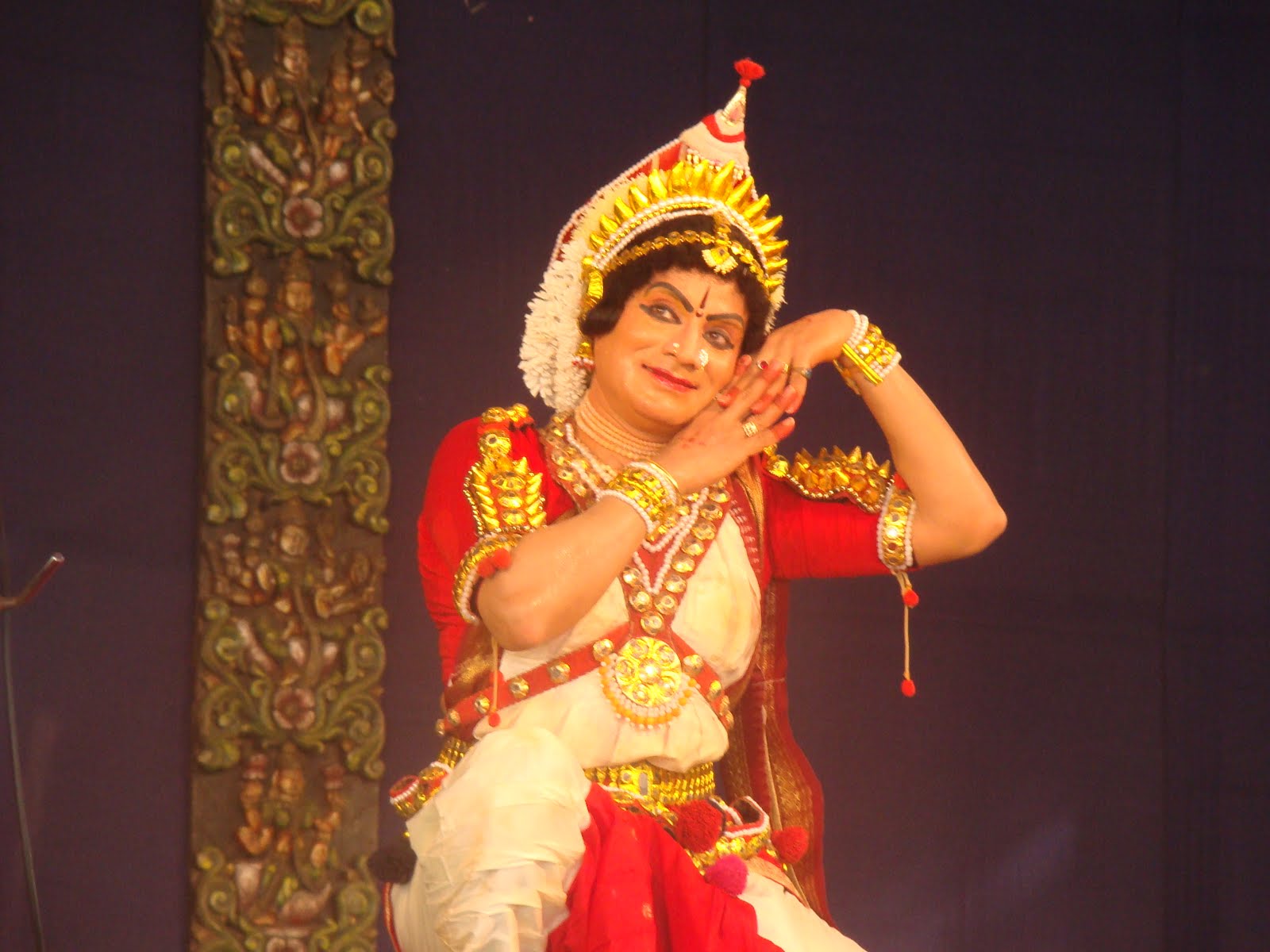
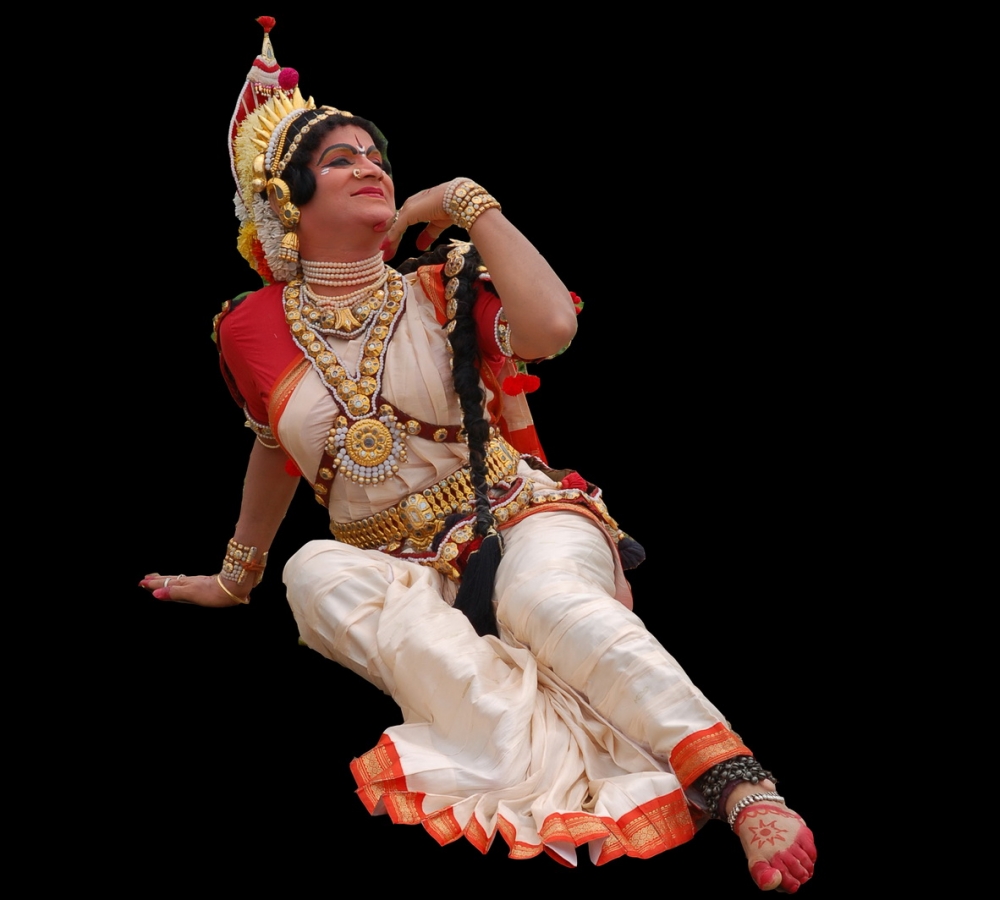
A Summary of our Productions The following is an overview of our productions. Bhāminī was our first production and I conceived it based on the concept of the...
The interpretation and elaboration that Mantap does for the line raṅganyātakè bārano is extraordinary. He shows several different emotions of the gopikā as he e...
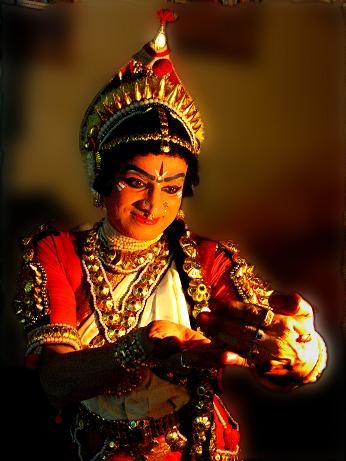
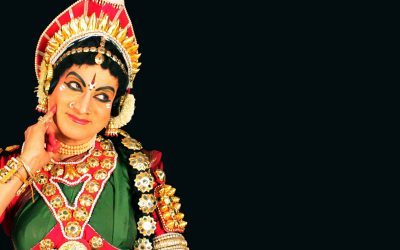
We have hitherto discussed about āhārya, āṅgika, and vācika. The next aspect to discuss is sāttvikābhinaya – the most difficult aspect to teach and to express i...
We used the traditional accompaniments of Yakṣagāna, namely caṇḍè and maddalè. To enhance the melody, however, we included flute and violin as accompaniments. F...
Now, moving on to bhāgavatikè. As mentioned earlier, vācikābhinaya of Yakṣagāna is of three kinds and that rendered by the bhāgavata is a major component. Ther...
It was a common scenario for conservative-minded audience of traditional Yakṣagāna to brush aside our presentations as falling into the Bharatanāṭya genre. They...
There were quite a few questions and uncertainties that bothered Mantap. Who do we converse with, when there are no puruṣa-veṣas on the stage? There is no other...
Traditional forms of dance that have their roots in the upa-rūpakas are today called śāstrīya-nṛtya. There are several regional forms of śāstrīya-nṛtya (classic...