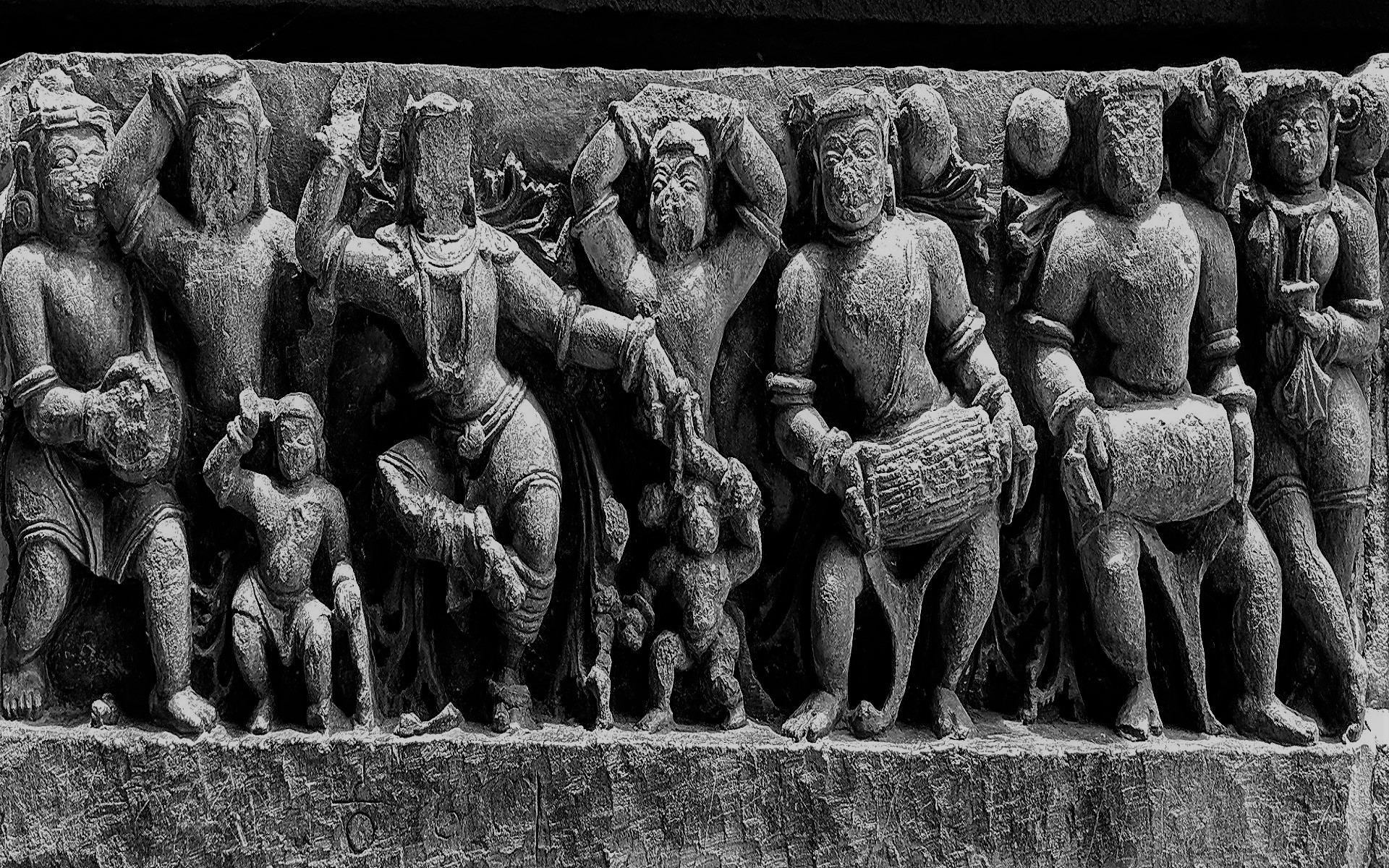
Respectability of the Art of Dance
The mind and the intellect (manas and buddhi) are the two-primary means by which a man perceives the world and lets himself be perceived. The eyes, the ears an...
Most parts of the Vedas are allegorical and metaphorical in style. Knowledge of this symbolism is the only avenue through which the meaning of the hymns can be...
Nature and Art Artistic expression covers an immense number of forms rangi...
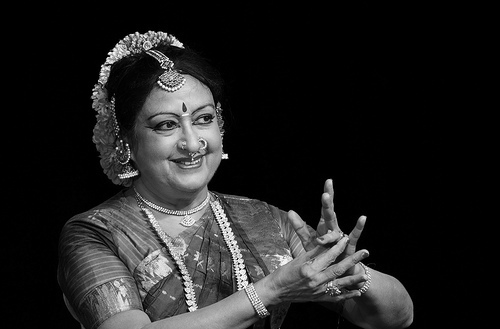
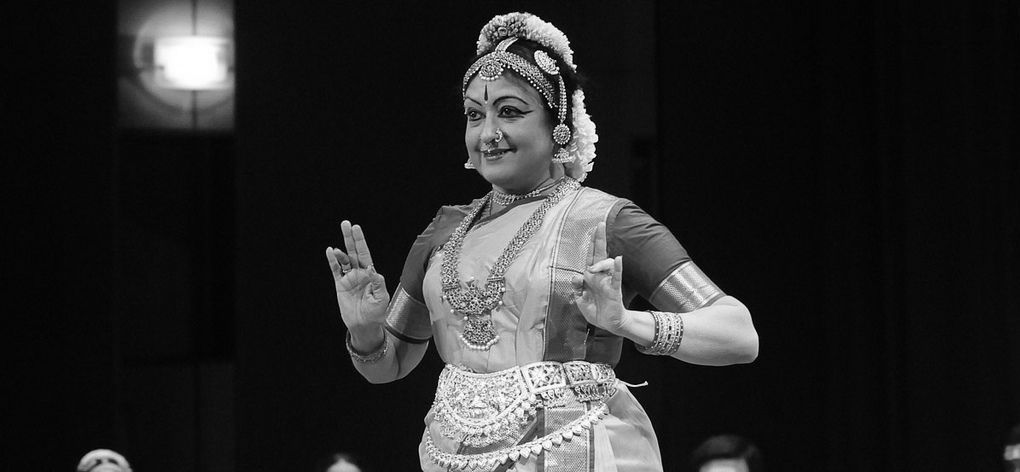
Books written and institutions established by Dr. Padma Subrahmanyam for the promotion of Art and National Integration Padma Surbahmanyam derived her artis...
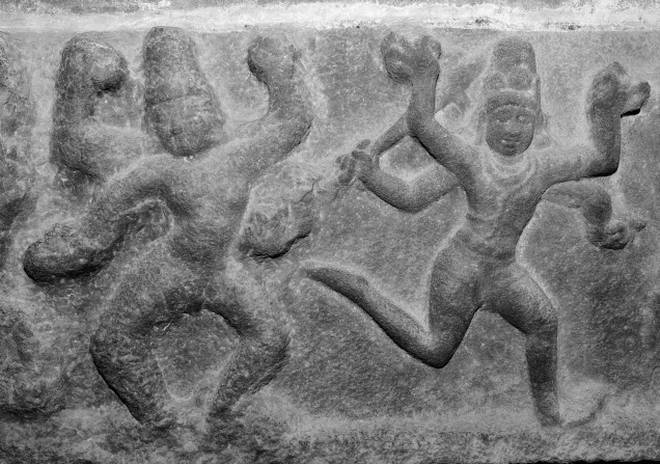
1.Śiva’s form as Naṭarāja We know from the first chapter of the Nāṭyaśāstra (verses 41-45) that according to tradition, Śiva’s cosmic dance inspired Bharata to...
This article is an adapted version of the talk presented by Arjun Bharadwaj at the Swadeshi Indology Conference in December 2017 The following sections...
This article is an adapted version of the talk presented by Arjun Bharadwaj at the Swadeshi Indology Conference in December 2017 Abstract The...
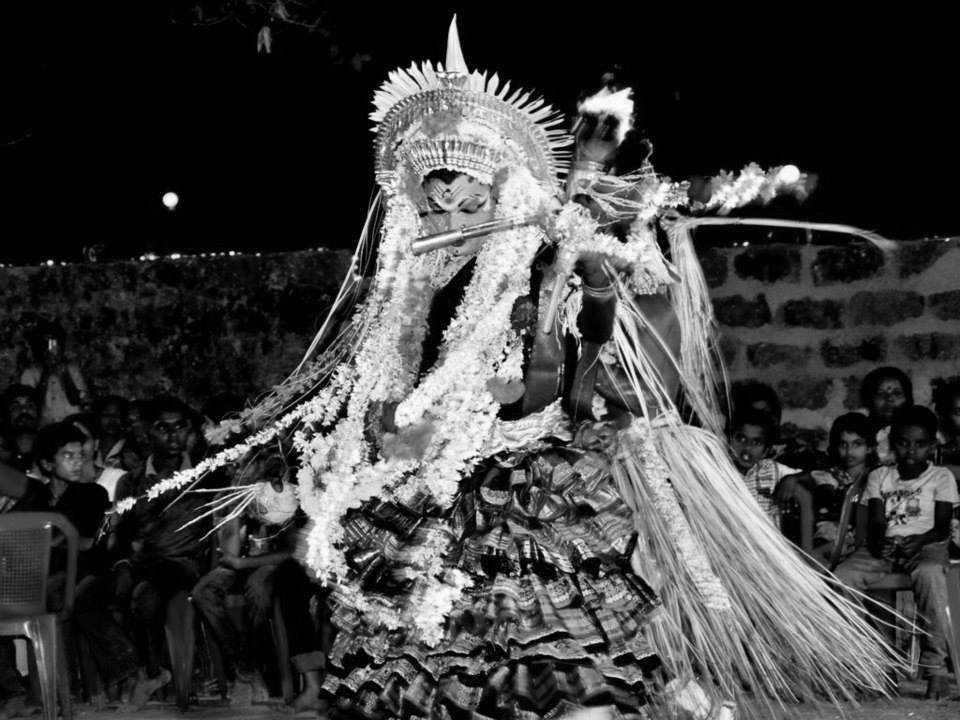
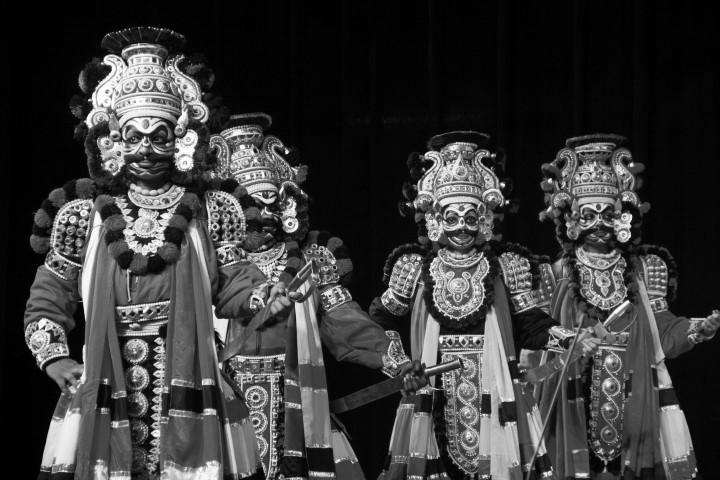
Several people have the tendency to find parallels between Bhūtārādhana and Yakṣagāna. They classify Bhūtārādhana as ‘folk’ (Jānapadīya) and as a corollary, con...
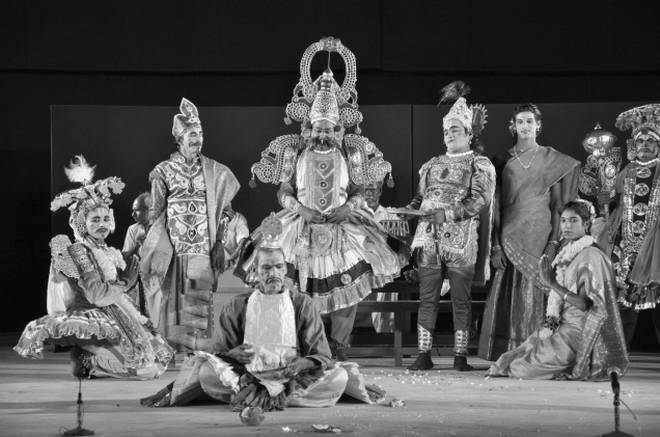
In his insightful essay titled ‘Uparūpakas and Nāṭyaprabandhas’, Dr. V Raghavan classifies these (i.e., the lyrics/ scripts used for different theatrical/ Yakṣa...
The word ‘Śāstra’ refers to a well-structured presentation with novel insights (Śaṃsana Śāsana-prajñā). Anything that has these characteristics can be said to b...
The terms ‘mārga’ and ‘deśī’ which have been in use for thousands of years in our tradition are today translated as ‘Classical’ and ‘Folk’ respectively, terms w...
It is interesting to note that the Indian writers on the Kāma-śāstra classified the heroines as Padminī, Cittinī, Hastinī and Śaṅkinī, primarily based on their...