Ch. 12 Yoga of the steps of Bhakti (part 1)
Introduction dhyānābhyāsa-vaśīkṛtena manasā tannirguṇaṃ niṣkriyaṃ jyotiḥ kiñcana yogino yadi paraṃ paśyanti paśyantu te । asmākaṃ tu tadeva locana-camatkār...
Well, then, is this path — performing one’s duties with the sole purpose of pleasing Bhagavān — an easy journey? Śrīkṛṣṇa himself was uncertain about it. Bhagav...
Śrī Kanakadāsa, the great mystic, said this - Ṣaḍurasadannakè nalidāḍuva jihvè । kaḍurucigoṃbuva ruciguṇa ninadayya ॥ (Yours is the tongue that enjoys fo...
Introduction ekam-evādvayam-arūpaṃ brahmam-avyayam-akriyaṃ svīkarisi nijabhogakèṃdu śarīra-vividha-sahasramaṃ । prākṛtāsvādyagaḻa madhuviṃ tannane tāṃ mare...
How is Brahma? sarvataḥ pāṇipādaṃ tat sarvatokṣi-śiro-mukham । sarvataḥ śrutimalloke sarvam āvṛtya tiṣṭhati ॥ BG 13.14 “Its limbs are everywhere, as...
Thus, the Parabrahma is conducting the activities of the universe in three forms — prakṛti, jīva and Īśvara. yāvatsaṃjāyate kiñcit sattvaṃ sthāvarajaṅgamam...
The object that is water, is H2O for a chemist, and ambrosia for a thirsty man. The satiating and refreshing potential imperceptible in hydrogen and oxygen was...
Introduction vaṃśī-vibhūṣita-karān-navanīradābhāt pītāmbarādaruṇa-bimba-phalādharoṣṭhāt | mugdhendu-sundara-mukhādaravinda-netrāt kṛṣṇāt-paraṃ kim-api ta...
What is a guṇa? A certain innate characteristic or natural power of a thing that causes affinity or otherwise with another thing is its guṇa. Thus the guṇa is a...
A relevant matter here needs discussion. Bhagavān says that the three guṇas have to be transcended or sublimated. Good. But even to transcend those guṇas, a guṇ...
Introduction parākṛtanamadbandhaṃ paraṃbrahma narākṛti | saundaryasārasarvasvaṃ vande nandātmajaṃ mahaḥ || I bow to that Supreme Brahma in human form that d...
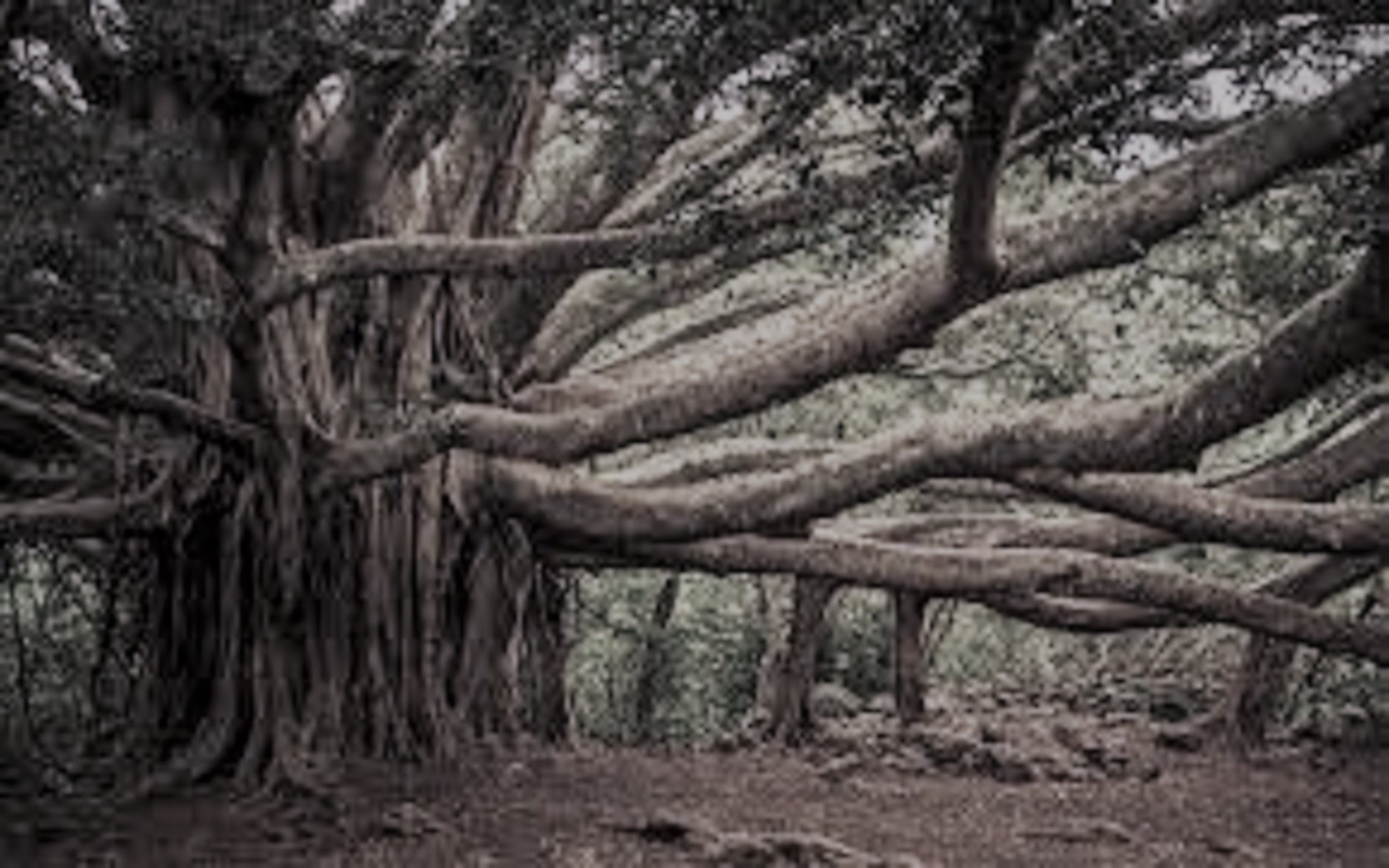
What is the reason behind the name aśvattha for a tree thus extolled in the Veda? Śvaḥ in Saṃskṛt means tomorrow. Śvastha is something that will exist tomorrow...